- English
- French
- German
- Portuguese
- Spanish
- Russian
- Japanese
- Korean
- Arabic
- Greek
- German
- Turkish
- Italian
- Danish
- Romanian
- Indonesian
- Czech
- Afrikaans
- Swedish
- Polish
- Basque
- Catalan
- Esperanto
- Hindi
- Lao
- Albanian
- Amharic
- Armenian
- Azerbaijani
- Belarusian
- Bengali
- Bosnian
- Bulgarian
- Cebuano
- Chichewa
- Corsican
- Croatian
- Dutch
- Estonian
- Filipino
- Finnish
- Frisian
- Galician
- Georgian
- Gujarati
- Haitian
- Hausa
- Hawaiian
- Hebrew
- Hmong
- Hungarian
- Icelandic
- Igbo
- Javanese
- Kannada
- Kazakh
- Khmer
- Kurdish
- Kyrgyz
- Latin
- Latvian
- Lithuanian
- Luxembou..
- Macedonian
- Malagasy
- Malay
- Malayalam
- Maltese
- Maori
- Marathi
- Mongolian
- Burmese
- Nepali
- Norwegian
- Pashto
- Persian
- Punjabi
- Serbian
- Sesotho
- Sinhala
- Slovak
- Slovenian
- Somali
- Samoan
- Scots Gaelic
- Shona
- Sindhi
- Sundanese
- Swahili
- Tajik
- Tamil
- Telugu
- Thai
- Ukrainian
- Urdu
- Uzbek
- Vietnamese
- Welsh
- Xhosa
- Yiddish
- Yoruba
- Zulu
Kaihan Tech Capabilities VS Standard Machine Shops: Precision Machining, CNC Turning & Milling Excellence
When selecting a manufacturing partner for complex components, understanding the distinction between advanced technology providers and conventional machine shops becomes critical. Precision Machining operations demand more than basic equipment—they require sophisticated infrastructure, experienced personnel, and verified Quality Certification standards. At Wuxi Kaihan Technology Co., Ltd., our comprehensive capabilities in CNC Turning and CNC Milling position us distinctly ahead of standard machine shops. With ten advanced machining centers, six dedicated turning machines, and ISO 9001:2015 certification, we deliver components that meet aerospace, automotive, and medical device specifications while maintaining China's competitive supply chain advantages that reduce costs by thirty to forty percent.

Advanced Equipment Infrastructure: Beyond Basic Machining Capabilities
Specialized CNC Turning Operations With Multi-Axis Precision
Most machine shops use standard lathes that can only do a few things. Our building has six CNC lathes that are specifically designed to work with complicated shapes and tight tolerances. With our CNC Turning for sale services, we can get as accurate as +/- 0.005 millimeters in stainless steel, aluminum alloy, brass, steel, carbide, and titanium alloy, among other materials. With this level of Precision Machining, we can make parts for tough uses where accuracy in dimensions has a direct effect on safety and performance. Each turning center has live tools, which lets us do milling operations during the turning cycle. This cuts down on the need for extra setups and keeps the geometry consistent. We work with things that are two millimeters to five hundred millimeters in diameter, and each month we can make up to 100,000 pieces. We bought high-tech turning tools because we want to make parts that regular shops can't reliably make, especially for industries that need surfaces with Ra 0.4 to 3.2 levels of accuracy and complicated internal shapes.
High-Performance CNC Milling Centers For Complex Geometries
Our ten CNC Turning machining centers represent a significant technological advantage over conventional milling equipment found in standard machine shops. These centers feature multi-axis capabilities enabling simultaneous five-axis CNC Milling operations that produce complex contours, undercuts, and angular features in single setups. Materials processed include Steel 45, 6061 Aluminum Alloy, POM, Titanium, and PEEK, with surface finish capabilities ranging from Ra 0.2 to 3.2 micrometers. Standard machine shops typically rely on three-axis vertical mills requiring multiple setups, increasing both production time and dimensional variation. Our advanced milling centers eliminate these limitations, maintaining tolerance bands as tight as plus or minus 0.005 millimeters across entire component geometries. We complement our milling capabilities with two universal radial milling machines for larger components and specialized applications. Each machining center operates under strict process controls documented through our Quality Certification system, ensuring repeatable results across production runs. Lead times range from seven to twenty-one days depending on complexity, with capacity to produce up to ten thousand units monthly.
Comprehensive Quality Control Systems And Certifications
Quality Certification distinguishes professional manufacturers from basic machine shops, and our ISO 9001:2015 certification demonstrates systematic quality management throughout production processes. We maintain coordinate measuring machine inspection equipment enabling verification of dimensional accuracy, geometric tolerances, and surface finish requirements. Standard machine shops often lack dedicated metrology equipment, relying instead on basic handheld instruments that cannot verify complex geometries or tight tolerances. Our quality control protocols include first article inspection, in-process monitoring, and final inspection documentation provided with each shipment. We also maintain EU RoHS compliance certification, essential for components entering European markets. Our two universal grinders support finishing operations achieving surface finishes below Ra 0.4 micrometers when applications demand exceptional smoothness. The combination of advanced Precision Machining equipment and rigorous quality systems ensures that components meet specifications consistently. Our commitment extends beyond certification maintenance to continuous improvement, with eight percent of annual revenue invested in research and development activities supported by twenty-two patents.
Material Expertise And Processing Versatility
Multi-Material Machining Capabilities For Diverse Applications
Choosing the right material has a big effect on how well a part works, and we know a lot about ferrous alloys, non-ferrous metals, and advanced engineering plastics. We frequently handle stainless steel grades 304, 316, and 17-4PH in CNC Turning operations. Each of these grades has its own set of cutting parameters and tooling strategies. Aluminum alloys like 6061-T6 are easy to machine and have the strength-to-weight ratios needed for aerospace uses. Our experience with cutting titanium alloys helps us deal with problems like work hardening, heat generation, and tool wear that are too much for shops that don't have the right skills. Carbide parts are used in cutting tools and other wear-resistant uses. They are very hard to machine, and only specialized facilities can handle them. With fifteen years of experience in Precision Machining, we've come up with process factors that are specific to each material and help us get the most work done while still meeting quality standards. In the same way, our CNC Milling processes work with a wide range of materials, and each one needs its own set of cutting speeds, feed rates, and tooling. We keep a large stock of materials on hand, which lets us make samples quickly. Lead times for OEM and ODM customization projects are ten to twenty working days.
Surface Treatment And Finishing Capabilities
Component functionality often depends on surface characteristics beyond dimensional accuracy, and our comprehensive finishing capabilities enhance performance across applications. We coordinate with certified surface treatment partners providing anodizing, electroplating, powder coating, heat treating, and specialized finishes matching customer specifications. CNC Turning and CNC Milling operations produce as-machined surfaces ranging from Ra 0.4 to 3.2 micrometers, suitable for many applications without additional processing. However, aerospace components frequently require specialized coatings for corrosion resistance, while medical devices demand electropolished surfaces. Our Quality Certification system extends to surface treatment partners, ensuring consistent results meeting industry standards. Standard machine shops rarely coordinate comprehensive finishing services, leaving customers to manage multiple suppliers. We provide single-source responsibility from raw material through finished components, simplifying procurement while ensuring compatibility between machining and finishing processes. This integrated approach distinguishes technology-focused manufacturers from basic machine shops offering only primary machining operations.
Tolerance Achievement And Dimensional Verification
Achieving specified tolerances requires more than capable equipment—it demands process control, thermal management, and rigorous verification procedures. Our Precision Machining operations maintain tolerance bands of plus or minus 0.005 millimeters through temperature-controlled environments, calibrated tooling, and systematic process monitoring. CNC Turning operations achieve concentricity, perpendicularity, and cylindricity tolerances essential for rotating assemblies and precision fits. Our coordinate measuring machines verify geometric dimensioning and tolerancing callouts including position, profile, runout, and form controls specified on customer drawings. We document inspection results providing objective evidence of conformance, essential for aerospace customers and medical device manufacturers. Our CNC Milling operations maintain positional accuracy across complex three-dimensional geometries through five-axis simultaneous machining eliminating setup variations. We conduct capability studies documenting process performance indices, demonstrating statistical control over critical dimensions. This analytical approach to quality management separates professional manufacturers from conventional machine shops relying on operator skill without systematic verification.
Cost Efficiency And Supply Chain Advantages
Strategic Location Benefits And Competitive Pricing
Operating from Wuxi, Jiangsu Province provides significant supply chain advantages reducing component costs by thirty to forty percent compared to Western manufacturers. Our sixteen-hundred-square-meter facility positions us within China's extensive manufacturing ecosystem enabling rapid material procurement and cost-effective subcontracting when required. These location advantages extend beyond raw material costs to include tooling, energy, and labor expenses. Standard machine shops in high-cost regions cannot match our pricing while maintaining comparable Quality Certification standards and Precision Machining capabilities. We leverage supplier relationships developed over fifteen years, securing favorable pricing on materials, cutting tools, and specialized services. Our CNC Turning and CNC Milling operations achieve cost efficiency through optimized programming reducing cycle times without compromising quality. Customers receive competitive pricing without sacrificing reliability, as our ISO 9001:2015 certification ensures systematic quality management regardless of cost pressures. We provide transparent quotations detailing material costs, machining time, finishing operations, and logistics.
Flexible Production Capacity Supporting Various Order Sizes
Manufacturing flexibility enables us to serve customers ranging from startups requiring prototype quantities to established companies needing high-volume production. Our CNC Turning capacity reaches one hundred thousand pieces monthly, while CNC Milling operations produce up to ten thousand units depending on complexity. This scalability distinguishes us from specialized shops focusing exclusively on either prototype or production work. We support sample development with lead times of seven to fifteen days, enabling rapid design iteration. Once designs finalize, we transition seamlessly to production volumes with lead times of fifteen to thirty days. Standard machine shops typically excel at either prototype or production work, lacking infrastructure supporting both efficiently. Our ten machining centers and six CNC lathes provide capacity buffers preventing bottlenecks during high-demand periods. Customers appreciate our ability to start with small quantities while knowing we can scale production as their requirements grow. Our Quality Certification system maintains consistent standards regardless of order size, ensuring prototype components exhibit identical quality as production runs.
Conclusion
Wuxi Kaihan Technology Co., Ltd. demonstrates clear advantages over standard machine shops through advanced equipment infrastructure, comprehensive Quality Certification systems, material expertise, and cost-efficient operations. Our Precision Machining capabilities in CNC Turning and CNC Milling deliver components meeting demanding specifications across aerospace, automotive, and medical device applications. With ISO 9001:2015 certification, fifteen years of industry experience, and China's supply chain cost advantages reducing expenses by thirty to forty percent, we provide exceptional value for international customers.
Partner with a manufacturer committed to excellence in Precision Machining technology. Whether you require prototype development or high-volume production, our factory combines advanced CNC Turning and CNC Milling capabilities with rigorous Quality Certification standards. As a trusted supplier and manufacturer, we offer OEM processing services, cross-border semi-finishing solutions, and wholesale pricing without compromising quality. Contact Wuxi Kaihan Technology Co., Ltd. today to discuss your precision component requirements and discover how our capabilities exceed standard machine shop offerings. Reach our team at service@kaihancnc.com to begin your next project with a partner dedicated to delivering superior results.
References
1. Stephenson, D.A. & Agapiou, J.S. (2016). Metal Cutting Theory and Practice, Third Edition. CRC Press, Boca Raton.
2. Kalpakjian, S. & Schmid, S.R. (2014). Manufacturing Engineering and Technology, Seventh Edition. Pearson Education, Upper Saddle River.
3. Boothroyd, G. & Knight, W.A. (2011). Fundamentals of Machining and Machine Tools, Third Edition. CRC Press, Boca Raton.
4. Tlusty, J. (2013). Manufacturing Processes and Equipment. Prentice Hall, New Jersey.
5. Shaw, M.C. (2005). Metal Cutting Principles, Second Edition. Oxford University Press, New York.
6. DeGarmo, E.P., Black, J.T. & Kohser, R.A. (2011). Materials and Processes in Manufacturing, Eleventh Edition. John Wiley & Sons, Hoboken.
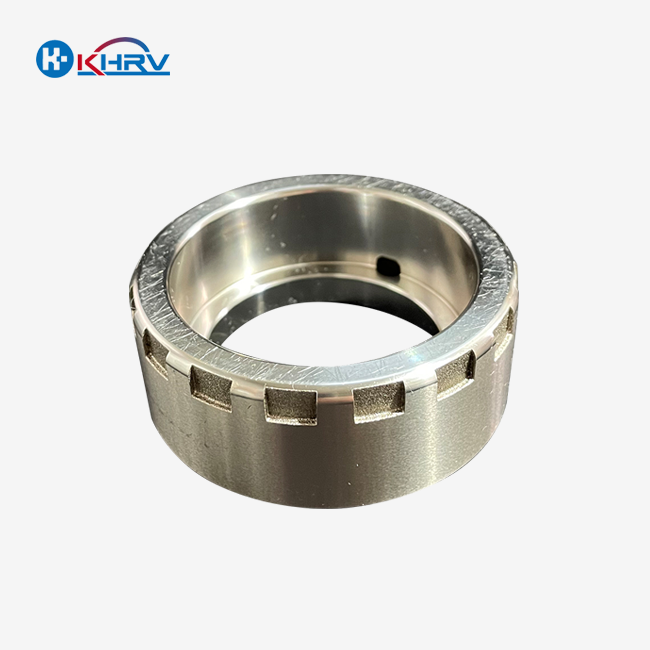
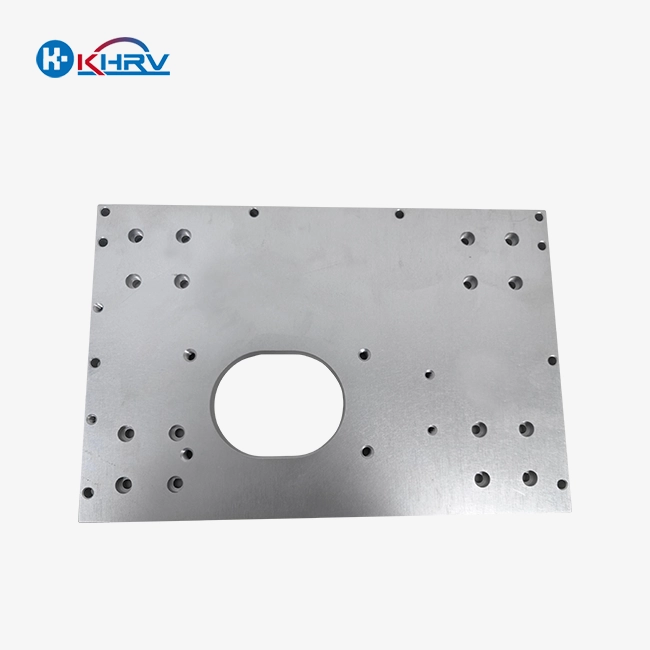

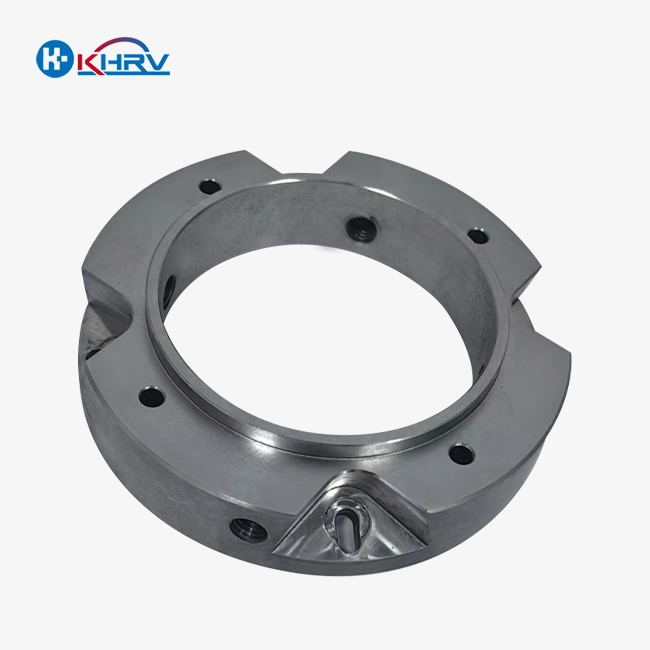
Learn about our latest products and discounts through SMS or email