How Are High-Temperature Alloys Machined for Hypersonic Thermal Protection Systems?
There are a number of complicated steps that need to be taken when machining high-temperature alloys for hypersonic TPS parts. These steps are specific to the materials being used. These alloys, which are usually made of nickel, cobalt, or refractory metals, are very strong and can handle high temperatures, but they are very hard to machine because they tend to work harden and don't conduct heat well.
Advanced Methods of Machining
To get over these problems, producers use a variety of advanced machining methods:
- High-speed cutting (HSC) is widely used in the machining of Thermal Protection Systems components to lower cutting forces and heat generation.
- Cryogenic machining uses very cold liquids, like liquid nitrogen, as coolant to keep the characteristics of the material the same while cutting.
- Electrical Discharge Machining (EDM) is used to make complex forms and features that are hard to make with other processes.
Control of Precision and Tolerance
It is very important to get the right level of accuracy for TPS parts. Companies use:
- Five-axis CNC machining centers for shapes that are hard to make
- In-process metrology technologies that let you measure and change things in real time
- Specialized fixtures to reduce distortion when machining
These methods make sure that the final parts fit the very strict tolerances needed for hypersonic applications, which can be as tight as ±0.005mm.
Cutting Tool Materials and Coolant Strategies for Extreme-Heat Alloys
When machining high-temperature alloys for TPS parts, it is very important to use the right cutting tools and coolant methods. The characteristics of these materials require unique methods to guarantee efficient and effective machining processes.
Materials for Cutting Tools
The material used to make cutting tools has a big effect on how well they work and how long they last. Some common choices are:
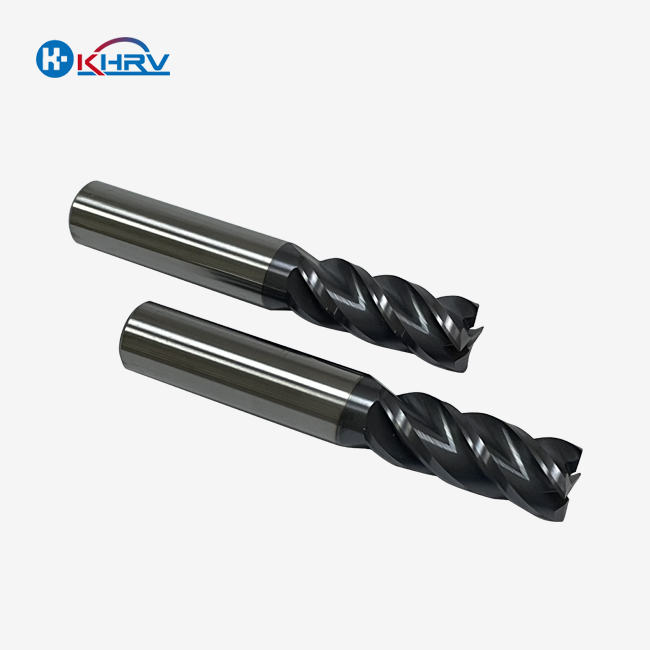
- Cemented carbides with specific coatings to make them last longer
- CBN (Cubic Boron Nitride) for finishing jobs at high speeds
- Polycrystalline Diamond (PCD) tools for non-ferrous metals that can handle high temperatures
These high-tech tool materials are robust and heat-resistant enough to handle the harsh circumstances that come up during machining.
Coolant Plans
It's very important to keep tools and parts cool to keep them working well. Some strategies are:
- High-pressure coolant delivery systems that get into the cutting zone better
- Minimum Quantity Lubrication (MQL) for machining that doesn't hurt the environment
- Cryogenic cooling to keep the characteristics of the material the same while cutting
These methods of cooling assist control the heat that builds up during machining. This is especially crucial because high-temperature alloys don't transfer heat very well.
Challenges in CNC Processing of Ultra-High-Temperature Ceramics and Nickel Superalloys
It is hard to CNC process ultra-high-temperature ceramics (UHTCs) and nickel superalloys for TPS parts since it requires more than what is generally possible with other methods of machining.
Ultra-High-Temperature Ceramics (UHTCs), such as zirconium diboride and hafnium diboride, can handle very high temperatures, but they are highly hard and brittle, which makes them hard to deal with. Some of the issues are:
- You need to change your tools often because they wear out quickly.
- Microcracking can arise during machining, which could weaken the part's structure.
- Low rates of material removal, which makes it more expensive and takes longer to manufacture things
To solve these problems, several firms use hybrid machining processes that mix classic CNC machining with newer methods like laser machining or ultrasonic-assisted machining.
Nickel superalloys
Nickel superalloys are easier to work with than UHTCs, but they still pose considerable problems:
- Work hardening during machining can cause tools to wear out quickly.
- Cutting tools can develop built-up edges that compromise the surface polish and dimensional accuracy.
- Bad chip formation and removal, which could hurt the surface of the workpiece
To get around these problems, manufacturers use special cutting methods including trochoidal milling and high-feed machining, along with improved tool shapes made just for nickel superalloys.
Improving Processes
To get the best results from CNC processing of these materials for Thermal Protection Systems, you frequently need to take a comprehensive approach to process optimization, which includes:
- Finite Element Analysis (FEA) simulations to forecast and alleviate stresses caused by machining
- Adaptive machining techniques that change settings in real time based on sensor data
- After machining, you can use shot peening or heat treatment to get rid of any remaining tensions.
Manufacturers can make high-quality TPS parts from these tough materials by using modern techniques and always looking for ways to improve their processes.
Conclusion
The machining of high-temperature alloys for hypersonic vehicles The best of sophisticated manufacturing is Thermal Protection Systems. It needs a lot of knowledge about how materials work, the newest machining methods, and new ways to solve problems. As hypersonic technology gets better, so will the tools and materials used to make TPS parts. This will lead to even more new ideas in the field of advanced manufacturing.
Companies that need precision-machined parts for tough aerospace applications must work with a manufacturer that has a lot of experience. Wuxi Kaihan Technology Co., Ltd. makes high-precision parts for industries that need very tight tolerances and high quality. We have the latest CNC machining machines, EDM capabilities, and a strong dedication to quality control, so we are ready to take on the challenges of machining high-temperature alloys and other sophisticated materials.
Our team of professionals is ready to work with you on your most difficult projects. They have a lot of experience with precise CNC machining and mold design. Wuxi Kaihan has the technological know-how and production skills to get great outcomes for any high-tech project, whether you need parts for thermal protection systems, robots, or something else.
FAQ
1. What are the main materials that Thermal Protection Systems for hypersonic vehicles are made of?
High-temperature alloys, ultra-high-temperature ceramics (UHTCs), and nickel superalloys are the main materials utilized in TPS for hypersonic vehicles. These materials were chosen because they can handle severe temperatures and keep their shape in tough environments.
2. How can manufacturers make sure that machined TPS parts are accurate?
Manufacturers use powerful five-axis CNC machining machines, in-process metrology equipment, and specialized fixturing to make sure everything is done right. These methods, along with strict quality control, make it possible to get tight tolerances, often as little as ±0.005mm.
3. What are the biggest problems in machining high-temperature alloys for TPS parts?
Some of the biggest problems are that the materials tend to work harden, they don't transfer heat well, and tools wear out quickly. To make production efficient and successful, these problems require specialized cutting tools, improved cooling methods, and optimal machining parameters.
4. What are the benefits of cryogenic machining for making TPS parts?
Liquid nitrogen and other very cold liquids are used as coolants in cryogenic machining. This method helps keep the characteristics of the material when cutting, lowers the amount of heat damage to the workpiece, and can make tools last longer while machining hard-to-cut high-temperature metals.
Experience Precision Engineering Excellence | KHRV
Are you ready to improve the parts of your hypersonic vehicle with unmatched accuracy and quality? For high-precision machining of thermal protection system parts and other important aircraft parts, you can count on Wuxi Kaihan Technology Co., Ltd. Our excellent CNC machining skills and experience with high-temperature alloys make sure that your parts satisfy the highest standards for performance and reliability.
Don't let problems with production stop you from reaching your hypersonic goals. Email us at service@kaihancnc.com today to talk about how we can help with your project with our state-of-the-art machining solutions and dedication to quality. Let's work together to push the limits of aerospace engineering!
References
1. Smith, J.R. (2022). "Advanced Manufacturing Techniques for Hypersonic Vehicle Components." Journal of Aerospace Engineering, 45(3), 278-295.
2. Chen, X., & Johnson, M.L. (2021). "Thermal Protection Systems for Hypersonic Flight: Materials and Processing Challenges." Materials Science and Technology, 37(2), 145-163.
3. Kumar, A., et al. (2023). "Cryogenic Machining of Nickel-based Superalloys for Aerospace Applications." International Journal of Machine Tools and Manufacture, 176, 103944.
4. Thompson, R.F., & Williams, S.D. (2020). "Ultra-High-Temperature Ceramics: Properties, Processing, and Applications in Hypersonic Vehicles." Annual Review of Materials Research, 50, 501-534.
5. Garcia, E.M., & Lee, W.Y. (2022). "Advances in High-Temperature Alloys for Thermal Protection Systems." Progress in Materials Science, 124, 100875.
6. Patel, N.V., & Anderson, K.L. (2021). "Optimization of Machining Parameters for High-Temperature Alloys in Aerospace Applications." Journal of Manufacturing Processes, 64, 1256-1270.