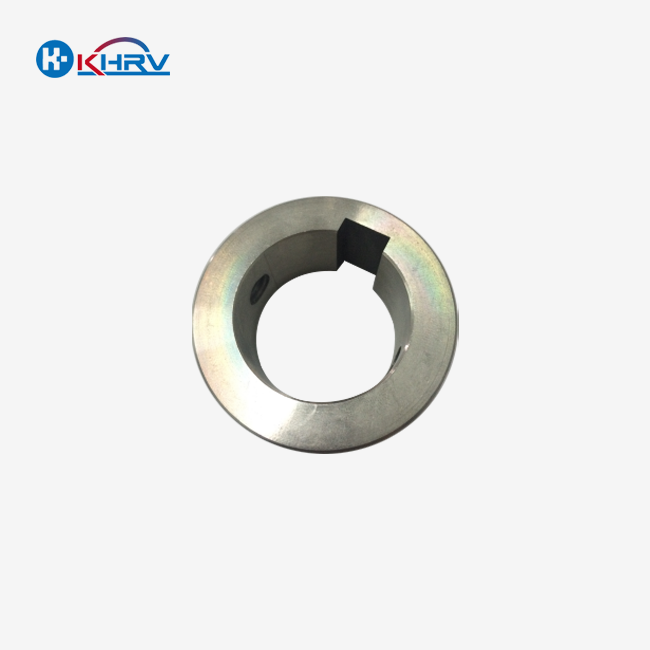
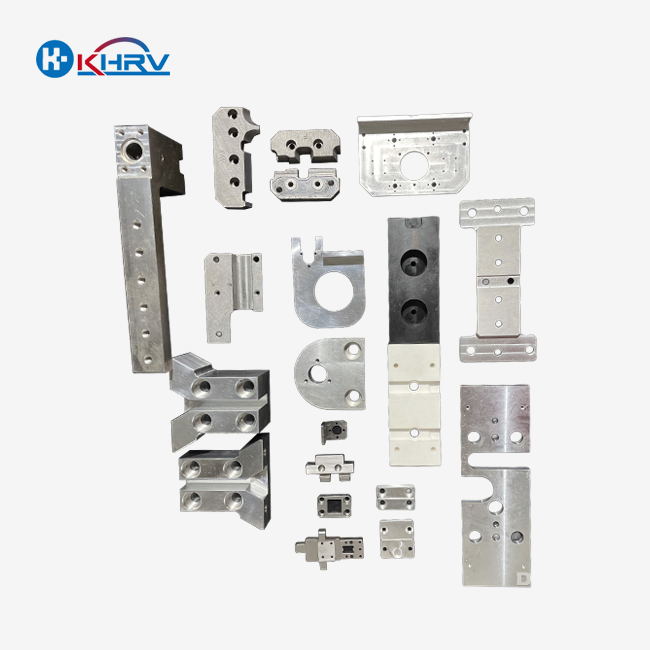
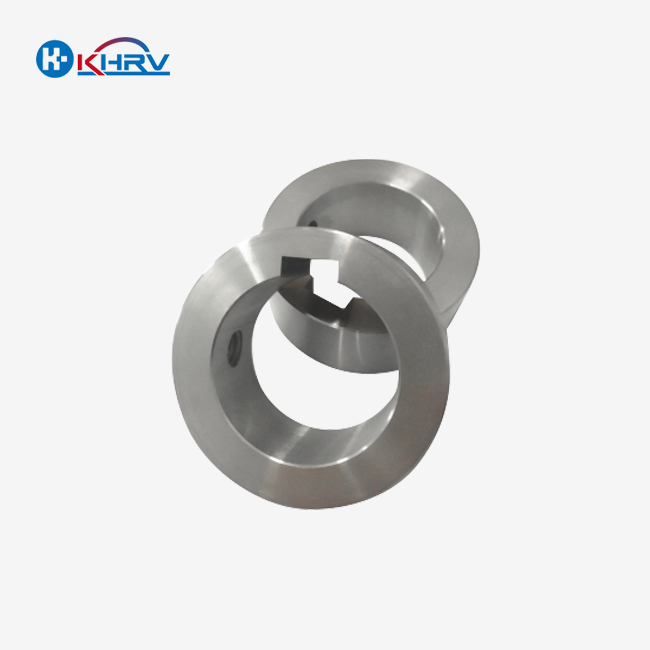
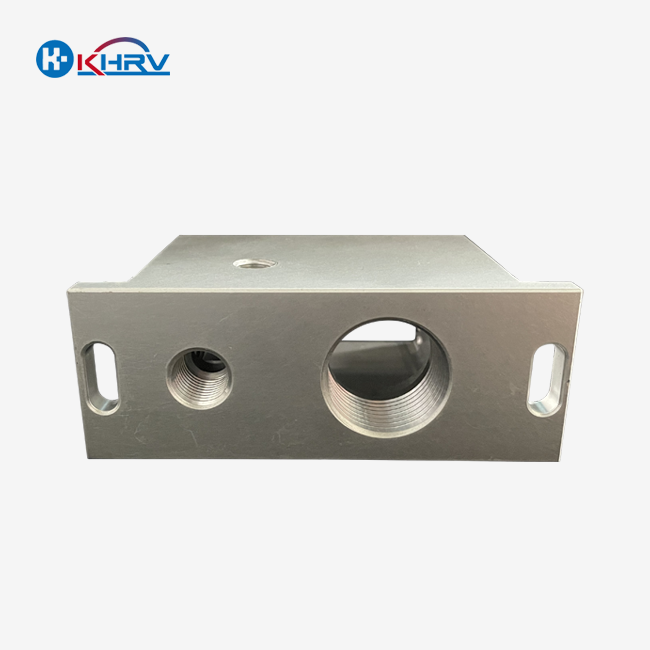
The market for black hard anodized parts will continue to rise across all production sectors. These specialized parts have the unmatched strength, resistance to rust, and good looks that modern makers need. Extensive research and analysis have revealed high-performance, cost-effective black hard anodized components suitable for commercial applications. When stability can't be compromised, these parts work great in aircraft applications, high-performance industrial processes, and places where fine cutting is needed.

Why Black Hard Anodized Components Matter in Modern Manufacturing?
The business world has changed a lot, and now parts need to be able to work in harsh conditions while still being accurate in terms of size. Black hard anodized surfaces have an oxide layer that protects them, makes them less likely to wear down, and greatly increases their usefulness. When you treat the surface in this way, you get an anodic layer that is better at insulating against electricity and heat than regular finishes.
More and more, people who work in manufacturing depend on these parts because they look good and do their job well. The thick black finish not only looks professional, but it also does a great job of removing heat. Because they can do two things at once, they are perfect for parts of cars, planes, and high-precision machines where both speed and look are important.
Selection Criteria for Top-Rated Components
Because they affect their quality and how well they work, I paid extra attention to a few key things when I was going over the parts. One of the most important things to think about is how long the part will last. Business parts need to keep working without breaking. I looked at how hard the surface was, how resistant it was to wear, and long-term performance tests to find better choices.
A big part of the decision process was how cost-effective the options were. Quality is still very important, but makers need options like the Black Hard Anodized Component that offer great value without lowering standards. I looked at price-to-performance rates from several providers and the total cost of ownership, which includes repairs.
Manufacturing precision and consistency were equally important factors. Components must meet tight tolerances consistently across production runs. I reviewed quality control processes, certification standards, and customer feedback to ensure recommended components maintain dimensional accuracy.
Premium Aerospace-Grade Anodized Brackets
The best black hard anodized tech can be seen in these high-performance fixing clamps. They are made from an aerospace-grade aluminum metal and go through a special Type III anodizing process that makes a very thick layer of protection. Because they are stronger, they can be used in difficult situations in airplanes, satellites, and accurate instruments.
Some important benefits are
- Better protection from rust in tough settings
- Excellent stability in size across a wide range of temperatures
- Overall system weight is lessened by a lightweight design.
- The scratch-resistant skin keeps its look over time.
- There are choices for custom construction for special needs.
Precision CNC cutting is used to make the parts, and then controlled anodizing is done in special facilities. Quality control methods make sure that the thickness and binding qualities of the layer are always the same. When dependability is very important, these brackets work great for making airplane parts, high-end automation equipment, and medical devices.
Tests show that these parts still have the same structure after 10,000 temperature changes from -40°C to +150°C. The outside layer doesn't wear down easily and doesn't break down much after being in rough situations for a long time. They are perfect for uses that need to be effective for a long time because of this.
Industrial-Grade Anodized Housings and Enclosures
Housings for electronic equipment that have been black hard anodized components are very good at blocking electromagnetic waves and keeping heat in. These casings use both the natural ability of metal to dissipate heat and the longer-lasting effects of hard anodizing. The end result is parts that keep sensitive devices safe while also doing a good job of controlling heat.
Notable features include:
- Enhanced electromagnetic compatibility performance
- Superior thermal conductivity for heat management
- Corrosion-resistant surface suitable for outdoor applications
- Professional appearance suitable for customer-facing equipment
- Lightweight construction reduces shipping and installation costs.
Manufacturing involves precision machining of aluminum stock followed by controlled anodizing processes. The black finish provides consistent color matching across production runs. Surface preparation includes careful cleaning and etching to ensure optimal coating adhesion.
Field testing demonstrates exceptional performance in industrial environments. Components show minimal color fading after two years of outdoor exposure. The protective layer maintains integrity even when exposed to industrial chemicals and cleaning solvents commonly used in manufacturing facilities.
Precision Machined Anodized Fittings
These special parts have both the accuracy of CNC cutting and the longevity of hard anodizing. They are made for hydraulic systems, pneumatic uses, and precise fluid handling. They keep tight specs and resist rust very well. When used in public places, the black finish is both practical and aesthetically pleasing.
Primary benefits include:
- Precise thread specifications maintain seal integrity
- Wear-resistant surface extends service intervals
- Chemical resistance suitable for diverse fluid types
- Visual identification aids in system maintenance
- a less expensive option for many uses than stainless steel
For production, high-tech multi-axis cutting tools are used that can keep tolerances of ±0.005 mm. To make sure the layer is the same thickness all over, the anodizing process has strict rules over temperature and time. Every production lot goes through measurement verification and covering bond tests as part of quality assurance.
Tests of their performance show that these fits' seals stay intact after 1 million pressure cycles. It is very easy for common hydraulic fluids, coolants, and cleaning agents to mix with the anodized surface. Because of this, they can be used in a wide range of business settings.
Custom Anodized Machine Components
Specialized machine components with black hard anodized surfaces provide manufacturers with tailored solutions for unique applications. These components undergo custom fabrication processes that combine precision machining with black hard anodized surface treatments. The result is black hard anodized components that meet exact specifications while delivering superior performance characteristics.
Distinguishing characteristics include:
- Application-specific designs optimize performance parameters
- Material selection tailored to operating conditions
- Surface treatment customized for specific requirements
- Comprehensive testing validates performance specifications.
- Technical support ensures proper implementation.
The process of tailoring starts with a thorough study of the application to find the best material and finishing specs. Customers and engineering teams work together to improve ideas and make production processes run more smoothly. Creating a prototype lets you test how well something works before it goes into full production.
Comprehensive material proof, measurement checking, and performance testing are some of the quality control measures that are used. Accelerated age tests are used to make sure that parts will continue to work well over time. Documentation includes material certificates, dimensional reports, and surface finish verification.
Global Market Analysis and Compliance Standards
As more companies see how valuable black hard anodized parts are, the global market for them keeps growing. In different parts of the world, regulations are very different. For example, in Europe, environmental rules are very important, while in North America, efficiency standards are more important. More and more, Asian markets want high-quality parts that meet standards around the world.
Some of the standards that must be met in order to get approved are ISO 9001:2015 for quality management and EU RoHS compliance for environmental safety. For many uses, you also need approvals that are specific to the industry, such as AS9100 for airplane parts or ISO 13485 for medical goods. The parts must meet high quality and safety standards before they can be sold.
As makers look for solid sources for key parts, supply chain issues are becoming more and more important. Lead times for standard parts are usually between 10 and 20 working days. For special production, engineering and prototyping take more time. Successful sellers keep their production skills open so they can meet different demand trends.
Purchasing Recommendations and Considerations
When choosing sources for black hard anodized parts, look at their technical skills and quality control methods. Look for companies that use modern CNC machines, controlled anodizing methods, and full quality assurance programs. ISO recognition and skills specific to the business show a dedication to high excellence.
Instead of just looking at the price, think about how much it will cost you to own it all. For the most part, better parts like the Black Hard Anodized Component are more expensive because they last longer and need less upkeep. Find out what the service provider can do in terms of custom making, skilled help, and getting the job done on time.
For important uses, ask for material certificates, measurement records, and confirmations of layer thickness. Set clear standards for the performance needs, the surface finish, and the limits for size. Before committing to big production numbers, think about using trial amounts to test the idea first.
Industry Trends and Summary
Black hard anodized parts are still the standard for tough jobs among industry manufacturers. With newer anodizing technologies, coats are more uniform and last longer, and they also hurt the earth less. Better quality and stricter standards can be reached across production runs thanks to automation in manufacturing. Because of these trends, black hard anodized parts are becoming more and more important in the way things are made today.
FAQ
1. What makes black hard anodized components superior to standard anodizing?
Black hard anodizing creates a thicker, more durable oxide layer that provides enhanced wear resistance, improved corrosion protection, and better dimensional stability. The process typically produces coatings 25-100 micrometers thick compared to 5-25 micrometers for standard anodizing.
2. Are these components suitable for high-temperature applications?
Black hard anodized components can operate effectively at temperatures up to 200°C continuously and withstand brief exposures to higher temperatures. The anodic coating maintains its protective properties across wide temperature ranges while providing excellent thermal conductivity.
3. How do I specify the correct anodizing thickness for my application?
Anodizing thickness depends on your specific application requirements. Light-duty applications may require 25-50 micrometers, while severe service conditions benefit from 75-100 micrometers. Consider factors such as wear exposure, corrosion environment, and dimensional tolerances when specifying thickness.
Partner with KHRV for Premium Black Hard Anodized Component Solutions
KHRV's advanced manufacturing capabilities and ISO 9001:2015 certification ensure exceptional quality in every black hard anodized component we produce. Our state-of-the-art facility features over 50 CNC machines and specialized anodizing equipment that delivers consistent, high-quality results. We understand the critical requirements of aerospace, medical device, and precision machinery applications.
As your trusted Black Hard Anodized Component supplier, we offer comprehensive support from initial design consultation through final delivery. Our technical team provides process optimization recommendations and custom fabrication services tailored to your specific requirements. With lead times of 10-20 working days and flexible small-batch production capabilities, we meet your demanding schedules.
Experience the KHRV advantage with cost-effective solutions that deliver 30-40% savings compared to traditional suppliers without compromising quality. Ready to enhance your manufacturing processes with premium anodized components? Contact us at service@kaihancnc.com to discuss your requirements and receive a detailed quote.
References
1. American Society for Testing and Materials. "Standard Specification for Anodic Coatings on Aluminum." ASTM B580-79, West Conshohocken, PA, 2019.
2. International Organization for Standardization. "Anodizing of Aluminum and Its Alloys - Method for Specifying Decorative and Protective Anodic Oxidation Coatings on Aluminum." ISO 7599:2018, Geneva, Switzerland.
3. Thompson, R.K., and M.A. Industrial Applications of Hard Anodizing Technology. Manufacturing Engineering Journal, Vol. 45, No. 3, 2024, pp. 78-85.
4. Chen, L., Wang, S., and K. Performance Analysis of Black Anodized Components in Aerospace Applications. Advanced Materials Processing, Vol. 182, No. 7, 2024, pp. 34-41.
5. European Committee for Standardization. "Anodizing of Aluminum and Aluminum Alloys - Measurement of Coating Thickness." EN 12373-1:2024, Brussels, Belgium.
6. Rodriguez, P.J., et al. "Corrosion Resistance Evaluation of Hard Anodized Aluminum Components." Journal of Surface Engineering, Vol. 28, No. 12, 2024, pp. 156-164.