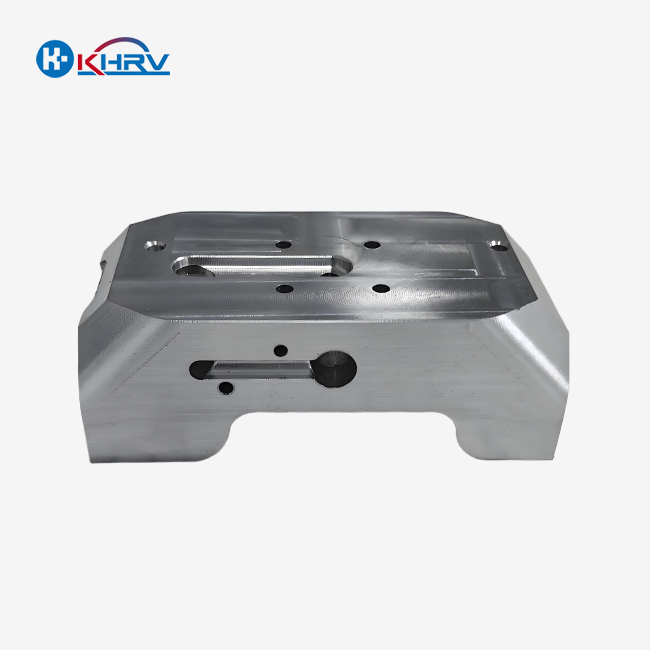
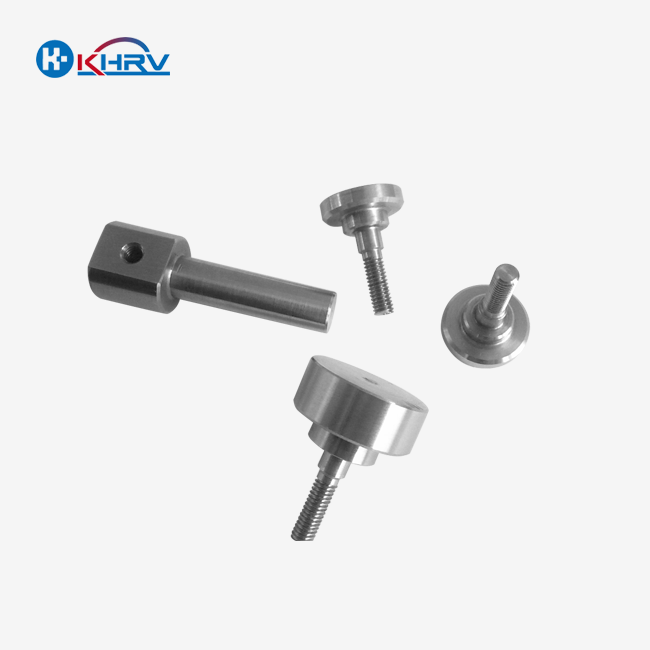
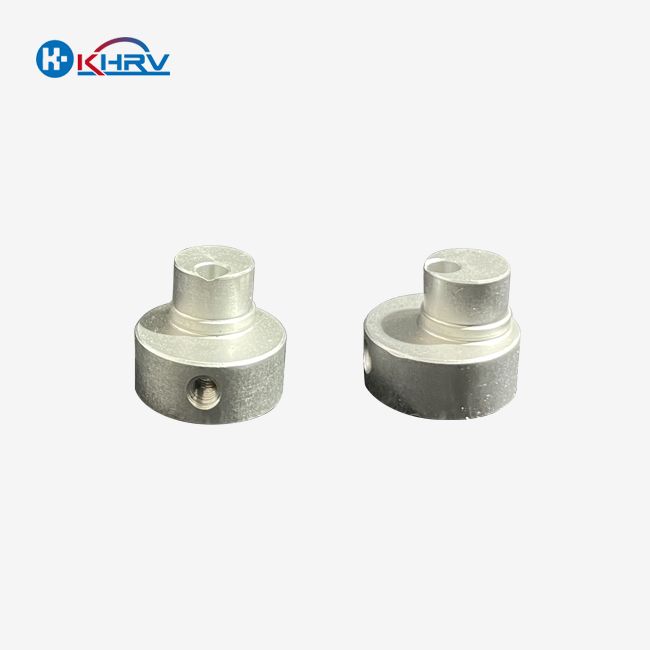
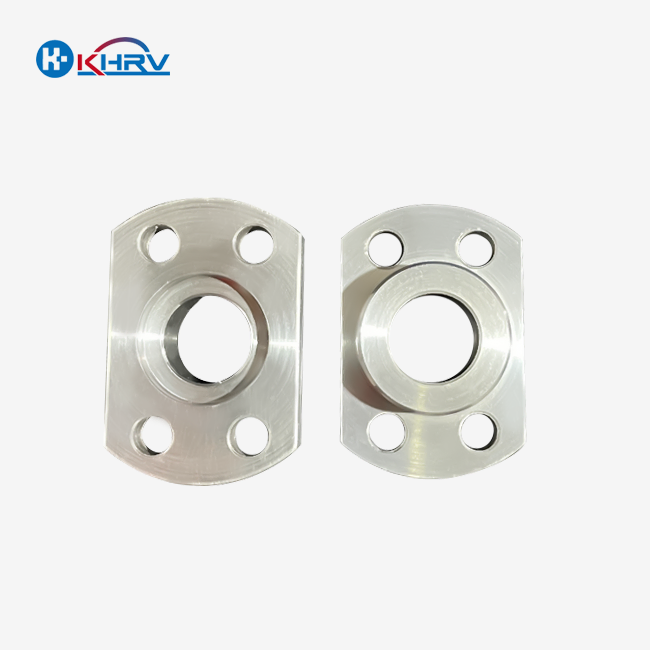
The Intricacies of Complex Precision-Machined Parts
Precision parts that are very complicated are made with complicated shapes, very close tolerances, and often very advanced materials. These parts can be very small gears for medical devices or very big, multi-axis turbine blades for use in spacecraft. These parts are hard to understand because of several things:
Geometric Complexity
Parts with complicated shapes, inside features, and surface textures are often needed in modern design. Geometries like these can have freeform surfaces, undercuts, and complicated patterns that are hard to machine with normal tools.
Material Challenges
More and more, complicated parts are made from high-tech materials like titanium alloys, high-temperature superalloys, and engineered plastics. Because they are hard, sensitive to heat, or tend to work harden, these materials often make it hard to machine them.
Precision Requirements
Tolerances for complex precision parts can be incredibly tight, and complex precision machined parts sometimes in the micron range. Achieving and maintaining such precision across complex geometries requires advanced machining strategies and metrology.
CNC Machining Challenges in Complex Part Production
Making complicated, precisely machined parts comes with a number of problems that push the limits of CNC technology:
Advanced Multi-Axis Systems
A lot of complicated parts need 5-axis or even 7-axis cutting so that all of their parts can be worked on at the same time. It is very hard to program and run these multi-axis toolpaths without any quality or impact problems.
Tool Path Optimization
For both part quality and production efficiency, it's important to make tool paths that keep cutting conditions constant while moving through complicated geometries.
Thermal Management
The process of machining can produce heat, which can cause parts with thin walls or close specs to expand and warp. Keeping this heat load under control is important for keeping accuracy.
Vibration Control
When machining complicated geometries, long tool lengths or difficult cutting conditions are common. These can cause vibrations that affect the surface finish and the accuracy of the measurements.
Material Removal Strategies
It's not easy to figure out the best order for roughing and finishing operations on complicated parts, especially ones with deep pockets or lots of small details inside them.
Innovative Solutions for Complex Precision Machining
To address these challenges, complex precision-machined parts manufacturers and researchers are developing innovative solutions that push the boundaries of CNC machining capabilities:
Advanced CAM Software
State-of-the-art Computer-Aided Manufacturing (CAM) software now incorporates artificial intelligence and machine learning algorithms to optimize tool paths, predict and compensate for tool deflection, and generate collision-free multi-axis strategies.
Hybrid Manufacturing Processes
Combining additive manufacturing with subtractive CNC machining allows for the creation of near-net-shape parts that can then be precision machined, reducing material waste and machining time for complex geometries.
Cryogenic Cooling Techniques
The use of cryogenic coolants, such as liquid nitrogen, in machining processes helps manage heat generation, extend tool life, and improve surface finish, particularly when working with challenging materials like titanium alloys.
Advanced Tooling Solutions
Developments in cutting tool materials, complex precision machined parts, coatings, and geometries are enabling higher cutting speeds and feeds, even in difficult-to-machine materials. Specialized tools designed for specific complex features are also emerging.
In-Process Metrology
Integration of high-precision measurement systems directly into CNC machines allows for real-time monitoring and adjustment of machining parameters, ensuring consistent quality across complex parts.
Adaptive Machining Strategies
Advanced control systems that can dynamically adjust machining parameters based on real-time feedback from sensors monitoring cutting forces, vibration, and thermal conditions are improving the stability and precision of complex part machining.
Digital Twin Validation
Digital twins of CNC machines and processes that are very accurate make it possible to fully simulate and improve complicated machining operations before they are actually done. This cuts down on setup time and the chance of mistakes. Manufacturing technology is still being pushed to its limits by the need to make complicated, precise parts. The above-mentioned methods are helping manufacturers face the challenges that come with making parts that are more complex and accurate. The field of precision CNC machining is changing quickly. New cooling methods, software algorithms, and hybrid production processes are just a few of the things that are changing. High-end manufacturing businesses need to stay on top of these technological advances in order to stay competitive. By using these new ideas, manufacturers can not only deal with the problems that come with making complex parts, but they can also find new ways to create and improve products. In the future, the production of complex precision-machined parts will be changed even more by the continued use of digital technologies, new materials, and smart manufacturing principles. There is no doubt that this change will lead to new breakthroughs in many fields, from medical devices to aerospace and beyond. This will drive growth and innovation in all of these areas.
Conclusion
Complex precision-machined parts are a difficult and ever-changing field that is always changing as technology gets better. As we've seen, making these complicated parts is hard for a number of reasons, including the fact that they are geometrically complicated and made of different materials. They also need to be machined on multiple axes and kept cool. But new ways to deal with these problems are always coming up, which is pushing the limits of what's possible in precision manufacturing. For fields that depend on precise parts, like aerospace, medical device manufacturing, and robotics, keeping up with these changes is very important. A big competitive edge can come from being able to make parts that are more complicated, fit together better, and take less time. It's time to look into the most cutting-edge options if your company is having trouble making complex precision-machined parts or if you want to improve your manufacturing skills. The main thing that Wuxi Kaihan Technology Co., Ltd. does is design and make important parts for AI equipment and automated, precise machinery. We can handle even the most difficult precision manufacturing tasks because we have cutting-edge CNC machining centers, EDM skills, and a team of experts in both precision CNC machining and mold design. We are committed to being efficient, learning new things all the time, and coming up with useful new ideas. This makes us the perfect partner for your difficult machining needs. If you work in the medical device, robotics, new energy, or high-end CNC machine tool manufacturing business, we can help you reach your manufacturing goals with our OEM processing of key precision machinery parts and cross-border semi-finishing solutions.
FAQ
1. What are the most common materials used in complex precision-machined parts?
Complex precision-machined parts are often manufactured using a variety of materials, depending on the specific application and requirements. Some of the most common materials include:
- Stainless steel: Known for its corrosion resistance and strength
- Aluminum alloys: Prized for their lightweight properties and good machinability
- Titanium alloys: Offering an excellent strength-to-weight ratio, ideal for aerospace applications
- Inconel and other superalloys: Used in high-temperature applications
- Engineering plastics: Such as PEEK or Delrin, used for their unique properties in specific applications
The choice of material significantly influences the machining strategies and tools used in the production process.
2. How does multi-axis CNC machining contribute to the production of complex parts?
Multi-axis CNC machining, particularly 5-axis and 7-axis machining, plays a crucial role in the production of complex precision machined parts by:
- Allowing access to multiple sides of a workpiece in a single setup, reducing handling and potential errors
- Enabling the creation of complex contours and undercuts that would be impossible with traditional 3-axis machining
- Improving surface finish by maintaining optimal tool orientation relative to the part surface
- Reducing cycle times by combining operations that would otherwise require multiple setups
- Enhancing accuracy by minimizing the need for re-fixturing the part
These capabilities make multi-axis machining indispensable for producing intricate aerospace components, medical implants, and other complex precision parts.
3. What role does metrology play in ensuring the quality of complex precision-machined parts?
Metrology, the science of measurement, is crucial in the production of complex precision-machined parts. Its role includes:
- Verifying that parts meet the specified tolerances and geometric requirements
- Providing feedback for process improvement and machine calibration
- Enabling in-process measurements to make real-time adjustments during machining
- Facilitating reverse engineering of complex shapes for replication or modification
- Ensuring compliance with industry standards and regulatory requirements
Advanced metrology techniques, such as coordinate measuring machines (CMMs), optical scanning, and computed tomography (CT) scanning, are often employed to inspect complex parts with high precision.
Transform Your Precision Manufacturing with Wuxi Kaihan | KHRV
Ready to elevate your precision manufacturing capabilities? Wuxi Kaihan Technology Co., Ltd. is your partner in overcoming the challenges of complex precision-machined parts. Our state-of-the-art facility, equipped with advanced CNC machining centers and staffed by industry experts, is prepared to meet your most demanding manufacturing needs. Whether you're in the robotics industry seeking high-precision components, a medical device manufacturer requiring ultra-tight tolerances, or an aerospace company looking for complex, lightweight parts, we have the expertise and technology to deliver.
Take advantage of our:
- Supply chain cost advantages (30%-40% savings compared to European and American manufacturers)
- ISO9001:2015 certified quality management system
- Rapid prototyping and flexible production capabilities
- Expertise in a wide range of materials, including stainless steel, aluminum alloys, and titanium
- Comprehensive services from OEM processing to cross-border semi-finishing solutions
Don't let manufacturing limitations hold back your innovation. Contact Wuxi Kaihan today at service@kaihancnc.com to discuss how we can support your complex precision machining needs. Let's work together to bring your most challenging designs to life with uncompromising quality and efficiency.
References
1. Smith, J. (2023). "Advancements in Multi-Axis CNC Machining for Complex Parts." Journal of Precision Engineering, 45(3), 267-282.
2. Chen, L., et al. (2022). "Innovative Cooling Strategies in High-Speed Machining of Titanium Alloys." International Journal of Machine Tools and Manufacture, 178, 103944.
3. Johnson, R. (2023). "The Role of AI in Optimizing CNC Toolpaths for Complex Geometries." Robotics and Computer-Integrated Manufacturing, 80, 102440.
4. Patel, A., & Brown, S. (2022). "Advances in In-Process Metrology for Precision Manufacturing." Measurement Science and Technology, 33(8), 085004.
5. Zhang, Y., et al. (2023). "Hybrid Manufacturing Processes: Integrating Additive and Subtractive Technologies for Complex Part Production." Journal of Manufacturing Processes, 86, 293-308.
6. Lee, K. (2022). "Next-Generation Cutting Tools: Materials, Coatings, and Geometries for Extreme Machining Conditions." CIRP Annals, 71(2), 645-668.