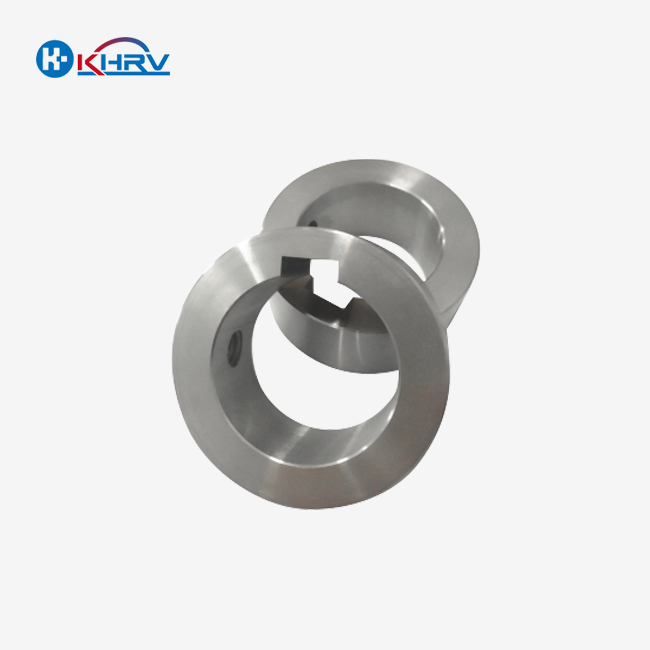
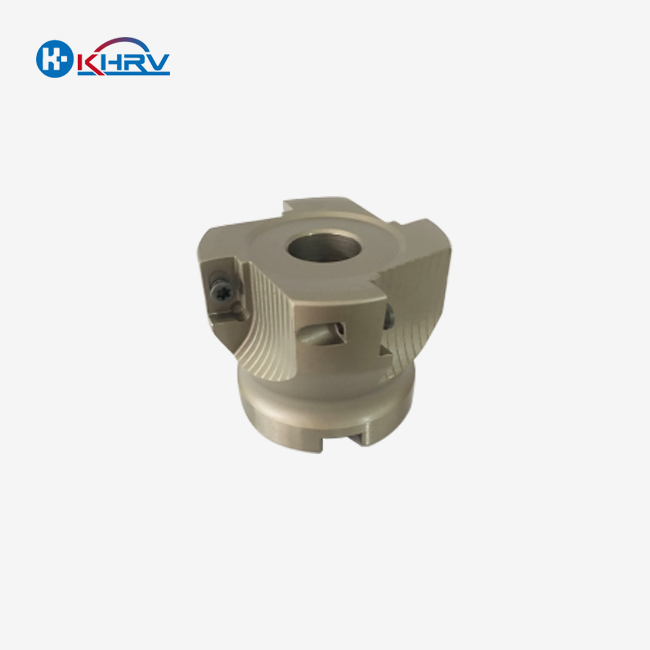
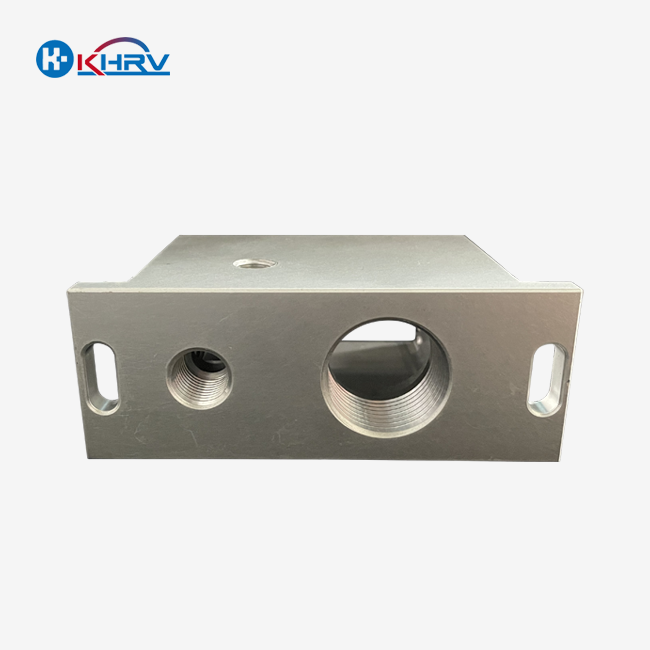
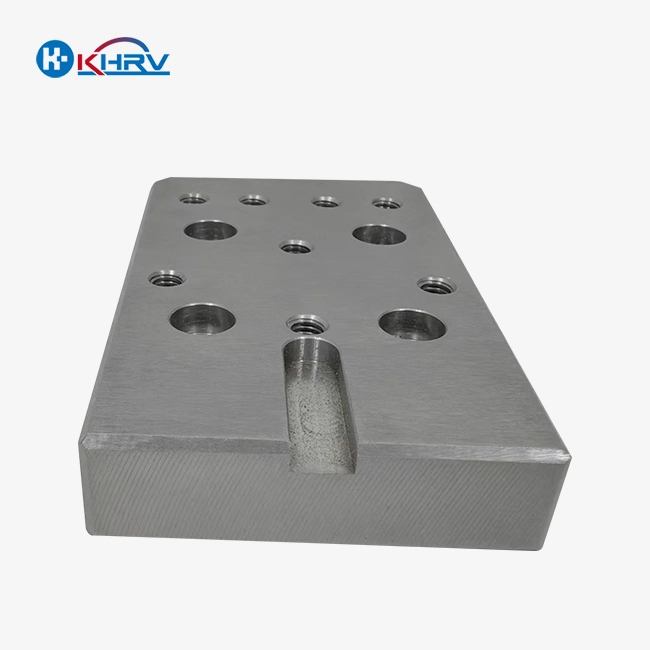
There is a big change in the energy business toward better power sources that last longer. A new technology called hydrogen fuel cells looks very hopeful. At the center of this new idea is the important function that CNC components play in making hydrogen fuel cell stacks. These precisely made pieces are very important for making fuel cells more efficient, long-lasting, and powerful. They're useful in a lot of places, like cars and stationary power plants. CNC machining is the most accurate and flexible way to make complicated fuel cell components. The intricate geometries, tight tolerances, and material-specific requirements of fuel cell stacks demand a level of precision that only advanced CNC technology can consistently deliver. We are going to learn more about hydrogen fuel cells and how CNC-machined components are changing how clean energy is made, problems are solved, and the future is planned.
Material Versatility
CNC machining accommodates a wide range of materials suitable for fuel cell components, including stainless steel, titanium, graphite, and coated aluminum. Different materials are different in how much they weigh, how well they carry electricity, and how well they fight rusting. Manufacturers may make fuel cell stacks that are perfect for certain uses by being able to deal with a wide range of materials. As long as they keep prices low and work toward being efficient, they can do this.
Surface Finish and Roughness Control
The surface quality of fuel cell components, particularly bipolar plates, significantly impacts electrochemical performance and long-term durability. CNC machining enables precise control over surface roughness, allowing manufacturers to achieve the optimal balance between reactant flow and electrical conductivity for CNC components. To get the most power out of a fuel cell and keep it from breaking down over time, you need this level of control.
CNC manufacturing considerations for hydrogen fuel-cell stack parts: precision, material, sealing
When it comes to manufacturing components for hydrogen fuel-cell stacks, several critical factors must be considered to ensure optimal performance and reliability. Let's look more closely at the most important things to think about while CNC producing these important parts:
Precision Requirements
The precision demands for fuel cell components are exceptionally high, often pushing the boundaries of CNC machining capabilities. Some critical aspects include:
-
Channel Depth Uniformity: Maintaining consistent channel depths across bipolar plates is crucial for even reactant distribution. Variations as small as a few micrometers can impact fuel cell efficiency.
-
Flatness and Parallelism: Ensuring the overall flatness of bipolar plates and end plates is essential for proper stack compression and sealing. Typical tolerances for flatness can be as tight as ±0.02mm over large surface areas.
-
Feature Alignment: Precise alignment of gas inlet/outlet ports, cooling channels, and manifolds is critical for proper stack assembly and function.
Material Selection and Machining Considerations
The choice of material for fuel cell components significantly influences both performance and manufacturability. Common materials and their considerations include:
-
Stainless Steel 316L: Offers excellent corrosion resistance and good machinability. However, its relatively high density may impact overall stack weight.
-
Titanium: Provides a superior strength-to-weight ratio and corrosion resistance, but requires specialized cutting tools and machining parameters due to its toughness.
-
Graphite: Offers low density and high conductivity but presents challenges in achieving fine surface finishes and maintaining edge integrity during machining.
-
Coated Aluminum: Balances weight and cost considerations but requires careful handling to prevent damage to protective coatings during machining.
Sealing and Interface Considerations
Effective sealing is paramount in fuel cell stacks to prevent gas leakage and ensure optimal performance. CNC components manufacturing must address several sealing-related factors:
-
Gasket Groove Precision: Accurate machining of gasket grooves with tight dimensional control is crucial for proper sealing. Typical tolerances for groove depth and width can be as tight as ±0.025mm.
-
Surface Finish for Sealing Areas: To work well, gaskets need to have the correct amount of roughness on the surfaces that seal them. A balance must be struck between a smooth finish for good sealing and sufficient roughness for gasket adhesion.
-
Edge Quality: Sharp, burr-free edges are critical in areas where gaskets interface with the plates to prevent cutting or damaging the sealing materials.
Deploying CNC machining for energy-sector innovation: hydrogen fuel-cell applications
Using CNC machining in hydrogen fuel-cell applications is a big step forward for innovation in the energy industry. With this cutting-edge method of production, fuel cell parts can be made that are reliable, work well, and don't cost a lot of money. Because of this, more areas are turning to hydrogen as a long-term energy source. Let's look at how CNC machining is being used in various fuel cell applications:
Automotive Fuel Cell Systems
CNC machining is very important in the automobile industry for making and developing fuel cell stacks for hydrogen-powered cars. The technology enables:
-
Lightweight Bipolar Plate Production: Using materials like titanium or coated aluminum, CNC machines can produce thin, lightweight bipolar plates with complex flow field designs, crucial for maximizing power density in space-constrained vehicle applications.
-
Rapid Prototyping and Iteration: CNC machining speeds up the development cycle of fuel cell powertrains by letting automotive engineers swiftly create and test multiple bipolar plate configurations.
-
Scalable Manufacturing: As demand for fuel cell vehicles grows, CNC machining offers a scalable solution for producing high volumes of consistent, high-quality components.
Stationary Power Generation
For stationary fuel cell systems used in backup power or distributed energy generation, CNC machining enables:
-
Large-Scale Component Production: CNC machines can efficiently produce larger bipolar plates and end plates required for high-power stationary systems, maintaining precision across larger surface areas.
-
Material Optimization: By precisely controlling material removal, CNC machining helps optimize the use of expensive materials like graphite, reducing waste and overall system costs.
-
Customization for Specific Applications: CNC technology allows for easy customization of fuel cell stack components to meet the specific power output and size requirements of various stationary applications.
Portable and Auxiliary Power Units
In the realm of portable and auxiliary power units, CNC machining facilitates:
-
Miniaturization: Precise CNC machining techniques enable the production of miniaturized fuel cell components, crucial for portable applications where size and weight are critical factors.
-
Complex Cooling Channel Integration: For compact designs, CNC machining allows for the integration of intricate cooling channels within bipolar plates, enhancing thermal management in space-constrained systems.
-
Multi-Material Solutions: CNC technology can work with a variety of materials, allowing engineers to combine different materials in a single component for optimal performance in portable units.
Maritime and Aerospace Applications
In the maritime and aerospace sectors, where reliability and performance of CNC components under extreme conditions are paramount, CNC machining contributes to:
-
High-Performance Material Utilization: CNC machines can effectively work with specialized alloys and composites that offer superior corrosion resistance and strength-to-weight ratios, critical for marine and aviation environments.
-
Precision Sealing Solutions: The ability to machine extremely flat and parallel surfaces ensures excellent sealing in fuel cell stacks, crucial for maintaining performance in high-altitude or underwater applications.
-
Complex System Integration: CNC machining enables the production of fuel cell components that can be seamlessly integrated into existing maritime or aerospace power systems, facilitating the adoption of hydrogen technology in these sectors.
As the hydrogen economy grows, CNC machining stays at the top of the list for making fuel cells that are efficient, scalable, and high-performance for a wide range of uses. CNC components are pushing the energy industry to come up with new ideas because they are so precise, flexible, and able to work with a wide range of materials. Hydrogen fuel cells will power a better and more sustainable future because of this.
Conclusion
CNC-machined parts are very important for the progress of hydrogen fuel cell technology. As we've explored, the precision, versatility, and efficiency of CNC machining are crucial in producing the complex parts that make up fuel cell stacks. The whole energy business is affected by this way of making things, from cars to power plants that stay in one place. Now that hybrid cars are the norm, people are more likely to think of fresh ideas.
Companies that want to remain ahead of the curve in this energy revolution need to work with CNC machining suppliers that have a lot of expertise. Wuxi Kaihan Technology Co., Ltd. stands ready to support your fuel cell component needs with our state-of-the-art CNC machining capabilities, extensive industry experience, and commitment to quality.
Are you developing hydrogen fuel cell technology and need precision-engineered components? Wuxi Kaihan Technology Co., Ltd. works with CNC machining that is very precise for the energy business. With our advanced equipment, including 10 CNC machining centers and 6 CNC lathes, we can deliver the complex parts your fuel cell stacks require. Our ISO9001:2005-certified quality management system makes sure that we always produce high-quality work, and our low prices give us a big edge over the competition.
Whether you're a large enterprise building production lines for new energy equipment or a medium-sized company innovating in the robotics or medical device manufacturing space, we have the expertise to meet your needs. Our experts and techs are ready to help you with your work. They can help you get better at what you do and give you different outcomes that you can use in different ways.
FAQ
1. What materials are commonly used for CNC-machined fuel cell components?
Stainless steel 316L, titanium, graphite, and coated aluminum are all common materials. Each one has its own set of useful features that make it good for diverse fuel cell uses and needs.
2. How precise can CNC machining be for fuel cell components?
CNC machining can get tolerances as fine as ±0.005mm. This is very important for making the complicated flow field patterns and keeping the channel depths in bipolar plates the same.
3. Why is surface finish important in fuel cell components?
The polish on the outside of fuel cells affects both how long they last and how well they work electrochemically. For the best fuel cell performance, the proper amount of smoothness for sealing and roughness for reactant flow is very important.
4. How does CNC machining contribute to fuel cell stack innovation?
CNC machining enables rapid prototyping, complex geometry creation, and precise material control, allowing engineers to quickly iterate designs and optimize fuel cell performance across various applications.
Accelerate Your Fuel Cell Innovation with Precision CNC Components | KHRV
Ready to take your hydrogen fuel cell technology to the next level? Wuxi Kaihan Technology Co., Ltd. is your partner in precision CNC machining for the energy sector. We are particularly suited to help you with your fuel cell innovation requirements because of our sophisticated manufacturing skills and our experience making important CNC components for artificial intelligence technology and automated precision machines.
Don't let component quality be the bottleneck in your fuel cell development. Contact us today at service@kaihancnc.com to discuss how our CNC machining services can accelerate your project timelines, improve product performance, and reduce overall costs. With Wuxi Kaihan, you're not just getting a supplier – you're gaining a collaborative partner committed to driving the future of clean energy technology.
References
1. Zhang, J., et al. (2021). "Advanced manufacturing techniques for hydrogen fuel cell components: A comprehensive review." International Journal of Hydrogen Energy, 46(45), 23123-23157.
2. Lee, S.Y., et al. (2020). "Precision machining of bipolar plates for proton exchange membrane fuel cells: A review." Journal of Manufacturing Processes, 56, 373-391.
3. Wang, X., et al. (2019). "CNC machining of graphite bipolar plates for fuel cells: Challenges and opportunities." Journal of Cleaner Production, 232, 1222-1239.
4. Kim, J., et al. (2022). "Advancements in CNC-machined metallic bipolar plates for automotive fuel cells." International Journal of Precision Engineering and Manufacturing-Green Technology, 9(1), 213-234.
5. Chen, Y., et al. (2021). "Surface finish effects on the performance of CNC-machined fuel cell components: A comprehensive analysis." Applied Energy, 283, 116344.
6. Mehta, V., & Cooper, J.S. (2020). "Review and analysis of PEM fuel cell design and manufacturing." Journal of Power Sources, 114(1), 32-53.