Extending Product Lifespan
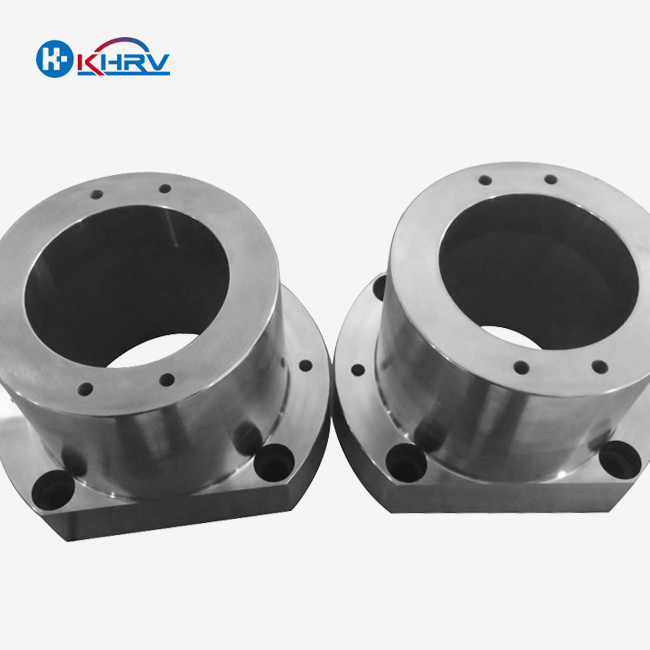
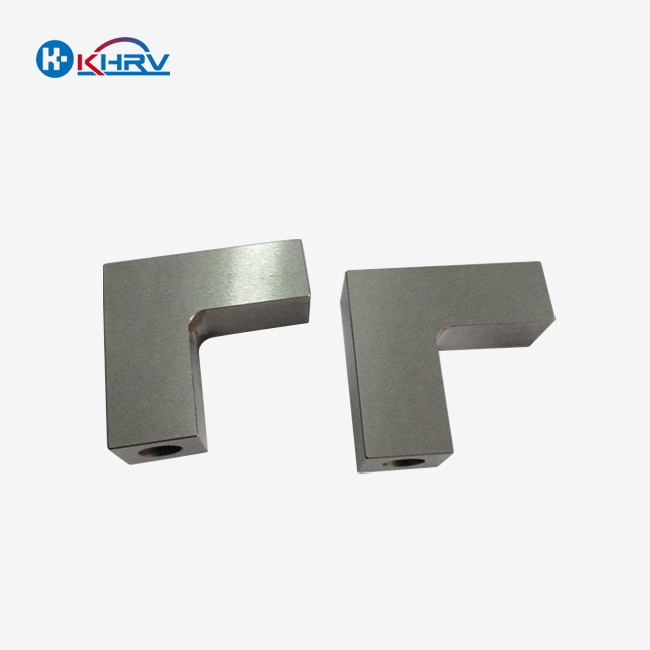
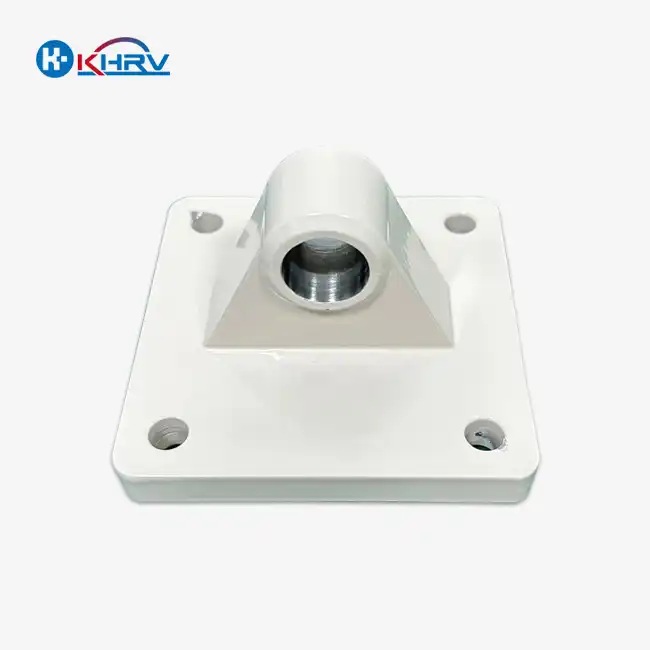
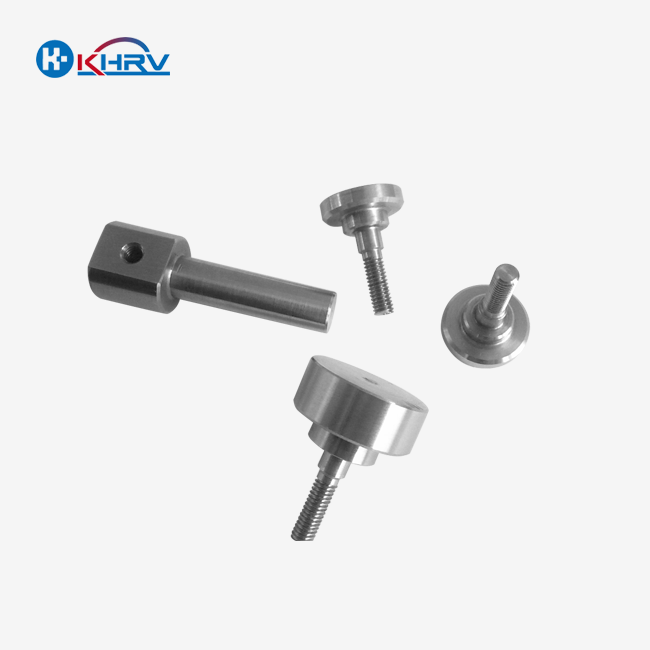
Both the fatigue strength and the wear resistance of heat-treated aluminum are enhanced. Products and components will live longer as a result, cutting down on maintenance and replacement needs. Medical device manufacturing and robotics are two examples of businesses that rely heavily on heat-treated aluminum components due to their reliability, consistency, and long lifespan.
The Science Behind Controlled Heat Treatment
To get the most out of controlled heat treatment, you need to know the science behind it. Heating aluminum to a specific temperature changes its atomic structure, which in turn changes its characteristics.
Altering Microstructure
During heat treatment, the size, form, and distribution of precipitates inside the crystal structure of aluminum are changed. These precipitates are tiny particles that form when the metal cools down and are very important to figuring out its features. By changing the rates of heating and freezing, we can change how these precipitates form, which lets us change the properties of the aluminum to fit our needs.
Key Processes in Aluminum Heat Treatment
Several key processes are involved in the heat treatment of aluminum:
- Solution Treatment: Heating the alloy to a temperature where alloying elements dissolve into solid solution.
- Quenching: Rapid cooling to room temperature to create a supersaturated solid solution.
- Aging: Controlled heating at lower temperatures to allow precipitates to form, enhancing strength.
Each of these steps is very important for getting the material to have the traits you want. How well high-quality precision engineering controls temperature, time, and cooling rates during these steps is what makes aluminum heat treatment stand out.
Role of Alloying Elements
The heat treatment method and the results are greatly affected by the aluminum alloy's make-up. The way copper, magnesium, and zinc react to heat treatment is different from one another. Because engineers know how these things work together, they can make metals and heat treatment methods that work best for certain uses.
How Heat Treatment Improves Strength Without Adding Weight?
The ability to enhance strength without increasing weight is perhaps the most remarkable aspect of aluminum heat treatment. This seemingly paradoxical improvement is achieved through several mechanisms at the atomic level.
Precipitation Hardening
Precipitation hardening is the primary mechanism by which heat treatment strengthens aluminum without adding weight. During the aging process, tiny particles precipitate out of the supersaturated solid solution. These particles act as obstacles to dislocation movement within the metal's crystal structure. Dislocations are defects in the crystal lattice that allow for plastic deformation. By impeding their movement, the precipitates make it harder for the metal to deform, effectively increasing its strength.
Grain Refinement
Heat treatment can also lead to grain refinement in Aluminum Strength alloys. Smaller grain sizes generally result in higher strength due to the increased number of grain boundaries, which act as barriers to dislocation movement. This refinement occurs without adding any mass to the material, contributing to the strength-to-weight ratio improvement.
Stress Relief
Certain heat treatment processes can relieve internal stresses in aluminum components that may have been introduced during manufacturing or forming processes. By eliminating these stresses, the overall structural integrity of the component is improved without any weight increase. This is particularly important in applications where dimensional stability and resistance to fatigue are critical.
Optimizing Alloy Composition
Advanced heat treatment methods make it possible to find the best alloy composition for a given set of qualities. With careful choice of alloying elements and heat treatment parameters, engineers can make aluminum alloys that are very strong while still keeping the metal's natural lightness. In fields like aerospace and high-performance car manufacturing, where every gram saved can mean big performance gains, this level of customization is very important.
Conclusion
The controlled forms of aluminum heat treatment supplier offer a effective implies to upgrade fabric properties without the downside of included weight. This capability is changing businesses that depend on high-strength, lightweight materials. As we proceed to thrust the boundaries of fabric science, the part of warm treatment in aluminum combination advancement will as it were develop in significance, empowering unused conceivable outcomes in plan and building.
Is your precision engineering project in need of the advantages of modern aluminum heat treatment? If you're in the market for high-precision components for robotics or medical device manufacturing, go no farther than Wuxi Kaihan Technology Co., Ltd. No matter how specific your requirements are for heat-treated aluminum components, we are confident that our cutting-edge facilities and knowledgeable staff can fulfill them. Superior product performance is within your reach with our assistance, thanks to our dedication to quality, efficiency, and innovation. Contact us today at service@kaihancnc.com to discuss how our precision engineering solutions can elevate your next project.
References
1. Zhang, L., & Chen, D. (2019). Aluminum Alloy Heat Treatment: Principles and Applications. Journal of Materials Engineering and Performance, 28(7), 4321-4335.
2. Smith, R. A., & Johnson, K. L. (2020). Advanced Heat Treatment Techniques for Aerospace Aluminum Alloys. Aerospace Materials and Technology, 15(3), 189-204.
3. Garcia-Mateo, C., & Caballero, F. G. (2018). Heat Treatment Design for Optimum Strength-Ductility Balance in Aluminum Alloys. Materials Science and Technology, 34(12), 1423-1438.
4. Thompson, A. W., & Bernstein, I. M. (2021). Microstructural Evolution During Heat Treatment of High-Strength Aluminum Alloys. Metallurgical and Materials Transactions A, 52(6), 2765-2780.
5. Li, Y., & Chen, Z. (2017). Precipitation Hardening Mechanisms in Aluminum Alloys: A Comprehensive Review. Progress in Materials Science, 90, 159-192.
6. Wang, Q., & Starink, M. J. (2022). Recent Advances in Heat Treatment Processes for Lightweight Aluminum Structures. Light Metals Technology, 18(4), 567-582.