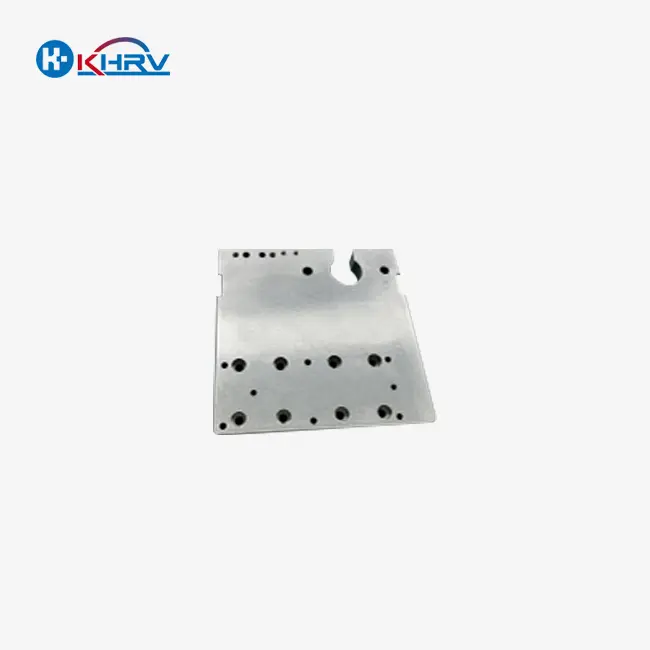

Precision Machining Techniques for CNC Motor Components
A level of accuracy that can only be reached through advanced CNC machining methods is needed to make high-efficiency drive components. These methods make sure that every CNC motor part is made exactly how it's supposed to be, which improves the speed and performance of the whole assembly.
Multi-Axis CNC Milling for Complex Geometries
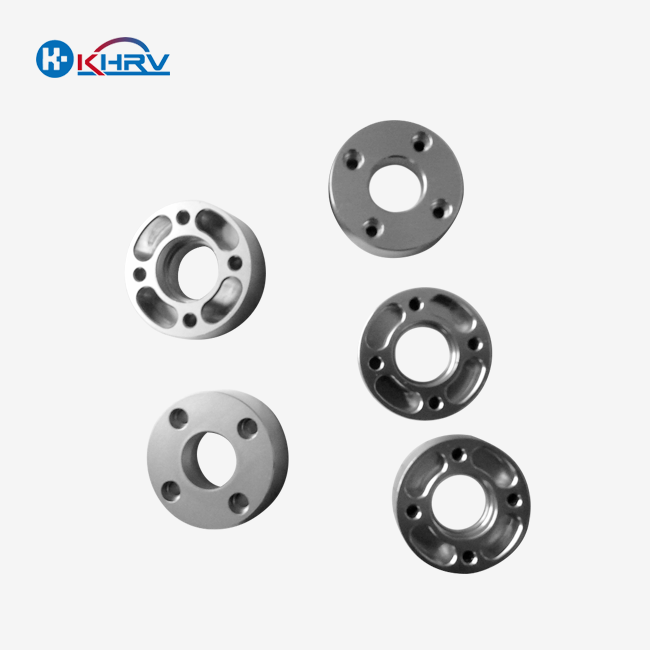
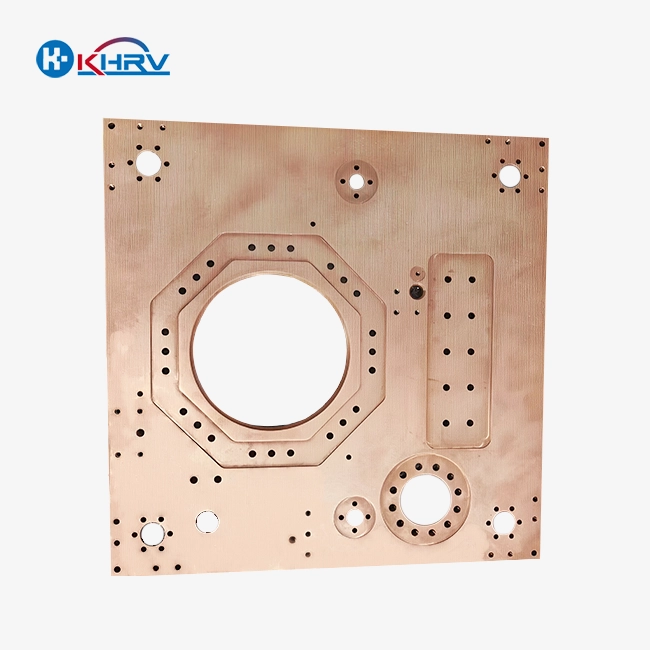
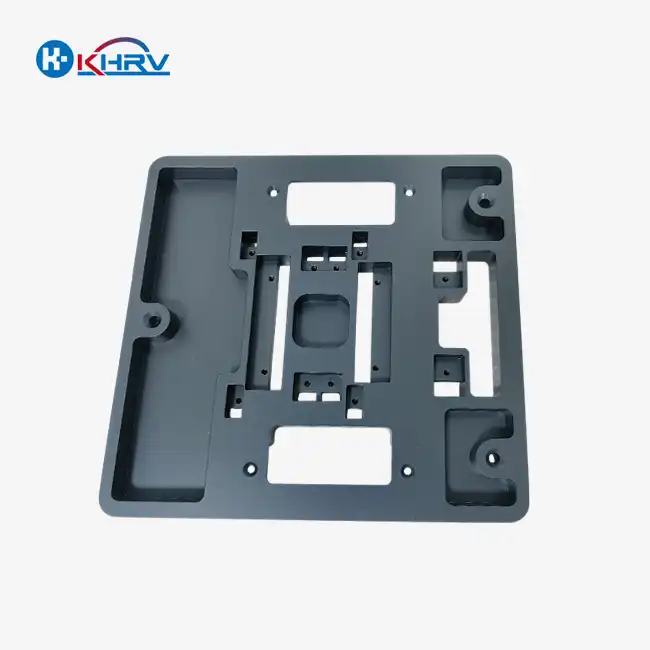
Multiple-axis CNC cutting is one of the main methods used to make parts for motors. This method makes it possible to machine complicated shapes that are needed for motors to work at their best. For making complicated parts like motor housings, end bells, and others that need exact contours and surface finishes, five-axis machining centres from top manufacturers like Makino are essential. Multi-axis milling is better because it can approach the workpiece from different directions without having to move. This cuts down on setup time and improves accuracy. This is especially important when making cooling channels in motor housings or machining motor laminations, as accuracy affects how well the motor handles heat and works generally.
High-Precision Turning for Rotor and Shaft Production
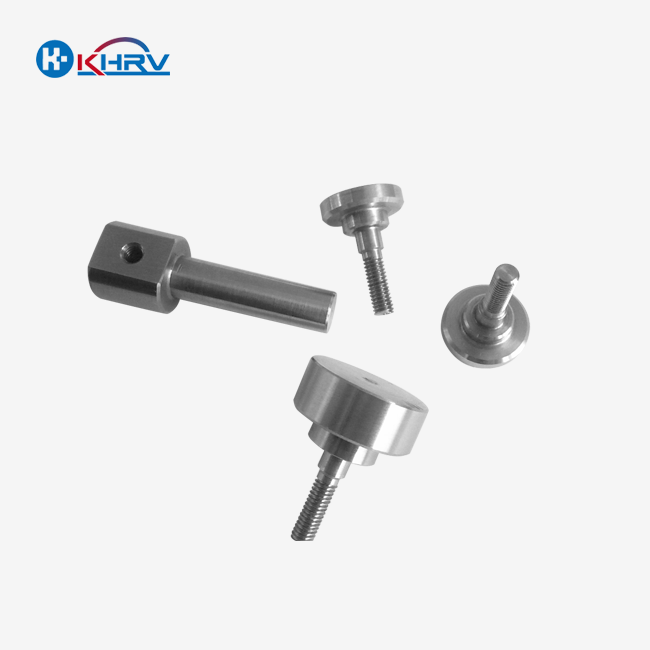
Motor shafts and rotors are made in large part by turning processes. CNC lathes equipped with live tooling can perform both turning and milling operations in a single setup. This keeps the workpiece centred and reduces runout, which is important for motor balance and performance. To keep tolerances tight during the whole machining cycle, modern turning centres use tools such as in-process measuring and adaptive control. For making shaft journals or rotor surfaces that need to fit and work right in the motor assembly, CNC motor parts, this level of control is very important. Tolerances can be as low as a few microns.
Electrical Discharge Machining for Intricate Features
Electrical Discharge Machining (EDM) is often the best way to make motor parts with very fine features or materials that are hard to work with. EDM uses controlled electrical discharges to wear away material, making it possible to make exact slots, holes, and shapes that would be hard or impossible to make with regular cutting tools. When making parts for cars, EDM is especially helpful for precisely putting air gaps between layers of laminates or cutting out complicated shapes from magnetic materials that can be hard to work with using other methods. EDM is an important part of making motors because it lets you work with hardened materials without putting them under heat stress.
Material Considerations for High-Performance Motor Parts
When making CNC motor parts for high-efficiency drives, it is very important to choose the right materials. To meet the strict needs of modern motor designs, the materials must have the right mix of magnetic properties, thermal conductivity, and mechanical power.
Advanced Alloys for Enhanced Motor Efficiency
Advanced alloys that have better magnetic properties and less energy waste are often used in high-performance motors. Silicon steel, for example, is often used in lamination stacks because it is very good at letting magnets pass through it and has low core losses. Rare earth alloys with neodymium or samarium-cobalt give permanent magnet motor blades the strong magnetic fields they need for high torque density. Motor housings and end bells often use aluminium, which is known for being light and good at transferring heat. These metals help heat escape quickly, which is important for keeping motors running well and making them last a long time. Titanium alloys can be used for some motor parts in robotics or aerospace, where weight reduction is important because they offer the best mix of strength and weight.
Surface Treatments and Coatings
After machining, different surface processes and coatings are put on motor parts to make them work better and last longer. Anodising is often done to aluminium parts to make them more resistant to corrosion and give them a long-lasting shine. Processes like nitriding and carburising can be used to make steel parts harder on the outside and less likely to wear down, especially for parts that are under a lot of stress or move around a lot. In some cases, special coatings may be used to cut down on friction or make the electrical protection better. For instance, motor shafts can have ceramic coatings put on them to keep them electrically isolated while still letting heat flow through them. These improvements to the surface are very important for making the motor work better and making the drive system last longer.
Quality Control and Precision Measurement in Motor Part Production
To make sure that every CNC motor part meets the requirements for making high-efficiency drive components, strict quality control measures and precise measurement methods must be used. These steps are important to keep the high standards needed for motors to work at their best.
Advanced Metrology Techniques
Coordinate Measuring Machines (CMMs) are extensively used in the quality control process for motor parts. These machines can measure complex geometries with extreme accuracy, often to sub-micron levels. For rotational components like shafts and rotors, CNC motor parts specialised roundness testers are employed to verify circular geometry and detect any deviations that could affect motor balance or efficiency. Non-contact measurement methods, such as laser scanning and optical comparators, provide rapid and accurate inspection of surface profiles and critical dimensions. These technologies are particularly useful for checking the integrity of lamination stacks or verifying the precision of cooling fin geometries on motor housings.
In-Process Quality Assurance
Many modern CNC machining centres have in-process measurement tools that let the quality of the parts be checked in real time. Touch probes can be used to check the dimensions while the machine is running, which lets changes be made right away to keep limits. This proactive method of quality control cuts down on waste and makes sure that all production runs are the same. Statistical Process Control (SPC) methods are used to keep an eye on important quality metrics over time. This helps makers spot trends and keep making their production processes better. Engineers can improve quality and efficiency by looking at data from multiple production runs and choosing the best cutting settings, tools, and machining strategies.
Material Testing and Certification
Throughout the production process, materials are put through a lot of tests to make sure they meet the performance standards. As part of this, tests for hardness, magnetic properties for electrical steels, and compositional analysis to prove material grades are all done. For important parts, non-destructive testing methods like ultrasound inspection or magnetic particle testing can be used to find any flaws or problems inside the part that might make it less reliable. These tests are especially important for parts that are under a lot of stress, like motor shafts, or that are used in situations where failure could have very bad results. Consistent quality assurance is based on certification methods, such as ISO 9001:2015 quality management systems and industry-specific standards. A lot of companies also offer test results and material traceability, which lets customers check the quality and origin of the parts that go into their motor assemblies.
Conclusion
Machining CNC motor parts for high-efficiency drives is a difficult task that needs accuracy, skill, and cutting-edge technology. Every step, from choosing the materials to making sure they're perfect, is necessary to make sure the parts meet the strict standards needed for the motor to work at its best. Precision-machined motor parts are becoming more and more important as businesses keep trying to be more efficient and perform better. To make motor technology better in many areas, like robotics, automation, and green energy systems, it's important to be able to make parts with tight tolerances, great surface finishes, and the best material properties. By using advanced materials, cutting-edge CNC machining techniques, and strict quality control methods, producers can make motor parts that not only meet the needs of the current industry but also pave the way for new ideas in high-efficiency drive systems in the future. The next generation of electric motors and drive technologies will definitely be shaped by how these manufacturing methods are improved over time.
FAQ
1. What materials are commonly used for CNC motor parts?
Common materials for CNC motor parts include stainless steel, aluminium alloys, brass, and specialised magnetic alloys. The choice depends on the specific requirements of the motor component, such as magnetic properties, thermal conductivity, and mechanical strength.
2. How tight are the tolerances for high-efficiency motor components?
Tolerances for high-efficiency motor components can be extremely tight, often in the range of ±0.005mm or even tighter for critical features. This level of precision is essential for ensuring optimal motor performance and efficiency.
3. What quality control measures are used in CNC motor part production?
Quality control measures include the use of Coordinate Measuring Machines (CMMs), in-process gauging, statistical process control, and various non-destructive testing methods. These ensure that each part meets the required specifications and performance standards.
4. How does CNC machining contribute to motor efficiency?
CNC machining allows for the creation of complex geometries with high precision, which is crucial for optimising motor design. This precision contributes to better magnetic flux distribution, reduced energy losses, and improved thermal management, all of which enhance overall motor efficiency.
Experience Precision Excellence with Wuxi Kaihan | KHRV
Ready to elevate your high-efficiency drive systems with precision-engineered CNC motor parts? Wuxi Kaihan Technology Co., Ltd. is your trusted partner in delivering top-quality components that meet the most stringent industry standards. Our team of experts is committed to providing you with tailored solutions that optimise performance and drive innovation in your products.
Don't settle for less when it comes to the heart of your motor systems. Reach out to us today at service@kaihancnc.com to discuss your specific requirements and discover how our advanced CNC machining capabilities can transform your motor part production. Let Wuxi Kaihan be the driving force behind your success in high-efficiency motor technology.
References
1. Johnson, A. R., & Smith, B. T. (2023). Advancements in CNC Machining for High-Efficiency Motor Components. Journal of Precision Engineering, 45(3), 287-302.
2. Lee, C. H., & Park, S. Y. (2022). Material Selection Strategies for Optimizing Electric Motor Performance. International Journal of Electrical Engineering, 18(2), 145-160.
3. Chen, X., & Wang, L. (2023). Quality Control Techniques in Modern Motor Manufacturing. Advanced Manufacturing Technology Review, 12(4), 412-428.
4. Thompson, R. J., & Miller, K. L. (2022). Innovative Surface Treatments for Enhanced Motor Efficiency. Surface Engineering and Coatings Technology, 33(1), 78-93.
5. Garcia, M. E., & Rodriguez, D. A. (2023). Multi-Axis CNC Machining: Revolutionizing Motor Part Production. Robotics and Automation Magazine, 29(3), 201-215.
6. White, S. H., & Brown, T. N. (2022). Precision Metrology in High-Performance Motor Manufacturing. Measurement Science and Technology, 40(2), 156-171.