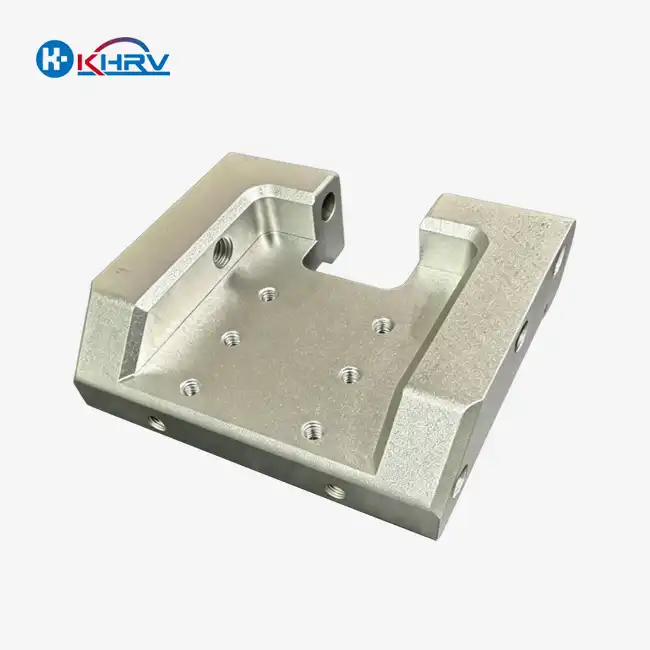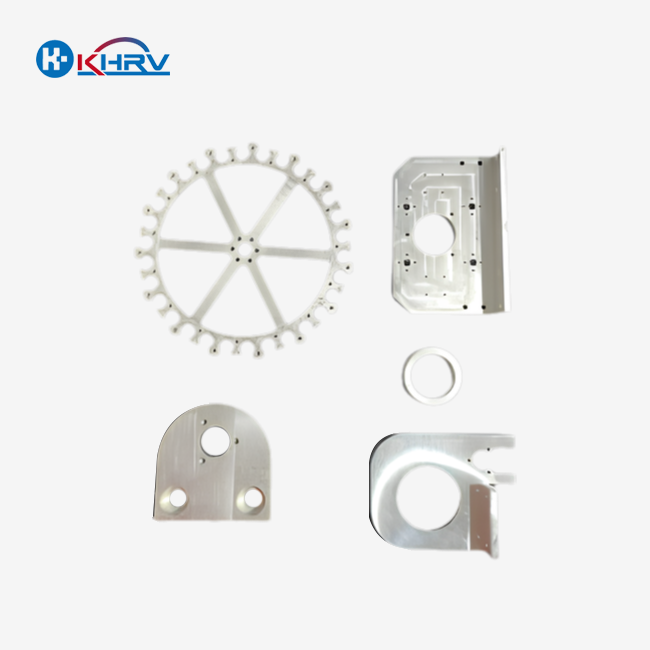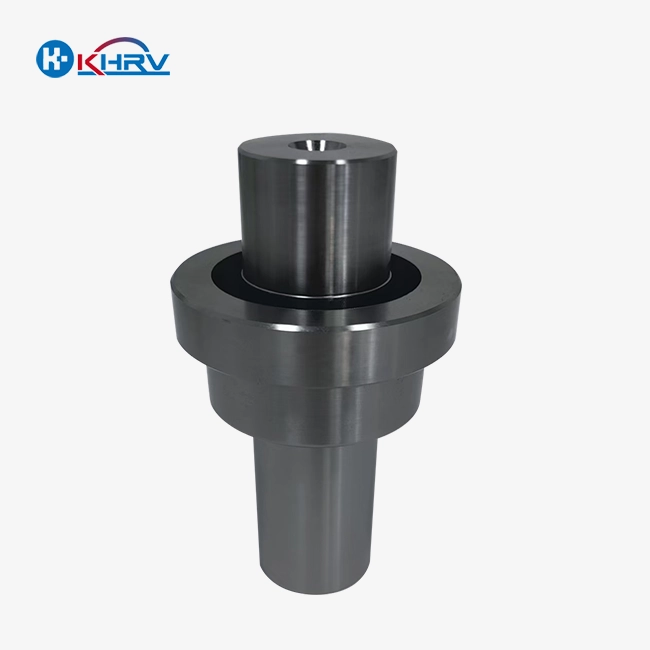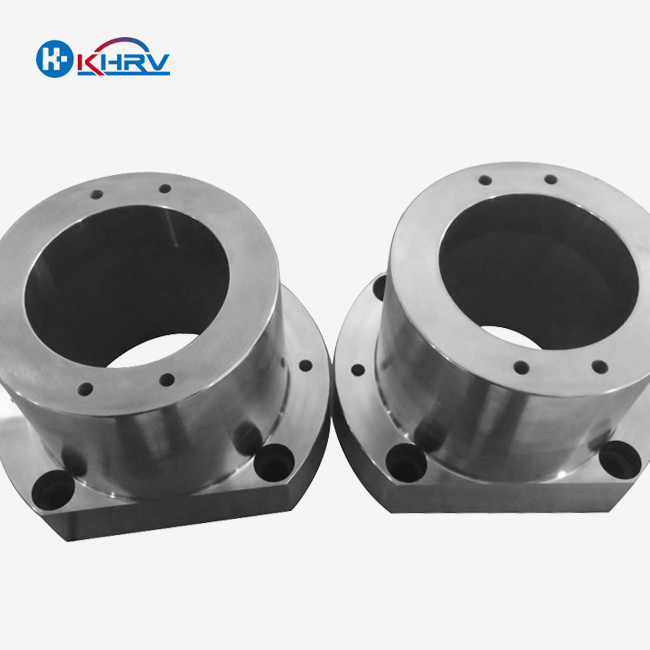
Design and Planning: The Foundation of Precision
Strong design and planning are the most important parts of creating accurate machining processes. This step is very important for getting the results you want in CNC precision cutting because it sets the tone for the whole manufacturing process.
CAD/CAM Integration: Bridging Design and Manufacturing
Computer-Aided Design (CAD) and Computer-Aided Manufacturing (CAM) tools are the building blocks of modern precision machining. How they work together is called CAD/CAM integration. With CAD, engineers can make complex 3D models with exact sizes and limits. All of the following machining operations are based on these digital blueprints. Because CAD and CAM tools work together so well, CNC precision machining, these designs can be turned into toolpaths and machine code, usually in the form of G-code, which tells the CNC machines what to do.
Material Selection: Balancing Performance and Machinability
Picking the right material is a very important choice that affects both the performance of the finished product and the process of cutting itself. When engineers choose between metals, plastics, and composite materials, they have to think about things like cost, strength, weight, and thermal qualities. When it comes to machinability, each material has its own problems and challenges, so different methods are needed to get the best results.
Tool Selection and Optimization
Choosing the right cutting tools is a complicated process that can have a big effect on the quality and speed of machining. To make sure that the tool fits the needs of each job, things like its shape, material, and finish must be carefully thought out. Advanced modeling software is often used to find the best tool paths and predict problems before they happen, which saves time and resources.
Setup and Execution: Precision in Action
After the planning stage is over, the focus moves to putting the machining process into action. At this point, the theory turns into the real, and the real test of accuracy starts.
Calibration & Fixture Systems Protocol
The CNC machine must be carefully adjusted to make sure it is accurate before any cutting can happen. This means making sure that all of the axes are lined up correctly and that the machine's moves are exactly what the program says they should be. Fixturing the item is just as important. To keep things consistent during the cutting process, the material must be placed securely and correctly.
CNC Programming and Simulation
Setting up the CNC precision machining is what makes accurate machining work. Skilled programmers take the product from CAM and turn it into machine instructions that work well and don't make mistakes. Virtual settings are often used to test these programs before they are run on real computers. This step finds and fixes any possible collisions or errors so that the machining process goes smoothly.
Multi-Axis Machining Strategies
Modern CNC machines can work on more than one axis, which lets them make complicated shapes that were either impossible or not practical to make before. For example, five-axis machining lets the tool approach the subject from almost any angle, which cuts down on the number of setups needed and improves accuracy overall. To create cutting-edge precision processes, you need to master these advanced machine techniques.
Quality Control and Continuous Improvement
Precision machining techniques are still getting better, and it's not just for making things. Quality must be maintained and improved over time through constant inspection, tracking, and improvement.
Advanced Metrology Techniques
For precision cutting to work, you need measuring tools and methods that are also very accurate. Coordinate Measuring Machines (CMMs), optical comparators, and laser scanners are some of the more modern metrology tools that are used to check the size and quality of a part's surface. These tools can find differences as little as a few microns, making sure that parts meet the strictest standards.
Statistical Process Control (SPC)
When makers use SPC, they can keep an eye on and control quality in real time. Engineers can find trends, predict problems, and make proactive changes to the machining process by collecting and analyzing data from current production. This data-driven method is very important for keeping things consistent in production settings with a lot of work.
Iterative Process Refinement
Precision machining methods are always getting better as they are developed. Every production run gives useful information and data that can be used to make the process even better. This could mean changing the cutting settings, CNC precision machining, the way the tools are used, or even the way the parts are designed so they are easier to make. In conclusion, creating precise machine processes is a complicated job that needs a mix of cutting-edge technology, expert knowledge, and a dedication to always getting better. Every step of the process, from the first CAD drawing to the final quality check, is very important for getting the high levels of accuracy and repeatability that modern manufacturing needs.
FAQ
1. What is the role of CAD/CAM in precision machining?
CAD/CAM software is essential in precision machining as it allows for the creation of detailed 3D models and the translation of these designs into machine instructions. This integration ensures accuracy from design to production, minimizing errors and optimizing the machining process.
2. How does material selection impact the precision machining process?
Material selection significantly influences the machining process, affecting tool choice, cutting parameters, and achievable tolerances. Different materials have varying properties that determine their machinability, which in turn impacts the overall precision and efficiency of the manufacturing process.
3. What are the advantages of multi-axis CNC machining?
Multi-axis CNC precision machining, particularly 5-axis machining, offers several advantages, including the ability to create complex geometries, reduce setup times, improve surface finishes, and increase overall accuracy. It allows for parts to be machined in a single setup, reducing the potential for errors associated with multiple setups.
4. How is quality control maintained in precision machining processes?
Quality control in precision machining is maintained through a combination of advanced metrology techniques, statistical process control, and continuous monitoring. This includes using high-precision measuring equipment, implementing real-time data analysis, and applying iterative improvements to the machining process based on production feedback.
Elevate Your Manufacturing with Precision Excellence | KHRV
Ready to transform your manufacturing capabilities with world-class precision machining? Wuxi Kaihan Technology Co., Ltd. is your partner in achieving unparalleled accuracy and efficiency. Our expertise in CNC precision machining, coupled with our state-of-the-art equipment and ISO9001:2005 certified processes, ensures that your components meet the most exacting standards. From new energy production equipment to advanced robotics and medical devices, we have the skills and technology to meet your specific industry needs. Take advantage of our quick response times, flexible production capabilities, and cost-effective solutions that leverage China's supply chain advantages. Don't let precision limitations hold back your innovation. Contact us today at service@kaihancnc.com to discuss your project requirements and discover how Wuxi Kaihan can elevate your manufacturing to new heights of precision and quality. Let's build the future of precision together!
References
1. Smith, J. (2022). "Advanced Techniques in CNC Precision Machining". Journal of Manufacturing Technology, 45(3), 178-195.
2. Brown, A. et al. (2021). "Material Selection Strategies for High-Precision Components". International Journal of Advanced Manufacturing Technology, 112(7), 2145-2160.
3. Lee, K. (2023). "Quality Control Methods in Modern Precision Machining". Quality Engineering, 35(2), 89-104.
4. Zhang, Y. and Wang, L. (2022). "Multi-Axis CNC Machining: Principles and Applications". Precision Engineering, 73, 45-62.
5. Davidson, M. (2021). "CAD/CAM Integration in Precision Manufacturing". Computer-Aided Design and Applications, 18(4), 721-735.
6. Patel, R. (2023). "Advancements in Metrology for High-Precision Manufacturing". Measurement Science and Technology, 34(5), 055007.