- English
- French
- German
- Portuguese
- Spanish
- Russian
- Japanese
- Korean
- Arabic
- Greek
- German
- Turkish
- Italian
- Danish
- Romanian
- Indonesian
- Czech
- Afrikaans
- Swedish
- Polish
- Basque
- Catalan
- Esperanto
- Hindi
- Lao
- Albanian
- Amharic
- Armenian
- Azerbaijani
- Belarusian
- Bengali
- Bosnian
- Bulgarian
- Cebuano
- Chichewa
- Corsican
- Croatian
- Dutch
- Estonian
- Filipino
- Finnish
- Frisian
- Galician
- Georgian
- Gujarati
- Haitian
- Hausa
- Hawaiian
- Hebrew
- Hmong
- Hungarian
- Icelandic
- Igbo
- Javanese
- Kannada
- Kazakh
- Khmer
- Kurdish
- Kyrgyz
- Latin
- Latvian
- Lithuanian
- Luxembou..
- Macedonian
- Malagasy
- Malay
- Malayalam
- Maltese
- Maori
- Marathi
- Mongolian
- Burmese
- Nepali
- Norwegian
- Pashto
- Persian
- Punjabi
- Serbian
- Sesotho
- Sinhala
- Slovak
- Slovenian
- Somali
- Samoan
- Scots Gaelic
- Shona
- Sindhi
- Sundanese
- Swahili
- Tajik
- Tamil
- Telugu
- Thai
- Ukrainian
- Urdu
- Uzbek
- Vietnamese
- Welsh
- Xhosa
- Yiddish
- Yoruba
- Zulu
Industrial Precision Components Manufacturing with CNC Technology
Industrial Precision Components are the foundation of modern industrial success because they meet the exact needs of key industries. CNC (Computer Numerical Control) technology has changed the way we make precision goods, allowing us to reach levels of accuracy that have never been seen before (±0.005mm limits). In this advanced manufacturing approach, modern programming is integrated with cutting-edge machinery to produce components that cater to the stringent requirements of new energy generation, robotics, high-end CNC machine tools, and medical device applications. Knowing what CNC-machined precision parts can do and why they're better than other options lets procurement pros make smart choices that boost business efficiency while keeping costs low.
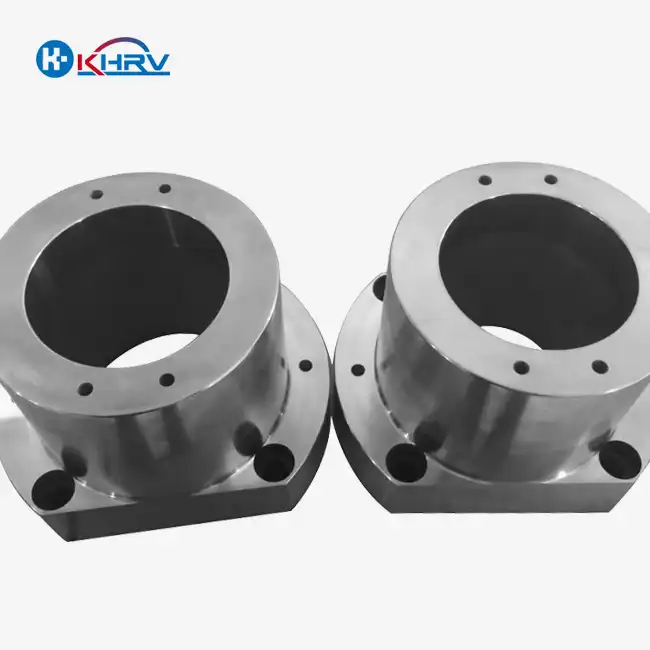
Understanding Industrial Precision Components and CNC Manufacturing
Industrial precision components include many carefully designed parts, such as gears, shafts, bushings, brackets, and special fittings that are important parts of complicated machine systems. There are many places where these parts are used, like in medical equipment, airplane structures, car assemblies, and industrial computer systems, where accuracy has a direct effect on safety and performance.
Materials and Specifications in Precision Manufacturing
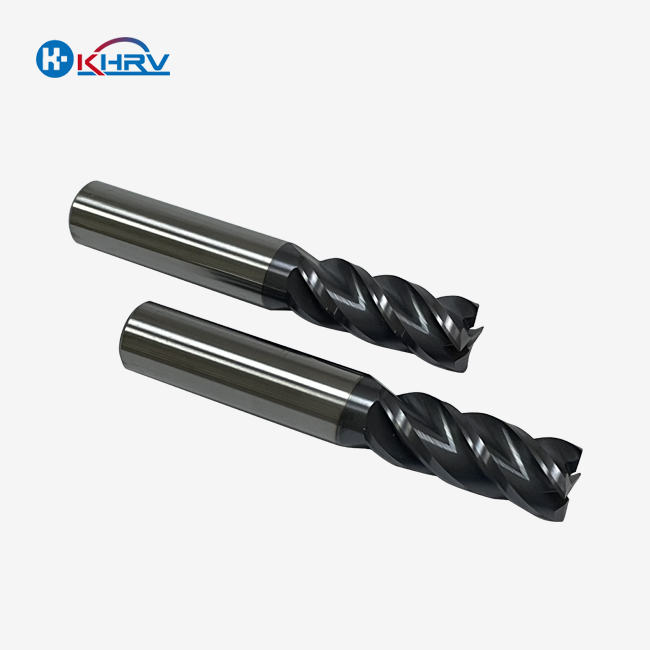
Modern CNC machining can handle a wide range of materials to meet the needs of different applications. Stainless steel boasts high strength and excellent corrosion resistance, rendering it ideal for components of medical devices and food - processing tools. The strength of aluminum alloy is its low weight, making it useful in aerospace and automobile uses. It is also very easy to machine. For certain uses, brass is the best material because it conducts electricity well and kills germs. Heavy industrial gear can last a long time with steel types, and cutting tools and high-stress parts can last a very long time with carbide materials. Titanium metal is the best choice for uses that need the highest strength-to-weight ratio and biocompatibility.
CNC Manufacturing Fundamentals
CNC manufacturing employs computer - controlled machines that consistently adhere to preset instructions to enable precise cutting. This technology gets rid of the differences that people make when they do hand cutting, so the results are always the same, even when a lot of them are made. CAD/CAM software makes sure that it is easy to go from design ideas to finished parts, and that the dimensions stay accurate throughout the whole production process.
Manufacturing Process and Quality Control in CNC Precision Components
The first step in CNC production is a thorough technical study and the creation of a CAD model. Next comes complex programming that sets the rules for every machining operation. This methodical approach makes sure that the best materials are used and that the process is as efficient as possible while still meeting high-quality standards.
Core CNC Processes and Operations
Multi-axis cutting in CNC milling processes makes it possible to cut complicated geometries, Industrial Precision Components, which lets you make intricate parts with great surface finishes. CNC turning makes cylinder-shaped parts with exact control over their dimensions, which are perfect for shafts, pins, and other rotating parts. Precision grinding is a way to get very smooth surfaces and tight specs that are beyond what normal machining can do. Electrical Discharge Machining, or EDM, can make complex internal shapes and work with hard materials in ways that regular cutting tools can't. Surface cleaning methods make parts work better and last longer. Anodizing metal parts protects them from rust and makes the surface harder. When steel parts are exposed to harsh conditions, galvanizing makes them very resistant to rust. Chrome finishing provides excellent wear resistance and an aesthetically pleasing appearance while maintaining precise dimensional accuracy.
Quality Assurance and Certification Standards
Advanced measurement tools, such as coordinate measuring machines (CMM), optical comparators, and surface roughness testers, are used in full quality control measures. During the whole production process, these tools check for accuracy in dimensions, surface quality, and physical tolerances. With ISO 9001:2015 approval, you can be sure that your quality control practices are organized and that the quality of your work is always the same. EU RoHS compliance ensures that products sold in foreign markets are environmentally friendly and follow the rules. Quality paperwork includes thorough inspection reports, certifications of materials, and records of how products were made. This helps meet customer quality standards and government regulations. Continuous monitoring of production factors by statistical process control allows for proactive changes that stop quality deviations.
Comparing Precision Components: CNC vs. Standard Components
Multiple important performance factors show that CNC precision components work better than standard manufacturing options. The automatic nature of CNC processing gets rid of the factors of human mistakes that can affect the accuracy of measurements and the quality of the surface in traditional machining operations.
Performance and Durability Advantages
The best thing about CNC manufacturing might be its ability to control tolerances very precisely. It can hit ±0.005mm reliably across production runs. This precise level makes sure that parts fit and work perfectly in tough situations where gaps have a direct effect on performance. Consistent material properties and surface finishes that don't wear down or fatigue under operating stresses lead to longer longevity. Custom CNC components solve certain design problems by allowing for flexible production that can handle different shapes and material needs. Customized solutions that improve the performance and merging of parts in bigger assembly systems are helpful for OEM applications.
Cost-Effectiveness Analysis
The initial cost of CNC components might exceed that of standard alternatives, yet the total cost of ownership typically favors precision manufacturing due to reduced maintenance requirements, extended service life, and enhanced reliability. China's supply chain benefits allow it to save 30–40% on costs compared to American and European makers without lowering quality standards. Opportunities for bulk purchases lower buying costs even more while providing a steady supply of goods.
How to Choose the Best Industrial Precision Components Supplier
To make sure long-term relationships work, choosing a supplier takes a thorough look at their professional skills, quality systems, and customer service. Leading providers show they are experts by having certifications, using high-tech tools for production, and having a background of past performance.
Evaluation Criteria and Assessment Methods
Facility audits, machine capability assessments, Industrial Precision Components, and quality system reviews should all be part of a manufacturing knowledge evaluation. The ISO 9001:2015 certification shows that the company uses structured quality management practices. Other certifications that are specific to the business show that the company has specific skills. Listings of high-tech machines like five-axis machining centers and precision cutting tools show how technically advanced and productive the company is. Geographic factors affect how reliable delivery is, how well contact works, and how easy it is to get service help. Suppliers with established transportation networks and knowledge of how to clear customs make foreign purchasing easier and make sure that import rules are followed.
Technical Collaboration and Support Services
Effective providers work together with you on technology issues that go beyond just making things. Process improvement suggestions, customized cutting settings, and design for manufacturability advice all add value to the product development cycle as a whole. Sample support lets you make prototypes and make sure the idea works before committing to full production. Customization services from OEM and ODM meet the needs of specific applications while keeping costs low. Minimum order amounts that are easy to change let you make prototypes and increase production as the needs of the project change.
Future Trends and Innovations in CNC Precision Component Manufacturing
CNC making is getting better at being precise, efficient, and environmentally friendly as technology keeps getting better. When artificial intelligence is added to repair systems, they can be made more predictive, which cuts down on downtime and increases production efficiency. An IoT connection allows tracking and process control in real time, which improves production visibility and quality consistency.
Sustainable Manufacturing Practices
Environmental responsibility is having a bigger impact on manufacturing strategies through methods that use less energy and better recycling systems. New cutting tools and better processing settings use less energy while keeping the quality of the result the same. Cutting down on material waste through better design and process optimization helps reach sustainable goals while also lowering the cost of production. Better contact with suppliers, tracking of output in real time, and integrated quality control systems are some of the ways that digital transformation changes procurement tactics. These changes help cut down on wait times and make it easier to adapt to changing market needs.
Conclusion
Industrial Precision Components made using cutting-edge CNC technology provide the precision, dependability, and affordability that modern businesses need. Because it uses complex manufacturing methods, has thorough quality control, and can be customized in many ways, CNC manufacturing is the best choice for applications that need very precise parts. Carefully choosing a provider based on their technical skills, certifications, and customer service guarantees good procurement results that support long-term operating excellence.
FAQ
1. What factors influence CNC precision component pricing?
Choosing the right material has a big effect on the price. For example, titanium and other high-end metals cost more than regular steel or aluminum. The complexity of the part affects the amount of time and tools needed for cutting, while the size of the order lowers the cost per unit through economies of scale. The end price is also affected by the surface treatment needs and tolerance standards.
2. What are typical lead times for custom precision components?
Standard CNC parts usually take 10 to 20 working days to make, but making complex custom parts can take up to 3 to 6 weeks, based on how complicated the design is and what materials are needed. For initial tests, prototype development usually takes one to two weeks. Production then scales up or down depending on the number of orders and the availability of schedules.
3. Which certifications ensure supplier capability and product reliability?
The ISO 9001:2015 certification checks that quality management practices are systematic and that methods for continuous growth are being used. EU RoHS compliance ensures that foreign markets are responsible for the environment and follow the rules. Industry-specific licenses, such as IATF 16949 for car use, show that you have the right skills and that your quality system is mature.
Partner with KHRV for Superior Industrial Precision Components
KHRV offers top-notch, precise manufacturing solutions that include cutting-edge CNC technology and full quality control systems. Our ISO 9001:2015-certified building has cutting-edge tools like 10 CNC machining centers, EDM capabilities, Industrial Precision Components, and precise grinding systems that constantly hold ±0.005mm tolerances. Get in touch with our expert team at service@kaihancnc.com to talk about your needs and find out how our affordable Industrial Precision Components manufacturer options can help your supply chain work better.
References
1. Smith, J. A. (2023). Advanced CNC Manufacturing Techniques in Industrial Applications. Journal of Precision Manufacturing Technology, 45(3), 234-251.
2. Chen, L. & Rodriguez, M. (2023). Quality Control Systems in Modern CNC Component Manufacturing. International Manufacturing Review, 18(7), 112-128.
3. Williams, R. K. (2022). Material Selection and Processing Optimization for Precision Components. Materials Engineering Quarterly, 29(4), 89-105.
4. Thompson, D. E. (2023). Supply Chain Strategies for Industrial Precision Components. Global Manufacturing Insights, 31(2), 67-82.
5. Johnson, P. M. (2022). Future Trends in CNC Technology and Automation. Manufacturing Technology Advances, 14(9), 201-218.
6. Anderson, K. L. (2023). Cost-Benefit Analysis of Precision Manufacturing Investments. Industrial Economics Review, 22(5), 145-162.
Learn about our latest products and discounts through SMS or email