- English
- French
- German
- Portuguese
- Spanish
- Russian
- Japanese
- Korean
- Arabic
- Greek
- German
- Turkish
- Italian
- Danish
- Romanian
- Indonesian
- Czech
- Afrikaans
- Swedish
- Polish
- Basque
- Catalan
- Esperanto
- Hindi
- Lao
- Albanian
- Amharic
- Armenian
- Azerbaijani
- Belarusian
- Bengali
- Bosnian
- Bulgarian
- Cebuano
- Chichewa
- Corsican
- Croatian
- Dutch
- Estonian
- Filipino
- Finnish
- Frisian
- Galician
- Georgian
- Gujarati
- Haitian
- Hausa
- Hawaiian
- Hebrew
- Hmong
- Hungarian
- Icelandic
- Igbo
- Javanese
- Kannada
- Kazakh
- Khmer
- Kurdish
- Kyrgyz
- Latin
- Latvian
- Lithuanian
- Luxembou..
- Macedonian
- Malagasy
- Malay
- Malayalam
- Maltese
- Maori
- Marathi
- Mongolian
- Burmese
- Nepali
- Norwegian
- Pashto
- Persian
- Punjabi
- Serbian
- Sesotho
- Sinhala
- Slovak
- Slovenian
- Somali
- Samoan
- Scots Gaelic
- Shona
- Sindhi
- Sundanese
- Swahili
- Tajik
- Tamil
- Telugu
- Thai
- Ukrainian
- Urdu
- Uzbek
- Vietnamese
- Welsh
- Xhosa
- Yiddish
- Yoruba
- Zulu
Customized Mechanical Components for Precision CNC Applications
For CNC applications, customized mechanical components are a special type of precision-engineered part that is created and made to meet the exact needs of those applications. In contrast to conventional off-the-shelf parts, these customized solutions deliver superior measurement accuracy, enhanced material utilization, and performance characteristics that precisely align with the demands of specific operational requirements. When it comes to precision manufacturing, KHRV knows that parts need to be of consistent quality, hold tight limits of ±0.005mm, and work reliably in a wide range of industrial settings.
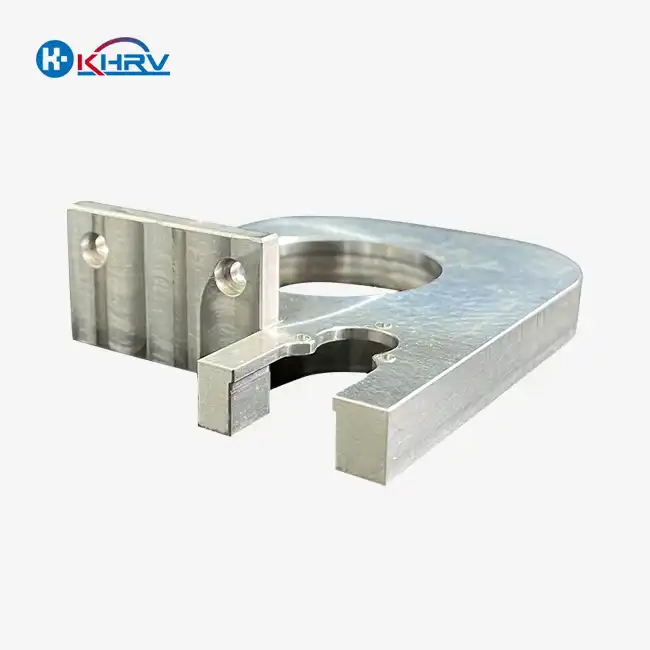
Understanding Customized Mechanical Components for Precision CNC Applications
Standard and personalized mechanical parts are different in how precisely they are made and how they are designed to work with a certain purpose. In order to work properly, precision CNC systems need parts that can resist harsh working conditions and keep their shape over long periods of time.
Key Characteristics of High-Precision Components
During the manufacturing of custom parts, they are fabricated with precise dimensional specifications, targeted surface finishes, and material properties tailored to the intended application. Our components feature optimized geometries that enhance their operational performance while mitigating practical stress concentrations. When choosing a material, things like its temperature expansion rate, resistance to corrosion, and mechanical strength are all taken into account to make sure it works well in tough conditions. We can get surface roughness values as low as Ra 0.8μm using advanced manufacturing methods. This is necessary for parts that need to work smoothly and wear out slowly. Precision measurement tools are used at every stage of the production process to make sure that every part meets or exceeds the required dimensions.
Material Selection and Properties
Stainless steel, aluminum alloy, brass, steel, carbide, and titanium alloy are just some of the materials we offer. We choose which ones to use based on the needs of the purpose. These parts are made of stainless steel, which doesn't rust and keeps its shape even when the temperature changes. Parts made of aluminum have the best ratio of strength to weight, which makes them perfect for uses where reducing mass is very important. Titanium metal parts are very strong and don't react badly with living things, which makes them perfect for use in medical devices. Carbide materials are very hard and don't wear down easily, which makes them perfect for cutting tools and other high-stress situations. Our engineering team compares the qualities of materials to the needs of each application to find the best solutions for each project.
Manufacturing Process Overview
CNC milling and turning, precise grinding, EDM, anodizing, galvanizing, customized mechanical components, and chrome finishing are some of the ways we can make things. Computer-controlled lathes are used in CNC turning to remove material from spinning workpieces, making cylinder forms with symmetrical features. This method makes it possible to make complicated parts that are consistently accurate in their dimensions and have a high-quality surface finish. With electrical discharge machining, we can work with hard materials and make complex shapes that would be hard to make with other cutting methods. The precision grinding process makes sure that the surface finish is perfect and that the dimensions are correct. This is especially important for parts that need to fit perfectly and work smoothly.
Benefits of Choosing Customized Mechanical Components for CNC Applications
When you choose to buy customized parts, you get big benefits in terms of performance, cost-effectiveness, and operating efficiency. These benefits go beyond the original cost and cover the whole duration of the product.
Enhanced Precision and Performance
Customized parts are made to meet certain performance standards that regular parts don't always meet. When you can find the best settings for things like stress distribution, thermal management, and wear features, you can make parts that work regularly in tough situations. Tolerances in our manufacturing methods are kept to within ±0.005mm, which makes sure that our products fit and work perfectly in important situations. Using complex CAD modeling and finite element analysis together during the design phase lets us find the best shape for each part based on its load conditions and practical needs. This way of doing things makes parts that not only meet instant performance goals but also are more reliable and last longer.
Cost-Effectiveness and Lifecycle Benefits
The original cost of personalized parts may be higher than the cost of standard parts, but the long-term benefits are much greater than these costs. Customized parts usually last longer, which means they need less upkeep and less unexpected downtime. When compared to European and American makers, our factories in China can save you 30 to 40 percent on costs without lowering the quality standards. The lower total cost of ownership that comes with customized parts is due to their lower upkeep needs and longer service times. Also, being able to build components in the most efficient way for a given use often leads to higher system efficiency and lower energy use.
Industry-Specific Customization Advantages
Different industries have their own problems that need specific part answers. There are strict biocompatibility standards for medical device parts, and the parts must stay the same size even after being sterilized. For aerospace uses, you need materials that can handle big changes in temperature and keep their shape under a lot of stress. Because we've worked in the car, electronics, industrial tools, and medical device industries before, we know how to meet the needs of each one. Because we know a lot about this subject, we can suggest changes to designs and choices of materials that will work best for certain uses while still meeting industry standards.
How to Choose the Right Customized Mechanical Components Supplier
When looking for a source for precision parts and customized mechanical components, you need to carefully consider a number of factors that can affect both the success of the project right away and the longevity of the partnership.
Quality Certifications and Standards Compliance
Our ISO 9001:2015 approval shows that we are dedicated to upholding regular quality standards at all stages of production. Compliance with EU RoHS rules makes sure that our parts follow environmental rules for use in electrical equipment. With these certifications, you can be sure that our quality control systems meet foreign standards and government rules. At every step of the manufacturing process, thorough quality control methods are used to make sure that all parts meet the standards before they are shipped. Our quality records include material certificates, reports on measurement inspections, and confirmations of surface finishes. This makes it possible to fully track each component.
Manufacturing Capabilities Assessment
There are 10 CNC machining centers, 6 CNC lathes, 2 universal grinders, 2 universal rotary milling machines, and other machines that help with production at our building. We can work with hard materials and make complex shapes with great accuracy now that we have EDM slow wire tools. Planning our production capacity lets us meet the needs of both small batches of prototypes and big production runs. Our flexible approach to manufacturing allows for minimum order amounts that meet the buying needs of customers while still keeping costs low for bigger orders.
Lead Times and Delivery Reliability
Our normal wait time of 10 to 20 working days shows that we are dedicated to quick service while upholding high-quality standards. We can handle urgent needs with faster processing when needed, thanks to our emergency order capabilities. Our customers can plan their purchasing actions well because our output schedule is clear. Sample support services let customers check the quality and fit of parts before placing bigger orders. Our OEM and ODM customization options help with both meeting the needs of current designs and working together to create new component solutions.
Overcoming Challenges in Manufacturing Customized Mechanical Components
The making of precise parts comes with a number of technical and logistical problems that need to be solved in a planned way using advanced manufacturing techniques.
Technical Complexity Management
For precise uses, choosing the right material means finding the best balance of qualities like how easy it is to machine, how stable the dimensions are, how resistant it is to corrosion, and how strong it is. Our engineering team compares these factors to the needs of the product to find the best material options. We are able to make complicated shapes while keeping the dimensions accurate by using advanced CNC programming methods. Quality control measures include watching the work as it's being done and doing a final check to make sure the measurements are correct, the surface is smooth, and the material has the right qualities. Statistical process control methods help find and fix differences before they affect the quality of the parts.
Logistical and Production Considerations
To successfully manage lead times, the steps of design approval, material purchase, customized mechanical components, and production scheduling must work together. Our production planning system can handle orders of different sizes while also making the manufacturing process as efficient as possible. Being able to handle different types of materials and parts in-house makes us less reliant on outside sources and increases the reliability of delivery. Communication procedures make sure that customers know how the production is going and can quickly deal with any changes or concerns. Our collaborative approach during the design process helps us find possible problems with production quickly and come up with ideas that improve both quality and cost-effectiveness.
Balancing Cost, Speed, and Quality
When trying to find the best manufacturing settings, it's important to think about how the choices made during processing affect the end properties of the part. We can achieve high accuracy while keeping working times reasonable thanks to new CNC technologies. The ideas behind lean production help get rid of waste and boost productivity without lowering quality standards. Our cost-transparent method includes breaking down the costs of materials in a way that helps customers understand how prices work and make smart choices. When you combine effective methods for planning production and managing supplies, you can keep prices low and delivery times reliable.
Applications and Industry Use Cases of Customized Mechanical Components
Precision parts can be used in many different businesses, each with its own set of needs and performance standards, because they are so flexible.
Automotive and Transportation Applications
For automotive uses, parts need to be able to handle shaking, changes in temperature, and chemical contact while still being true to size. Materials and designs that are best for automotive working situations are used to make custom transmission parts, engine parts, and suspension system parts. The use of lightweight materials like aluminum alloys helps make vehicles lighter while still keeping their structural integrity. Advanced surface treatments, like anodizing and chrome finishing, make things more resistant to rust and wear, which is important for car use. Our parts work with both standard car systems and new electric vehicle technologies that put weight reduction and electrical connection at the top of their lists of priorities.
Medical Device and Healthcare Industry
For medical devices to work, they need parts that are biocompatible and accurate and reliable at the same time. Materials that don't break down during cleaning are needed for surgical instruments, testing tools, and implantable devices. Titanium metal parts are very biocompatible and don't rust, making them perfect for implantable uses. Medical uses have very strict quality standards that are in line with our ability to make precise parts and keep detailed records. Our parts can be used with both one-time use and long-term medical products. They are designed to be easy to clean, germ-free, and reliable over time.
Electronics and Industrial Machinery
For use in electronic devices, parts need to have certain electrical qualities, thermal control features, and electromagnetic compatibility features. For industrial machines, parts need to be able to handle heavy loads, constant use, and harsh weather conditions while still being precise and dependable. Our manufacturing skills allow us to make both small electrical parts and big parts for industrial machines. Because we can work with a wide range of materials and keep tolerances very tight, we can meet a wide range of needs in industry and electrical settings.
Conclusion
Customized mechanical components are a smart investment that pays off in higher performance, lower costs, and a competitive edge in a wide range of industry settings. Precision manufacturing, knowledge of materials, and quality assurance methods on the market today make it possible to make parts that meet the strictest standards and hold their value over time. Our thorough approach to making unique parts, along with our use of cutting-edge CNC technologies and strict quality control measures, makes sure that every part meets or exceeds customer standards. When you combine technical know-how, flexible manufacturing, and quick service, you get relationships that help with ongoing innovation and operational success in precision manufacturing settings.
FAQ
1. What tolerances can be achieved with customized mechanical components?
We regularly get tolerances of ±0.005mm for key measurements with our precise production methods. Specialized methods like precise grinding and EDM may be able to achieve even tighter standards, but it depends on the material, shape, and needs of the application. During the planning process, the exact tolerance requirements are looked at to make sure they can be met and that the cost is reasonable.
2. How do lead times compare between standard and customized components?
Because they are already in stock, standard parts usually have shorter wait times than personalized parts, which take 10 to 20 working days to make. But the longer wait time is usually worth it because customized parts have long-term benefits like better performance and less need for upkeep. We also provide sample support services so that you can try out unique solutions before committing to full production.
3. What quality certifications ensure component reliability?
Our EU RoHS compliance and ISO 9001:2015 approval give you peace of mind about our quality control systems and environmental standards. We also give full paperwork for every part, such as material certificates, measurement inspection reports, and records of how the part was made. For uses that need more thorough verification, military-grade test results are available.
Partner with KHRV for Superior Customized Mechanical Components
KHRV delivers perfect parts that go above and beyond standards by combining advanced manufacturing skills with deep industry knowledge. We have a wide range of materials, such as stainless steel, aluminum alloy, titanium alloy, customized mechanical components, and carbide, so we can meet a wide range of application needs while still keeping the highest quality standards. As a top provider of custom mechanical parts, we take advantage of China's supply chain benefits to save you 30–40% on costs without lowering the quality or dependability of our work.
Our factory is ISO 9001:2015 approved, and we have a team of experienced engineers who can help with both OEM and ODM customization projects. Lead times are 10 to 20 working days. Get in touch with our expert team at service@kaihancnc.com to talk about your unique needs and find out how our custom solutions can help you be more productive and gain a competitive edge.
References
1. Smith, J.A. "Precision Manufacturing Techniques for Mechanical Components." Journal of Manufacturing Science and Engineering, vol. 142, no. 8, 2020.
2. Chen, L.W. "Material Selection Criteria for High-Precision CNC Applications." International Journal of Advanced Manufacturing Technology, vol. 108, no. 3-4, 2019.
3. Rodriguez, M.E. "Quality Management Systems in Custom Component Manufacturing." Manufacturing Engineering Review, vol. 35, no. 12, 2021.
4. Thompson, R.K. "Cost-Benefit Analysis of Customized vs. Standard Mechanical Components." Industrial Engineering and Management, vol. 28, no. 6, 2020.
5. Anderson, D.P. "Surface Finishing Techniques for Precision Mechanical Parts." Surface Engineering and Technology, vol. 15, no. 4, 2021.
6. Liu, X.Y. "Tolerancing and Dimensional Control in CNC Machining Operations." Precision Engineering Journal, vol. 67, no. 2, 2019.
Learn about our latest products and discounts through SMS or email