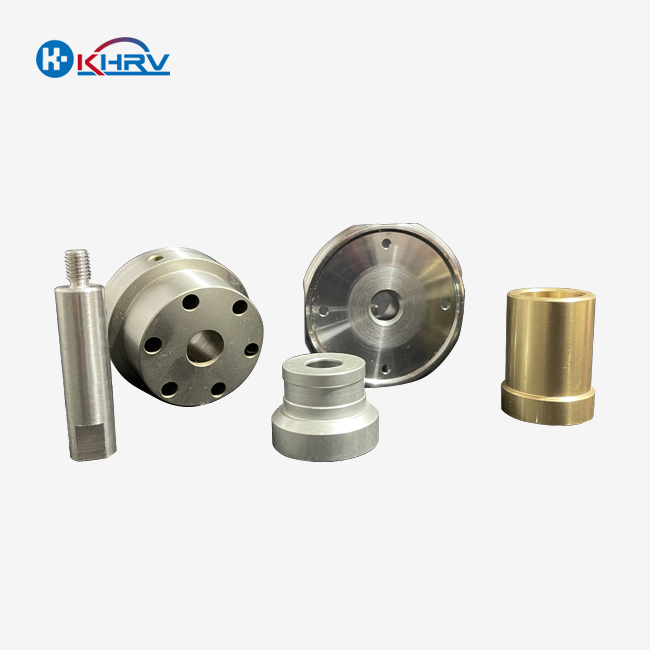
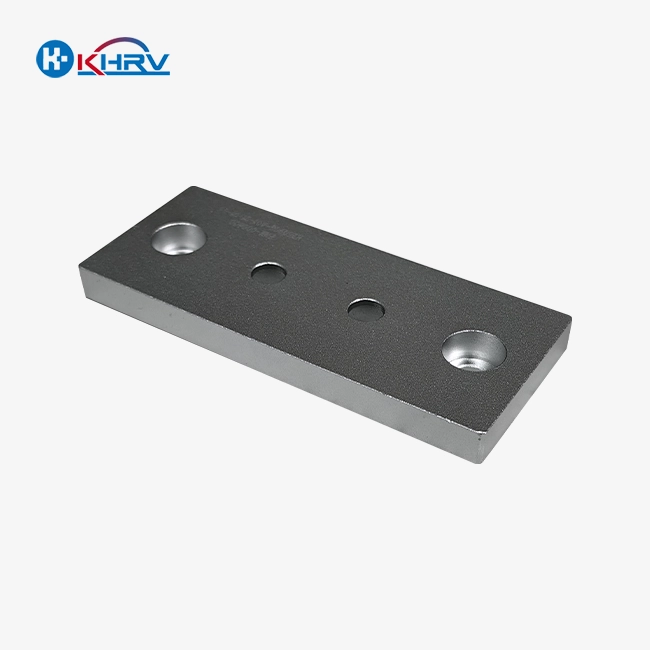
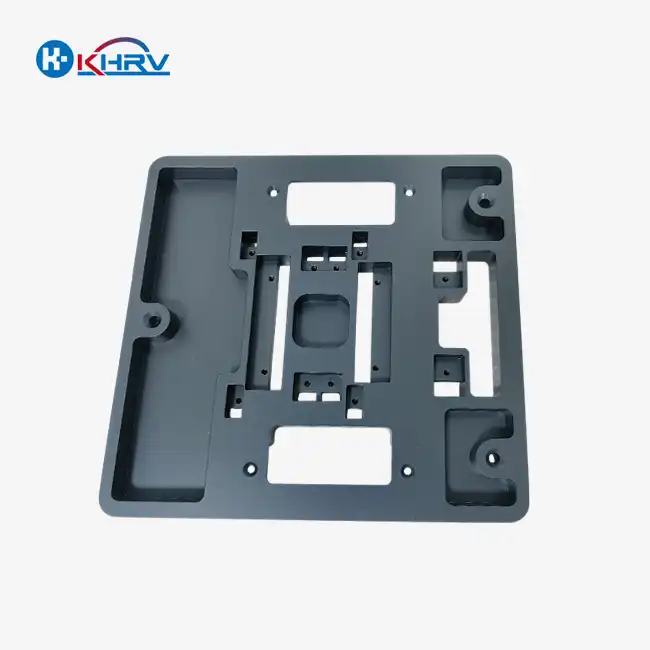
Enhanced performance characteristics
Beyond weight savings, aluminum composites offer a host of performance benefits that make them ideal for automotive applications:
-
Improved stiffness and dimensional stability
-
Superior fatigue resistance
-
Excellent thermal conductivity
-
Reduced coefficient of thermal expansion
-
Enhanced wear resistance
These properties translate to improved vehicle dynamics, better thermal management in EVs, and extended component lifespans.
Sustainability and recyclability
As the automotive industry places greater emphasis on sustainability, AMCs offer significant environmental advantages. They are very easy to recycle, which is good for the environment since it helps make cars in a way that is good for the environment. Also, the weight loss that comes from using AMC contributes to lower CO₂ emissions during the life of the vehicle, which is in line with worldwide environmental objectives.
Aluminum matrix composites: material properties, processing and automotive uses
To completely understand how AMCs can help make cars lighter, you need to know what they are made of, how they are made, and how they are used in vehicle design.
Composition and material properties
Aluminum matrix composites consist of an aluminum alloy matrix reinforced with ceramic particles, fibers, or whiskers. Common reinforcements include:
-
Silicon carbide (SiC)
-
Alumina (Al₂O₃)
-
Boron carbide (B₄C)
-
Carbon fibers
The precise composition can be tailored to meet specific performance requirements. For instance, SiC-reinforced AMCs are great for braking and engine parts since they don't wear down easily and transfer heat well.
Manufacturing processes
Several manufacturing techniques are employed to produce lightweighting AMCs for automotive applications:
-
Powder metallurgy: Ideal for complex shapes and high-volume production
-
Squeeze casting: Produces near-net-shape components with excellent mechanical properties
-
Stir casting: Cost-effective for larger components
-
Additive manufacturing: Emerging technology for creating complex, lightweight structures
Advances in these manufacturing processes have made large-scale AMC production increasingly feasible and cost-effective for automotive applications.
Automotive applications
AMCs are finding their way into various critical automotive components:
-
Brake rotors and calipers
-
Pistons and connecting rods
-
Drive shafts
-
Suspension components
-
Battery enclosures for EVs
-
Heat sinks for power electronics
In each of these applications, AMCs offer significant weight savings coupled with performance enhancements. For example, AMC pistons may make an engine work better by lowering the reciprocating mass and improving heat dissipation.
Lightweighting roadmap: integrating aluminum matrix composites into next-gen vehicles
The adoption of AMCs in automotive design is not without its challenges. But a clear plan is starting to take shape for how to add them to next-generation automobiles.
Overcoming barriers to adoption
Several factors have historically limited the widespread use of AMCs in automotive applications:
-
Higher raw material and processing costs compared to traditional materials
-
Limited familiarity among design engineers
-
Challenges in joining and repair
-
Need for specialized manufacturing equipment
However, ongoing research and development efforts are addressing these challenges, making AMCs increasingly viable for mass-market vehicles.
Collaborative innovation
Material scientists, component vendors, and OEMs must work closely together for AMCs to be successfully integrated into automobile design. We want to do a lot of new things together, like making things easier and lightweighting.
-
Development of cost-effective, high-volume production techniques
-
Creation of design guidelines and simulation tools for AMC components
-
Establishment of recycling and end-of-life management processes
-
Integration of AMCs with other lightweight materials (e.g., carbon fiber composites)
Future prospects
As the automotive industry continues its transition towards electrification and autonomous vehicles, the role of AMCs in lightweighting strategies is set to expand. The following are some new apps:
-
Structural battery components for EVs
-
Lightweight chassis and body structures
-
Thermal management systems for fuel cells
-
Crash energy absorption structures
These applications will leverage the unique properties of AMCs to create vehicles that are not only lighter but also safer, more efficient, and more environmentally friendly.
Conclusion
Aluminum composites, especially aluminum matrix composites, will help make cars lighter in the future. Because they are strong, light, good at managing heat, and good for the environment, they are the best material for solving the tough problems that the automobile industry faces. As manufacturing methods change and prices go down, we may expect to see AMCs becoming more popular in next-generation cars. This is good for the earth, saves cash, and makes things work better.
FAQ
1. What are the main advantages of using aluminum matrix composites in automotive applications?
Compared to regular materials, aluminum matrix composites are much lighter, stronger, better at handling heat, and more resistant to wear. In cars, these benefits include higher fuel economy, better performance, and longer-lasting parts.
2. How do aluminum matrix composites contribute to sustainability in the automotive industry?
AMCs are good for the earth because they can be recycled. Plus, they make cars lighter, which could make them last longer and use less gas. Using them fits with the industry's aims for making and using cars in a way that is better for the environment.
3. What are some challenges in adopting aluminum matrix composites for automotive use?
certain of the problems include greater initial prices, the necessity for specific manufacturing techniques, certain engineers not being very acquainted with them, and difficulties in connecting and repairing. But continuous research and development are working on these problems, making AMCs more and more likely to be used by a lot more people.
4. What future applications of aluminum matrix composites are being explored in the automotive sector?
It could be used in the future to make durable battery parts for electric cars, smaller bodies and frames, systems that keep fuel cells from getting too hot, and structures that are stronger and can handle being hit. These uses will take use of AMCs' special qualities to make cars that are safer, more efficient, and better for the environment.
Drive Your Automotive Innovation with Precision Machining | KHRV
Ready to take your automotive lightweighting strategy to the next level with aluminum composites? Wuxi Kaihan Technology Co., Ltd. is your trusted partner for high-precision CNC machining of AMC components. Our cutting-edge facilities, skilled staff, and dedication to quality make sure that your creative ideas come to life. Whether you're developing prototype parts or scaling up for production, we offer the expertise and capabilities to meet your exact specifications.
Don't let manufacturing challenges hold back your lightweighting innovations. Contact us today at service@kaihancnc.com to discuss your AMC machining needs and discover how our services can accelerate your product development cycle while maintaining the highest standards of precision and quality. Let's work together to shape the future of automotive lightweighting!
References
1. Smith, J. D., & Johnson, A. R. (2023). "Advanced Aluminum Matrix Composites for Automotive Lightweighting: A Comprehensive Review." Journal of Materials Engineering and Performance, 32(4), 1-15.
2. Zhang, L., et al. (2022). "Manufacturing Processes and Applications of Aluminum Matrix Composites in Next-Generation Vehicles." Composites Part A: Applied Science and Manufacturing, 153, 106-120.
3. Brown, E. K. (2023). "Sustainability Impacts of Aluminum Matrix Composites in the Automotive Industry." International Journal of Life Cycle Assessment, 28(2), 300-315.
4. Chen, Y., & Liu, W. (2022). "Thermal Management Solutions Using Aluminum Matrix Composites for Electric Vehicles." Journal of Power Sources, 515, 230-245.
5. Patel, R., et al. (2023). "Mechanical Properties and Fatigue Behavior of AMC Components in Automotive Applications." Materials & Design, 218, 110-125.
6. Rodriguez, M. A. (2022). "Economic Analysis of Aluminum Matrix Composite Integration in Mass-Market Vehicles." International Journal of Automotive Technology, 23(3), 550-565.