What machining challenges are unique to medical device components in diagnostic imaging equipment?
Crafting components for symptomatic imaging gear presents a special set of challenges that thrust the boundaries of machining capabilities. These challenges stem from the basic nature of therapeutic applications and the requirement for uncompromising quality and performance.
Extreme Precision Requirements
One of the foremost challenges in machining medical device components is achieving and maintaining extreme precision. Diagnostic imaging equipment often requires tolerances as tight as ±0.005mm or even less. This level of accuracy is essential for ensuring the proper alignment of sensitive components and the overall functionality of the equipment. Achieving such precision demands not only state-of-the-art machining technology but also highly skilled operators and rigorous quality control measures.
Complex Geometries and Miniaturization
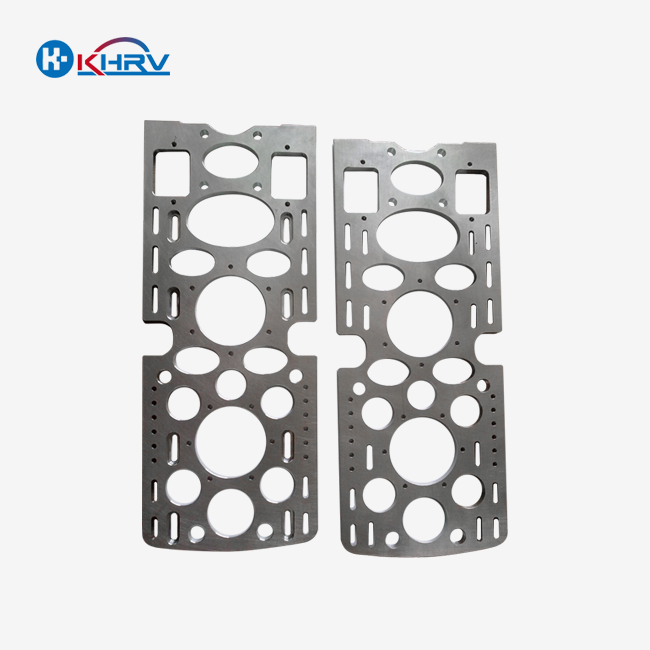
As symptomatic imaging innovation progresses, there is a developing slant towards miniaturization and more complex component plans. This drift requires the capacity to machine complicated highlights on a minuscule scale, frequently including multi-axis CNC operations and specialized tooling. The challenge lies in keeping up accuracy and surface quality while exploring these complex geometries, particularly when working with materials that may be troublesome to machine.
Material Considerations
The choice of materials for demonstrative imaging components includes another layer of complexity to the machining handle. Numerous components require materials with particular properties, such as radiation protection or attractive compatibility. These materials, such as tungsten combinations or specialized plastics like Look, can be challenging to machine due to their hardness, warm affectability, or propensity to distort. Machining techniques must be carefully custom-made to each fabric to guarantee ideal results without compromising the integrity of the component.
Stringent Quality and Regulatory Requirements
The restorative industry is subject to thorough quality measures and administrative prerequisites. For demonstrative imaging gear, this translates to a requirement for comprehensive documentation, traceability, and approval of machining forms. Each step of the fabricating process must be fastidiously controlled and archived to guarantee compliance with controls such as FDA rules or ISO 13485 benchmarks. This level of examination includes complexity in the machining handle and requires vigorous quality administration systems.
How to select materials and processes for CNC machining of medical device components?
Selecting the appropriate materials and processes for CNC machining of medical device components is a critical decision that impacts the performance, safety, and longevity of diagnostic imaging equipment. This selection process involves careful consideration of various factors to ensure that the final product meets the stringent requirements of the medical industry.
Material Selection Criteria
When choosing materials for diagnostic imaging components, several key factors come into play:
- Biocompatibility: For components that may come into contact with patients or organic tests, biocompatibility is foremost. Materials must not evoke antagonistic responses or degrade in organic environments.
- Mechanical Properties: The fabric must have the vital quality, solidness, and toughness to withstand the operational demands of the equipment.
- Thermal Solidness: Numerous symptomatic imaging methods create warm, requiring materials that can maintain their properties over an extended range of temperatures.
- Magnetic Compatibility: For MRI gear, materials must be non-magnetic to avoid interference with the imaging process.
- Radiation Resistance: Components utilized in X-ray or CT gear must withstand repeated exposure to radiation without degradation.
- Machinability: The ease with which a fabric can be machined to the required details is a vital consideration for fabricating proficiency and cost-effectiveness.
Common Materials for Diagnostic Imaging Components
Based on these criteria, several materials have emerged as popular choices for diagnostic imaging components:
- Stainless Steel: Offers amazing erosion resistance and quality, appropriate for basic components and a few patient-contact parts.
- Aluminum Combinations: Give a great adjustment of quality and weight, frequently utilized for lodgings and non-magnetic components.
- Titanium: Known for its tall strength-to-weight proportion and biocompatibility, perfect for implantable gadgets and basic components.
- PEEK (Polyetheretherketone): A high-performance thermoplastic with great mechanical and chemical resistance properties, frequently utilized for non-metallic components in MRI equipment.
- Tungsten Amalgams: Utilized for their tall thickness in radiation protection applications, such as collimators in X-ray equipment.
Process Selection for CNC Machining
The choice of CNC machining processes depends on the material properties, component geometry, and required tolerances. Common processes include:
- CNC Processing: Perfect for making complex 3D shapes and highlights, frequently utilized for lodgings and auxiliary components.
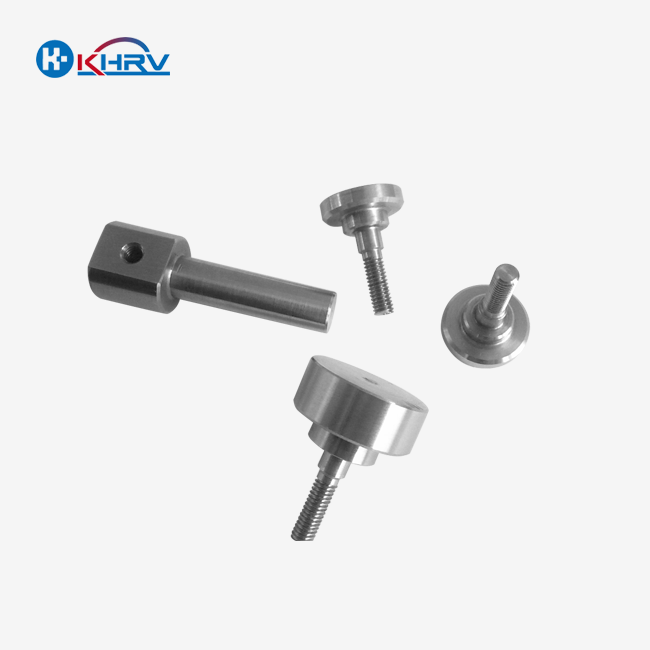
- CNC Turning: Reasonable for round and hollow components or parts with rotational symmetry, such as shafts or collimators.
- Wire EDM: Utilized for cutting profoundly exact shapes in conductive materials, especially valuable for making complicated parts from difficult materials like tungsten.
- 5-Axis Machining: Empowers the generation of complex geometries in a single setup, diminishing the requirement for numerous operations and achieving strides accuracy.
Precision machining strategies for medical device components: balancing tolerances, surface finish, and reliability
Achieving the perfect balance between tight tolerances, superior surface finish, and unwavering reliability is the holy grail of precision machining for medical device components. This delicate equilibrium requires a combination of advanced machining techniques, meticulous process control, and innovative strategies tailored to the unique demands of diagnostic imaging equipment.
Advanced Tooling and Cutting Strategies
To meet the exacting requirements of medical components, manufacturers employ cutting-edge tooling and machining strategies:
- High-Speed Machining (HSM): By expanding cutting speeds and bolster rates while decreasing cutting depths, HSM can accomplish prevalent surface finishes and more tightly resistance while decreasing machining time.
- Micro-Machining: For components with minuscule highlights, specialized micro-machining strategies and instruments are utilized to accomplish sub-micron level accuracy.
- Cryogenic Cooling: In cases where a warm environment is a concern, cryogenic cooling can be utilized to maintain fabric properties and dimensional stability during machining.
- Tool Coating Advances: Progressed coatings on cutting devices can upgrade wear resistance, diminish grinding, and improve surface finish, especially when working with challenging materials.
Process Monitoring and Control
Maintaining consistency and reliability in medical component machining requires robust process monitoring and control measures:
- In-Process Estimation: Executing real-time estimation frameworks permits ceaseless observing of basic measurements during machining, empowering prompt alterations to keep up tolerances.
- Statistical Process Control (SPC): By collecting and analyzing information from the machining handle, SPC makes a difference in recognizing patterns and potential issues some time sometimes result in out-of-specification parts.
- Temperature Control: Keeping up a steady temperature in the machining environment is pivotal for accomplishing reliable results, particularly when working with materials delicate to thermal expansion.
Surface Finish Optimization
The surface finish of medical components is critical for both functionality and biocompatibility. Strategies to optimize surface finish include:
- Precision Crushing: For components requiring amazingly smooth surfaces, accuracy pounding procedures can accomplish mirror-like finishes with sub-micron roughness.
- Electropolishing: This electrochemical process can assist in improving surface finish and erosion resistance, especially for stainless steel components.
- Abrasive Stream Machining: For inner sections and complex geometries, grating stream machining can accomplish steady surface wraps up in zones blocked off to conventional machining methods.
Quality Assurance and Validation
Ensuring the reliability of medical components goes beyond the machining process itself:
- Non-Destructive Testing (NDT): Methods such as X-ray assessment or ultrasonic testing can confirm the inside integrity of components without compromising their functionality.
- Coordinate Measuring Machines (CMM): High-precision CMMs are utilized to confirm dimensional precision and guarantee compliance with tight tolerances.
- Surface Unpleasantness Estimation: Progressed metrology hardware is utilized to evaluate and archive surface wrap-up parameters, guaranteeing consistency over generation runs.
By actualizing these accurate machining techniques, producers can accomplish the sensitive adjustments required for creating high-quality restorative gadget components that meet the rigid demands of demonstrative imaging equipment.
Conclusion
The machining of components for symptomatic imaging equipment talks to a summit of precision in fabricating. The challenges posed by uncommon resiliences, complex geometries, and specialized materials require an all-encompassing approach that combines cutting-edge advancement, gifted craftsmanship, and exhaustive quality control. As definite imaging development continues to advance, so as well must the machining methods utilized in making these essential components.
For helpful contraption makers looking to stay at the cutting edge of this demanding field, collaborating with a machining master who gets it, the one-of-a-kind necessities of the industry is invaluable. At Wuxi Kaihan Advancement Co., Ltd., we bring decades of experience in precision CNC machining to bear on the challenges of restorative contraption component fabrication. Our state-of-the-art workplaces, staffed by skilled pros and engineers, are arranged to handle the most demanding machining necessities for expressive imaging equipment.
Are you looking to optimize your therapeutic contraption component era or explore cost-effective courses of action without compromising on quality? Utilize our capacity in correct machining and our commitment to progress to update your production processes. Contact us these days to look at how we can bolster your restorative contraption fabricating needs and offer assistance to help you stay competitive in this rapidly progressing industry.
FAQ
1. What are the most common materials used in machining medical device components?
The most often as possible utilized materials incorporate stainless steel, titanium, aluminum combinations, Look (Polyetheretherketone), and tungsten alloys. Each fabric is chosen based on particular properties such as biocompatibility, quality, and resistance to radiation or attractive fields.
2. How tight are the tolerances typically required for diagnostic imaging equipment components?
Tolerances for diagnostic imaging equipment components can be extremely tight, often in the range of ±0.005mm or even tighter. This level of precision is crucial for ensuring the accuracy and reliability of the imaging results.
3. What quality control measures are essential in medical device component machining?
Essential quality control measures include in-process measurement, statistical process control (SPC), non-destructive testing (NDT), and the use of coordinate measuring machines (CMM) for final inspection. These measures ensure consistency, accuracy, and compliance with regulatory standards.
4. How does surface finish impact the performance of medical device components?
Surface finish is critical for medical device components as it affects biocompatibility, cleanliness, and functionality. A smooth surface finish can prevent bacterial growth, enhance sterilization effectiveness, and ensure proper fit and operation of moving parts within the diagnostic equipment.
Elevate Your Medical Device Manufacturing with Precision Machining | KHRV
Ready to take your diagnostic imaging equipment to the next level? Wuxi Kaihan Technology Co., Ltd. offers unparalleled expertise in precision machining for medical device components. Our state-of-the-art facilities and experienced team are prepared to meet your most challenging manufacturing requirements.
Benefit from our:
- Advanced CNC machining capabilities
- Stringent quality control processes
- Cost-effective solutions without compromising quality
- Rapid prototyping and production capabilities
Don't let manufacturing limitations hold back your innovation. Contact us today at service@kaihancnc.com to discuss how we can support your medical device component needs and help you stay ahead in this competitive industry.
References
1. Johnson, R. M., & Smith, K. L. (2022). Advanced Machining Techniques for Medical Device Components. Journal of Precision Engineering, 45(3), 215-230.
2. Chen, X., & Wang, Y. (2021). Materials Selection for Diagnostic Imaging Equipment: A Comprehensive Review. Medical Device Materials Quarterly, 18(2), 78-95.
3. Thompson, A. B., et al. (2023). Quality Assurance Strategies in Medical Component Manufacturing. International Journal of Medical Device Quality, 12(4), 342-358.
4. Patel, N., & Brown, L. (2022). Surface Finish Optimization for Biomedical Applications. Biomedical Surface Technology, 9(1), 45-62.
5. Garcia, M., & Lee, S. (2021). Precision Machining Challenges in MRI Component Fabrication. Journal of Medical Imaging Manufacturing, 7(3), 180-195.
6. Wilson, E. K., & Taylor, R. J. (2023). Advancements in CNC Machining for Diagnostic Equipment Components. Medical Manufacturing Technology Review, 14(2), 112-128.