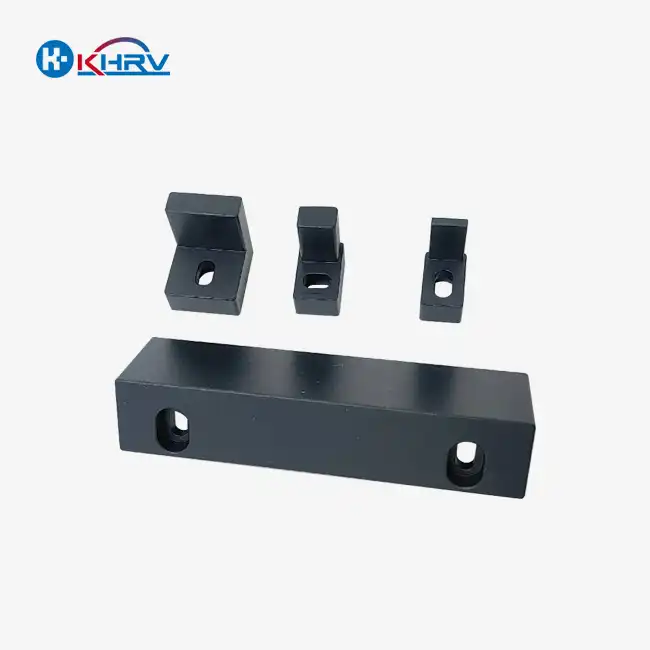
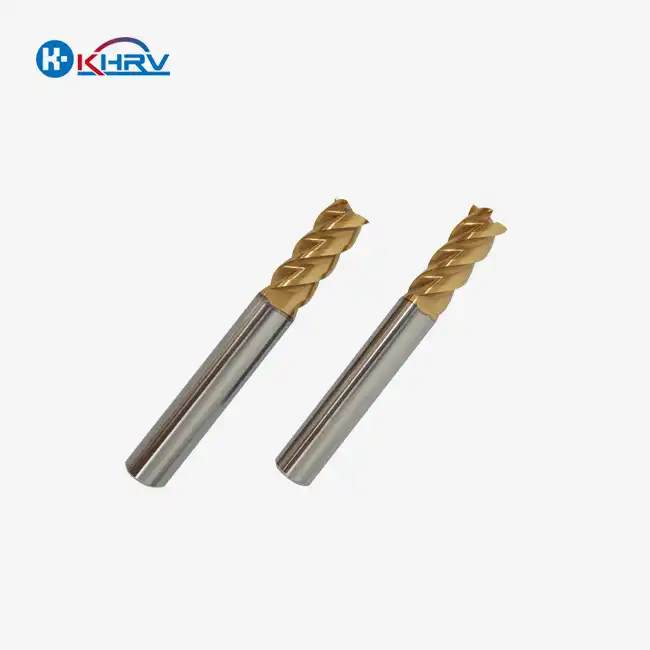
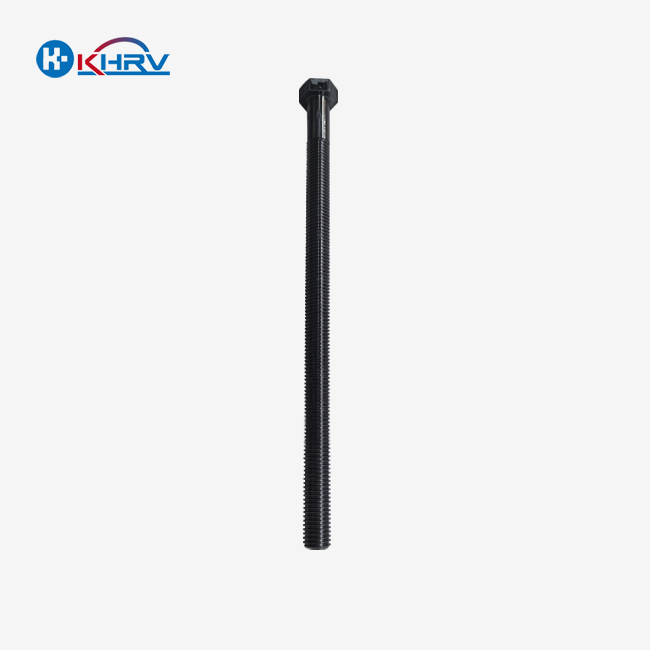
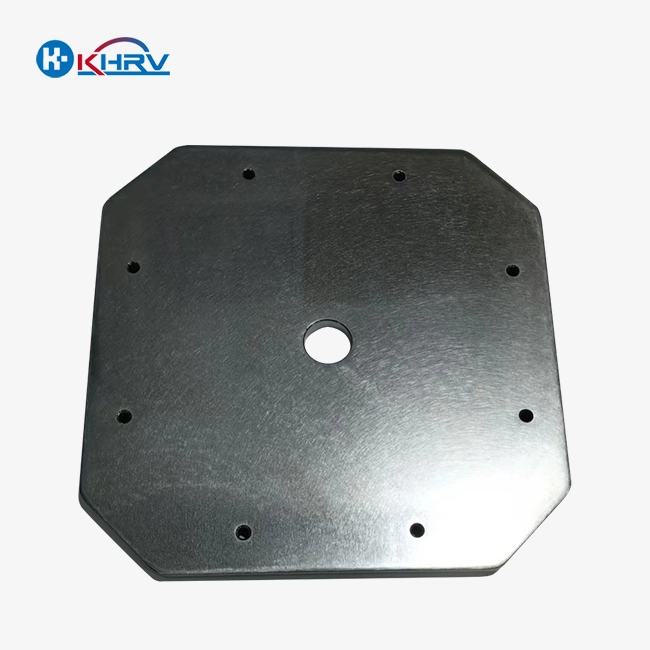
The circular economy has become an important idea for a healthy industry in a world where technology changes quickly and environmental worries grow. Computer Numerical Control (CNC) machining is a key part of this new way of doing things for remanufacturing and part fixing. CNC components are very important for making products last longer, lowering trash, and keeping valuable resources safe. Using cutting-edge CNC technologies, companies can bring old parts back to life, fix up surfaces that are broken, and even update parts to meet current standards. The circular economy stresses the value of reusing, refurbishing, and fixing things instead of the old "take-make-dispose" approach. In this situation, CNC machining is very important because it makes it possible to precisely fix parts that would otherwise be thrown away. This method not only saves materials but also usually cuts down on wait times compared to full remanufacturing processes. Using CNC in the circular economy is changing the way we think about product lifecycles and resource management in many fields, from aircraft to cars.
Material removal vs material rebuild: choosing the right approach
Deciding whether to remove materials or rebuild them is a very important choice when it comes to remanufacturing and part repair in the cycle economy. Each way has pros and cons, and sometimes one is better than the other. You need to know when to use each way so that the fix process works well and CNC parts look their best.
Material Removal
Getting rid of material is often the best way to fix problems like surface wear, measurement errors, or small harm. With this method, CNC machining is used to carefully remove material from the old or broken areas, bringing the part back to its original size and shape. Some of the benefits of this method are:
· High precision and accuracy
· Minimal material waste
· Suitability for a wide range of materials
· Ability to correct dimensional inconsistencies
However, material removal has its limitations for CNC components. It may not be suitable for components that have experienced significant wear or damage, as excessive material removal could compromise the structural integrity of the part.
Material Rebuild
Material rebuild, on the other hand, involves adding material to worn or damaged areas before machining to final specifications. This approach is particularly useful when dealing with severely worn components or when looking to upgrade the material properties of a part. The benefits of material rebuild include:
- Ability to restore heavily worn or damaged components
- Opportunity to improve material properties (e.g., wear resistance, corrosion resistance)
- Potential for part upgrades and enhancements
- Extended lifespan for components that would otherwise be scrapped
The challenge with material rebuild lies in ensuring proper adhesion and compatibility between the original material and the added material. Advanced techniques such as laser cladding or additive manufacturing are often employed in conjunction with CNC machining to achieve optimal results.
Choosing the Right Approach
The decision between material removal and material rebuild depends on several factors:
- Extent of wear or damage
- Original material properties
- Desired outcome (restoration vs. upgrade)
- Cost considerations
- Time constraints
- Environmental impact
In many cases, a combination of both approaches may be the most effective solution. For instance, a component might undergo material rebuild to restore bulk geometry, followed by precision material removal to achieve final dimensions and surface finish.
Inspection criteria for determining re-machinability of worn components
Being able to correctly judge whether old parts can be re-machined is an important part of using CNC machining in the cycle economy. This evaluation is very important for figuring out if a part can be fixed up or if it needs to be changed. Setting strict checking standards makes sure that only good parts get into the remanufacturing process. This keeps quality and safety standards high while making the best use of resources.
Dimensional Analysis
One of the primary inspection criteria is dimensional analysis. This involves precise measurements of the worn component to determine:
- Extent of wear: Comparing current dimensions to original specifications
- Dimensional stability: Checking for warping or distortion
- Minimum material thickness: Ensuring sufficient material remains for machining
Advanced measurement techniques, such as 3D scanning and coordinate measuring machines (CMM), are often employed to obtain accurate dimensional data of CNC components.
Material Integrity Assessment
Evaluating the material integrity of the worn component is crucial for determining its suitability for re-machining. This assessment typically includes:
- Non-destructive testing (NDT) checks for flaws or cracks inside something by using tools like ultrasound or X-rays.
- To find out what the material is like and whether it needs to be cooked, it is hardness tested.
- Chemical composition analysis: Ensuring material compatibility for potential rebuild processesSurface Condition Evaluation
The surface condition of the worn component plays a significant role in determining its re-machinability. Inspection criteria in this area include:
- Surface roughness measurements
- Identification of surface defects (e.g., pitting, scoring)
- Assessment of coating integrity (if applicable)
Fatigue and Stress Analysis
For components subject to cyclic loading or high-stress environments, additional inspection criteria may include:
- Fatigue crack detection
- Residual stress measurements
- Finite element analysis (FEA) to predict component behavior after re-machining
Functional Performance Evaluation
In some cases, assessing the functional performance of the worn component can provide valuable insights into its re-machinability. This may involve:
- Operational testing (where feasible)
- Evaluation of critical features and interfaces
- Assessment of sealing surfaces or bearing areas
By implementing these comprehensive inspection criteria, manufacturers can make informed decisions about the re-machinability of worn components. This approach not only supports the goals of the circular economy but also ensures that refurbished parts meet the required quality and performance standards.
Conclusion
Using CNC machines in the cycle economy is a big step toward making industry more environmentally friendly. CNC technology is very important for stretching the life of products, cutting down on waste, and protecting valuable resources because it allows exact remanufacturing and repair of old parts. Parts that have been restored are sure to meet or beat the original specs because of strict inspection criteria and the option to choose between material removal and material rebuild.
The use of CNC machining in remanufacturing and part fixing will only become more important as more businesses follow the circular economy concepts. Not only does this change help the environment, but it also gives machine shops and makers new ways to make money. Companies can be at the top of sustainable manufacturing by using these methods. This will help them meet the growing demand for production methods that are good for the environment.
The future of manufacturing lies in our ability to balance technological advancement with environmental stewardship. CNC machining, with its precision and versatility, is proving to be an indispensable tool in achieving this balance, paving the way for a more sustainable and resource-efficient industrial landscape.
Are you looking for ways to use the cycle economy in the way you make things? Precision CNC machining and part remanufacturing are what Wuxi Kaihan Technology Co., Ltd. does best for a lot of different industries, such as robots, medical device manufacturing, new energy production equipment, and high-end CNC machine tools. Our state-of-the-art buildings and experienced staff can handle even the most difficult repair jobs, making sure that your vital parts work at their best and last longer.
Whether you're a purchasing manager seeking cost-effective solutions, a technical engineer focused on precision and quality, or a production director concerned with timely delivery and minimal disruption, we have the expertise to meet your needs. Our services include OEM processing of key precision machinery components, cross-border semi-finishing cost-saving solutions, and precision multi-material semi-finishing.
Take advantage of our China-based supply chain cost advantages, which can save you 30-40% compared to European and American manufacturers, without compromising on quality. With our ISO9001:2005 certified quality management system and extensive industry experience, we guarantee reliable product quality and efficient service.
FAQ
1. What types of components can be remanufactured using CNC machining?
CNC machining can be used to remanufacture a wide range of components, including but not limited to engine parts, hydraulic components, industrial machinery parts, aerospace components, and precision instruments. The suitability for remanufacturing depends on factors such as material type, extent of wear, and complexity of the part geometry.
2. How does CNC remanufacturing contribute to cost savings?
CNC remanufacturing can lead to significant cost savings by extending the life of existing components, reducing the need for new part production, and minimizing downtime. It often requires less material and energy compared to manufacturing new parts, resulting in lower overall costs and improved resource efficiency.
3. What are the environmental benefits of CNC-based remanufacturing?
CNC-based remanufacturing contributes to environmental sustainability by reducing raw material consumption, minimizing waste generation, and lowering energy usage associated with new part production. It aligns with circular economy principles by keeping valuable resources in use for longer periods, thereby reducing the overall environmental impact of manufacturing processes.
4. How does the quality of remanufactured parts compare to new parts?
The right way to use CNC to make used parts is to make them as good as or better than new parts. These days, CNC technologies can accurately fix old surfaces and measurements, and they often make changes based on information from earlier operations. Quality control measures, like careful testing and checking, make sure that used parts do what they're supposed to do.
Experience the Future of Sustainable Manufacturing | KHRV
Ready to revolutionize your approach to CNC component lifecycle management? Wuxi Kaihan Technology Co., Ltd. is your partner in embracing the circular economy through advanced CNC remanufacturing and part repair services. Our cutting-edge facilities, staffed by industry experts, are primed to transform your worn CNC components into like-new condition, often surpassing original specifications.
Don't let component wear hold back your production or inflate your costs. Reach out to us today and discover how our precision CNC services can extend the life of your critical parts, reduce your environmental footprint, and deliver substantial cost savings. Whether you're in the robotics, medical device, or high-end CNC machine tool industry, we have the expertise to meet your specific needs.
Take the first step towards a more sustainable and efficient manufacturing process. Contact us at service@kaihancnc.com to discuss your remanufacturing requirements and experience the Kaihan difference in quality, precision, and customer service. Let's work together to build a more sustainable future for manufacturing!
References
1. Johnson, M. & McCarthy, I. (2021). "Circular Economy and CNC Machining: Redefining Product Lifecycles". Journal of Cleaner Production, 289, 125-137.
2. Chen, Y. et al. (2020). "Remanufacturing in the Circular Economy: A Comprehensive Review from a CNC Perspective". Sustainability, 12(18), 7455.
3. Smith, A. & Brown, B. (2022). "Inspection Methodologies for CNC Remanufacturing: Ensuring Quality in the Circular Economy". International Journal of Production Research, 60(5), 1523-1540.
4. Lee, J. et al. (2021). "Material Removal vs. Rebuild in CNC Remanufacturing: A Comparative Analysis". Journal of Manufacturing Systems, 58, 175-186.
5. Wang, L. & Zhang, X. (2023). "Advances in CNC Technology for Sustainable Manufacturing and Remanufacturing". Robotics and Computer-Integrated Manufacturing, 70, 102222.
6. Patel, R. & Desai, V. (2022). "The Role of CNC Machining in Implementing Circular Economy Principles: A Case Study Approach". Journal of Industrial Ecology, 26(3), 789-801.