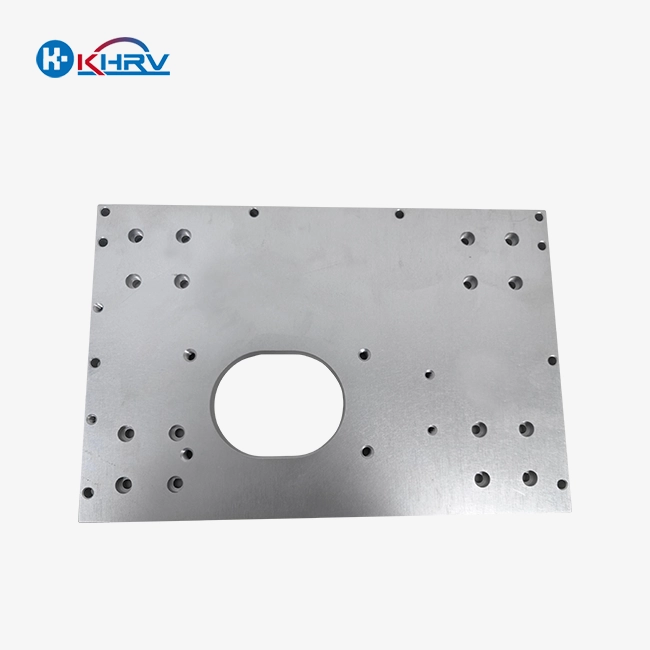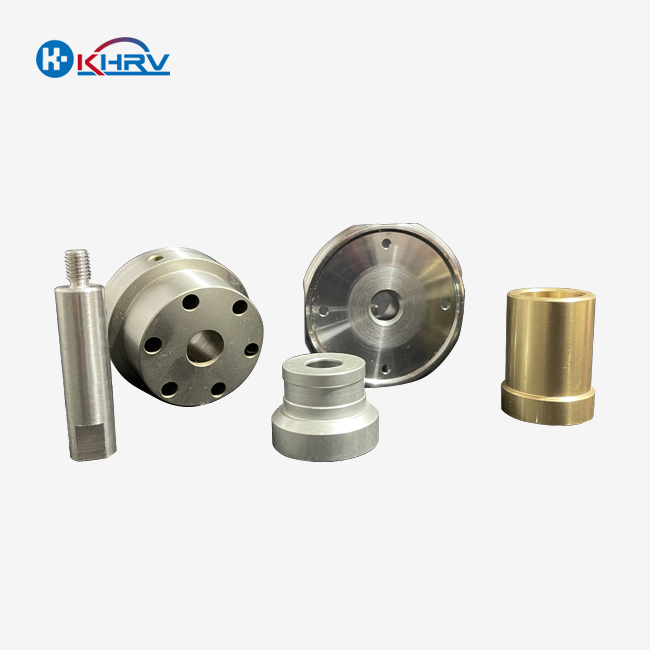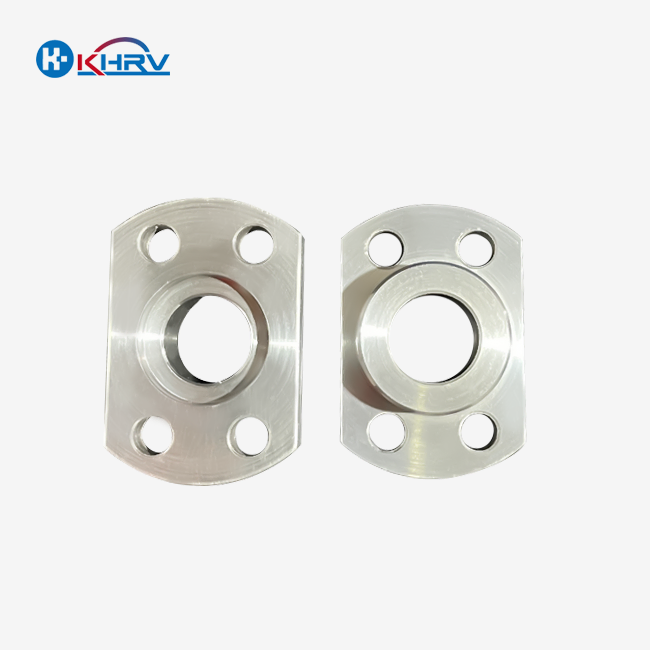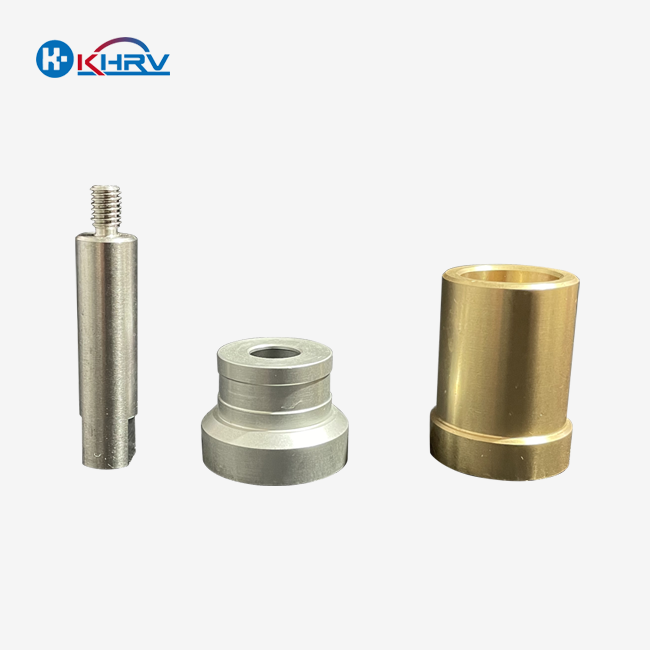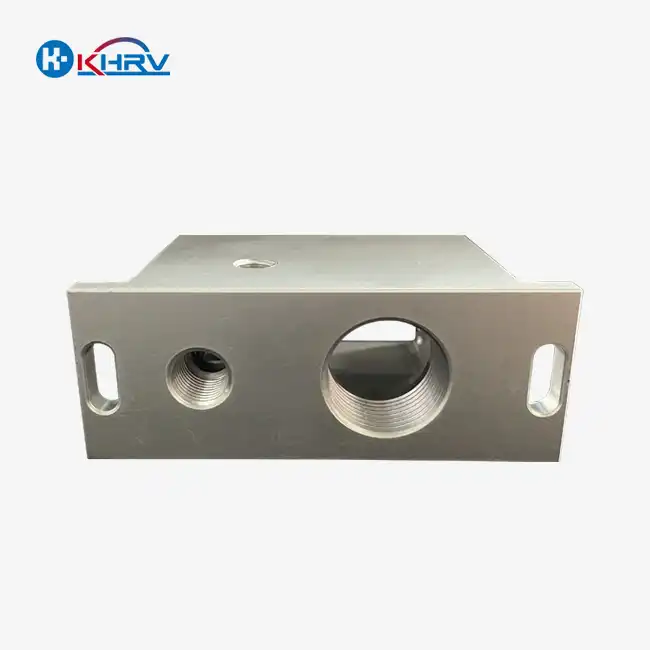
Designing for CNC Production of Custom Automotive Aftermarket Parts
When planning custom car aftermarket parts for CNC generation, engineers and creators must consider a few pivotal components to guarantee ideal manufacturability and execution. The plan starts with an exhaustive understanding of the part's work, the vehicle it is aiming for, and the particular execution goals.
CAD Modeling and Simulation
Computer-Aided Design (CAD) program is instrumental in making nitty-gritty 3D models of aftermarket parts. These advanced models permit architects to visualize the component, survey its fit inside the vehicle, and analyze its potential execution characteristics. Progressed recreation devices can anticipate push focuses, liquid elements, and warm properties, empowering iterative plan changes, some time recently physical prototyping begins.
Material Selection
Choosing the right material is critical in aftermarket part design. Factors such as strength-to-weight ratio, heat resistance, and corrosion resistance must be balanced against cost and machinability. For auto industrial CNC milling parts, materials like aluminum alloys, high-grade steel, and even titanium are common choices, each offering unique properties suited to different applications.
Design for Manufacturability (DFM)
Incorporating DFM standards guarantees that parts are not as it were useful but also effectively producible. This incorporates contemplations such as:
- Minimizing complex geometries that require numerous setups
- Dodging profound pockets or highlights that require specialized tooling
- Planning fitting draft points and filets to decrease machining time and device wear
- Arranging for fixturing and workholding amid the CNC process
Tolerance Specification
Precise resilience determination is significant for aftermarket parts that must be coordinated consistently with OEM components. Architects must carefully adjust the requirements for tight resiliences with the expanded fetched and complexity of generation. Over-specifying resistances can lead to pointless cost, whereas under-specifying can result in fitment issues or execution problems.
Tooling, Fixturing, and CNC Workflows in Automotive Aftermarket Manufacturing
The efficiency and quality of auto industrial CNC milling parts production in the aftermarket sector heavily depend on the tooling, fixturing, and CNC workflows implemented. These elements form the backbone of the manufacturing process, ensuring consistent quality, reducing setup times, and maximizing machine utilization.
Advanced Tooling Solutions
Cutting-edge tooling is basic for creating complex aftermarket parts. High-performance cutting instruments, regularly highlighting specialized coatings and geometries, empower speedier fabric removal rates and advanced surface finishes. Measured tooling frameworks permit fast changes between operations, lessening downtime and expanding adaptability in production schedules.
Custom Fixturing and Workholding
Effective fixturing is basic for keeping up portion precision and repeatability. For aftermarket car parts, which regularly highlight interesting geometries, custom installations are habitually utilized. These may incorporate:
- Multi-axis vises for complex portion introductions
- Vacuum tables for thin-walled components
- 3D-printed dances for one-off or low-volume generation runs
- Attractive workholding frameworks for ferrous materials
Optimized CNC Workflows
Streamlined CNC workflows are vital for productive aftermarket portion generation. This includes:
- Actualizing vigorous apparatus administration frameworks to track apparatus life and plan substitutions
- Utilizing progressive CAM computer program to create optimized toolpaths
- Utilizing machine learning frameworks to track execution and recognize bottlenecks
- Executing lights-out fabrication for expanded production runs
Quality Control Integration
Integrating quality control measures straightforwardly into the CNC workflow guarantees steady portion quality. This may incorporate:
- In-process examining to confirm basic measurements during machining
- Robotized portion assessment utilizing arrange measuring machines (CMMs)
- Factual handle control (SPC) to screen and alter generation parameters in real-time
What Roles Do CNC Cutting Tool Holders Play in Aftermarket Automotive Part Production?
CNC cutting apparatus holders play an urgent part in the generation of aftermarket car parts, serving as the basic connection between the machine axle and the cutting apparatus. Their significance cannot be exaggerated, as they specifically affect machining accuracy, surface wrap-up quality, and, in general, l-generation efficiency.
Precision and Stability
High-quality tool holders ensure precise tool positioning and minimal runout, which is crucial for maintaining tight tolerances in auto industrial CNC milling parts. Advanced tool holder designs incorporate features like:
- Balanced construction to reduce vibration at high speeds
- Precision-ground surfaces for accurate tool seating
- Hydraulic or heat-shrink clamping mechanisms for secure tool retention
Versatility and Quick-Change Capability
Modern CNC instrument holders offer flexibility to oblige a wide extend of cutting devices and operations. Quick-change frameworks permit quick instrument swaps, minimizing downtime between operations. This is especially advantageous in aftermarket portion generation, where little group sizes and visit changeovers are common.
Thermal Management
Effective thermal management in tool holders is crucial for maintaining dimensional accuracy during machining. Advanced tool holder designs incorporate features like:
- Internal coolant channels for targeted cooling at the cutting edge
- Materials with low thermal expansion coefficients
- Thermal-stabilizing treatments to minimize distortion under heat load
Specialized Holders for Complex Operations
The aftermarket automotive industry often requires specialized machining operations. Tool holders designed for specific applications can significantly enhance productivity and part quality. Examples include:
- Extended-reach holders for deep cavity machining
- Angle heads for multi-axis milling operations
- Anti-vibration holders for challenging materials or long overhang situations
Conclusion
The part of CNC in the generation of custom car aftermarket parts is verifiably transformative. From the starting plan stages through to the last generation, CNC innovation empowers a level of exactness, complexity, and productivity that was already unattainable. As the aftermarket industry proceeds to advance, driven by customer requests for interesting, high-performance components, CNC machining will stay at the cutting edge, pushing the boundaries of what's conceivable in car customization.
For producers and devotees alike, grasping the capabilities of CNC innovation opens up a world of conceivable outcomes in aftermarket portion generation. By leveraging progressive plan devices, optimizing workflows, and utilizing cutting-edge tooling arrangements, the aftermarket industry can proceed to improve and meet the ever-growing requests of car enthusiasts worldwide.
Are you looking to elevate your aftermarket automotive part production with precision CNC machining? Wuxi Kaihan Technology Co., Ltd. specializes in high-quality auto industrial CNC milling parts and custom solutions for the automotive aftermarket. With our state-of-the-art CNC machining centers, experienced team, and commitment to quality, we can help bring your custom automotive visions to life.
FAQ
1. What materials are commonly used in CNC machining for automotive aftermarket parts?
Common materials include aluminum alloys, various grades of steel, titanium, and high-performance plastics. The choice depends on factors like strength requirements, weight considerations, and cost constraints.
2. How does CNC machining improve the quality of aftermarket automotive parts?
CNC machining offers superior precision, repeatability, and the ability to create complex geometries consistently. This results in parts that fit better, perform more reliably, and often exceed OEM specifications.
3. Can CNC machining handle small production runs for niche aftermarket parts?
Absolutely. CNC machining is ideal for small production runs and even one-off custom parts, offering flexibility without the high setup costs associated with traditional mass production methods.
4. How does CNC technology impact the design process for aftermarket parts?
CNC technology allows for more complex and optimized designs, as well as rapid prototyping capabilities. This enables designers to iterate quickly and test multiple design variations before finalizing a part.
Elevate Your Aftermarket Part Production | KHRV
Ready to take your car's aftermarket parts to the following level? Wuxi Kaihan Innovation Co., Ltd. offers cutting-edge CNC machining services custom-fitted to the one-of-a-kind requests of the aftermarket industry. Our group of specialists combines a long history of involvement with state-of-the-art hardware to convey accurate parts that meet and surpass your expectations.
From Auto Industrial CNC Milling Parts to custom motor components and imaginative suspension updates, we have the capabilities to bring your plans to life with unmatched precision and proficiency. Take advantage of our competitive estimating, speedy turnaround times, and commitment to quality.
Don't settle for less when it comes to your aftermarket part production. Contact us today at service@kaihancnc.com to discuss your project and discover how Wuxi Kaihan can be your partner in precision and innovation. Let's create the future of automotive aftermarket parts together!
References
1. Smith, J. (2023). "Advancements in CNC Technology for Automotive Aftermarket Manufacturing." Journal of Precision Engineering, 45(2), 112-128.
2. Johnson, A., & Brown, L. (2022). "Design Optimization Strategies for CNC-Machined Automotive Components." International Journal of Automotive Design, 18(4), 201-215.
3. Rodriguez, M. et al. (2023). "Material Selection Criteria for High-Performance Aftermarket Automotive Parts." Materials Science and Engineering: A, 812, 141162.
4. Lee, S., & Park, H. (2022). "Innovative Fixturing Solutions for Complex Automotive Part Machining." Journal of Manufacturing Processes, 76, 312-325.
5. Chen, Y., & Wang, X. (2023). "Tooling Strategies for Efficient CNC Production in the Automotive Aftermarket Sector." International Journal of Machine Tools and Manufacture, 180, 103947.
6. Thompson, R. (2022). "Quality Control Methodologies in CNC-Driven Automotive Part Production." Total Quality Management & Business Excellence, 33(7-8), 874-889.