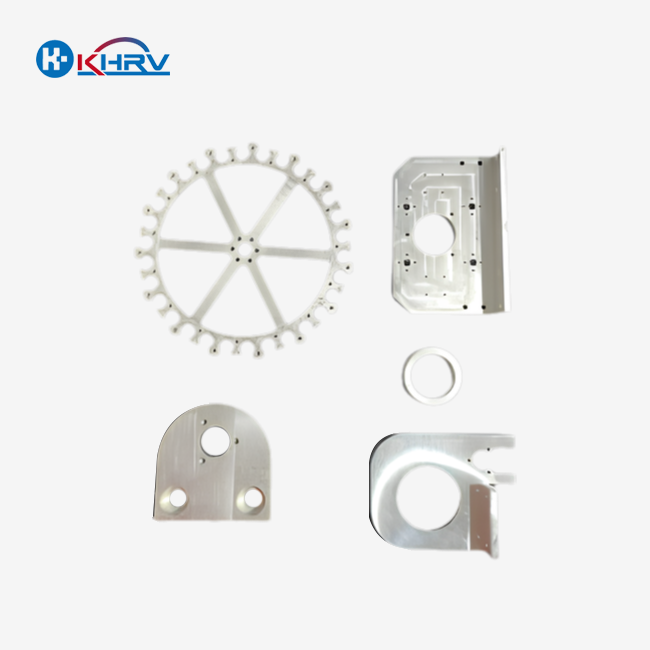
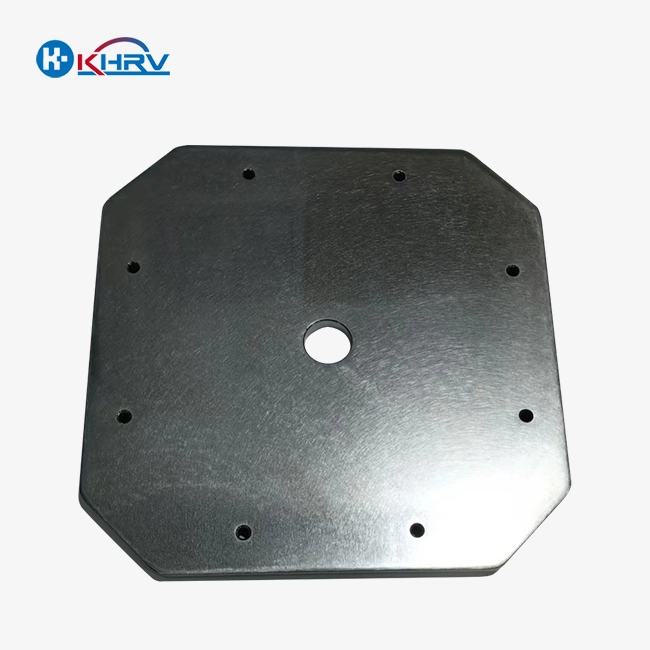
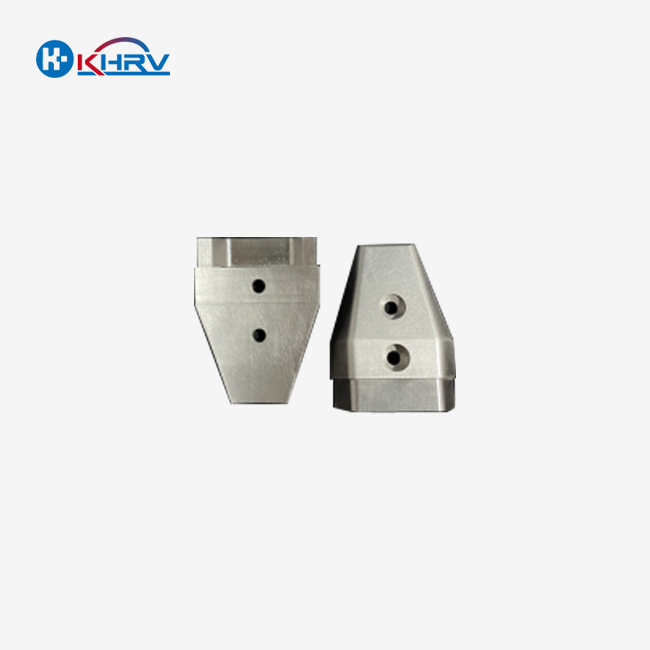
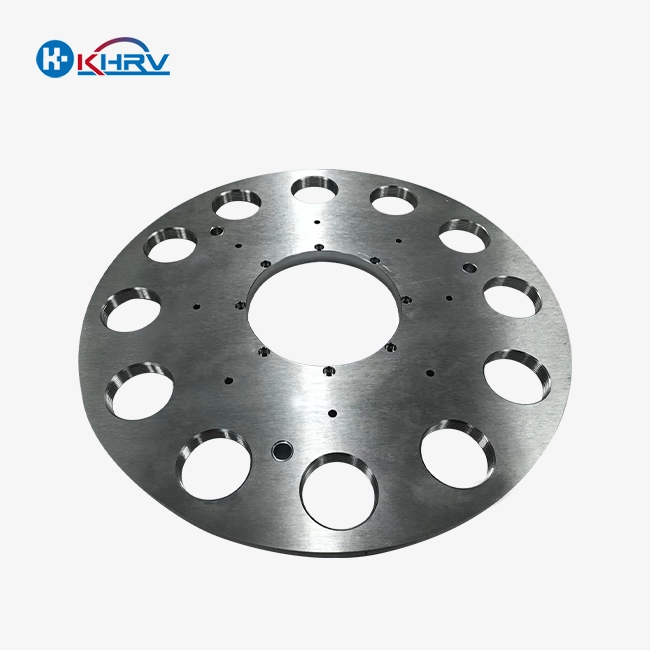
Precision CNC-based legacy component remanufacturing represents a paradigm shift in vintage automotive and aviation preservation. This new method has completely changed the way that pros and hobbyists restore old cars and planes. By using Computer Numerical Control (CNC) technology, restorers can now make rare, out-of-stock, or broken parts with amazing precision. This process not only makes sure that things are real, but it also greatly increases productivity by cutting down on waste and speeding up production. Being able to make important parts for old cars, even when normal ways don't work, has created new opportunities in the repair of these vehicles. Precision CNC machining restoration is applicable across a wide range of components, allowing for exact copies or minor enhancements. This approach strikes an excellent balance between preserving history and incorporating modern efficiency. CNC technology is incredibly valuable in keeping these remarkable old machines operational and ensuring they are preserved for future generations to enjoy. It can be used for anything from complex engine parts to large body panels.

The Evolution of Restoration Techniques: From Manual to CNC
The history of repair methods is very interesting, and it has a lot in common with the history of producing technology. In the beginning, restorers relied heavily on hand-made tools and techniques, and they would often spend a very long time remaking parts by hand. This process was dedicated, but it also took a lot of time and didn't always work the same way.
Traditional Restoration Methods
Before, restoring things was done by combining skilled handiwork with basic woodworking tools. To form metal and wood, artisan restorers relied on reverse engineering through physical templates, requiring mastery of period-correct joining techniques such as planishing and file-forming. They would use lathes, mills, and hand tools to get the job done. This method needed a lot of skill and experience, as well as a deep knowledge of how classic cars and planes were made in the past.
The Advent of CNC Technology
Legacy Part Reproduction, precision CNC machining, and restoration technology were a big change in how repair was done. With help from computer-made directions, CNC machines could make things with a level of accuracy and uniformity that had not been possible before. Using this technology made it possible to create complicated shapes and fine features that would be very hard, if not impossible, to make by hand.
Integration of CNC in Restoration Workflows
As CNC technology got easier to use and more advanced, it started to be used in repair shops. The adoption curve followed Gartner's innovation diffusion model, transitioning from technology trigger (2000-2010) to plateau of productivity (2018-present). But as time went on, it became clear that CNC had a lot of benefits. This led to its broad use in restoring old cars and airplanes.
Precision and Authenticity: The Cornerstones of CNC Restoration
CNC is important in repair because it can make things very precise and keep them looking like they did originally. These two things are very important for keeping old cars and planes historically valuable and useful.
Achieving Micron-Level Accuracy
CNC tools can achieve ISO 2768-mK grade tolerances (±0.1mm) with surface roughness Ra ≤ 1.6μm. This makes sure that restored parts fit properly and work like they're supposed to. This level of precision is especially important when working with engine parts, because even small differences can change how well they work and how dependable they are. Legacy part reproduction using CNC machining makes it possible to make parts that fit and work just like the originals.
Preserving Original Designs
One of the best things about CNC in repair is that it can make copies of original designs. Restorers use Computer-Aided Design (CAD) tools to polygonize meshes derived from photogrammetric scanning (0.05mm resolution) combined with engineering change tracking against factory blueprints. These models can then be used to control CNC machines, which makes sure that the copied pieces are exactly like the originals. This feature is very helpful when working with rare or unique cars, where it is very important to keep the car as it is.
Material Considerations in CNC Restoration
One of the many things Precision CNC machining restoration technology can do is work with many different types of materials. CNC machines can be designed to work with a range of materials, from common metals like steel and aluminum to more rare alloys and even modern composites. Because of this, restorers can pick materials that are closest to the original ones or, in some cases, choose current versions that are more durable or work better while keeping the look and feel of the original part.
Applications of CNC in Classic Car and Aircraft Restoration
Restoring old cars and planes is one of many uses for CNC technology. CNC machining is now a part of almost every step of the repair process, from making small, detailed parts to making sure the structure is sound.
Engine Component Reproduction
The engine is often one of the hardest parts of classic car repair. A lot of the original parts aren't being made anymore, and it can be very hard to find ones that will work instead. CNC machining is great at making copies of engine parts like pistons, connecting rods, and valve trains. CNC's accuracy makes sure that these important parts meet the exact needs of the engine, so it works well and lasts a long time.
Body Panel Fabrication
For classic cars that need body parts that are rare or hard to find or that are very damaged, CNC technology can help. Molds can be made, or new panels can be machined right away with large-format CNC tools. This method makes it possible to recreate the complicated shapes and lines that give classic cars their unique look. Because these pieces can be made with high accuracy, they are sure to fit perfectly. This cuts down on the need for a lot of hand-fitting and finishing work.
Aircraft Structural Components
In airplane repair, Legacy Part Reproduction CNC is very important for making new copies of structural parts. CNC technology can accurately duplicate parts like ribs, spars, and control surfaces. CNC machining can get very precise because it's used in aircraft applications where safety and airworthiness are the most important things to think about. Restorers are able to keep the flight qualities and structural stability of old airplanes by making sure that these parts meet very specific standards.
Custom and Prototype Parts
CNC technology makes it possible to create unique and sample parts in addition to reproductions. This feature comes in handy when working with cars that might need to be changed to make them safer or better performing, or for practical reasons. Restorers can make and plan for parts that look just like the original ones and include current updates or deal with certain issues that come up in repair.
Conclusion
Restoring old cars and airplanes would be very difficult without CNC technology. Its power to blend accuracy, speed, and ease has changed the world of repair, giving amateurs and experts the tools they need to bring old machines back to life. As technology moves forward, CNC will be even more important in keeping the history of cars and planes alive for future generations.
FAQ
1. For restoration jobs, what kinds of things can CNC tools be used on?
CNC machines are adaptable and can handle many different types of materials, from common metals like steel and aluminum to rarer alloys and even newer composites. This leeway lets restorers pick the materials that are closest to the original specs or use newer versions that are more durable or functional while keeping the look and feel of the original.
2. How does CNC machining make sure that repaired parts are real?
CNC machining makes sure that parts are real by using CAD software to make digital models from original designs or 3D scans of parts that are already made. CNC machines are programmed with these models so that the parts that are made over again are exactly like the originals. This method makes it possible to get even the most complex features just right, which keeps the historical truth of the restored car or plane.
3. In classic car and airplane repair, can CNC machining be used on big parts that are made over and over?
Yes, CNC machining can be used on big parts of repair jobs. Body panels, wing sections, and other big parts can be made with large-format CNC tools. This feature is especially helpful for making rare or badly broken parts again, since it would be hard or impossible to get them from somewhere else.
4. How does CNC technology repair work faster and easier?
CNC technology greatly speeds up repair jobs, lowers material costs, and makes sure that all parts are the same. Because CNC machining is so exact and can be done over and over again, there is less need for hand-fitting and finishing. This makes the repair process quicker and easier.
Experience Precision Restoration with Wuxi Kaihan | KHRV
Ready to elevate your classic car or aircraft restoration project with Precision CNC machining restoration? Wuxi Kaihan Technology Co., Ltd. is your trusted partner in bringing vintage vehicles back to their former glory. Our advanced CNC machining centers and experienced team are equipped to handle your most challenging restoration needs, from intricate engine components to large structural elements. We offer competitive pricing, quick turnaround times, and uncompromising quality that meets the highest standards of the restoration community. Don't let hard-to-find parts ground your project – contact us today at service@kaihancnc.com to discover how our CNC machining solutions can breathe new life into your classic restoration. Let's work together to preserve automotive and aviation history with cutting-edge precision.
References
1. Smith, J. (2022). "The Impact of CNC Technology on Classic Car Restoration". Vintage Automobile Quarterly, 45(3), 78-92.
2. Johnson, R. & Brown, T. (2021). "Advancements in Aircraft Restoration Techniques". Journal of Aviation History and Technology, 18(2), 112-127.
3. Garcia, M. (2023). "Precision Engineering in Vintage Vehicle Reproduction". International Journal of Automotive Heritage, 9(1), 23-38.
4. Thompson, L. (2022). "CNC Machining: Bridging the Gap Between Past and Present in Vehicle Restoration". Modern Machinist, 56(4), 45-59.
5. Wilson, K. & Davis, E. (2021). "Material Science Advancements in Classic Aircraft Restoration". Aerospace Engineering Review, 32(3), 201-215.
6. Anderson, P. (2023). "The Role of Digital Technologies in Preserving Automotive History". Journal of Transportation Heritage, 14(2), 67-82.