Strategies for managing titanium's high strength and low conductivity
Titanium's tall strength-to-weight extent is a double-edged sword in machining operations. While it's beneficial for flying applications, it stances basic challenges in the midst of the cutting get ready. The material's tall quality requires significant cutting qualities, driving to extended instrument wear and potential workpiece mutilation. Besides, titanium's moo warm conductivity causes warm to concentrate at the cutting edge, help enlivening gadget wear and conceivably compromising parcel quality.
Optimizing cutting parameters
To manage these challenges, it's crucial to optimize cutting parameters. Reducing cutting speeds while increasing feed rates can help maintain productivity while minimizing heat generation. This approach ensures that each cut removes the work-hardened layer from the previous pass, preventing excessive strain on the cutting tool.
Implementing robust fixturing
Proper workpiece fixturing is essential when machining titanium. Rigid setups help minimize vibration and deflection, which can lead to poor surface finish and reduced tool life. Utilizing specialized clamping systems and workholding devices designed for high-strength materials can significantly improve machining outcomes.
Employing advanced cutting strategies
Advanced cutting strategies such as trochoidal milling and high-efficiency milling paths can help manage the heat generation and cutting forces associated with titanium machining. These techniques maintain a consistent chip load and reduce the time the cutting edge spends engaged with the material, leading to improved tool life and surface finish.
Selecting the right tool geometry and coatings for Ti alloys
The success of titanium machining operations heavily depends on selecting the appropriate cutting tools. Tool geometry and coatings play a crucial role in managing the unique challenges presented by titanium alloys.
Optimized tool geometries
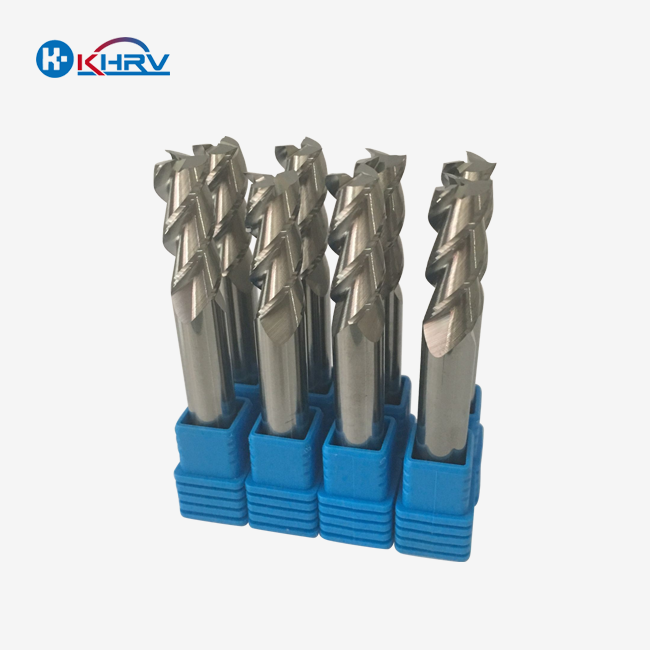
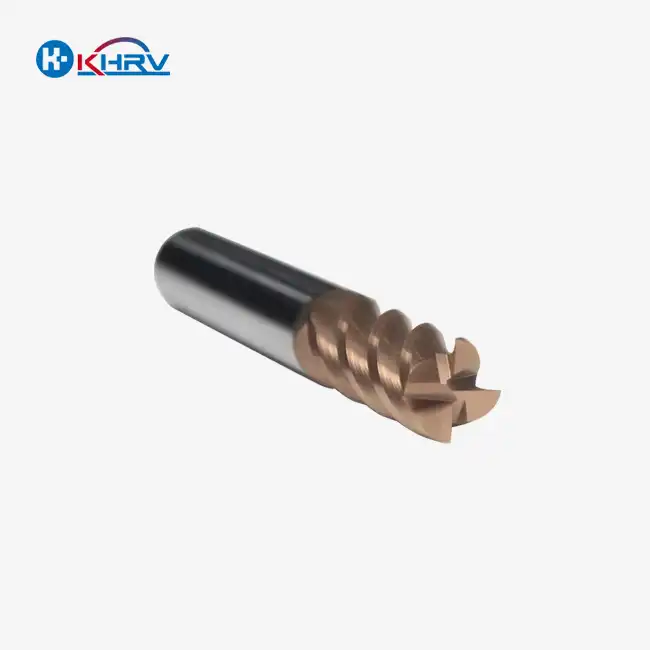
Cutting tools for titanium machining should feature geometries that promote chip formation and evacuation. Sharp cutting edges reduce cutting forces and heat generation, while positive rake angles help to direct chips away from the cutting zone. Large flute volumes in end mills facilitate efficient chip removal, preventing re-cutting and reducing heat buildup. Understanding these Challenges & Solutions is essential for optimizing tool performance, extending tool life, and achieving consistent results in titanium machining.
Advanced coating technologies
Modern coating technologies have revolutionized titanium machining. Multilayer coatings combining materials such as titanium aluminum nitride (TiAlN) and aluminum chromium nitride (AlCrN) offer superior wear resistance and thermal stability. These coatings act as a barrier against the high temperatures generated during cutting, extending tool life and allowing for increased cutting speeds.
Substrate considerations
The substrate material of cutting tools is equally important. Carbide grades with a fine grain structure and balanced hardness-to-toughness ratio are ideal for titanium machining. These substrates provide the necessary strength to withstand the high cutting forces while offering enough toughness to resist chipping and premature failure.
How high-pressure coolant improves tool life and chip evacuation?
High-pressure coolant systems have emerged as a game-changer in titanium machining for aerospace applications. These systems deliver coolant at pressures ranging from 1,000 to 10,000 PSI, offering significant advantages over conventional flood coolant methods.
Enhanced heat dissipation
The high-velocity coolant stream effectively penetrates the cutting zone, rapidly dissipating heat from the tool and workpiece. This improved thermal management prevents work hardening of the titanium and reduces the risk of built-up edge formation on the cutting tool.
Efficient chip evacuation
High-pressure coolant systems excel at chip evacuation, a critical factor in titanium machining. The forceful coolant stream breaks chips into smaller, manageable pieces and quickly flushes them away from the cutting zone. This prevents chip re-cutting and reduces the risk of tool damage, particularly in deep pocket milling operations common in aerospace components. Addressing these Challenges & Solutions ensures greater machining efficiency, longer tool life, and improved surface quality in demanding titanium applications.
Increased cutting parameters
The improved cooling and chip evacuation provided by high-pressure coolant systems allow for increased cutting speeds and feed rates. This boost in productivity is particularly valuable when machining large aerospace components, where cycle time reductions can lead to significant cost savings.
Tool life extension
By effectively managing heat and chip evacuation, high-pressure coolant systems contribute to substantial increases in tool life. Some manufacturers report tool life improvements of up to 300% when implementing these systems in titanium machining operations.
Conclusion
Mastering the art of titanium machining for aerospace applications requires a multifaceted approach. By implementing strategies to manage titanium's high strength and low conductivity, selecting optimized tool geometries and coatings, and leveraging high-pressure coolant systems, manufacturers can overcome the inherent challenges of titanium machining. These solutions not only enhance productivity and part quality but also contribute to cost reduction through improved tool life and increased machining efficiency.
Are you looking to optimize your titanium machining shapes for flying applications? Wuxi Kaihan Advancement Co., Ltd. specializes in precision CNC machining and offers cutting-edge courses of action for challenging materials like titanium. Our bunch of masters can offer help you actualize the methods talked about in this article, leveraging our state-of-the-art equipment and wide industry experience. As a trusted Titanium Machining supplier, we are committed to delivering high-quality, reliable solutions tailored to your aerospace needs. We provide OEM planning of key precision device components, cross-border semi-finishing cost-saving courses of action, and exactness multi-material semi-finishing organizations. With our ISO9001:2011 certified quality organization system and competitive evaluating (30-40% brought save stores compared to European and American makers), we're your idealize assistant for flying component manufacturing. Contact us today at service@kaihancnc.com to discuss how we can support your titanium machining needs and help you stay ahead in the competitive aerospace industry.
References
1. Ezugwu, E. O., & Wang, Z. M. (1997). Titanium alloys and their machinability—a review. Journal of Materials Processing Technology, 68(3), 262-274.
2. Pramanik, A. (2014). Problems and solutions in machining of titanium alloys. The International Journal of Advanced Manufacturing Technology, 70(5-8), 919-928.
3. Veiga, C., Davim, J. P., & Loureiro, A. J. R. (2013). Properties and applications of titanium alloys: a brief review. Reviews on Advanced Materials Science, 32(2), 133-148.
4. Jawaid, A., Che-Haron, C. H., & Abdullah, A. (1999). Tool wear characteristics in turning of titanium alloy Ti-6246. Journal of Materials Processing Technology, 92, 329-334.
5. Pervaiz, S., Deiab, I., Rashid, A., & Nicolescu, M. (2014). Minimal quantity cooling lubrication in turning of Ti6Al4V: influence on surface roughness, cutting force and tool wear. Proceedings of the Institution of Mechanical Engineers, Part B: Journal of Engineering Manufacture, 228(3), 353-362.
6. Rahim, E. A., & Sasahara, H. (2011). A study of the effect of palm oil as MQL lubricant on high speed drilling of titanium alloys. Tribology International, 44(3), 309-317.