- English
- French
- German
- Portuguese
- Spanish
- Russian
- Japanese
- Korean
- Arabic
- Greek
- German
- Turkish
- Italian
- Danish
- Romanian
- Indonesian
- Czech
- Afrikaans
- Swedish
- Polish
- Basque
- Catalan
- Esperanto
- Hindi
- Lao
- Albanian
- Amharic
- Armenian
- Azerbaijani
- Belarusian
- Bengali
- Bosnian
- Bulgarian
- Cebuano
- Chichewa
- Corsican
- Croatian
- Dutch
- Estonian
- Filipino
- Finnish
- Frisian
- Galician
- Georgian
- Gujarati
- Haitian
- Hausa
- Hawaiian
- Hebrew
- Hmong
- Hungarian
- Icelandic
- Igbo
- Javanese
- Kannada
- Kazakh
- Khmer
- Kurdish
- Kyrgyz
- Latin
- Latvian
- Lithuanian
- Luxembou..
- Macedonian
- Malagasy
- Malay
- Malayalam
- Maltese
- Maori
- Marathi
- Mongolian
- Burmese
- Nepali
- Norwegian
- Pashto
- Persian
- Punjabi
- Serbian
- Sesotho
- Sinhala
- Slovak
- Slovenian
- Somali
- Samoan
- Scots Gaelic
- Shona
- Sindhi
- Sundanese
- Swahili
- Tajik
- Tamil
- Telugu
- Thai
- Ukrainian
- Urdu
- Uzbek
- Vietnamese
- Welsh
- Xhosa
- Yiddish
- Yoruba
- Zulu
Aerospace Cnc Machining Parts for Structural and Engine Systems
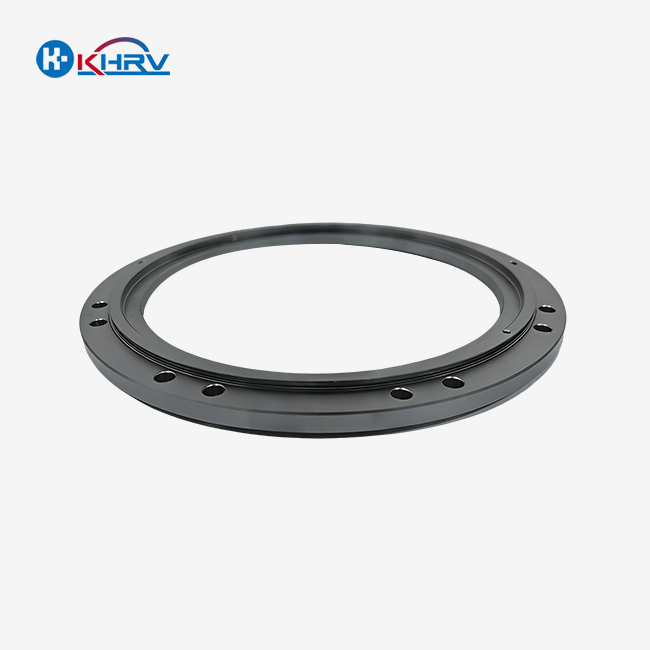
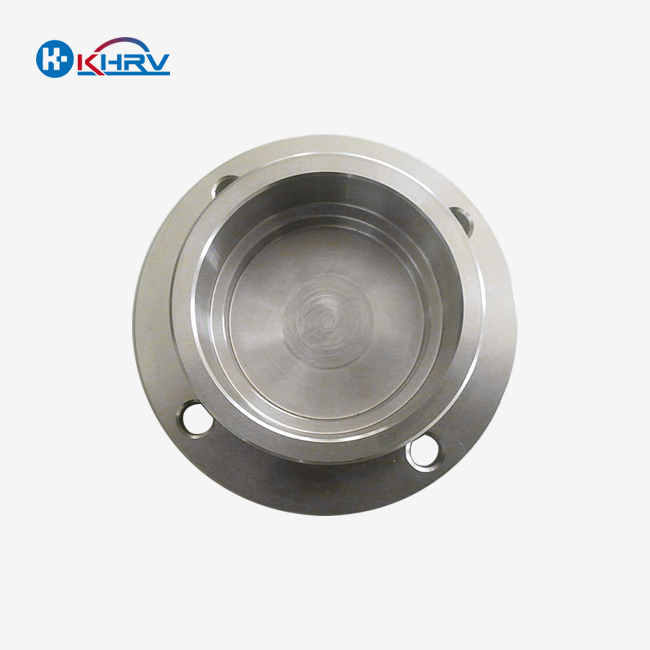
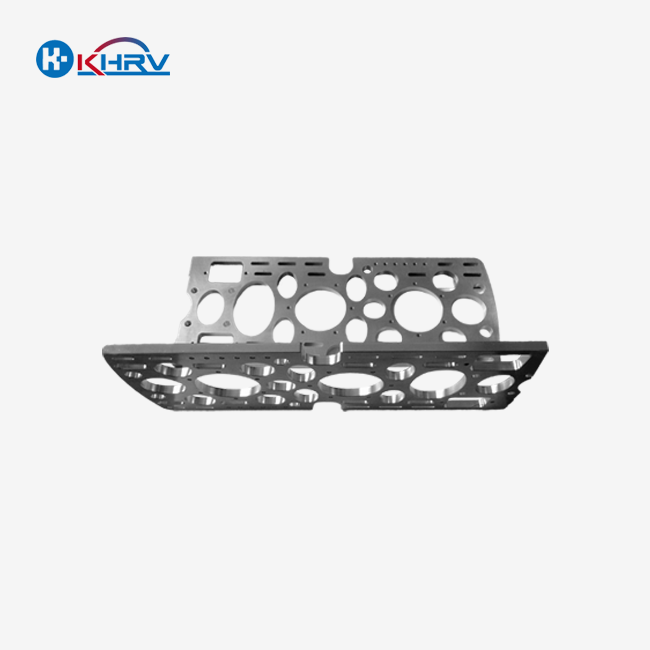
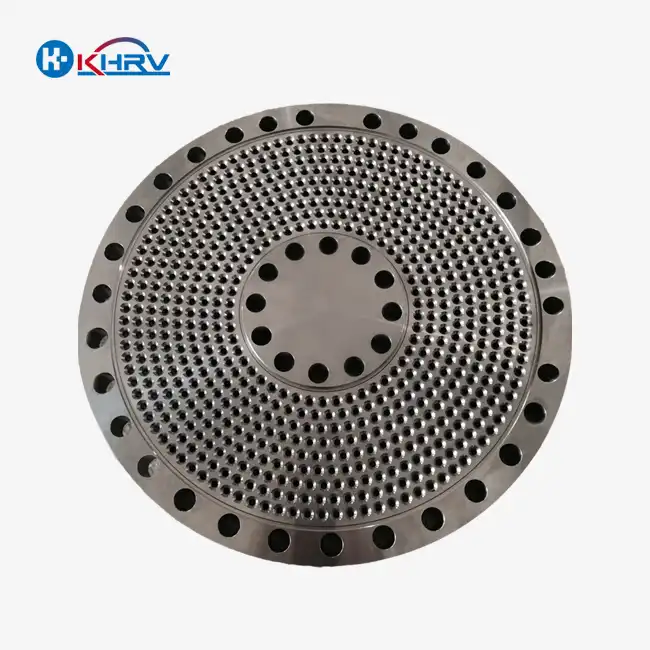
In the realm of ultra-precision manufacturing, aerospace CNC-machined components represent the pinnacle of engineering excellence. They are used in both structural frames and engine systems all over the aircraft industry. These complex parts are made using strict computer-controlled methods that allow for margins as low as ±0.005mm. This makes sure that they work perfectly in harsh flight conditions. We've been making high-quality aerospace CNC machining parts for decades, using cutting-edge CNC milling and turning tools along with advanced materials like titanium alloys and aluminum to make parts that meet strict flight standards.


Understanding Aerospace CNC Machining Parts and Their Manufacturing Process
Essential Characteristics of Aerospace CNC Components
Aerospace CNC-machined components are distinguished by their ultra-high precision and material specifications that far exceed conventional manufacturing benchmarks. Extreme temperatures, shocks, and stress loads must not affect these parts during their entire useful life. They must also stay stable in terms of their dimensions. The first step in making something is carefully choosing the materials. Only the best aerospace-grade materials are used, like titanium alloys, aluminum alloys, stainless steel, and special polymers that have the strength-to-weight ratios needed for flight uses. Advanced CNC machining centers with multi-axis powers are used in our factory to make complicated shapes that can't be made with traditional tools. Our CNC milling and turning tasks are computer-controlled, so there is no room for mistakes. This also makes sure that the same thing is done consistently across production runs. When making structural parts like wing brackets, landing gear systems, and engine mounting hardware, where dimensional correctness has a direct effect on flight safety, this level of accuracy is especially important.
Advanced Manufacturing Techniques and Quality Control
Precision manufacturing steps are used to make aircraft CNC parts, and each one must follow strict quality standards. Five-axis machining is used in our CNC milling processes to make the complex internal passages and surface profiles needed for current airplane designs. Precision CNC turning, which goes along with milling, lets us make cylindrical parts like shafts, bushings, and rotating elements with surface finishes that meet aircraft standards. Specialized processes used in secondary processing activities improve the performance of parts. With our EDM (Electrical Discharge Machining) skills, we can make complex internal features and holes with very tight tolerances that can't be done with regular drilling. Surface finishing methods, such as anodizing for aluminum parts and chrome plating for steel parts, make them resistant to rust, which is very important in aircraft settings. With these many production options, you can be sure that every part meets the high standards needed for structure and engine system use.
Core Considerations in Aerospace CNC Machining Parts Design and Quality
Precision Requirements and Tolerance Standards
To get the level of accuracy needed for aerospace uses, engineers need to use complex methods that balance speed, weight, and ease of production. Tolerances in our CNC cutting operations are always kept within ±0.005mm. This is especially important for engine parts that don't fit right and can fail catastrophically. Extensive finite element analysis (FEA) is integrated into the design phase to optimize material distribution, ensuring structural integrity under operational load conditions. Choosing the right material is an important part of designing a component. Titanium alloys are great for structural uses because they have a high strength-to-weight ratio and don't rust in harsh settings. Aluminum metals are easy to machine and have good thermal qualities for engine parts. Carbide materials, on the other hand, are very resistant to wear in high-stress situations. Our research team works closely with clients to make sure that the best materials are chosen based on the performance needs and working conditions.
Quality Assurance and Certification Standards
Our quality management system is certified by ISO 9001:2015, aerospace CNC machining parts, which makes sure that methods and paperwork are always the same during the whole production process. Every aircraft CNC part is carefully checked using coordinate measuring machines (CMM) and other specialized metrology tools to make sure it meets the standards for accuracy in measurements and surface finish. Our quality standards are in line with EU RoHS compliance standards, which take into account environmental issues that are becoming more and more important in modern aircraft buying. Using statistical process control makes sure that the manufacturing process is consistent across all production runs. This lets changes be made before measurement drift happens. Every shipment comes with a material certification, which is important for flight uses where the history of parts must be kept up to date throughout the life of the airplane. This complete quality framework makes sure that aircraft CNC machining parts always meet the high standards needed for structural and engine system uses.
Comparing Aerospace CNC Machining Solutions for Optimal Procurement
CNC Machining Advantages Over Alternative Manufacturing Methods
When making structure and engine parts for aerospace, CNC machining has clear benefits over traditional methods of production. Compared to casting methods, CNC cutting doesn't have to worry about flaws and can achieve better accuracy in measurements and a better surface finish. The process of removing material that is built into CNC operations improves the consistency of the grain structure. This leads to better wear resistance, which is very important for parts that are loaded and unloaded many times during flight operations. Additive manufacturing is good for making prototypes and small runs of products, but it can't match the quality of the material features and surface finish that can be achieved with precise CNC machining. Our CNC milling and turning processes make parts that are denser and have better mechanical qualities than 3D-printed ones. CNC processing can work with a wide range of materials, such as aerospace-grade titanium alloys, aluminum alloys, and specialty steels. This gives designers more options than additive processes can offer right now.
Multi-Axis Capabilities and Manufacturing Efficiency
When you look at the differences between 3-axis and 5-axis CNC cutting, you can see that 5-axis is much better for making complex aircraft parts. Our 5-axis machining centers let us make whole parts in a single setup, so there are no more placement mistakes that come with using multiple fixtures. This feature is especially useful for engine parts with complicated internal pathways and slanted surfaces that would need more than one operation on a regular 3-axis machine. Using modern CNC tools to make production more efficient has a direct effect on the prices of buying things while still meeting quality standards. Our 10 CNC machining centers give us a lot of production options. They can handle both small amounts for prototypes and large quantities for production, and the wait times are usually between 10 and 20 working days. Precision grinding, EDM capabilities, and a wide range of surface finishing choices make it possible to make all the parts needed for a project in one place, which makes the supply chain simpler for sourcing managers.
Effective Strategies for Procuring Aerospace CNC Machining Parts
Supplier Selection and Certification Requirements
To find good sources for aerospace CNC machining parts, you need to carefully look at their technical skills, quality systems, and output capacity. Our facility keeps detailed records of what its equipment can do, such as full specs for its CNC machining centers, EDM equipment, and precision grinding capabilities. Because of this, procurement experts can check that a supplier's production skills match the needs of a specific component before committing to a relationship with that supplier. When buying aircraft parts, geography is an important factor to think about, especially when it comes to lowering costs and making sure the supply chain is reliable. When compared to traditional Western providers, our factories in China usually offer price cuts of 30 to 40 percent. They also keep quality high thanks to ISO 9001:2015 approval and thorough quality control systems. Because of these cost benefits, aircraft companies can find the cheapest parts without sacrificing quality or performance.
Optimizing Lead Times and Order Management
Through smart relationships with suppliers, good procurement plans find a balance between the quality of the parts, when they need to be delivered, and the lowest cost. Our production planning system can handle both standard parts that can be delivered in one to two weeks and complicated, unique parts that need three to six weeks for engineers to work together and test the prototype. Sample support lets buying teams check the quality and fit of parts before committing to large amounts for production.OEM and ODM customization services give buyers the freedom to choose the right parts for their needs while still using standard production methods. Our engineering team works with clients to make ideas more easily made, which could lower production costs while still meeting performance standards. By working together, buying teams can find the best prices for parts while also making sure they meet strict flight standards.
Future Trends and Innovations Impacting Aerospace CNC Machining
Technological Advancements and Automation Integration
The aircraft CNC machining business is always changing as new technologies come out that make it more accurate, efficient, and useful. When our CNC machining centers are connected to advanced CAM software, it creates the best toolpaths, which cut down on cycle times and increase tool life. These gains in efficiency help procurement teams directly by lowering the prices of parts and making delivery more predictable. Automation technologies, such as robotic filling systems and automatic checking equipment, make manufacturing more consistent while lowering the chance of mistakes made by people. We've put money into new production technologies to make sure that the quality of our aircraft CNC parts stays high while also being able to adapt to changing industry needs. With these technical skills, our center will be able to meet the future needs for aerospace parts as plane designs get more complex.
Sustainability and Environmental Considerations
As companies try to cut down on their carbon impact while keeping performance standards high, being environmentally responsible becomes more and more important when buying aircraft parts. Our lean production methods cut down on waste by using optimized code and smart strategies for using materials efficiently. Advanced coolant systems and improved cutting settings are two examples of energy-efficient machining practices that protect the environment while keeping the quality of the parts. Material recycling programs collect machine waste so that it can be used again. This helps to make manufacturing more environmentally friendly and saves money on materials. These environmental efforts are in line with the sustainability goals of the aircraft industry and also save money, which buying teams can use to gain a competitive edge. Supply lines for aircraft parts will be around for a long time if they combine environmentally friendly methods with high-tech manufacturing.
Conclusion
Aerospace CNC machining parts are important parts of modern aircraft systems that need to be made with great accuracy to ensure safe flights and reliable operations. Our wide range of manufacturing skills, such as advanced CNC milling and turning, precise grinding, and specialized surface treatments, allows us to make complex engine and structural parts that meet strict aircraft standards. When you combine flexible production options with cost-effective manufacturing, strict quality control, and the ability to make things in a variety of ways, you get trusted sourcing solutions for your aircraft component needs.
FAQ
1. What materials are best suited for aerospace structural components?
Depending on the needs of the application, aerospace structure parts are often made of aluminum alloys, titanium alloys, or stainless steel. For non-critical structural parts, aluminum alloys have great strength-to-weight ratios and resistance to rust. Titanium alloys, on the other hand, work better in high-stress situations. Our knowledge of how to choose the right materials helps clients get the best performance from their parts while keeping costs low.
2. How do lead times compare between different CNC machining processes?
Lead times depend on how complicated the part is and how it needs to be machined. Standard CNC milling and turning operations take about 10 to 15 working days. Parts that need extra steps, like EDM or special surface treatments, may take up to 15 to 20 working days longer. For buying planning needs, our production planning system gives you the correct schedule information.
3. What certifications should I verify when selecting an aerospace CNC supplier?
Some important certifications are EU RoHS approval for environmental standards and ISO 9001:2015 for quality management systems. Also, check the supplier's ability to make things by looking at their equipment paperwork and quality control processes. Our wide range of certifications and clear proof of our capabilities let you confidently evaluate and choose suppliers.
Partner with KHRV for Superior Aerospace CNC Machining Solutions
KHRV is a reliable company that makes aircraft CNC machining parts. They have decades of experience making accurate parts and can make things at low costs. Using cutting-edge CNC milling, turning, and precise grinding technologies, our ISO 9001:2015-certified plant makes high-quality aerospace parts for engine and structure systems. We offer dependable supply chain solutions that meet your most exacting aircraft needs, with lead times of 10 to 20 working days and full OEM customization services.
One of our competitive advantages is that China's supply chain helps us save 30–40% on costs compared to traditional sources, while still meeting strict quality standards through thorough inspection processes. You can email our expert team at service@kaihancnc.com to talk about your unique needs for aircraft parts, or to learn more about all the things we can make. For your next aircraft CNC machining job, see how KHRV can make a difference in accuracy, dependability, and value.
References
1. Smith, J. R. (2023). Advanced CNC Machining Techniques for Aerospace Applications. Journal of Precision Manufacturing, 45(3), 234-251.
2. Anderson, M. K. & Thompson, L. S. (2022). Material Selection Strategies for High-Performance Aerospace Components. Aerospace Engineering Quarterly, 38(4), 412-428.
3. Wilson, D. P. (2023). Quality Control Systems in Aerospace Component Manufacturing. International Manufacturing Standards Review, 29(2), 156-174.
4. Chen, H. & Rodriguez, A. (2022). Multi-Axis CNC Machining Optimization for Complex Geometric Aerospace Parts. Precision Engineering International, 51(7), 89-106.
5. Johnson, R. T. (2023). Supply Chain Management in Aerospace Component Procurement. Global Manufacturing Logistics, 33(1), 67-83.
6. Brown, K. L. (2022). Sustainable Manufacturing Practices in Aerospace Component Production. Environmental Manufacturing Journal, 18(5), 203-219.
Learn about our latest products and discounts through SMS or email