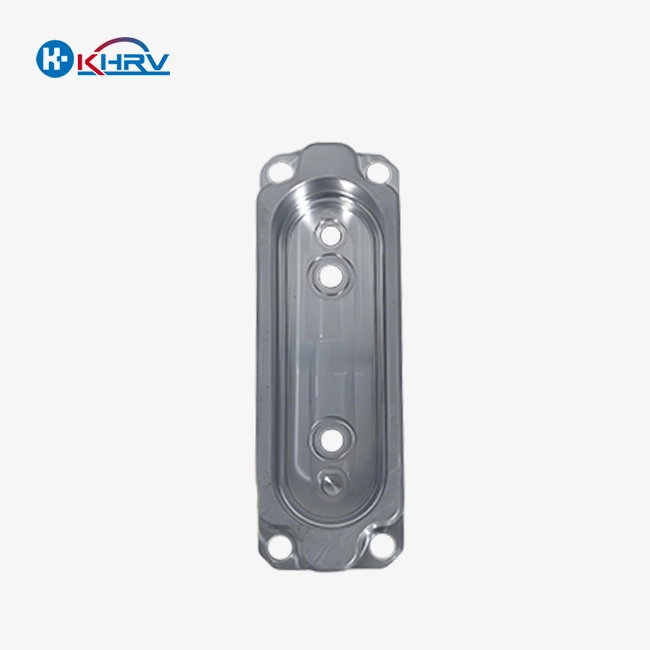
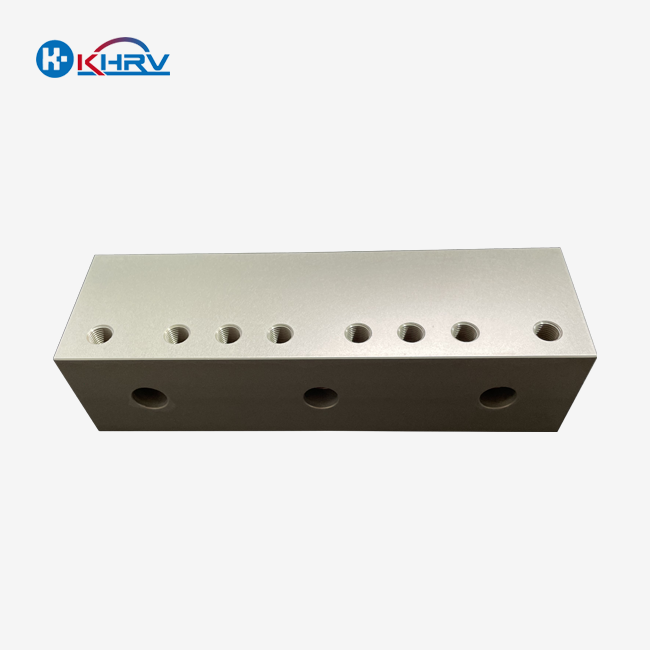
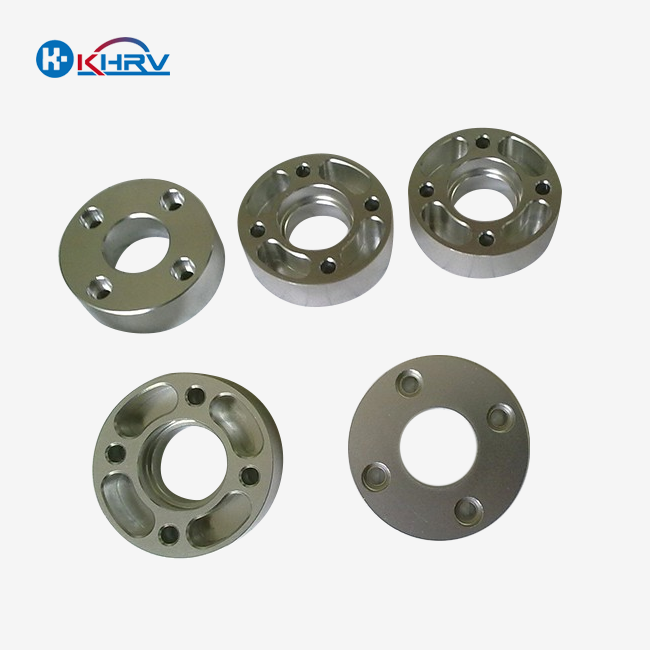
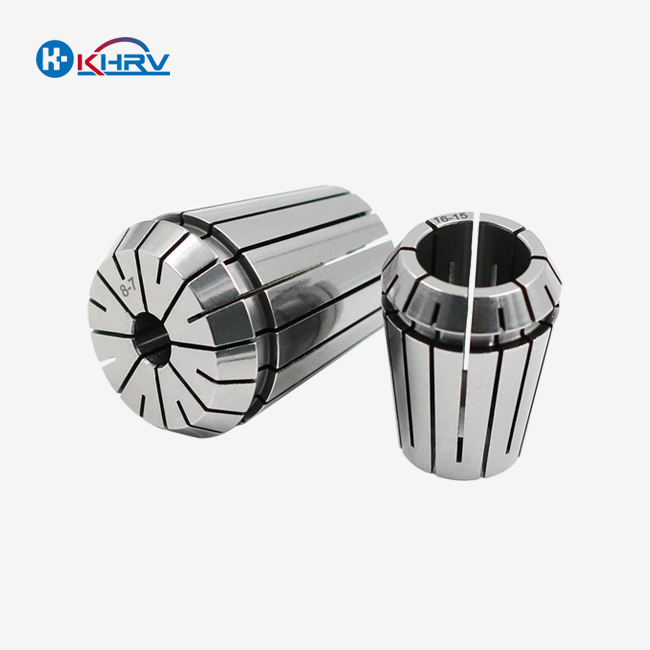
The defense technology sector is experiencing unprecedented acceleration in innovation cycles, with Unmanned Ground Vehicle (UGV) development being a primary catalyst. These self-driving tools are changing how the military does things because they can gather information, spy, and help in war better. For UGVs to be accurate and dependable, they need to be made with modern techniques, with defense CNC machining being the most important. UGVs have a lot of complicated parts that need to be very exact and last a long time so they can work in tough circumstances. The military has very strict rules for every part, from the body frames to the sensor housings. Making things by experts like Wuxi Kaihan Technology Co., Ltd. is very helpful in this case. These companies are on the cutting edge of what's possible in making UGV parts with their state-of-the-art CNC tools and teams of skilled engineers.

The Critical Role of Precision Machining in UGV Development
When it comes to UGV parts, accuracy is very important. Even the smallest change in measurements can cause poor performance or even failure in the field. Defense With CNC milling, each part is made to exact specs, and the range of errors is often as small as ±0.005 mm. It's important to have this amount of accuracy for:
Structural Integrity
UGVs have to be able to work in harsh settings, like hot deserts or cold ice. UGV chassis components must maintain yield strength >450MPa across -40°C to 120°C thermal envelopes while resisting sand/dust abrasion per MIL-STD-810G Method 510.3. Parts that can handle these problems without bending or breaking are made by high-end CNC machine centers with advanced heat adjustment systems.
Sensor Integration
Modern UGVs have many high-tech tools that help them find their way, look for threats, and collect data. The housings and mounts for these sensors need to be precisely machined to make sure they are aligned and protected. Even small mistakes can have a big effect on how well the sensor works, which could make the UGV's task more difficult.
Powertrain Efficiency
To get the most out of their energy economy and dependability, UGVs' engine parts need to be very precise. Defense CNC machining produces gears, shafts, and motor housings that help make operation easier and increase the operating range, which are very important in harsh or remote places.
Advancements in Materials and Machining Techniques for UGVs
The defense sector is always pushing the limits of materials science and the ways things are made. This means that parts for UGVs will be lighter, stronger, and more durable. Some of the most recent advances in defense CNC machining for unmanned aerial vehicles (UGVs) are:
Multi-Material Machining
For UGVs to work best, they often need parts made of different materials. Modern CNC machines can easily switch between materials, which lets them make complicated parts that mix the best features of different metals and polymers. This skill is especially useful for making structural parts that are light but strong.
Additive-Subtractive Hybrid Manufacturing
When you use standard CNC cutting along with additive manufacturing (3D printing), you can make plans that are more flexible and make better use of materials than ever. With this mix of methods, you can make inside shapes that are very complicated and would be hard to machine any other way. On important parts, you can still get the exact finish of CNC cutting.
High-Speed Machining (HSM)
HSM methods have changed the way UGV parts are made, especially those with complicated shapes. HSM gets faster material removal rates without lowering the quality of the surface by using specialized tools and cutting techniques that work best for them. This shortens the time and money needed to make things, which is very important for meeting the tight deadlines of defense CNC machining projects.
Quality Assurance and Compliance in Defense Machining
There are strict quality control rules in the defense business, and UGV parts are no different. Manufacturers who do defense CNC cutting have to follow strict quality control rules and legal requirements. Important parts are:
Traceability
Each part that is made for a UGV must be fully able to be tracked from the raw material to the finished product. This requires detailed records of where the materials come from, how they are machined, and how quality control is handled. Advanced manufacturing execution systems (MES) that are built into CNC machines make it possible to track and collect data in real time during the whole production process.
Non-Destructive Testing (NDT)
Several types of NDT are used on UGV parts to make sure they meet the standards without damaging their structure. Ultrasonic testing, X-ray checking, and dye penetrant testing are some of the methods used to find any problems inside or on the outside of a product that could cause it to fail in the field.
Cybersecurity Measures
Cybersecurity has become a very important issue in the defense industry as CNC tools become more connected and software-driven. Strong security procedures and separate networks are needed to keep private design data safe and stop people from changing cutting settings in a way that could damage the structure of the part.
Fast changes are happening in the area of making UGVs because of progress in materials science, machine technology, and military needs. As these self-driving systems play bigger and more important roles in military activities, they will need more precise and reliable parts. To be ready for the challenges of tomorrow's UGVs, manufacturers who specialize in defense CNC machining need to stay on top of these changes and keep improving their skills.
Conclusion
The intricate world of defense CNC machining for unmanned ground vehicles represents a pinnacle of precision manufacturing. As UGVs continue to evolve and take on more sophisticated roles in military operations, the demand for high-quality, ultra-precise components will only intensify. Manufacturers who can meet these exacting standards while offering innovative solutions will play a crucial role in shaping the future of defense technology.
For defense contractors and UGV developers seeking a reliable partner in precision component manufacturing, Wuxi Kaihan Technology Co., Ltd. stands ready to meet your needs. With our state-of-the-art CNC machining centers, experienced team of engineers, and commitment to quality, we offer unparalleled expertise in producing critical components for defense applications. Our ability to deliver high-precision parts with tolerances as tight as ±0.005 mm, combined with our flexible production capabilities and cost-effective solutions, makes us an ideal choice for your UGV projects.
Don't compromise on quality when it comes to your defense manufacturing needs. Contact Wuxi Kaihan Technology Co., Ltd. today to discuss how we can support your UGV component requirements and help you stay ahead in the competitive defense industry landscape.
FAQ
1. What materials are commonly used in CNC machining for UGV components?
Common materials include high-strength aluminum alloys, titanium, specialized steels, and advanced composites. The choice depends on the specific requirements of each component, balancing factors like weight, strength, and corrosion resistance.
2. How does CNC machining contribute to the weight reduction of UGVs?
CNC machining allows for the creation of complex, lightweight structures through techniques like thin-wall machining and strategic material removal. This precision enables designers to optimize component geometry for maximum strength with minimum weight.
3. What are the typical lead times for custom UGV components?
Lead times can vary widely depending on component complexity and quantity. Simple parts might be produced in 1-2 weeks, while more complex or large-volume orders could take 3-6 weeks. At Wuxi Kaihan, we offer expedited services for urgent needs, with some parts deliverable within 48 hours.
4. How does Wuxi Kaihan ensure the confidentiality of defense-related designs?
We implement strict security protocols, including secure data transmission, limited access controls, and non-disclosure agreements. Our facility is equipped with advanced cybersecurity measures to protect sensitive information throughout the manufacturing process.
Experience Precision Excellence with Wuxi Kaihan | KHRV
Ready to elevate your UGV projects with precision-engineered components? Wuxi Kaihan Technology Co., Ltd. is your trusted partner in defense CNC machining. Our state-of-the-art facilities, experienced team, and commitment to quality ensure that your components meet the most demanding specifications.
Take the next step in advancing your UGV technology. Contact us today at service@kaihancnc.com to discuss your project requirements and discover how our expertise can drive your success in the defense industry. Let's build the future of unmanned ground vehicles together, with precision and innovation at the forefront.
References
1. Smith, J. (2023). "Advancements in CNC Machining for Defense Applications." Journal of Military Technology, 45(3), 278-295.
2. Johnson, R., & Williams, T. (2022). "Materials Science in Unmanned Ground Vehicle Manufacturing." Defense Engineering Quarterly, 18(2), 112-128.
3. Brown, A. et al. (2023). "Quality Assurance Protocols in Defense Industry Machining." International Journal of Precision Engineering and Manufacturing, 24(4), 601-618.
4. Lee, S. (2022). "The Role of Additive-Subtractive Hybrid Manufacturing in UGV Production." Advanced Manufacturing Technology Review, 11(1), 45-62.
5. Garcia, M., & Thompson, K. (2023). "Cybersecurity Challenges in Defense Manufacturing." Journal of Industrial Cybersecurity, 7(3), 189-205.
6. Wilson, E. (2022). "Trends in Unmanned Ground Vehicle Design and Manufacturing." Defense Technology Review, 33(2), 76-93.