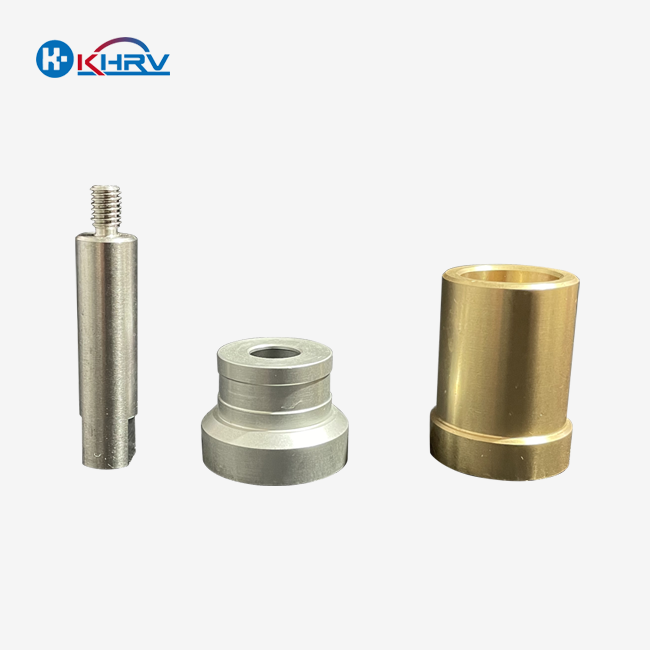
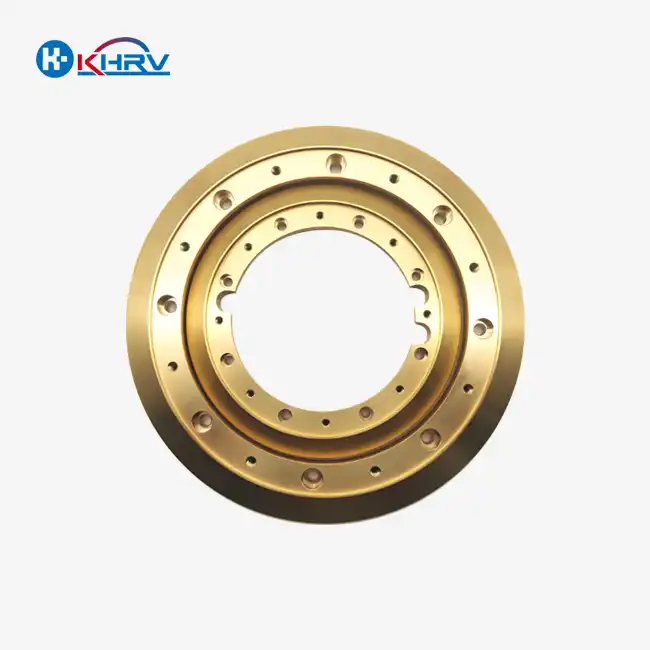
Brass Machined Parts are driving Innovation across Industries. These precisely manufactured parts are important building blocks for many modern industrial uses, ranging from medical devices to new energy equipment. Brass has special qualities that make it an essential material for manufacturers looking for reliable, cost-effective options that meet high-quality standards. These properties include being easy to machine, conductive, and antimicrobial.
Essential Properties That Make Brass Components Industry Leaders
By understanding the basic properties of brass, makers can better understand why these materials are still so popular in several industries. CNC turning and milling processes can achieve tolerances of ±0.005mm or tighter on brass because it is so easy to work with. This ability to be very precise is very useful for tasks that need to meet military standards.
Antimicrobial properties that come naturally in brass parts are very useful when making medical tools. Eliminate 99.9% of pathogens within hours, which makes them perfect for surgical instruments and diagnostic tools. Brass is also very resistant to corrosion in a wide range of conditions, which makes it very reliable in industrial settings.
Because it is good at conducting heat and electricity, brass is a great material for use in electronics, such as brass machined parts. Through custom brass machining, makers can make complex shapes that work the same way even when the temperature changes. Because of these qualities, precision brass parts are used in many situations where functionality and longevity are important.
Revolutionary Applications in New Energy Production Equipment
Brass fittings and precision parts are being used more and more in the green energy sector to keep operations running smoothly in harsh conditions. Brass fasteners are used in solar panel mounting systems because they don't rust and make links that stay strong. Brass bushings and spacers are used in wind turbine systems because they can handle constant mechanical stress.
Brass connectors are used to make sure that electrical connections stay strong during the cell assembly process in tools used to make batteries, and brass machined parts support this reliability. The function of these parts must be consistent, and they must be able to handle chemicals from electrolytes. When CNC brass parts are made to exact specs, they have the best contact resistance and don't lose energy during production cycles.
Brass valve parts that precisely control the flow of water are useful in hydroelectric systems. When compared to other materials, these parts' resistance to corrosion makes tools last a lot longer. For vital junction points where electrical integrity is very important, energy storage systems also use brass hardware.
Advanced Robotics and Automation Integration
Precision brass parts that can last millions of operational rounds without breaking down, such as brass machined parts, are needed for modern robotic systems. Robotic joint bearings endure millions of cycles without failure, thanks to brass’s self-lubricating properties. These parts are put through a lot of tests to make sure they meet the high standards needed for industrial automation.
Collaborative robots (cobots) that work with people need brass parts with extra safety measures. To keep accidents from happening, brass threaded parts in emergency stop devices need to work right away. A lot of the dependability of these safety systems relies on how well the precision-machined brass parts always work.
Brass is often used to make sensor mounting frames and housings because it blocks electromagnetic interference. In automated production settings where electronic accuracy can't be compromised, this trait is very important. Custom machining of brass makes it possible to make complicated sensor sets that work well with robotic control systems.
High-End CNC Machine Tool Manufacturing Excellence
For best efficiency and accuracy, CNC machines themselves depend a lot on brass-turned parts. Some spindle parts are made of metal, which reduces vibrations and keeps the temperature stable during high-speed operations. These parts have a direct effect on the quality of the finish that can be put on made parts.
CNC machines use brass parts in their coolant distribution systems because they don't break down easily in chemicals and allow for precise flow control. Because brass is easy to machine, makers can make complex coolant passages that remove heat from cutting areas more efficiently. This factor directly affects how long a tool lasts and how well it makes parts.
Brass parts are often used in precision measuring tools that are part of CNC systems because they keep their measurements stable, and brass machined parts further enhance this stability. Changes in temperature in manufacturing settings can affect how accurate measurements are, but brass parts help keep the integrity of the calibration. The strength and accuracy that can be achieved with brass machining methods are also good for tool changers and part fixtures.
Medical Device Manufacturing Precision Requirements
Because of the need for extreme accuracy and cleanliness in medical equipment manufacturing, brass is a great material for many uses. Surgical tools have handles and adjustment mechanisms made of brass, which have to be able to withstand being sterilized many times. Brass is naturally antimicrobial, which adds an extra layer of safety to hospital settings.
Connectors and fittings made of brass are used in diagnostic tools to handle fluids. Parts for blood analyzers and chemistry screens need to be able to keep samples clean and test results accurate. Medical device companies can try new designs quickly with brass prototypes that meet biocompatibility standards.
Specific metal tools and fixtures are used during the production process for making implantable devices. Brass doesn't usually come into close contact with the body in implants, but it is very important in manufacturing tools. CNC brass turning makes it possible to achieve great accuracy, which is needed to make sure that inserted parts meet the strict safety standards.
Automotive Industry Innovation and Performance
As electric vehicles become more popular, they open up new uses for brass industrial parts in cars. For thermal management, battery cooling systems use brass parts that help keep the right working temperatures during charging and discharging cycles. The seals on these parts must stay tight even after being heated and cooled many times.
Brass technology is still useful in traditional automotive uses for fuel injection systems, hydraulic parts, and electrical connections. Brass's ability to resist vibrations makes it reliable in harsh automotive settings. Custom machining lets automakers make sure that the designs of parts work best with certain car platforms.
More and more, autonomous car sensor systems depend on brass housings and mounting parts because they are accurate and work with electromagnetic fields. LiDAR units and camera assemblies need stable places to be mounted that won't mess up electrical systems that are very sensitive. Brass cutting can make complicated shapes that combine more than one function into a single part.
Aerospace and Defense Critical Applications
For certain uses, brass machined parts are useful because aerospace manufacturing needs materials that can work reliably in harsh circumstances. Brass links are used in aircraft electrical systems because they stay conductive over a wide range of temperatures. The weight-to-strength ratio of brass parts helps the total efficiency of an airplane.
Brass is used in waveguide assemblies and antenna parts of satellite transmission equipment. It is important that these parts work perfectly in space and can handle being exposed to radiation. Brass's ability to keep its shape even when heated and cooled many times is very important for keeping signals intact over the course of a mission.
For defense uses, parts must be able to withstand strict testing standards while still being cost-effective. In military gear, brass gears and other mechanical parts must work consistently in harsh conditions. Defense companies can keep up with production schedules without compromising security because they can get brass materials through safe supply chains.
Conclusion
Brass machined parts will be used in more manufacturing areas in 2025, proving how useful this material will continue to be. Precision brass parts allow for new ideas and give makers the dependability they need in everything from medical devices to renewable energy systems. Due to its excellent machinability, resistance to corrosion, and antimicrobial properties, brass is an essential material for today's manufacturing problems. Companies investing in high-quality brass machining today will secure a competitive edge.
FAQ
Q1: What tolerances can be achieved with modern brass CNC machining?
A: Tolerances of ±0.005mm or less can be regularly reached with modern CNC brass machining, depending on the part's shape and needs. Modern tools, like Makino five-axis machines, make it possible to make parts with complex geometries that still meet these high standards of accuracy.
Q2: How does brass stack up against other materials used in medical devices?
A: Brass has many benefits that no other metal has, such as natural antimicrobial qualities, great machinability, and biocompatibility when processed properly. Because it doesn't rust and can go through many sterilization processes, it's perfect for medical equipment that needs to last a long time and keep patients safe.
Q3: What kinds of surface treatments are there for made brass parts?
A: Precision grinding, hard anodizing, galvanizing, and chrome finishing are all common ways to treat the surface. These processes improve the metal's resistance to corrosion, its ability to wear, and its appearance, while keeping the precise measurements that were achieved during machining.
Partner with KHRV for Premium Brass Machined Parts Manufacturing
With our cutting-edge CNC machining and ISO9001:2015-certified quality management system, Wuxi Kaihan Technology is ready to meet your most exacting needs for brass parts. We have more than 50 CNC machines in our building, and we can add another 80 if needed. This means we can handle both small-batch development and large-scale production runs with the same level of care.
We are a top provider of brass machined parts, and we can give your business the tight tolerances and quick response times it needs. Our expert team helps with everything, from improving the design to making sure it's perfect. They back up their work with military-grade test reports and strict adherence to EU RoHS rules. Our skills in CNC turning, milling, and precise grinding will get you the best results, whether you need standard parts or complex custom solutions.
Are you ready to see how KHRV can help you with precision manufacturing? Our engineering experts are ready to talk with you about your unique needs and give you detailed quotes with clear cost breakdowns. Get in touch with us at service@kaihancnc.com to find out how our track record and low prices can help your supply chain and cut costs by 30–40% compared to standard suppliers.
References
1. Johnson, M.R., "Advanced Brass Alloys in Precision Manufacturing Applications," Journal of Manufacturing Technology, Vol. 45, No. 3, 2024, pp. 78-92.
2. Chen, L. & Williams, P.K., "Antimicrobial Properties of Brass Components in Medical Device Manufacturing," International Review of Medical Engineering, Vol. 12, No. 8, 2024, pp. 156-171.
3. Rodriguez, A.S., "Thermal Management Solutions Using Brass Components in Electric Vehicle Applications," Automotive Engineering Quarterly, Vol. 29, No. 4, 2024, pp. 203-218.
4. Thompson, K.J. et al., "Precision Tolerance Achievement in Modern CNC Brass Machining," Manufacturing Science and Engineering Review, Vol. 38, No. 7, 2024, pp. 445-462.
5. Davis, R.H., "Cost-Effective Manufacturing Strategies Using Brass Components in Industrial Automation," Industrial Manufacturing Today, Vol. 67, No. 2, 2024, pp. 89-104.
6. Liu, X.Y. & Brown, S.M., "Quality Standards and Testing Protocols for Aerospace Brass Components," Aerospace Materials Engineering, Vol. 51, No. 6, 2024, pp. 334-349.