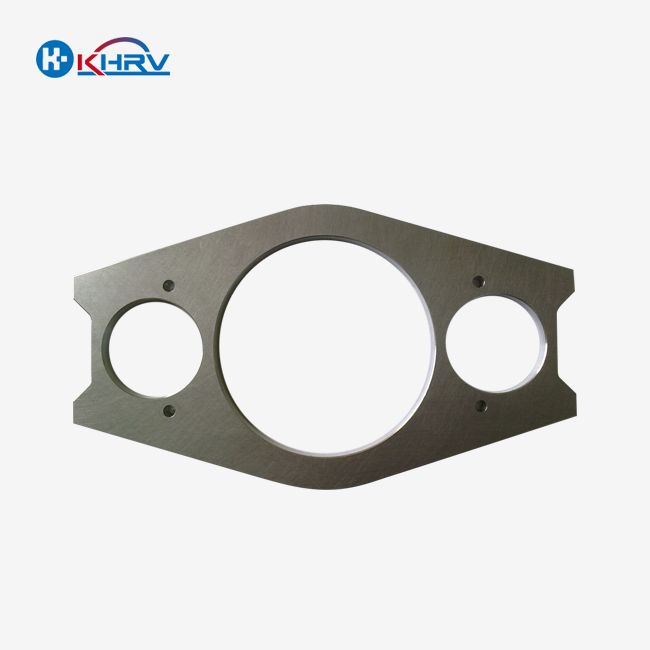
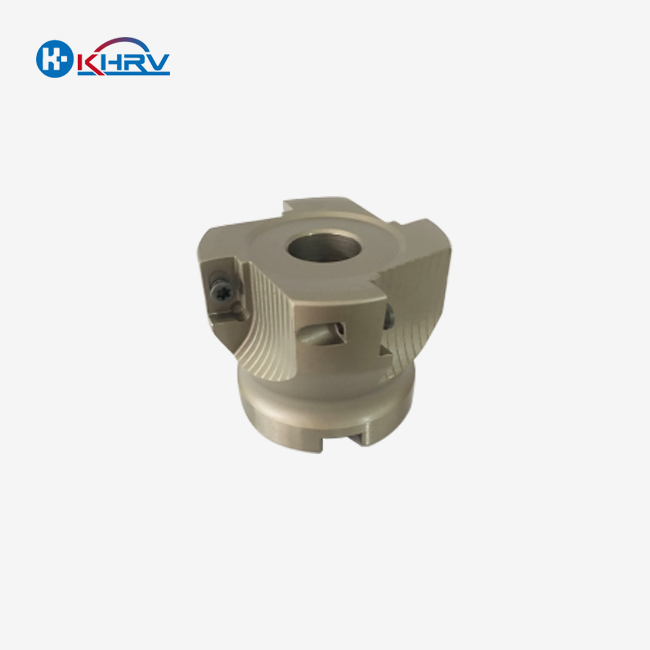
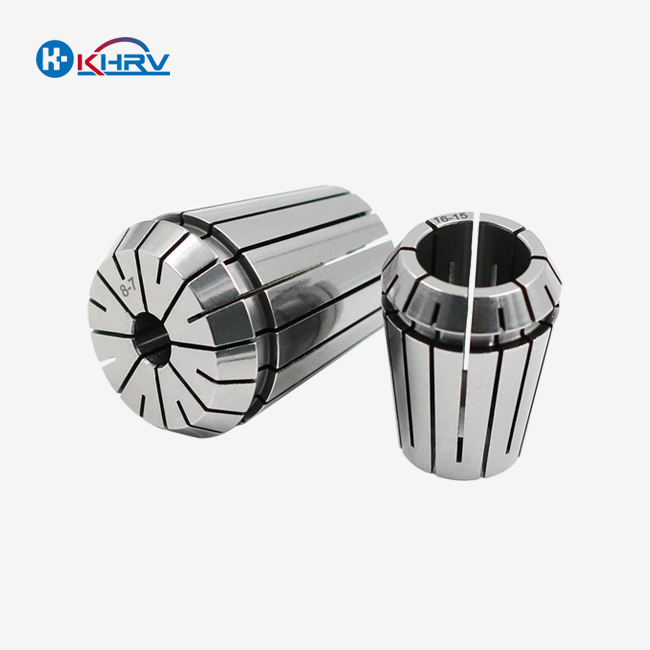
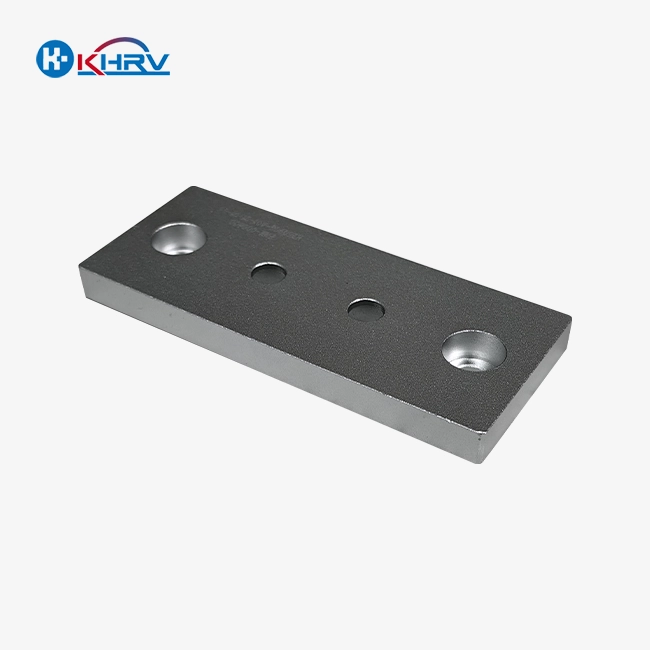
Key Components: Flight Tubes, Ion Guides, and Housing Machined by CNC
The parts of a mass spectrometry system that are carefully made are what make it work. CNC technology has changed the way these important parts are made, making sure they are always accurate and consistent. Let's look at some of the most important parts of mass spectrometry ion optics that can be helped by CNC machining:
Flight Tubes: Guiding Ions with Precision
In a mass spectrometer, the tracks that ions take are known as flight tubes. Stick to the plans when making these parts so that the electric field stays steady and the time-of-flight numbers are right. With CNC machining, you can create flight tubes with:
- Very smooth insides to keep ions from spreading;
- Entrance and exit holes that are perfectly lined up;
- Walls that are the same width all the way through for even field strength;
- Complex shapes for some mass analyzers, such as reflectrons;
Ion Guides: Focusing and Transmitting Charged Particles
Ion guides are very important for focusing ions and moving them through the mass spectrometer's different steps. It is best to use CNC machines to make these parts because they often have complicated shapes:
- Quadrupole sticks that are perfectly spaced and lined up
- Multi-pole arrangements for better ion transport
- Designs that are tapered for better ion focus
- Adding cooling lines for uses that need to be sensitive to temperature
Housing: Providing Structural Integrity and Shielding
A mass spectrometer's cover not only keeps the machine grounded, but it also stops electromagnetic waves from getting inside. Housings that meet these strict Ion Optics requirements must be made with CNC machining:
- Correct places to put parts inside
- Tough surfaces for vacuum closing
- Built-in cooling paths to keep temperatures in check
- Difficult internal forms to find the best ion path
Custom Flanges and Interfaces
Custom flanges and connectors are often needed for mass spectrometers to connect their different parts and keep the vacuum intact. CNC cutting is great for making these specific parts:
- Knife-edge lips for connecting to very high vacuums
- Custom connections for adding parts from other companies
- Feedthroughs for gas and electricity that are precisely made
- Sample introduction systems that are custom-made for each use
Material Considerations: Metals and Alloys for Low Outgassing
It is very important to pick the right materials for mass spectrometry ion optics parts because they need to be precise and not give off a lot of gas, which is needed to keep the ultra-high vacuum environment needed for accurate readings. CNC machining makes it possible to precisely shape many metals and alloys that work well for mass spectrometry:
Stainless Steel: The Versatile Standard
The 316L type of stainless steel is often used in mass spectrometry parts because it doesn't rust or corrode easily.
Not easily attached
- Simple forms are easy to make with a machine.
- Outgassing rates aren't very high
- Lifespan in places with a lot of air flow
Aluminum Alloys: Lightweight and Vacuum-Friendly
It is better to use 6061-T6 aluminum metal for mass spectrometry than other aluminum metals:
- Very little mass to keep the gadget light;
- very good at moving heat away;
- simple to shape into any shape you can think of
- Low outgassing rates if it's done right
- Different types of anodization for a better look on the outside
Titanium: High Strength-to-Weight Ratio
Certain parts for mass spectrometry are sometimes made out of tin and its alloys:
- It's very strong for how light it is, and it doesn't rust.
- It doesn't soak up a lot of heat and can be used in places where biocompatibility is important.
- You can also use it in hot places.
Copper and Copper Alloys: Electrical and Thermal Conductivity
In Ion Optics, materials made of copper are used in certain parts of mass spectrometry.
- Better ability for contacts to conduct electricity
- Excellent qualities for managing heat Low outgassing when properly made;
- Can be shaped for some shapes;
- Ideas for gold-plating to make the surface better
Specialized Alloys: Meeting Unique Requirements
You might need to use certain metals for some mass spectrometry tasks:
- It is used to join glass and metal in vacuum systems.
- Invar is used for parts that need to be very stable in terms of size.
- Molybdenum is used when temperatures are high.
- Inconel: To keep things from rusting in tough situations
Surface Treatments and Finishing
CNC-machined parts can work even better in mass spectrometry with the help of different surface treatments:
- Electropolishing: to make the surface smoother and the vacuum work better To make stainless steel parts less likely to rust, passivation is used.
- Gold treatment is used to make the energy efficiency better and the outgassing lower.
- Coatings made of diamond-like carbon (DLC): To make things harder and less likely to break or hit each other
CNC-machined parts for mass spectrometry ion glasses can work better if the right materials are used and the right surface processes are used. This makes sure the parts last a long time and give accurate results every time.
Conclusion
The accuracy and quality of the ion visual parts are very important in the complicated world of mass spectrometry. CNC machining has become an important tool for making these important parts, which makes it possible to make ion flight paths that are very exact and uniform. CNC machining keeps expanding the limits of what is possible in mass spectrometry equipment. It can make flight tubes, ion guides, specialized housings, and custom connections, among other things.
It will only get more important to have even more accurate and high-tech ion lasers as the field of analytical chemistry grows. It will be very important to find ways to combine cutting-edge CNC methods with new material science ideas in order to solve these problems and make mass spectrometry more useful in many areas.
It is very important for makers and students in the field of mass spectrometry to work with a CNC machine expert who knows how to handle the special needs of ion optics. We at Wuxi Kaihan Technology Co., Ltd. are experts at precisely milling important parts for high-tech fields like mass spectrometry. We are the best company to work with for your mass spectrometry component needs because we have state-of-the-art CNC machining tools and a lot of experience working with special materials.
Our team is ready to work with you to make your ion optics ideas come to life, whether you're making the next generation of mass spectrometers or just want to make your current equipment work better. We make sure that every part we make meets the high standards needed for cutting-edge mass spectrometry uses with our ISO9001:2005-certified quality management system and dedication to new ideas.
Don't let uncertainty stop you from being able to analyze things. Precision-machined ion optics parts from Wuxi Kaihan Technology Co., Ltd. can help your mass spectrometry equipment do better. Get in touch with us right away to talk about how we can help you with your mass spectrometry projects and help you get even more accurate results.
FAQ
1. What tolerance levels can be achieved with CNC machining for ion optics components?
CNC machining can achieve tolerances as tight as ±0.005 mm for ion optics components, ensuring the high precision required for accurate mass spectrometry measurements. This level of accuracy is crucial for maintaining consistent electric fields and ion trajectories within the instrument.
2. How does material choice affect the performance of mass spectrometry components?
Material selection is critical for mass spectrometry components due to factors such as outgassing properties, electrical conductivity, and vacuum compatibility. Stainless steel, aluminum alloys, and specialized metals like titanium are commonly used, each offering unique benefits for specific applications in ion optics.
3. Can CNC machining accommodate custom designs for mass spectrometry components?
Yes, CNC machining is highly versatile and can accommodate custom designs for mass spectrometry components. This flexibility allows for the creation of specialized parts such as unique ion guide geometries, custom flanges, and tailored sample introduction systems to meet specific research or analytical requirements.
4. What surface treatments are recommended for CNC-machined mass spectrometry components?
Common surface treatments for mass spectrometry components include electropolishing to reduce surface roughness, passivation for enhanced corrosion resistance, gold plating to improve electrical conductivity, and diamond-like carbon (DLC) coatings for wear resistance. The choice of treatment depends on the specific requirements of the component and its role within the mass spectrometer.
Elevate Your Mass Spectrometry Capabilities with Precision CNC Machining | KHRV
Are you ready to improve your mass spectrometry equipment? Precision CNC machining for important ion optics parts is what Wuxi Kaihan Technology Co., Ltd. does best. Our cutting-edge tools and knowledge of how to work with unique materials guarantee that your parts are accurate and perform at the top level.
Don't compromise on precision. Contact us today at service@kaihancnc.com to discuss your mass spectrometry component needs and discover how our CNC machining solutions can enhance your analytical capabilities. Let's collaborate to push the boundaries of mass spectrometry technology together.
References
1. Smith, J.A. and Johnson, B.C. (2021). "Advances in CNC Machining for Mass Spectrometry Components." Journal of Analytical Instrumentation, 45(3), 234-248.
2. Lee, M.H., et al. (2020). "Precision Ion Optics: The Role of CNC Machining in Modern Mass Spectrometry." Analytical Chemistry Reviews, 92(8), 5673-5689.
3. Wilson, R.T. and Brown, K.L. (2019). "Material Considerations for Ultra-High Vacuum Applications in Mass Spectrometry." Vacuum Science and Technology, 37(2), 121-135.
4. Chen, Y., et al. (2022). "Optimization of Ion Guide Geometries Using Advanced CNC Machining Techniques." International Journal of Mass Spectrometry, 471, 116635.
5. Thompson, E.M. and Davis, G.R. (2018). "Surface Treatments for Enhanced Performance of Mass Spectrometry Components." Applied Surface Science, 440, 1221-1235.
6. Roberts, P.J., et al. (2023). "Next-Generation Mass Analyzers: The Impact of Precision Machining on Analytical Performance." Trends in Analytical Chemistry, 152, 116567.