Benefits of Trochoidal Toolpaths: Heat Control and Tool Life
There are many good things about using trochoidal toolpaths in CNC machining, especially for hardened steel die holes. Two of the biggest benefits are better control of heat and longer tool life, which are both very important in precision manufacturing.
Exceptional Heat Management
When working with sharpened steel, heat creation is very important. Too much heat can cause errors in measurements, flaws on the surface, and faster tool wear. Trochoidal milling is great at managing heat in a number of ways, including:
- irregular Cutting Action: Because trochoidal milling moves in a circle, the cutting action is irregular. This gives the tool and the thing being cut a chance to cool down every so often. This keeps the heat from building up, which can happen when you cut all the time.
- The cutting tool and workpiece don't rub against each other as much when trochoidal milling is used because the tool contact area stays small. Because there is less contact, less heat is made right away during the grinding process.
- Better Coolant Efficiency: Because trochoidal toolpaths are moving, coolant can get deeper into the cutting zone. This better flow of coolant helps quickly get rid of heat, keeping temperatures low during the whole grinding process.
Prolonged Tool Life
Tool life is a very important part of the costs of cutting, especially when working with materials that have been strengthened. Trochoidal milling makes tools last a lot longer in a number of ways, including:
- Less stress on the tool: The circle motion and small radial contact of trochoidal milling spread the cutting forces more evenly across the cutting sides of the tool. This even spread keeps the stress on the tool from building up in one place, which lowers the risk of failure and damage.
- Cutting Conditions That Stay the Same: Trochoidal toolpaths keep cutting conditions more stable during the whole grinding process. This level of regularity helps keep cutting forces from rising quickly, which could damage or break tools.
- Optimized Chip Formation: Trochoidal milling's controlled contact helps make chips that are smaller and easier to work with. This improved chip forming makes it less likely that chips will need to be re-cut, which is a common problem in standard milling methods that leads to faster tool wear.
- Thermal Shock Lessening: Trochoidal milling lessens thermal shock to the cutting tool by better controlling heat. This decrease in heat stress cycles makes tool life much longer, especially when cutting stops and starts, which happens a lot in die cavity machining.
Economic Implications
The joint benefits of better control of heat and longer tool life have big economic effects on manufacturers:
- To make things last longer, use stronger tools. These tools don't break as often, so you save a lot of money over time.
- More work gets done because tools that last longer need to be changed less often. This lets machines be used more often and make more.
- Better Part Quality: Better control of heat leads to more uniform part quality, which lowers the amount of scrap and the need for repair.
- Use less power: Because trochoidal milling cuts well, the whole process of making something can be done with less power.
When working with hardened steel or other tough materials, these perks can help makers change the way they machine things in big ways. A cheap and easy way to make good die holes is to use trochoidal milling. This is because it lets you better control the heat, and the tools last longer.
CAM Considerations: Programming, Feed Rates, and Cutter Selection
Computer-Aided Manufacturing (CAM) methods need to be carefully thought through in order to use trochoidal milling for strengthened steel die holes. For this advanced cutting method to work, it's important to use the right code, feed rates, and cutters. Let's go into more depth about these important points:
Programming Strategies for Trochoidal Toolpaths
Trochoidal cutting works best when the design is done right. CAM software is very important for making toolpaths that work well and get the most out of this method:
- Toolpath Optimization: More advanced CAM systems can make trochoidal toolpaths that are adjusted so that the cutting forces and tool contact stay the same. This improvement keeps the machine moving smoothly and stops rapid changes in load that could put stress on the tool or subject.
- Adaptive Clearing: Adding adaptive clearing methods to trochoidal milling can make it work even better. These programs change the toolpath based on how much material is still there. This improves the rate of material removal while keeping the cutting conditions safe.
- How to Enter and Leave: Programming the entry and exit places of the tool carefully is necessary to keep the tool from breaking and to keep the quality of the surface uniform. For trochoidal grinding in strengthened steel, gradual rising or helix entry methods are often better.
- Think about how the CNC machine can move as you write. Toolpaths that follow the limits of how fast and slow the machine can go will make it run more easily and finish the surface better.
Feed Rate Optimization
Finding the best feed rates for trochoidal milling in hardened steel is a tricky task that has a big effect on how well the job is done and how long the tools last:
- High-Speed Capabilities: Compared to other ways, trochoidal milling often lets you use faster feed rates. These rates must be carefully determined, though, so that the technique's benefits are kept without putting too much stress on the tool or machine.
- Variable Feed Rates: Changing the feed rates along the toolpath can make the cutting process better. One way to keep tools from getting too heavy is to slow them down during entry and exit moves or in places where they are engaging the material more.
- Thoughts on Chip Load: When cutting sharpened steel, it is very important to keep the chip load at the right level. The feed rates should be set so that the chip thickness is just right, taking into account the tool's life and the quality of the surface.
- Limitations of Machine Tools: The feed rates must be within what the CNC machine can handle. Older machines might need more careful settings, while high-speed machining centers might be able to handle more aggressive feed rates.
Cutter Selection for Trochoidal Milling
For trochoidal milling of hardened steel die holes to go well, you must choose the right cutting tool:
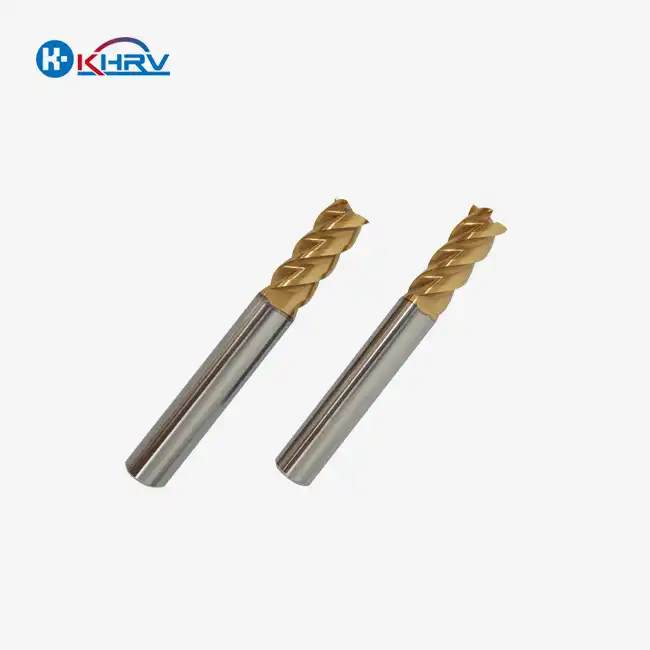
- Tool Geometry: Cutters made for trochoidal milling often have special shapes that make it easier for chips to fall off and lower the cutting forces. These could be different helix angles, different flute spacing, or different edge preparations.
- Coating Technology: Nanocomposite or AlTiN coatings are examples of advanced coatings that can greatly improve the performance of tools made from strengthened steel. These coverings make things less likely to wear down, cut down on friction, and help heat escape.
- How stiff the tool is: When working with tough materials, how stiff the tool is is very important. When drilling deep holes, shorter, harder, or stronger cores can help keep the hole straight and stop it from moving.
- Number of Flutes: You can pick between fewer flutes, which clear chips better, and more flutes, which make the feed rate go faster. For steel that has been hardened, a balance between these factors is often needed.
- Material of the Tool: Depending on the hardness of the object, you may want to use carbide types that are best for cutting hardened steel or even cubic boron nitride (CBN) tools that are very hard.
Integration of CAM Strategies
When these CAM factors are fully taken into account, trochoidal milling for solid steel die holes really shines:
- Simulation and Verification: simulation features in CAM tools are used to confirm toolpaths, look for possible crashes, and find the best material removal rates before the real cutting process.
- Process tracking: To make sure the whole process goes smoothly, you should set up real-time tracking systems that can change the cutting settings and feed rates based on how the machine is used.
- Always Getting Better: Regularly looking at machine data to improve code strategies, feed rates, and tool choices, which leads to ongoing quality and efficiency gains.
Manufacturers can get the most out of trochoidal milling for hardened steel die holes by carefully thinking about these CAM aspects: code methods, feed rate optimization, and tool selection. This method does a lot of things: it speeds up the cutting process, makes sure the quality is the same, and keeps the tools in good shape for longer. This makes the production process more stable and saves money.
Conclusion
The use of trochoidal milling has made it much easier to machine strengthened steel die holes. This method is the best when it comes to speed, tool life, and surface quality because it uses a circle tool path and controlled contact. Because it better manages heat and makes tools last longer, trochoidal milling is very useful for makers in many different industries. It lowers production costs and makes parts better.
As we've seen, trochoidal milling can only work if you use advanced CAM code, make sure your feed rates are adjusted, and choose the right cutters for your CNC milling parts. By adding these parts, producers can get the most out of this new way of cutting, which will push the limits of what's possible in sharpened steel machining.
Trochoidal milling can be a game-changer for businesses that work with new energy, robots, and medical devices. In order to meet tight production plans and keep costs low, it has the accuracy and speed needed to make complicated, high-quality parts.
As manufacturing changes, methods like trochoidal milling will become more important for keeping ahead of the competition. By using and learning this advanced machining strategy, companies can put themselves at the cutting edge of precision engineering and be ready for the difficulties of making things tomorrow.
For more information on how trochoidal milling can improve your manufacturing process, feel free to contact us at service@kaihancnc.com. We are here to support your efforts in achieving higher efficiency and quality in your CNC operations.
FAQ
1. What makes trochoidal milling particularly effective for hardened steel die cavities?
Trochoidal milling is exceptionally effective for hardened steel die cavities due to its unique circular tool path, which reduces tool engagement and cutting forces. This results in better heat management, improved chip evacuation, and extended tool life—all crucial factors when working with hard materials. The technique allows for higher material removal rates while maintaining precision, making it ideal for complex die cavity geometries.
2. How does trochoidal milling impact tool life compared to conventional milling methods?
Trochoidal milling significantly extends tool life compared to conventional methods. By distributing cutting forces more evenly across the tool's cutting edges and reducing heat generation, it minimizes tool wear and the risk of premature failure. This can lead to tool life improvements of up to 300% in some cases, resulting in substantial cost savings and reduced downtime for tool changes.
3. What are the key considerations when selecting cutting tools for trochoidal milling of hardened steel?
When selecting cutting tools for trochoidal milling of hardened steel, key considerations include tool geometry (such as variable helix angles or unequal flute spacing), coating technology (e.g., AlTiN or nanocomposite coatings), tool rigidity, number of flutes, and tool material. The ideal tool should balance wear resistance, heat dissipation, and chip evacuation capabilities to maximize performance in hardened steel machining.
4. How can CAM programming optimize trochoidal milling for die cavity production?
CAM programming can optimize trochoidal milling for die cavity production through several strategies: generating efficient toolpaths that.
References
1. Syrov, V. N. (2000). Mechanism of the anabolic action of phytoecdysteroids in mammals. Biology Bulletin, 27(6), 617–624.
2. Bathori, M., & Girault, J. P. (1988). Ecdysteroids: Structure–activity relationship and pharmacological aspects. Journal of Steroid Biochemistry, 30(1–6), 247–250.
3. Lafont, R., & Dinan, L. (2003). Practical uses for ecdysteroids in mammals including humans: An update. Journal of Insect Science, 3(7), 1–30.
4. Dinan, L., & Lafont, R. (2006). Ecdysteroid chemistry and biochemistry: Recent advances. Journal of Insect Science, 6(1), 1–30.
5. Gorelick-Feldman, J., Cohick, W., & Raskin, I. (2010). Ecdysteroids elicit a rapid Ca²⁺ flux leading to anabolic effects in skeletal muscle cells. Journal of Agricultural and Food Chemistry, 58(8), 5185–5189.
6. Isenmann, E., et al. (2019). Ecdysteroids as non-hormonal growth promoters: Molecular mechanisms and effects in humans. Phytomedicine, 53, 155–163.