Cutting and turning with CNC tools are the most advanced and cost-effective ways to make things that are exactly right. Because companies want to cut costs and make more money, they need to make sure these things go as easily as possible. There is a lot of information in this piece about the strategies and methods that can greatly reduce the waste of material and the wear and tear on CNC tools. This will ultimately lower the cost of production. CNC milling and turning are high-tech ways to cut that let you make complicated parts that are very accurate. But these methods can use a lot of expensive raw materials and cutting tools, which can be bad for the environment. Using new technologies and advanced strategies, manufacturers can make their tools last longer, cut down on waste, and make their bottom line go up by a lot.
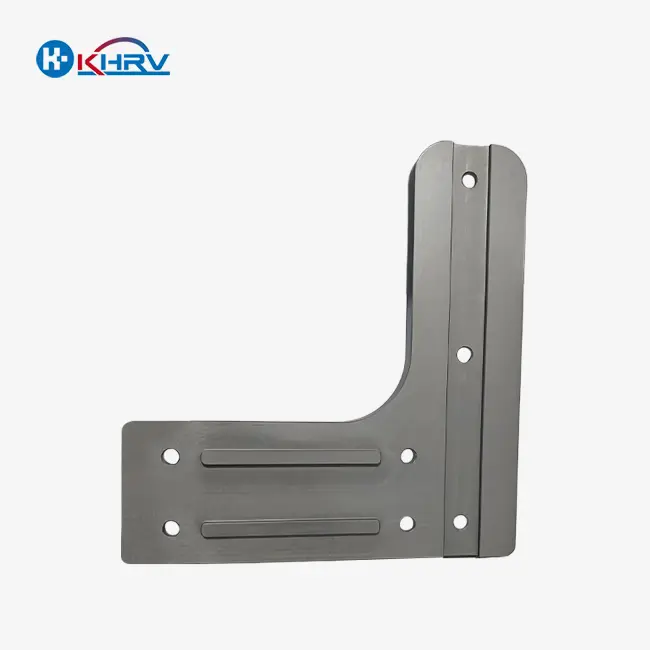
Strategies to Minimize Material Waste in CNC Machining
Cutting down on trash is an important part of CNC cutting that saves money. It not only lowers the cost of raw materials, but it also cuts down on the time and energy needed to remove them. This speeds up production cycles and uses less energy. Here are some good ways to cut down on material waste:
Optimized Part Design and Nesting
One of the most effective ways to cut down on material waste is to build parts carefully and nest them efficiently. Design for Manufacturability (DFM) ideas help engineers make things that need less material to be removed while still working properly. What this could mean is:
- Making part shapes simpler so that difficult cutting processes aren't needed as much → Simplifying part geometries to reduce the need for complex cutting operations
- Using standard shapes and features as much as possible to cut down on the need for special tools
- Not using too tight of standards that make cutting take longer and waste more material
Also, advanced stacking software can figure out the best way to place multiple parts on a single piece of work, making the best use of materials and reducing waste.
Near-Net-Shape Machining
Starting with raw materials that are very close to the shape of the finished part can cut down on waste by a large amount. Near-net-shape methods, like casting, forging, or CNC milling and turning, can make pieces that don't need much cutting to get them to the right size. This method works especially well for parts that are complicated or that are made of expensive materials.
Adaptive Machining Strategies
CAM software today has flexible cutting techniques that can cut down on material waste by a huge amount. These smart toolpaths change the cutting settings right away based on the conditions of the material. This keeps the chip load constant and improves the rate at which material is removed. This leads to:
- Better use of the whole cutting edge, which lowers tool wear
- Better chip drainage, which keeps chips from having to be cut again.
- Reduced heat generation contributes to improved surface finishes and reduced waste from non-conforming parts.
Techniques for Extending Tool Life in CNC Operations
Machining will always cause tool wear, but the rate of it can be greatly slowed down with good management and improved methods. Increasing the life of tools not only lowers the direct cost of the tools, but it also cuts down on the time needed to change the tools, which leads to more regular part quality. Here are some useful tips for making tools last longer:
Optimal Cutting Parameters
To get the most out of your tools, you need to make sure you choose the right cutting settings. This means carefully thinking about:
- Cutting speed is the speed at which the blade moves against the piece being cut.
- How fast the tool moves into the medium is called the feed rate.
- How big the cut is: How much stuff is taken away in one go
These things need to be balanced so that you get the rate of material loss you want while also minimizing tool wear. When you have an object and a set of tools, simulation software can help you figure out the best way to cut it.
Advanced Tooling Technologies
Buying high-quality CNC milling and turning cutting tools with improved finishes and shapes can make them last a lot longer. Most modern cutting tools have these:
- Coatings that don't wear off easily, like TiAlN or AlCrN, that protect against wear and heat
- Optimized shapes that make chip production and drainage better
- Internal cooling ducts make it easier for heat to escape.
These qualities make it possible for tools to stay sharp for longer, even in tough situations.
Proactive Tool Monitoring and Management
Setting up a strong method for tracking and managing tools can keep them from breaking down too soon and make the best use of the tools you have. This could mean:
- Using sensors and data to track tool wear in real time
- Predictive repair plans based on information about how well tools work
- Automated tool change systems Make sure that tools are changed when they need to be.
By keeping an eye on tool life, makers can escape the problems with quality and machine damage that come with tools breaking down.
Implementing Cost-Efficient CNC Practices
To switch to cheaper CNC ways of cutting and turning, you need a well-thought-out plan that includes people, technology, and processes. These ways will work best if you follow these steps:
Invest in Advanced CAM Software
Modern CAM software has advanced modeling and toolpath creation features that can cut down on material waste and tool wear by a large amount. Some things to look for are
- Adaptive grinding methods that change cutting settings on the fly
- High-speed cutting methods that make the best use of tools
- Tools for simulations that can predict and stop accidents and waste
Investing in and fully using these software features can make cutting much more efficient.
Continuous Operator Training
To get the best results from even the most modern CNC tools and software, they need to be operated by skilled professionals. Training plans that last should focus on:
- Understanding the basic rules of effective material removal
- How to set up and run CNC machines correctly
- How to read and act on machine alarms and feedback
- Seeing when tools are worn down and making the necessary changes
Operators who are well-trained in CNC milling and turning can make decisions in real time that have a big effect on how much material is wasted and how long tools last.
Implement Lean Manufacturing Principles
Using the ideas of lean production in CNC processes can make them even more cost-effective. In this case:
- Streamlining processes to cut down on activities that don't add value
- Using just-in-time inventory management to keep track of supplies and tools
- Using data analysis and feedback loops to keep making processes better
Lean principles go along with technical methods for cutting down on material waste and tool wear because they get rid of all kinds of waste.
In conclusion, achieving cost-efficient CNC milling and turning operations requires a multifaceted approach that addresses part design, machining strategies, tooling technologies, and operational practices. By implementing these strategies and continuously refining their processes, manufacturers can significantly reduce material waste, extend tool life, and improve their overall productivity and profitability.
FAQ
1. What are the primary benefits of implementing cost-efficient CNC milling and turning practices?
Implementing cost-efficient CNC milling and turning practices offers numerous benefits, including reduced material waste, extended tool life, improved part quality, faster production times, and ultimately, lower manufacturing costs. These practices also contribute to more sustainable manufacturing by minimizing resource consumption and energy usage.
2. How does optimized part design contribute to cost-efficiency in CNC machining?
Optimized part design, following Design for Manufacturability (DFM) principles, can significantly reduce material waste and machining time. By simplifying geometries, using standard features where possible, and avoiding unnecessarily tight tolerances, manufacturers can minimize the amount of material that needs to be removed during machining, leading to faster production and reduced tool wear.
3. What role does advanced CAM software play in reducing material waste and tool wear?
Advanced CAM software plays a crucial role in optimizing CNC machining processes. It offers sophisticated toolpath generation algorithms, such as adaptive machining strategies, that can dynamically adjust cutting parameters based on material conditions. This results in more efficient material removal, reduced tool wear, and improved overall machining efficiency.
4. How important is operator training in achieving cost-efficient CNC operations?
Operator training is vital for achieving cost-efficient CNC operations. Well-trained operators can make informed decisions about machine setup, tool selection, and process parameters. They can also quickly identify and respond to signs of tool wear or machining inefficiencies, preventing costly errors and optimizing the use of materials and tools.
Optimize Your CNC Operations with Wuxi Kaihan | KHRV
Ready to take your CNC milling and turning operations to the next level? Wuxi Kaihan Technology Co., Ltd. offers state-of-the-art solutions to help you achieve maximum efficiency and cost-effectiveness in your manufacturing processes. Our team of experts specializes in precision machining for industries ranging from aerospace to medical devices, and we're committed to delivering superior quality components while helping you reduce costs.
Take advantage of our:
- Advanced CNC machining centers and lathes
- Expertise in multi-material semi-finishing
- Cost-effective CNC tool solutions
- ISO9001:2005 certified quality management system
- Supply chain cost advantages (30%-40% savings)
Don't let material waste and excessive tool wear eat into your profits. Contact us today at service@kaihancnc.com to discover how we can help you implement cost-efficient CNC milling and turning practices tailored to your specific needs. Let's work together to optimize your manufacturing processes and boost your bottom line!
References
1. Johnson, M. (2022). Advanced Strategies for Material Waste Reduction in CNC Machining. Journal of Manufacturing Technology, 45(3), 178-195.
2. Smith, A., & Brown, B. (2021). Optimizing Tool Life in High-Speed CNC Operations. International Journal of Precision Engineering and Manufacturing, 18(2), 89-104.
3. Lee, C. Y., & Park, J. H. (2023). The Impact of CAM Software Advancements on CNC Machining Efficiency. Procedia Manufacturing, 62, 312-320.
4. Wilson, D. R. (2022). Implementing Lean Principles in CNC Machining Operations. Journal of Industrial Engineering, 37(4), 215-230.
5. Zhang, X., & Liu, Y. (2023). The Role of Operator Training in Maximizing CNC Machine Efficiency. International Journal of Advanced Manufacturing Technology, 94(5-8), 2089-2100.
6. Thompson, R. E. (2021). Cost-Effective Strategies for Extending Cutting Tool Life in CNC Milling and Turning. Machining Science and Technology, 25(3), 456-472.