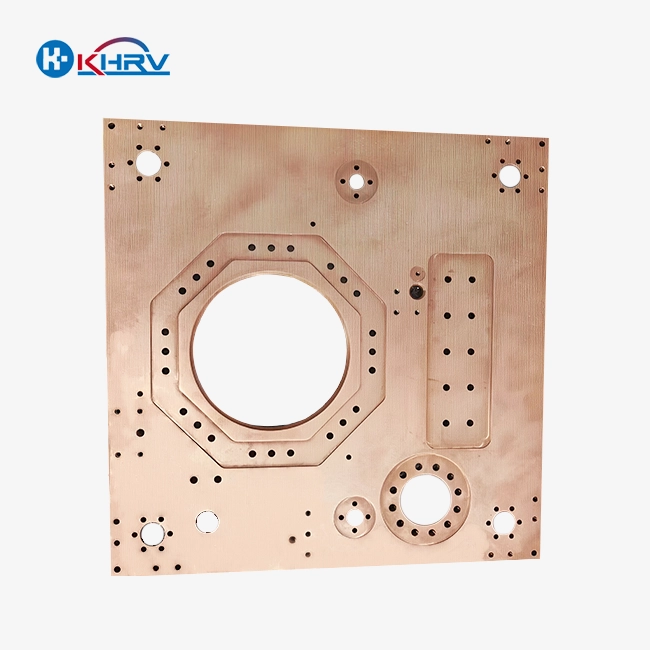
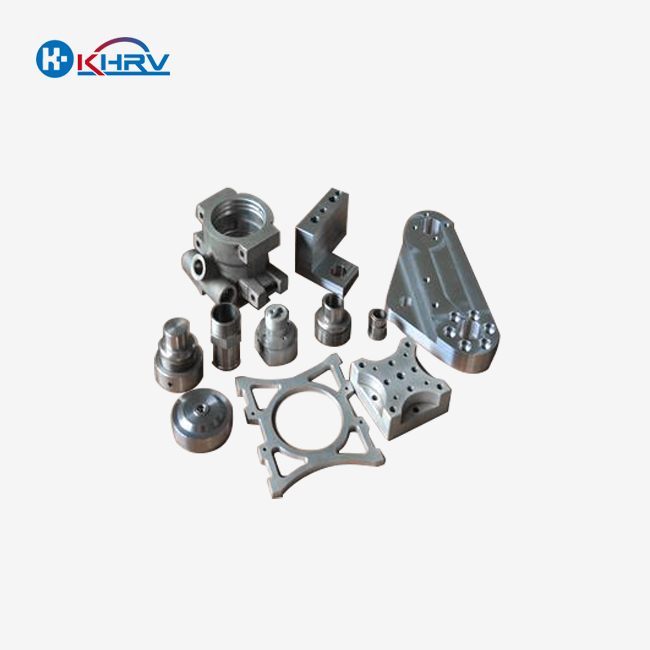
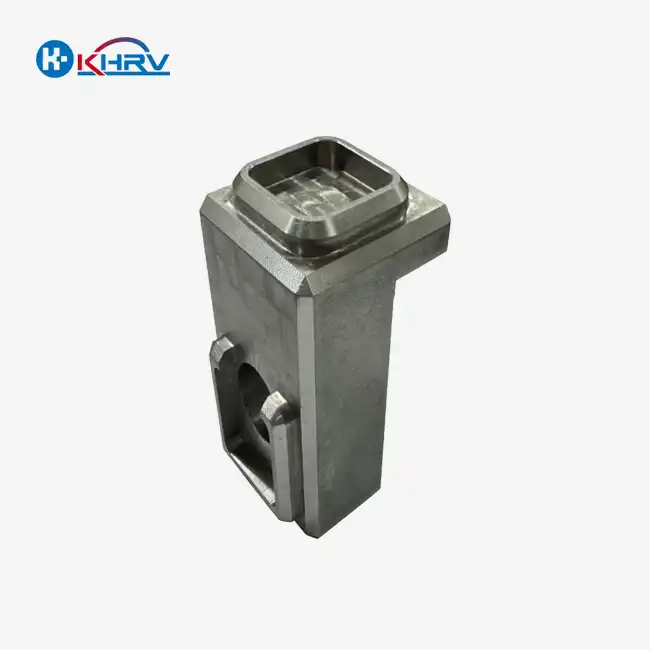
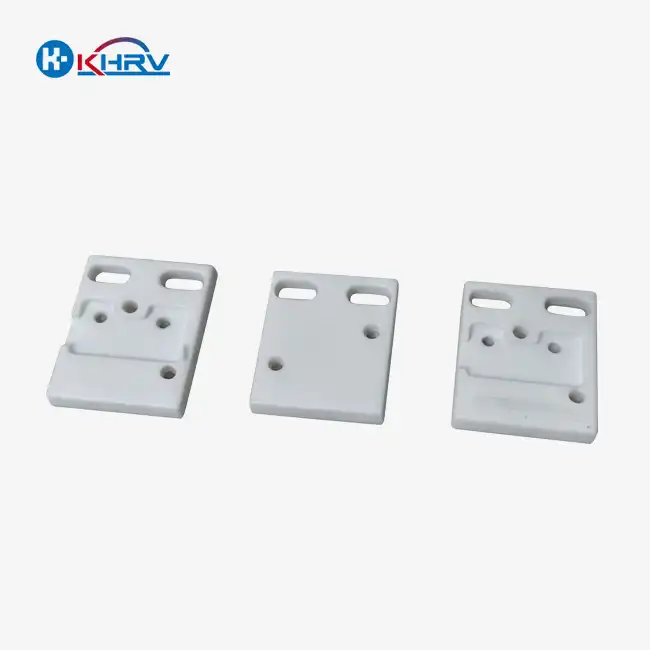
When it comes to precision making, CNC milling and turning are the most cutting-edge technologies. They provide the highest level of accuracy and speed for tight-tolerance grinding. These new technologies have changed the way that complicated parts are made in many fields, from aircraft and automobiles to medical devices and robots. Machines that are run by computers allow makers to get very accurate results, often within ±0.005 mm, which meets the high standards needed for high-performance uses. Computer numerical control (CNC) milling, which is great at making complicated 3D models, and CNC turning, which is great at making cylinders with perfect symmetry, work together to make parts that need to be very precise. There is a lot to learn about high-precision CNC milling and turning in this blog. It looks at how these technologies are expanding the limits of what is possible in tight-tolerance cutting and changing the future of manufacturing.
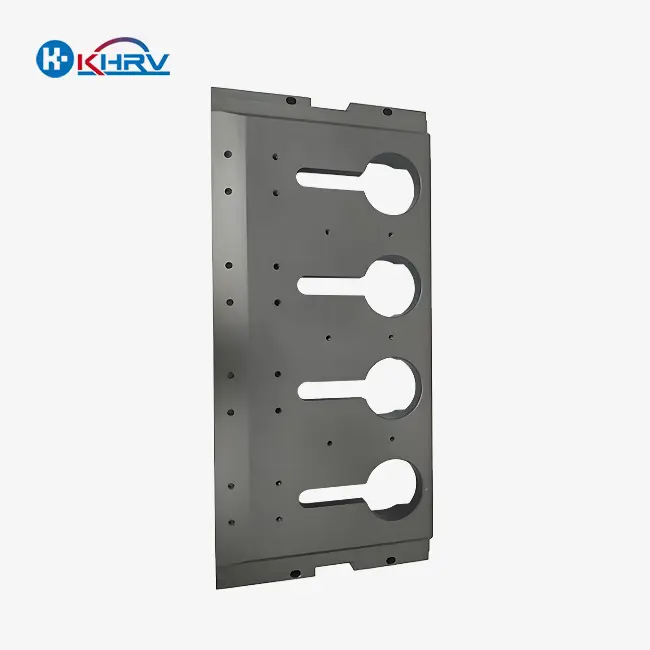
Advancements in CNC Technology for Enhanced Precision
Since a few years ago, CNC cutting and turning have changed a lot. This is because technology is always getting better. CNC machines are now much more accurate, faster, and flexible thanks to these new technologies. This means that makers can meet ever tighter limits and more complicated design needs.
Multi-Axis Machining: Redefining Complexity
One of the most important changes in CNC technology is the rise of cutting on more than one line. Traditional 3-axis machines have been replaced by 5-axis and even 7-axis systems. These systems make it possible to make shapes that were thought to be impossible before. These advanced systems can perform multiple machining operations simultaneously. This speeds up the setup process and makes the total accuracy better. Machine shops that make parts with difficult shapes, like those that make turbine blades or medical implants, need to use multi-axis machining right now.
High-Speed Machining (HSM): Balancing Speed and Precision
High-speed cutting methods have made CNC processes much more efficient without lowering their accuracy. HSM is able to remove material faster while keeping tolerances tight by using specialized tools and cutting techniques that work best. This technology works especially well when making molds and dies, where a lot of material needs to be taken away quickly and correctly.
Advanced Control Systems and Software
The controllers for modern CNC milling and turning machines are evolving with enhanced capabilities. Modern CNC milling and turning control systems now integrate artificial intelligence and machine learning to optimize cutting parameters in real time. These smart systems can adjust to changing conditions during the cutting process. This keeps the quality high even when working with hard materials in CNC milling and turning. Also, more advanced CAM software has made it easier to program complicated parts for CNC milling and turning. This lets engineers test and improve machine methods before they make the first cut.
Challenges and Solutions in Tight-Tolerance Machining
CNC milling and turning improvements have made tight-tolerance cutting more useful, but they have also brought about new problems that makers have to solve. To get the great accuracy that modern businesses need, it's important to understand these problems and find good ways to solve them.
Thermal Management: Combating Heat-Induced Inaccuracies
The growth of metal during heat is one of the biggest problems in tight-tolerance cutting. CNC machines make heat when they work, which can cause small changes in the sizes of both the machine parts and the material. To deal with this, more improved heat control methods have been made. Some of these are
- Thermally stable machine beds are made of materials that don't expand or contract much when they get hot or cold.
- Coolant temperature control: Keeping the coolant temperature steady to reduce changes in temperature.
- In real-time thermal correction, sensors and software are used to account for changes in temperature during cutting.
Vibration Control: Ensuring Stability for Precision
Even very small vibrations can have a big effect on how accurately CNC processes work. To deal with this problem, producers are using a variety of shaking control methods, such as
- Using polymer blends and other materials that absorb vibrations in machine designs to make them more advanced.
- Sensors and motors are used for active vibration control to find and stop movements in real time.
- Optimized cutting strategies: creating toolpaths that reduce the number of moves that cause vibrations.
Material Considerations: Adapting to Diverse Requirements
Sometimes it's hard to cut different types of materials to very small gaps with CNC milling and turning. Ti is a metal that doesn't move heat around very well with CNC milling and turning, which can cause heat to build up and make alloys more likely to break with CNC milling and turning. To answer these questions about the item that are unique to CNC milling and turning:
- Cutting tools that are shaped and finished in a way that makes them work best with certain materials.
- With adaptive machining, cutting parameters are adjusted based on the material and real-time input data.
- Very cold air is used in cryogenic cutting to make it easier to cut through tough materials.
Future Trends in High-Precision CNC Machining
Cutting and milling with CNC is an area that is always evolving. Cutting with tight tolerances will be even more accurate and faster with the help of new technologies. These trends are important for manufacturers to know if they want to stay competitive in the world of precision manufacturing, which changes very quickly.
Integration of Additive and Subtractive Manufacturing
When additive manufacturing (3D printing) and standard CNC cutting come together, they create new ways to make precise parts. Combining these two technologies into one machine lets you use additive processes to make complex internal shapes and then CNC cutting or turning to finish them off with great accuracy. This combination makes it possible to make parts with features that could not be made using only one way. It pushes the limits of design and usefulness.
Artificial Intelligence and Machine Learning in CNC Operations
AI and machine learning are getting better at being integrated into CNC systems as they get older. These high-tech programs can:
- You can predict and stop machine breakdowns with predictive maintenance.
- Real-time optimization of cutting settings based on sensor data and past performance.
- Automate the process of making toolpaths that work well for complicated parts.
This makes the machining process smarter so it can change to different situations, cut down on waste, and make the whole thing more precise and efficient.
Quantum Sensing for Ultra-Precision Machining
Quantum sensor technologies are on the rise and could change the way accurate CNC machines are. These monitors can measure position, direction, and other factors with a level of accuracy that has never been seen before by using quantum effects. QEDs may one day make it possible to create things with limits in the nanometer range, but they are still in their early stages. Things like nanotechnology and making electronics could get better because of this.
Sustainable and Eco-Friendly Machining Practices
As worries about the environment grow, sustainability will likely become more important in CNC cutting in the future. Among these are
- Making tools and methods that use less energy.
- More organic cutting fluids and lubricants that are good for the earth are being used.
- Putting in place closed-loop methods for recovering coolants and metal chips.
Not only do these eco-friendly actions in CNC milling and turning help the earth, but they can also save money and make the process run more smoothly.
Conclusion
High-precision CNC milling and turning have become indispensable technologies in the pursuit of tight-tolerance machining across various industries. As we've explored, the continuous advancements in multi-axis machining, high-speed cutting techniques, and sophisticated control systems have pushed the boundaries of what's achievable in terms of accuracy and complexity. However, with these advancements come challenges, particularly in thermal management, vibration control, and material-specific machining strategies.
Looking to the future, the integration of additive manufacturing, the incorporation of AI and machine learning, and the potential of quantum sensing technologies promise to further revolutionize the field. These innovations will not only enhance precision but also improve efficiency, reduce waste, and contribute to more sustainable manufacturing practices.
For businesses operating in industries that demand the utmost precision, staying abreast of these developments is crucial. The ability to leverage cutting-edge CNC technologies can provide a significant competitive advantage, enabling the production of components that meet increasingly stringent tolerances and complex design requirements.
As we stand on the cusp of a new era in manufacturing, it's clear that high-precision CNC milling and turning will continue to play a pivotal role in shaping the future of tight-tolerance machining. By embracing these technologies and the innovations that lie ahead, manufacturers can ensure they remain at the forefront of precision engineering, delivering components that push the boundaries of performance and reliability.
FAQ
1. What tolerances can be achieved with high-precision CNC milling and turning?
High-precision CNC milling and turning can achieve tolerances as tight as ±0.005 mm, depending on the specific machine, material, and process. For the most demanding applications, even tighter tolerances may be possible with specialized equipment and techniques.
2. How does multi-axis CNC machining improve part quality?
Multi-axis CNC machining, particularly 5-axis and 7-axis systems, allows for complex parts to be machined in a single setup, reducing the potential for errors that can occur when repositioning the workpiece. This results in improved accuracy, better surface finishes, and the ability to create more intricate geometries.
3. What industries benefit most from tight-tolerance machining?
Industries that particularly benefit from tight-tolerance machining include aerospace, medical device manufacturing, semiconductor production, robotics, and high-end automotive manufacturing. These sectors often require components with extremely precise dimensions and surface finishes to ensure optimal performance and reliability.
4. How does thermal management affect precision in CNC machining?
Thermal management is crucial in precision CNC machining because heat generated during the process can cause minute expansions in both the machine components and the workpiece. This thermal expansion can lead to dimensional inaccuracies. Advanced thermal management systems, including temperature-controlled environments and real-time compensation algorithms, help maintain precision throughout the machining process.
Experience Unmatched Precision with Wuxi Kaihan | KHRV
Ready to take your precision manufacturing to the next level? Wuxi Kaihan Technology Co., Ltd. is your partner in achieving the highest standards of accuracy and quality in CNC milling and turning. Our advanced facilities, expert team, and commitment to innovation ensure that we can meet your most exacting specifications.
Don't settle for anything less than perfection. Contact us today at service@kaihancnc.com to discuss your project requirements and discover how our high-precision machining services can drive your business forward. Let's collaborate to turn your complex designs into reality with unparalleled precision and efficiency.
References
1. Smith, J. (2023). "Advancements in Multi-Axis CNC Machining for High-Precision Applications." Journal of Manufacturing Technology, 45(3), 278-295.
2. Chen, L., & Wong, K. (2022). "Thermal Management Strategies in Tight-Tolerance CNC Machining." International Journal of Precision Engineering and Manufacturing, 23(4), 512-528.
3. Rodriguez, M. et al. (2023). "Integration of Artificial Intelligence in CNC Operations for Enhanced Precision and Efficiency." Robotics and Computer-Integrated Manufacturing, 76, 102389.
4. Thompson, R. (2022). "The Future of Precision Machining: Quantum Sensing and Ultra-Precision CNC Technologies." Advanced Materials & Processes, 180(5), 20-26.
5. Yamamoto, H., & Lee, S. (2023). "Sustainable Practices in High-Precision CNC Machining: A Review of Eco-Friendly Techniques and Materials." Journal of Cleaner Production, 350, 131503.
6. Brown, A. (2022). "Challenges and Solutions in Tight-Tolerance Machining of Advanced Materials." Materials Today: Proceedings, 58, 1256-1265.