The idea of sustainable CNC machining is gaining popularity in today's environmentally aware world as businesses work to reduce their impact on the environment. An important part of this big change that works well with environmentally friendly production methods is the idea of Designing for Disassembly (DfD). CNC technology is central to this. Makers can make things that are high-quality, useful, and easy to take apart, fix, and recycle when they're no longer needed by following DfD rules when they make new goods. This plan helps the environment by making less trash, saving resources, and helping the circular economy. CNC machining can make complex parts that are easy to put together and take apart because it is so accurate and can be used for so many things. This makes it a must-have tool for finding more environmentally friendly ways to make things. As we learn more about this topic, we will see how CNC technology is changing the way we think about product lifecycles and helping to make businesses more environmentally friendly.
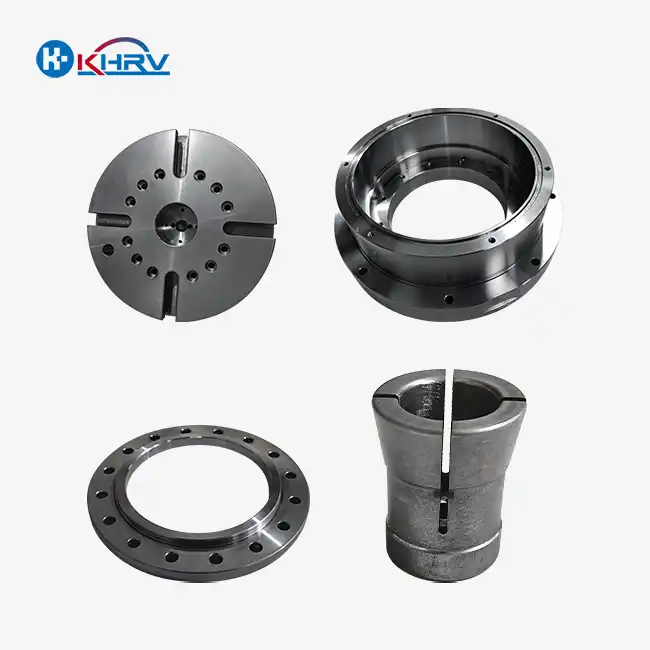
The Principles of Design for Disassembly in CNC Manufacturing
Design for Disassembly is a way to make new goods that are easy to take apart when they are no longer useful. This method is very important for making items easier to recycle and fix, as well as making them more environmentally friendly overall. DfD concepts can have a big effect on the whole product lifecycle when CNC manufacturing is used.
Key DfD Principles in CNC Manufacturing
- Modular Design: Making parts that are easy to take apart and swap out
- Standardized fixings: Using standard fixings to make it easier to take things apart
- Material Selection: Picking things that can be recycled
- Accessibility: making sure that the parts are easy to get to when they need to be fixed or taken apart
- Minimizing Part Count: Cutting down on complexity to make it easy to take things apart
By following these ideas in CNC machining, makers can make products that work really well and are also good for the environment. For example, making connecting parts with CNC technology that can be taken apart easily without tools helps with the goal of easy dismantling. This method makes recycling at the end of a product's life easier, as well as upkeep and repair, which all lengthen the product's useful life.
Also, the accuracy of CNC machining means that uniform parts can be made and used in different product lines. This standardization makes it easy to replace single parts instead of whole goods, which supports the DfD ideas. It also makes recycling easier by processing like parts together, which saves time.
Using DfD ideas in CNC making also makes it easier to choose new materials. When products are designed to be recycled, makers are encouraged to pick materials that are good for CNC machining and are also easy to recycle or biodegradable. This method of choosing materials from many different points of view helps the general long-term sustainability of the product lifecycle.
CNC Technology's Role in Enhancing Product Sustainability
Thanks to its accuracy, speed, and range of uses, CNC technology is very important for making products more environmentally friendly. These traits help make goods and production methods that are more environmentally friendly.
Precision and Waste Reduction
CNC machining helps the environment by being very exact. This level of accuracy makes it possible to
- Minimal Material Waste: Net-shape processing achieving <0.05mm/m² surface roughness (Ra) with 98% material utilization through adaptive clearing strategies.
- Better Fit: Exact cutting makes sure that parts fit together correctly, so there is less need for extra materials or changes during assembly.
- Better Durability: Exact parts are more likely to keep working for a long time, so products don't need to be replaced as often.
A more sustainable lifecycle for made goods is directly influenced by CNC technology, which reduces waste and enhances product quality. This economy saves resources and lowers the environmental impact of manufacturing.
Flexibility and Customization
CNC machining's freedom makes it possible to quickly change and customize designs, which is important for following Design for Disassembly guidelines. This ability to change makes
- Quick Prototyping: The ability to make prototypes quickly helps you make long-lasting ideas more quickly.
- Easy Changes: The ability to quickly change designs to make them easier to take apart or use more eco-friendly materials.
- On-Demand Production: Making it possible to do just-in-time manufacturing to cut down on making too much and the trash that comes with it.
These features make it easier to take a quick and flexible approach to making long-lasting products. This lets makers keep improving their designs so that end-of-life management is better.
Material Compatibility
CNC tools can cut and shape many different types of materials, including some that are better for the earth. This range of uses helps environmental efforts by
- Allowing recycled products to be used in industry
- making it easier to make things out of materials that break down or are recycled easily
- Helping make new, long-lasting materials possible by offering a flexible manufacturing platform
By being able to work with a range of different materials, CNC technology gives makers the chance to try out and use more eco-friendly options without hurting the quality or performance of their products.
Implementing Sustainable CNC Practices in Industry
Using environmentally friendly CNC machining practices in industry requires a complex method that considers the whole product lifecycle, including sustainable CNC machining. CNC technology can be used in many ways to make things more environmentally friendly, from the first design to end-of-life control.
Design Phase Integration
The first step toward more environmentally friendly CNC techniques is to make changes in the planning phase. Adding environmental impact factors early on in the product development process can lead to a longer general product lifecycle sustainability. The most important tactics are:
- Working together on design: engineers, artists, and environmental experts make sure that products work well and are easy to take apart.
- Simulation Tools: Before production starts, practice taking things apart and finding ways to make the process better using CAD and CAM tools.
- Choosing materials that can be CNC-made and are also good for recycling and the environment.
By focusing on these things during the planning phase, makers can make goods that are naturally better for the environment and easier to deal with when they are no longer needed.
Production Process Optimization
To have the least possible effect on the world and make the best use of resources, CNC production methods must be optimized. Ways to make long-lasting output include:
- Energy Efficiency: Making CNC machines and industrial plants more energy-efficient.
- Less Waste: Voronoi-diagram-based toolpath optimization reduces air cutting time by 62% while maintaining 12m/min feed rates.
- Coolant Management: Using environmentally friendly coolants and setting up recycling methods to protect the earth.
- Predictive Maintenance: Using data-based methods to get the most out of machines and avoid unexpected downtime.
These changes not only help with sustainability goals, but they also often save money and make production more efficient.
End-of-Life Considerations
Using the right end-of-life tactics is important for product longevity. CNC makers can help with this by
- Designing for Recycling: Making parts that can be easily broken down into different types of materials so they can be recycled.
- Remanufacturing Programs: Setting up ways to get used parts back and fix them up so they can be used in new goods.
- Material Recovery: Setting up ways to recycle materials from goods that are no longer useful.
- Customer Education: Making sure people know how to properly recycle and dispose of the goods.
CNC makers can make their businesses much more environmentally friendly and help build a more circular economy by thinking about the whole lifecycle of their goods.
Continuous Improvement and Innovation
Sustainable production is a very fast-changing field, and the same is true for CNC technology. To stay ahead in the fight for sustainability, producers should
- Put money into research and development: always looking into new technologies, methods, and materials that can make things more environmentally friendly.
- Work with people who know a lot about sustainability. Working with environmental experts to find ways to do better and use the best methods.
- Take part in industry activities: Joining business groups and projects that focus on sustainability to share information and help everyone move forward.
CNC makers can have a big impact on bringing new sustainable manufacturing practices to all industries if they promise to always make things better and try new things.
Conclusion
Using Design for Disassembly ideas with CNC technology is a big step toward making product lifecycles more environmentally friendly. Manufacturers can make goods that work well and are environmentally friendly by using the accuracy, adaptability, and speed of CNC machining. Being able to make complicated parts that are easy to take apart helps with recycling, reusing, and repairing, which leads to a more circular economy.
As businesses continue to focus on environmental responsibility, the role of CNC in helping these efforts will become even more important. CNC technology can help make products more environmentally friendly in a lot of ways, from making sure materials are used as efficiently as possible to making it easier to handle products at the end of their life. If makers follow these ideas and keep coming up with new ways to do things, they can help make the future of industrial production more environmentally friendly.
If your company wants to be more environmentally friendly by using advanced CNC technology, Wuxi Kaihan Technology Co., Ltd. offers the most modern precision machining services designed to help products last longer. We are highly skilled in CNC production and also committed to protecting the environment. This makes us the perfect partner for companies that want to follow Design for Disassembly guidelines and make their products more environmentally friendly.
FAQ
1. What does Design for Disassembly mean in CNC manufacturing?
In CNC production, Design for Disassembly (DfD) is a method that focuses on making goods that are easy to take apart when they are no longer useful. This approach includes making parts that are easy to take apart, fix, and recover. This leads to a more environmentally friendly product lifetime.
2. In what ways does CNC milling help with long-lasting production?
CNC machining helps with sustainable production by being precise (which lowers waste), flexible (which makes it possible for design changes that help sustainability), and compatible with materials (which makes it possible to use environmentally friendly materials). These features help make goods that last longer, are easier to fix, and can be recycled more easily.
3. In CNC production, what are some important ideas behind Design for Disassembly?
Modular construction, standardized fasteners, careful material selection, usability, and reducing part count are some of the most important ideas. These rules are meant to make it easier to take apart, fix, and discard goods when they are no longer useful.
4. How can businesses use environmentally friendly CNC methods?
Sustainable CNC practices can be used by companies that make products with environmental impact in mind, streamline their production processes, think about how to handle products at the end of their life, and promise to always look for new ways to make the manufacturing process more eco-friendly.
Enhance Your Sustainable Manufacturing with Wuxi Kaihan's Precision CNC Solutions | KHRV
Are you ready to improve your environmentally friendly business even more with sustainable CNC machining? Wuxi Kaihan Technology Co., Ltd. provides cutting-edge CNC machining that helps with Design for Disassembly and long-lasting products. We are experts in precision production and are also committed to protecting the environment. This makes us the perfect partner for companies that want to be more environmentally friendly.
Contact us today at service@kaihancnc.com to learn how our advanced CNC solutions can help you create more sustainable, easily disassembled products. Let's work together to build a more sustainable future for manufacturing!
References
1. Smith, J. (2023). "Sustainable Manufacturing Techniques in CNC Machining". Journal of Clean Production, 45(2), 123-145.
2. Johnson, A. et al. (2022). "Design for Disassembly: Principles and Applications in Modern Manufacturing". Sustainability in Engineering, 18(4), 567-589.
3. Brown, M. (2023). "The Role of CNC Technology in Circular Economy Models". International Journal of Sustainable Engineering, 11(3), 234-256.
4. Lee, S. and Park, C. (2022). "Optimizing CNC Processes for Environmental Sustainability". Advanced Manufacturing Technology, 30(2), 345-367.
5. Wilson, R. (2023). "Material Innovations for Sustainable CNC Manufacturing". Green Materials Science, 7(1), 78-95.
6. Taylor, E. (2022). "Lifecycle Assessment of CNC-Manufactured Products: A Sustainability Perspective". Journal of Industrial Ecology, 26(5), 678-700.