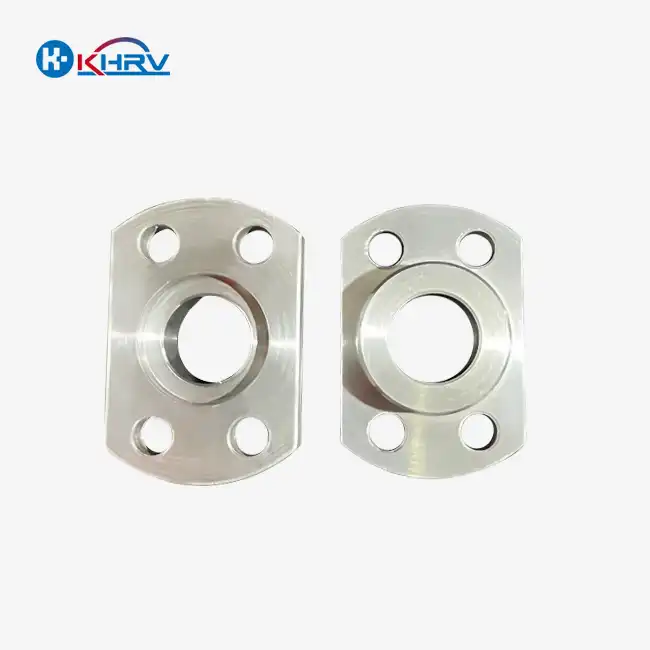
The Fundamentals of Precision Mechanical Assemblies
At its core, a precision mechanical assembly is a carefully planned arrangement of parts that are meant to do specific jobs accurately and reliably. A lot of different fields depend on these assemblies, like robotics, medical devices, aircraft, and advanced manufacturing. From separate parts to a fully functional assembly, there are many complex steps that must be taken. Each one adds to the performance and durability of the final result.
Key Components and Materials
Most precision mechanical assemblies are made of more than one material, each chosen for its specific properties and fit for the job. Some common materials are:
- Stainless steel: Prized for its corrosion resistance and strength
- Aluminium alloy: Offers an excellent strength-to-weight ratio
- Brass: Known for its malleability and electrical conductivity
- Titanium alloy: Combines lightweight properties with exceptional strength
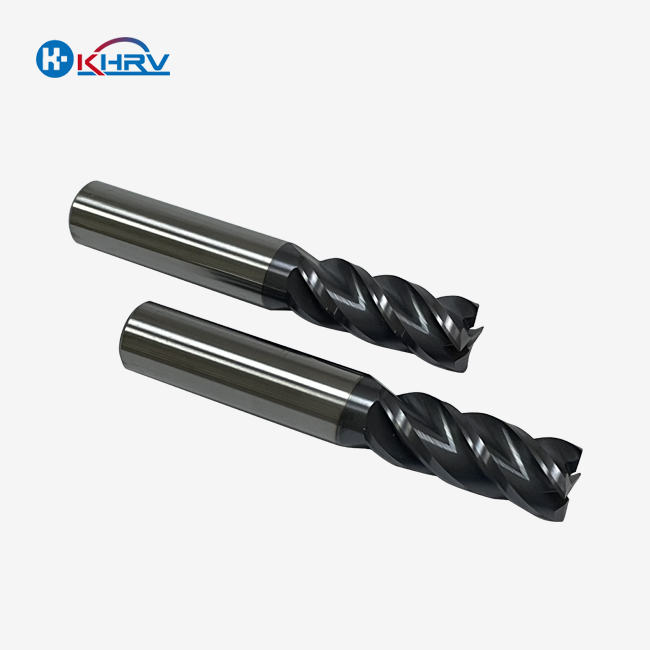
- Carbide: Utilised for its extreme hardness and wear resistance
The choice of materials is very important to make sure that the assembly can handle operational stresses, environmental factors, and performance standards. For example, medical equipment assemblies often use materials that can withstand being sterilised, while aircraft parts may choose alloys that are both light and strong.
Precision Tolerances and Quality Control
One thing that makes precise mechanical assemblies unique is that they have to stick to very tight tolerances. Tolerances, which are usually measured in microns, make sure that parts fit together properly and do what they're supposed to do. To get such accuracy, you need cutting-edge tools for production and strict quality control measures.
Quality assurance in precision assembly manufacturing involves:
- Advanced metrology equipment for dimensional verification
- Non-destructive testing methods to ensure material integrity
- Cleanroom environments for assemblies requiring sterile conditions
- Comprehensive documentation and traceability of components and processes
International standards, like ISO 9001:2015, should be followed to make sure that quality is maintained at all steps of production. It is this dedication to accuracy and quality that sets high-performance mechanical systems apart from regular parts.
Advanced Manufacturing Techniques in Precision Assembly
A group of advanced manufacturing methods are needed to make precise mechanical assemblies and parts. These steps not only shape the individual parts, but they also help make sure that the whole setup is accurate and works well.
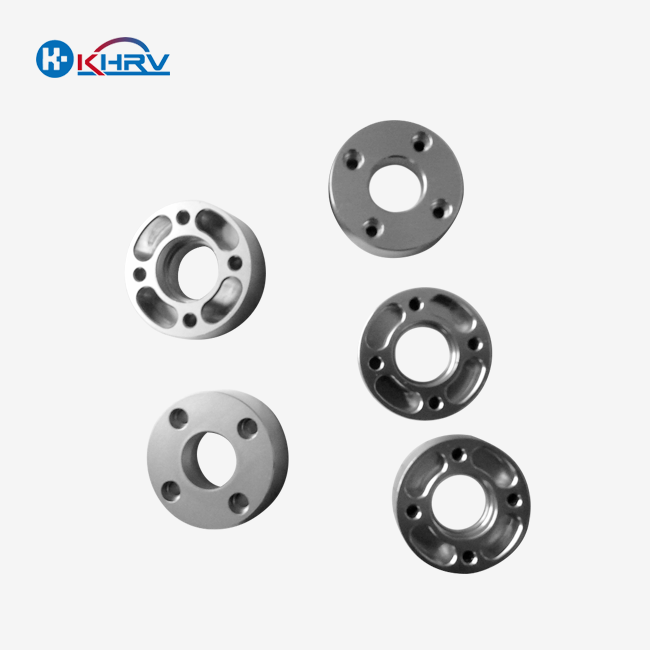
CNC Machining: The Foundation of Precision
Computer Numerical Control (CNC) machining is the most important part of making accurate parts. With this technology, it is possible to make complicated geometries that are more accurate than ever before. Some important CNC processes are:
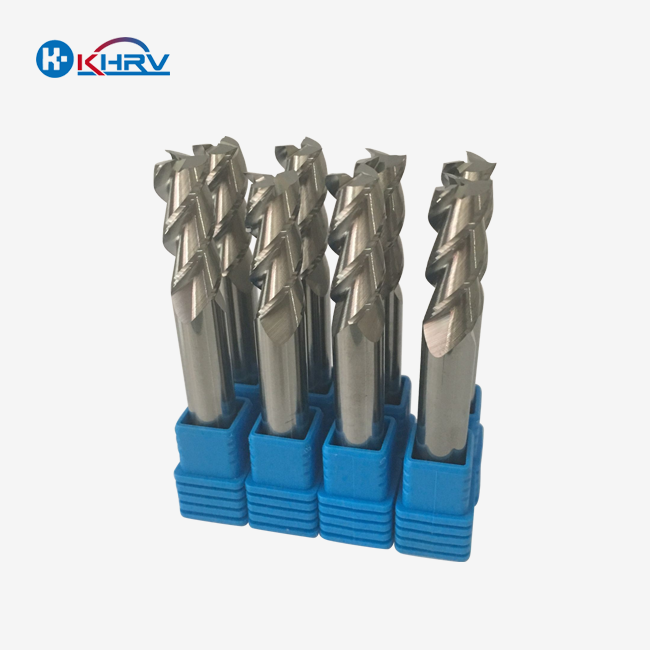
- CNC Milling: Ideal for creating complex 3D shapes and features
- CNC Turning: Used for producing cylindrical parts with high precision
- Multi-axis Machining: Enables the creation of intricate components in a single setup
The versatility of CNC machining makes it indispensable in the production of precision mechanical assemblies. It allows for the creation of components with tolerances as tight as ±0.005mm, precision mechanical assemblies meeting the stringent requirements of industries like aerospace and medical device manufacturing.
Precision Grinding and Surface Finishing
Many parts need more work after the first round of cutting to get the surface quality and size accuracy that are needed. In this step, precision grinding methods are very important:
- Surface Grinding: Achieves extremely flat and smooth surfaces
- Cylindrical Grinding: Produces highly accurate cylindrical forms
- Centerless Grinding: Ideal for high-volume production of precise cylindrical parts
Surface finishing methods, like hard anodising for aluminium parts, not only make them look better, but they also make them more resistant to wear and rust. These finishing touches are often very important for making sure that the product lasts and works well.
Electrical Discharge Machining (EDM)
Electrical Discharge Machining (EDM) is often the best way to make parts with very fine features or that are made of materials that are hard to machine. With EDM, you can make complicated shapes and features that you wouldn't be able to or couldn't use with standard machining. It is especially useful for making mould parts, aerospace parts, and medical products with this method.
Integration and Assembly: Bringing Precision Components Together
Putting together separate parts into a single, working unit is the last step in making precise mechanical systems. This process needs both technical know-how and a deep understanding of how the system is supposed to work and where it is supposed to be used.
Assembly Techniques and Considerations
Different techniques are used for precise assembly based on how complicated the final product is and what it needs to do. Some common ways are:
- Press-fitting: For components requiring a tight, interference fit
- Laser welding: Provides precise, strong joints with minimal heat-affected zone
- Adhesive bonding: Ideal for joining dissimilar materials or when thermal processes are not suitable
- Mechanical fastening: Using high-precision screws, bolts, and other fasteners
Often, the assembly process takes place in controlled settings to keep things clean and make sure the quality is always the same. In fields like making medical devices, this could mean putting things together in a cleanroom to meet strict legal requirements.
Quality Assurance in Assembly
The process of quality control doesn't end when the last part is made. There are strict checks and balances on the assembly process itself:
- Functional testing to ensure the assembly performs as intended
- Dimensional verification of the completed assembly
- Environmental testing to simulate operational conditions
- Reliability testing to predict and enhance product lifespan
These quality control steps are very important in fields where failure is not a choice, like medicine or aerospace. Their job is to make sure that every precise mechanical setup not only works as expected, but also meets all the requirements.
The Role of Automation in Precision Assembly
As the need for more accuracy and regularity grows, automation is becoming a bigger part of the part-putting together process. People can't achieve the same level of precision and consistency as robot assembly systems, especially when it comes to producing in large quantities. Most of the time, these systems have advanced vision and force-feedback built in to make sure that the parts are placed and put together properly. However, people are still very important, especially when the process is difficult or only a few units are made. Skilled technicians can identify issues and adapt to the assembly process of precision mechanical assemblies, which is necessary for handling unique assembly problems or making immediate adjustments.
Applications and Future Trends in Precision Mechanical Assemblies
A lot of important jobs use precise mechanical systems. These kinds of assemblies are at the heart of a lot of new technologies, from robots to high-tech medical tools.
Industry-Specific Applications
Automation and robotics: From industrial robots to cobots (collaborative robots), they all count on well-built parts. Some important parts are:
- Gearboxes and reducers with high accuracy
- Mechanisms for articulating joints
- Assembly of end-effectors
Medical equipment: A lot of life-saving and life-improving medical equipment depends on precision assemblies:
- Surgical tools with complicated systems
- Biocompatibility is needed for implantable devices
- Diagnostic tools with moving parts that are very preciseIn
Aerospace and Defence: This sector demands the highest levels of precision and reliability:
- Control tools for flights
- Parts of satellites
- Systems for precise direction
Semiconductor Manufacturing: The production of microchips relies on extremely precise assemblies:
- Systems for handling wafers
- Parts of the photolithography equipment
- Assembly of ultra-high vacuum chambers
- New trends and directions for the future
Emerging Trends and Future Directions
As technology continues to advance, several trends are shaping the future of precision mechanical assemblies:
- Miniaturisation: The push for devices that are smaller and more compact is making it harder to make and put together with precision.
- Smart Assemblies: Putting sensors and Internet of Things (IoT) into mechanical parts to allow for tracking in real time and planning maintenance ahead of time.
- Creating new alloys and composites with better qualities for certain uses is what advanced materials are all about.
- Adding 3D printing to traditional machining to make complicated, light structures is called additive manufacturing integration.
- Sustainability: Use eco-friendly materials and methods, and make sure the designs make it easy to recycle or remanufacture at the end of their useful life.
These trends highlight the dynamic nature of the precision assembly field and the continuous drive for innovation and improvement.
Challenges and Opportunities
While the future of precision mechanical assemblies is bright, it's not without challenges:
- Designs that are getting more complicated and need experts from multiple fields
- Finding the right balance between low cost and very high accuracy
- Meeting strict rules and regulations, especially in the aerospace and medical areas
- Getting more people trained in new manufacturing techniques
However, these challenges also present opportunities for companies that can innovate and adapt. The demand for precision assemblies is expected to grow, driven by advancements in robotics, IoT, and smart manufacturing. Companies that invest in cutting-edge technologies and workforce development will be well-positioned to lead in this evolving landscape.
Conclusion
Precision mechanical assembly systems are the best way to make things because they use the most modern ways to machine parts and put them together with great care. Every step of making these parts, from picking out the materials to making sure they're perfect, takes skill, accuracy, and close attention to detail. Companies are always trying to do more and better, and precision parts are becoming an even more important part of this. Companies that want to stay on the cutting edge of this technology need to work with experts in precise manufacturing who have done a lot of work before. Through these partnerships, you may be able to get cutting-edge tools, business-specific information, and the freedom to change with the wants of the market .It looks like the area of precision mechanical systems will keep growing and coming up with new ideas as time goes on. Makers can make assemblies that meet the strict needs of today and pave the way for tomorrow's big technological gains by using new technologies, materials, and production methods while still focusing on quality and accuracy.
FAQ
1. What are the key benefits of precision mechanical assemblies?
Precision mechanical assemblies offer numerous advantages, including enhanced performance, improved reliability, and the ability to create complex, high-functioning products. They enable the development of advanced technologies in various fields, from medical devices to aerospace applications, by ensuring components work together seamlessly with extreme accuracy.
2. How do precision mechanical assemblies differ from standard assemblies?
The main difference lies in the level of accuracy and tight tolerances maintained throughout the manufacturing and assembly process. Precision mechanical assemblies typically have tolerances measured in microns, use higher-grade materials, and undergo more rigorous quality control measures. This results in superior performance, longevity, and reliability compared to standard assemblies.
3. What industries benefit most from precision mechanical assemblies?
While many industries benefit from precision assemblies, those that see the most significant impact include aerospace, medical devices, robotics, semiconductor manufacturing, and high-end scientific instruments. These sectors require components with extremely tight tolerances, high reliability, and often the ability to function in challenging environments.
4. How is quality assured in precision mechanical assembly production?
Quality assurance in precision assembly production involves multiple layers of control and verification. This includes using advanced metrology equipment for dimensional checks, implementing rigorous inspection protocols at various stages of production, conducting functional testing of assembled units, and adhering to international quality standards such as ISO 9001:2015. Many manufacturers also employ cleanroom environments and maintain detailed documentation for traceability.
Experience Precision Excellence | KHRV
Ready to enhance your products with cutting-edge precision mechanical assemblies? Wuxi Kaihan Technology Co., Ltd. is your trusted partner for high-quality, cost-effective solutions. Our team of skilled engineers and state-of-the-art equipment ensure that your precision components and assemblies meet the most exacting standards.
Don't let precision challenges hold back your innovation. Contact us today at service@kaihancnc.com to discuss your project requirements. Whether you need custom components, assembly services, or consultation on optimising your designs for manufacturability, we're here to help you achieve precision perfection.
Take the first step towards unparalleled precision and quality. Reach out now and let's bring your precision assembly vision to life!
References
1. Smith, J.D. (2022). "Advancements in Precision Mechanical Assembly Techniques." Journal of Advanced Manufacturing Technology, 45(3), 267-285.
2. Chen, L., & Wong, K.P. (2021). "Quality Control Strategies for High-Precision Assemblies in Medical Device Manufacturing." International Journal of Precision Engineering and Manufacturing, 22(4), 731-748.