- English
- French
- German
- Portuguese
- Spanish
- Russian
- Japanese
- Korean
- Arabic
- Greek
- German
- Turkish
- Italian
- Danish
- Romanian
- Indonesian
- Czech
- Afrikaans
- Swedish
- Polish
- Basque
- Catalan
- Esperanto
- Hindi
- Lao
- Albanian
- Amharic
- Armenian
- Azerbaijani
- Belarusian
- Bengali
- Bosnian
- Bulgarian
- Cebuano
- Chichewa
- Corsican
- Croatian
- Dutch
- Estonian
- Filipino
- Finnish
- Frisian
- Galician
- Georgian
- Gujarati
- Haitian
- Hausa
- Hawaiian
- Hebrew
- Hmong
- Hungarian
- Icelandic
- Igbo
- Javanese
- Kannada
- Kazakh
- Khmer
- Kurdish
- Kyrgyz
- Latin
- Latvian
- Lithuanian
- Luxembou..
- Macedonian
- Malagasy
- Malay
- Malayalam
- Maltese
- Maori
- Marathi
- Mongolian
- Burmese
- Nepali
- Norwegian
- Pashto
- Persian
- Punjabi
- Serbian
- Sesotho
- Sinhala
- Slovak
- Slovenian
- Somali
- Samoan
- Scots Gaelic
- Shona
- Sindhi
- Sundanese
- Swahili
- Tajik
- Tamil
- Telugu
- Thai
- Ukrainian
- Urdu
- Uzbek
- Vietnamese
- Welsh
- Xhosa
- Yiddish
- Yoruba
- Zulu
Precision Machining Medical Spare Parts: Seamless Scaling from Prototype to Production
Most medical hardware sourcing runs into a familiar bottleneck: the prototype that performs flawlessly in lab testing often fails to translate reliably into volume production. Threads drift, surface finishes degrade, and compliance paperwork becomes messy. Precision Machining Medical Spare Parts sit at the heart of this transition. Housings, drive shafts, valve bodies and positioning fixtures must hold consistent tolerances batch after batch, withstand repeated sterilization cycles, and stay fully traceable — without turning your procurement team into full-time quality firefighters. This article breaks down what makes prototype-to-production scaling dependable, and how a machining partner can lock in predictable quality, lead times and cost along the way.

What are Precision Machining Medical Spare Parts and Why Does Seamless Scaling Matter?
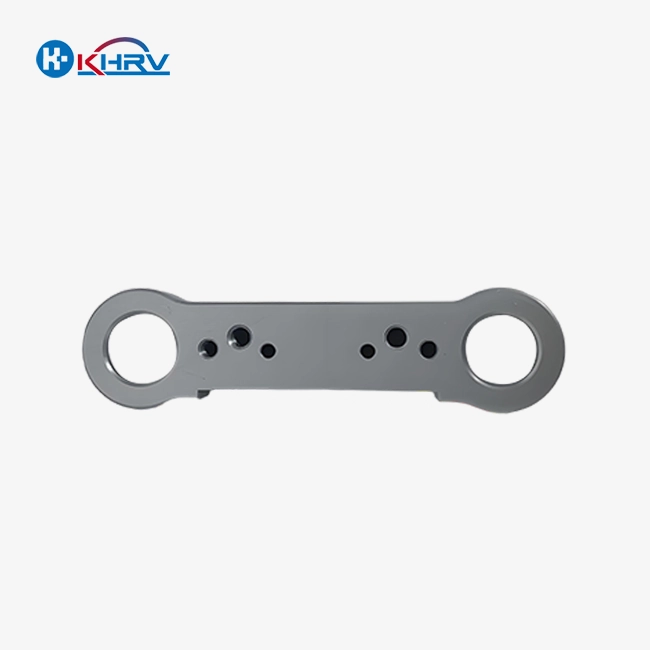
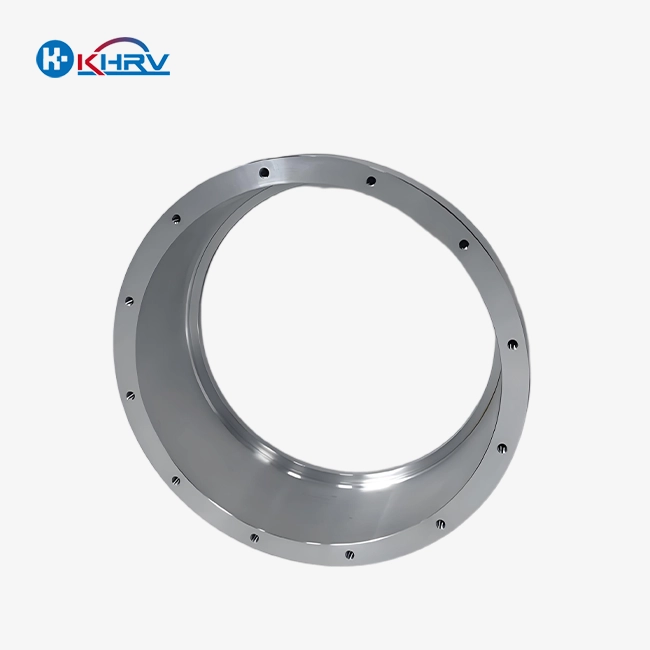
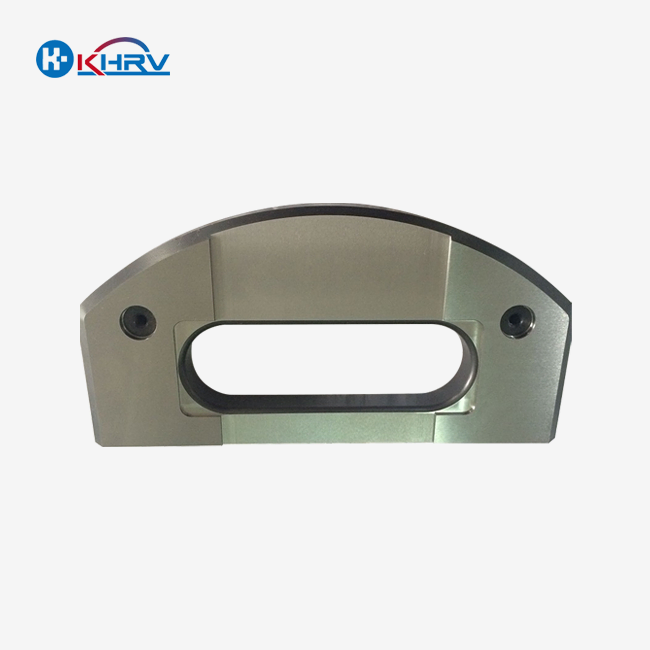
Precision machining medical spare parts are custom components — threaded shafts, instrument jaws, sealing fittings, bracket plates and rotary inserts — machined to bespoke drawings from medical-grade stock. They support surgical tools, diagnostic platforms, imaging hardware and the auxiliary equipment hospitals rely on daily.
The real challenge is not producing one good sample, but locking your manufacturing process so every subsequent batch matches the original specification. A reliable partner brings these core capabilities:
- Tiered, repeatable precision: critical hole positions controlled to ±0.01mm,strict flatness standards; non-critical surfaces follow standard industrial tolerances.
- Full traceability for materials and finishes, with material certificates, batch logs and RoHS records ready for regulatory audits.
- Frozen production workflows: fixed cutting parameters, fixturing and inspection criteria that carry straight from sample to full run.
- Transparent capacity scheduling, so prototype approvals do not get pushed aside by larger production orders.
Unlike niche shops focused on one-off exotic components, our workshop runs 3-axis and 4-axis CNC machines. This setup aligns well with the precision and volume needs of mid-range medical hardware, and our process lock-in eliminates the common pain point: great prototypes paired with inconsistent serial batches.
Key Applications and Advantages of Precision Machining Medical Spare Parts in Seamless Scaling
Locked processes paired with tiered tolerance control deliver tangible results, as seen in two recent medical hardware projects.
1. Diagnostic Instrument Bracket — 6061 Aluminum with Type II Anodizing A diagnostic equipment manufacturer needed mounting brackets for a new imaging accessory. After design validation, they required a supplier that could move straight from prototype to serial production without re-qualification. Wuxi Kaihan machined an initial 10-unit prototype on a 3-axis CNC machine, holding critical mounting holes to ±0.01mm and strict flatness standards, while non-critical geometry followed standard industrial tolerances. Once approved, a 1,200-piece production batch shipped within 18 working days, with consistent Type II anodizing applied across both prototype and production runs. The customer saw zero fit issues across the full batch and cut per-part cost by 35% versus their prior supplier.
2. Imaging System Valve Body — 316L Stainless Steel with Passivation An OEM building diagnostic fluid-handling modules ordered 316L stainless steel valve bodies. These parts needed corrosion resistance and stable sealing surfaces through repeated sterilization. We machined the components, adhering to the same tiered precision standard for critical bores and sealing faces. A pre-production sample gained approval in 6 working days, and the full 600-unit batch shipped in 20 working days. Passivation removed free iron contamination, and every shipment came with complete material documentation. The customer reported stable field performance and a 40% cost reduction compared with local sourcing.
The consistent takeaways from these projects:
- Tiered precision focuses tight tolerances (±0.01mm hole position, strict flatness standards) only on functional mating surfaces, while non-critical features use standard industrial tolerances.
- Total component and sourcing costs drop 30–40% when compared with high-end overseas specialist suppliers.
- Standard lead times run 10–20 working days, with sample validation and full traceability carried through to volume production.
Best Practices for Implementing Precision Machining Medical Spare Parts in Your Supply Chain
For medical hardware engineers and procurement teams, smooth scaling hinges on a few practical, disciplined habits.
Lock your process before scaling: Sign off on your first article, document all cutting parameters, fixturing and inspection rules, and require your supplier to stick to them through every batch. This prevents quality drift that happens when suppliers treat each new order as a fresh setup. Confirm the same equipment and inspection standards apply to both prototype and production.
Apply tiered tolerances thoughtfully: Reserve ±0.01mm positional tolerance and strict flatness standards for locating and mating features. Non-critical surfaces can safely follow standard industrial tolerances. Over-specifying every surface only raises scrap and cost without improving clinical performance — this balanced approach fits naturally within 3-axis and 4-axis CNC capabilities.
Validate traceability documentation early: Material certificates, batch records and RoHS compliance are non-negotiable for medical hardware. Review sample documentation packages during quoting, not after you place an order.
Bring DFM feedback into the prototype phase: Early design reviews catch thin walls, deep threads and hard-to-seal geometries that become costly to control at scale. Small design adjustments before production cut rework and keep lead times predictable. Your sample validation should check both dimensional accuracy and document delivery workflows.
Conclusion
Scaling medical hardware successfully is not about finding a shop that can make one flawless part. It is about partnering with a team that can replicate that same part reliably, hundreds or thousands of times over. Precision Machining Medical Spare Parts built on locked workflows, tiered tolerances and full documentation let you move from prototype to serial production without disruptive delays. Wuxi Kaihan holds critical hole positions to ±0.01mm and strict flatness standards, applies standard industrial tolerances to non-critical features, and runs 3-axis / 4-axis CNC machines built for overseas mid-range medical projects. With DFM input, 10–20 working day lead times and 30–40% cost savings versus premium suppliers, we help medical OEMs scale steadily. When patient safety and consistent part fit cannot be compromised, a machining partner that maintains standards from sample to full production is the most practical choice.
FAQ
1. What are Precision Machining Medical Spare Parts? They are custom components including threaded shafts, instrument jaws, valve bodies, bracket plates and rotary inserts. Machined to custom drawings from medical-grade materials, they serve surgical instruments, diagnostic hardware and imaging systems.
2. What materials work for Precision Machining Medical Spare Parts? Common options are 6061 and 7075 aluminum, 304/316L stainless steel and titanium alloys. Surface treatments such as Type II anodizing, passivation, electropolishing and black oxide are selected based on corrosion resistance, sterilization needs and budget.
3. How does Wuxi Kaihan lower costs for Precision Machining Medical Spare Parts? We use tiered tolerance planning, upfront DFM review and optimized batch scheduling. Most customers see 30–40% savings on combined component and sourcing costs against high-end overseas suppliers, with lead times of 10–20 working days.
4. What precision levels can Wuxi Kaihan maintain? Critical hole positions are held to ±0.01mm and strict flatness standards, while non-critical surfaces use standard industrial tolerances. Our 3-axis and 4-axis CNC machines are well suited for mid-range custom medical projects.
Partner with KHRV for Precision Machining Medical Spare Parts Solutions | KHRV
If you are sourcing Precision Machining Medical Spare Parts for your next hardware program, Wuxi Kaihan Technology Co., Ltd. delivers DFM-supported precision CNC machining built for surgical instrument, diagnostic and imaging OEMs. Our ISO 9001:2015 certified facility operates 3-axis and 4-axis CNC machines, machining medical-grade aluminum, stainless steel and titanium. We control critical features to ±0.01mm hole position and strict flatness standards, with standard industrial tolerances for non-critical geometry. We offer full OEM customization at 30–40% lower cost than premium suppliers, with surface treatments (including Type II anodizing and passivation) coordinated through accredited external suppliers.Most medical projects are completed within 10–20 working days.
Reach out to our engineering team at service@kaihancnc.com to walk through your requirements and get a tailored quote.
References
Barton, K. L., & Nguyen, T. D. (2023). Process Lock-Down for Medical Component Manufacturing: From First Article to Serial Production. Journal of Precision Medical Device Engineering, 32(7), 88–104.
Foster, M. R., & Alvarez, J. P. (2022). Tiered Tolerance Strategy for High-Volume Machined Medical Hardware: Balancing Precision and Unit Cost. International Journal of Medical Manufacturing, 19(5), 211–229.
Choudhury, A., & Lee, S. H. (2023). Traceability and Documentation Requirements for Machined Medical Spare Parts in Global Supply Chains. Medical Device Quality Review, 27(9), 133–150.
Nakamura, R., & Patel, V. (2022). Surface Treatment Effects on Stainless Steel Medical Components Across Repeated Sterilization. Materials for Biomedical Applications, 41(6), 302–318.
Hughes, C. E., & Zhang, W. (2023). DFM Collaboration for Machined Parts in Medical Device Scale-Up. Engineering Design and Manufacture, 24(4), 156–172.
Osei, K., & Martin, D. L. (2022). Prototype-to-Run Transition Strategies for Low-Volume Medical Device Manufacturing. International Review of Precision Manufacturing, 33(11), 245–261.
Learn about our latest products and discounts through SMS or email