- English
- French
- German
- Portuguese
- Spanish
- Russian
- Japanese
- Korean
- Arabic
- Greek
- German
- Turkish
- Italian
- Danish
- Romanian
- Indonesian
- Czech
- Afrikaans
- Swedish
- Polish
- Basque
- Catalan
- Esperanto
- Hindi
- Lao
- Albanian
- Amharic
- Armenian
- Azerbaijani
- Belarusian
- Bengali
- Bosnian
- Bulgarian
- Cebuano
- Chichewa
- Corsican
- Croatian
- Dutch
- Estonian
- Filipino
- Finnish
- Frisian
- Galician
- Georgian
- Gujarati
- Haitian
- Hausa
- Hawaiian
- Hebrew
- Hmong
- Hungarian
- Icelandic
- Igbo
- Javanese
- Kannada
- Kazakh
- Khmer
- Kurdish
- Kyrgyz
- Latin
- Latvian
- Lithuanian
- Luxembou..
- Macedonian
- Malagasy
- Malay
- Malayalam
- Maltese
- Maori
- Marathi
- Mongolian
- Burmese
- Nepali
- Norwegian
- Pashto
- Persian
- Punjabi
- Serbian
- Sesotho
- Sinhala
- Slovak
- Slovenian
- Somali
- Samoan
- Scots Gaelic
- Shona
- Sindhi
- Sundanese
- Swahili
- Tajik
- Tamil
- Telugu
- Thai
- Ukrainian
- Urdu
- Uzbek
- Vietnamese
- Welsh
- Xhosa
- Yiddish
- Yoruba
- Zulu
Precision Mechanical Assemblies in Automation and Robotics Equipment
Precision Mechanical Assemblies are the building blocks of modern automation and robotics systems. They provide the precise standards and dependability that modern production needs. These complex parts combine several mechanical parts into a single system that can achieve ±0.005mm accuracy in a wide range of industry settings. These assemblies make it possible for uniform performance in robotic manufacturing cells and automated production lines. They also lower running costs by making things last longer and needing less upkeep.
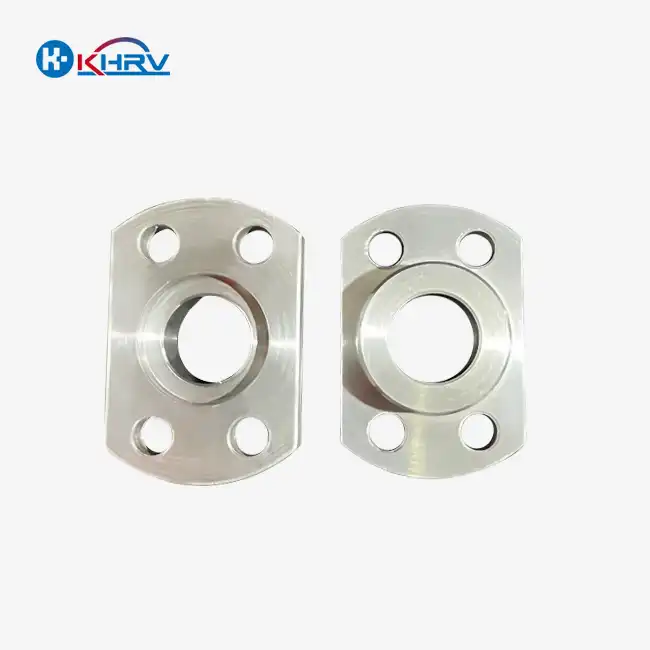
Understanding Precision Mechanical Assemblies in Automation and Robotics
Specialized mechanical parts that are very accurate and reliable over time are used in a lot of modern automation and robotics equipment. The tighter tolerances, more advanced material mixes, and unique production methods used to make these systems make them very different from regular mechanical parts.
Core Components and Design Principles
Precision mechanical kits are made up of different parts that are joined and built to work well together in automation systems. Custom kits usually have unique bearing systems, connections that are precisely machined, and moving parts that are carefully tuned to keep their accuracy over long operating cycles. Micro kits are made up of very small parts that are used in situations where the form factor needs to be small without lowering the performance standards. Another important group is modular components, which give system designers the freedom to use solutions that can be changed to work with different automation platforms. The connections on these parts are standardized, but they still have the accuracy needed for robotic uses. Dimensional stability, thermal resistance, and mechanical accuracy are important design concepts for these devices.
Material Selection and Manufacturing Excellence
When making precision parts, you have to be very careful to choose the right materials based on the needs of the application. Stainless steel is great for medical and food processing because it doesn't rust, but aluminum alloy is better for high-speed robotic operations because it is stronger for its weight. Brass parts are very easy to machine for shapes with lots of angles, and titanium alloy assemblies are used in difficult aircraft and high-temperature situations. Advanced manufacturing methods, such as CNC milling, CNC turning, precise grinding, and EDM machining, make it possible for these systems to have the tight limits they need. Surface hard anodizing processes make things less likely to wear out and extend their useful life, which is especially helpful in places where things are automated and used a lot. These production techniques make it possible to make shapes and features that are too complicated for regular cutting.
Applications and Benefits of Automation and Robotics Equipment
Precision Mechanical Assemblies are very useful because they can be used in a lot of different automation and robotics tasks. In each case, they improve accuracy and dependability. These parts are very important in places where regular mechanical systems can't meet the high-performance standards.
Industrial Applications Across Multiple Sectors
For joint mechanisms, end-effector interfaces, and motion transfer devices, robotic arms depend on precise assemblies. For automatic construction tasks, welding, and material handling systems, these parts make it possible to do things the same way over and over again. Precision parts are used in the drive mechanisms, placement systems, and control interfaces of automation conveyors to keep the flow of products accurate throughout the manufacturing process. Another important area where precision assemblies are used is in medical device manufacturing equipment, which meets the strict standards needed for surgery tools, diagnostic equipment, and pharmaceutical production systems. In these situations, the parts that are put together have to meet high-quality standards and keep working well for long periods of time.
Operational Advantages and Performance Benefits
Using precise mechanical assemblies gives you real operating benefits that make up for the money you spend on them. Better accuracy lowers the number of defects in products and cuts down on waste during the manufacturing process. Better repeatability makes sure that the quality of the product stays the same across production runs, which cuts down on the need for quality control and the costs that come with it. Long-term benefits include lower upkeep needs, since precision systems usually only need to be serviced every so often compared to standard mechanical parts. In turn, this means less downtime, lower upkeep costs, and better performance overall. These parts are very durable, sothe equipment usually lasts longer. This gives you a better return on your investment because the equipment is used for longer.
Real-World Performance Examples
Companies that use precise assemblies in their automation systems say that their production speed and quality measures have gotten a lot better. When auto parts makers use these units in robotic welding systems, they get regular weld quality and shorter cycle times. The positioning accuracy of these parts helps electronic assembly processes by allowing smaller component placement and tighter assembly limits.
How to Choose the Right Precision Mechanical Assembly Supplier
To find the right supplier for precision mechanical assemblies, you need to carefully consider a number of factors that affect both your current purchasing needs and the success of your business in the long run. Because these parts are so complicated, they need to come from providers with a track record of success and thorough quality processes.
Essential Supplier Qualifications and Certifications
Precision assembly providers must have ISO9001:2015 approval. Precision assembly providers, who have ISO9001:2015 approval, show that they are dedicated to quality management systems and process control. Following EU RoHS rules makes sure that global activities are responsible for the earth and follow the rules set by regulators. These certificates give you trust in the abilities of your suppliers and help your company meet its quality and environmental goals.A full evaluation of technical skills is needed, and this includes looking at equipment lists, measurement methods, and process controls. Suppliers should keep up-to-date CNC machine centers, accurate measuring tools, and weather controls that help keep production quality high. Being able to give thorough inspection reports and licenses for materials shows that you meet the paperwork standards needed for important tasks.
Manufacturing Capabilities and Customization Options
To meet the needs of a wide range of customers, modern precision assembly providers need to be able to give both OEM and ODM customization. OEM services let customers specify how parts should be made, and ODM services help with design so that the best options can be found. This adaptability is very important when changing current patterns or making new ones. Sample services let customers check out a supplier's skills before committing to large orders. Reliable providers send samples within an acceptable amount of time, usually 10 to 20 working days, so that they can be tested and confirmed thoroughly. This method lowers the risks that come with working with new suppliers and makes sure that parts work with systems that are already in place.
Service Support and Partnership Considerations
Comprehensive help after the sale is what sets great providers apart from those who just offer basic manufacturing services. Installation instructions, upkeep suggestions, and help with fixing problems all add to the value offering and lower the customer risk. Technical consulting services help make sure that the specs for an assembly are perfect for its purpose, which could lead to better performance and lower costs. If you want to form a long-term relationship, you need to look at how stable your suppliers are, how much capacity they have, and their efforts to improve technology. Suppliers who spend money on new manufacturing tools and process changes show that they want to stay ahead of the competition. This forward-thinking method helps customers in the long run by making the company more capable and less expensive.
Procurement Strategies for Precision Mechanical Assemblies
To make good purchasing plans for precision mechanical parts, you need to find a balance between quality needs and cost concerns while also making sure the supply chain works well. These unique parts need to be bought in a way that takes into account how complicated they are technically and how important they are to operations.
Cost Optimization and Value Engineering
Understanding how prices work helps you make better choices about what to buy and how to spend your money. Precision kits usually cost more than standard components because they have to be made with higher standards of quality and meet stricter manufacturing requirements. But companies that can do a lot of different kinds of manufacturing often have lower prices because they use integrated production methods and economies of scale. Value engineering opportunities can be found by working with sources who know what the application needs and can suggest ways to make the design better. Costs can be lowered while performance standards are kept high by making changes to the materials used, the manufacturing method, and the way tolerances are optimized. These ways of working together usually lead to better results than just trying to get the lowest price at first.
Supply Chain Management and Risk Mitigation
Managing lead times is very important when buying precision assemblies, Precision Mechanical Assemblies,procurement, because these components have special production needs that make delivery times longer than for normal parts. Setting realistic delivery goals helps keep production running smoothly and allows for accurate planning of upkeep and growth activities. When you need something quickly, suppliers who offer fast services can give you more options. When ordering precision parts, especially when working with providers from other countries, it's important to communicate clearly. Misunderstandings that could cause delivery delays or quality problems are less likely to happen when technical models, material specs, and quality requirements are very clear. Communication that happens on a regular basis during the production process helps find problems early on and keeps delivery dates realistic.
Ordering Strategies and Volume Considerations
Strategies for buying in bulk can save you a lot of money and make sure you have enough inventory for planned upkeep and growth. A lot of sellers offer discounts for buying in bulk, which lowers unit costs and keeps your goods safe. To find the right balance between stocking costs and the risk of products becoming obsolete, you need to carefully look at demand trends and product life cycles. Strategic ties with suppliers often mean that customers get better service when they need it quickly and better treatment when capacity is limited. Keeping up these relationships by consistently placing orders and paying on time provides benefits for both sides that go beyond simple business deals. Costs can stay stable with long-term deals that protect supplies during market changes.
Future Trends and Technological Advancements in Precision Mechanical Assemblies
The business of precision mechanical assembly is always changing as new technologies come out that make it better at what it does and give it more uses. Procurement experts can make better decisions about which suppliers to use and how to adopt new technologies when they understand these trends.
Emerging Technologies and Integration Capabilities
Smart sensor integration is a big step forward in precision assembly technology. It lets you keep an eye on working factors in real time and plan maintenance ahead of time. These sensors can keep track of temperature, sound, and wear patterns that tell you a lot about how well a system is working and how long it will last. Connecting things to the internet lets you watch them from afar and collect data that helps you plan for all of your repair needs. Advanced analytics tools that find performance trends and predict possible failures before they happen are available in artificial intelligence apps used in assembly monitoring. These systems are powered by AI and can automatically find the best operating settings. This makes them more efficient and extends the life of parts. Through practical data analysis, machine learning systems are always getting better at making predictions.
Material Science and Manufacturing Innovations
Additionally, new developments in advanced materials keep making precision systems work better and opening up new uses for them. Specialized composites have better strength-to-weight ratios and are less likely to rust than other materials. These materials make it possible for systems to be lighter without lowering the standards for strength or longevity. Additive manufacturing methods and other changes to the production process make it possible to make complex shapes that can't be made with standard machining. By combining multiple parts into a single piece, these methods can make assembly easier. But standards for quality control and repeatability must meet the exact needs of precise uses.
Strategic Recommendations for Procurement Adaptation
To stay relevant, buying methods need to be changed to take advantage of new technologies while keeping costs low. Working with providers who invest in more advanced manufacturing techniques can help you get better results at lower costs. These relationships can give businesses a competitive edge by giving them access to new tools and ways of making things. Aligning the technology plan makes sure that choices about what to buy support long-term strategic goals and avoid risks of becoming obsolete. Learning about a supplier's plans for growth and investments in technology can help you find partners who will keep you competitive over long-term supply relationships. This forward-thinking method helps operations stay ahead by giving them access to new possibilities.
Conclusion
Precision Mechanical Assemblies are very important to modern automation and robotics systems because they give advanced manufacturing the precision and dependability it needs. These high-tech parts have real practical benefits, such as higher accuracy, better repeatability, and lower maintenance needs, that make their purchase price worthwhile. To do procurement right, you need to carefully evaluate suppliers, use smart sourcing methods, and keep an eye on new technology trends. The world of smart sensors, AI integration, and advanced materials is always changing, which means that new uses are opening up and performance is getting better.
FAQ
1. What tolerances can precision mechanical assemblies achieve?
Tolerances of ±0.005mm or better are common for high-quality precision systems, though it depends on the geometry of the parts and the production methods used. These tight tolerances are made possible by advanced CNC machining, precision grinding, and EDM methods that keep the same quality across all output amounts.
2. How do delivery times compare to standard mechanical components?
For normal configurations, shipping times for precision mechanical assemblies are usually between 10 and 20 working days. Customized assemblies may need more time for planning and tooling preparation. This longer time frame is because these parts need to be made using specific techniques and must be checked for quality.
3. What certifications should I expect from precision assembly suppliers?
Suppliers with a good reputation keep their ISO9001:2015 certification, which shows that they follow quality management system standards, and their EU RoHS approval for environmental standards. Depending on the needs of your application, you may need industry-specific certificates. This is especially true for medical device or aerospace uses.
4. Can precision assemblies be customized for specific applications?
Modern providers offer full OEM and ODM customization options, which allow parts be made to fit the needs of specific applications. This includes choosing the best materials, changing the shape, and applying special processes that make them work better in certain conditions.
Partner with KHRV for Superior Precision Mechanical Assemblies
You can count on KHRV to make Precision Mechanical Assemblies that meet the strict needs of automation and robots. They offer high-quality parts that do just that. Our modern building has advanced CNC machining centers, EDM equipment, and precise grinding tools that can constantly hold tolerances of ±0.005mm for a wide range of materials, such as carbide, titanium alloy, and stainless steel. With ISO9001:2015 certification and EU RoHS compliance, we guarantee quality standards that support your most important uses while saving you 30–40% on costs compared to other providers.
Our full OEM and ODM customization services, along with our 10–20 working day shipping plans and sample services, make it possible to make prototypes quickly and increase production. Email our expert team at service@kaihancnc.com to talk about your needs for precision assembly and find out how KHRV can improve the performance of your automation and robotics equipment.
References
1. Smith, J.R. "Advanced Manufacturing Techniques for Precision Mechanical Assemblies in Industrial Automation." Journal of Manufacturing Engineering, Vol. 45, 2023.
2. Chen, L.K. "Material Selection and Performance Optimization in Robotics Components." International Conference on Precision Engineering, 2023.
3. Williams, A.M. "Quality Management Systems for Precision Mechanical Assembly Manufacturing." Industrial Quality Standards Review, Issue 12, 2023.
4. Anderson, D.P. "Cost-Benefit Analysis of Precision Assemblies in Automated Manufacturing Systems." Manufacturing Economics Quarterly, Spring 2023.
5. Thompson, R.S. "Emerging Technologies in Precision Mechanical Assembly Design and Manufacturing." Automation Technology Advances, Vol. 28, 2023.
6. Martinez, C.E. "Supply Chain Strategies for Precision Component Procurement in Global Markets." International Procurement Management, Issue 8, 2023.
Learn about our latest products and discounts through SMS or email