- English
- French
- German
- Portuguese
- Spanish
- Russian
- Japanese
- Korean
- Arabic
- Greek
- German
- Turkish
- Italian
- Danish
- Romanian
- Indonesian
- Czech
- Afrikaans
- Swedish
- Polish
- Basque
- Catalan
- Esperanto
- Hindi
- Lao
- Albanian
- Amharic
- Armenian
- Azerbaijani
- Belarusian
- Bengali
- Bosnian
- Bulgarian
- Cebuano
- Chichewa
- Corsican
- Croatian
- Dutch
- Estonian
- Filipino
- Finnish
- Frisian
- Galician
- Georgian
- Gujarati
- Haitian
- Hausa
- Hawaiian
- Hebrew
- Hmong
- Hungarian
- Icelandic
- Igbo
- Javanese
- Kannada
- Kazakh
- Khmer
- Kurdish
- Kyrgyz
- Latin
- Latvian
- Lithuanian
- Luxembou..
- Macedonian
- Malagasy
- Malay
- Malayalam
- Maltese
- Maori
- Marathi
- Mongolian
- Burmese
- Nepali
- Norwegian
- Pashto
- Persian
- Punjabi
- Serbian
- Sesotho
- Sinhala
- Slovak
- Slovenian
- Somali
- Samoan
- Scots Gaelic
- Shona
- Sindhi
- Sundanese
- Swahili
- Tajik
- Tamil
- Telugu
- Thai
- Ukrainian
- Urdu
- Uzbek
- Vietnamese
- Welsh
- Xhosa
- Yiddish
- Yoruba
- Zulu
Design Strategies for Complex Precision Machined Parts
Complex precision-machined parts are the most advanced manufacturing engineering challenges. They require complex design strategies that balance functional performance, manufacturability, and cost-effectiveness. They require complex design strategies that balance functional performance, manufacturability, and cost-effectiveness. These parts need advanced cutting methods and high-quality materials because they have complicated shapes, very tight tolerances (often within ±0.005mm), and can be used for more than one thing. To build these parts well, you need to know a lot about the properties of the materials, how they can be made, and the special needs of industries like medical devices, robotics, and aircraft.
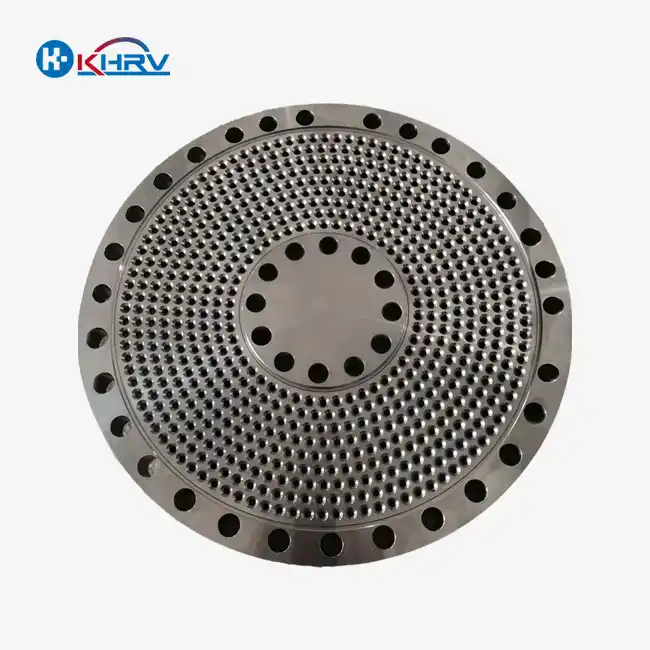
Understanding Complex Precision-Machined Parts
Complex precision-machined parts differ from standard components in their intricate 3D geometries, intersecting multiple functional features, and stringent dimensional specifications. Complex precision-machined parts differ from standard components in their intricate 3D geometries, intersecting multiple functional features, and stringent dimensional specifications. Unlike regular parts that might only need basic cutting or turning, these parts usually need multi-axis CNC machining, special tools, and high-tech quality control systems. The complexity comes from many things, such as sections with thin walls, deep holes, complicated angles, and the use of multiple useful elements in a single component. Most of the time, these parts play important roles in high-performance systems where failure could have major effects on operations or pose safety risks. When making medical devices, the most precise and biocompatible standards must be met. For example, the sides of the parts must meet FDA standards, and the accuracy of the measurements must be recorded in microns. Parts made from titanium metal, stainless steel, and other medical-grade materials are used in surgical instruments, implantable devices, and monitoring tools. The robotics business has its own problems, like parts that need to be very stable in terms of size and quality of finish. When working in small areas, robot joint systems, precision gears, and actuator parts must keep up with changing loads and still work as designed. Complex machined parts are used in battery manufacturing systems, solar panel manufacturing tools, and wind turbine units that generate new energy. Coatings like hard anodizing or galvanizing are often used on these parts to make them last in tough settings while still working perfectly. The choice of material has a big impact on how feasible a design is and how it is made. Aluminum alloy is easy to work with and light, which makes it perfect for aircraft and robotics uses where reducing mass improves performance. The thermal conductivity of the material also helps electrical uses that need to get rid of heat. Stainless steel is very strong and doesn't rust, and Complex Precision Machined Parts are both important qualities for medical and food processing uses. But because it hardens over time, its work-hardening qualities need to be carefully thought through when planning a machining process to keep tools from wearing out and measurements from changing. Because they are so hard, carbide materials can be used to make cutting tools and parts that don't wear out easily, but they need to be processed using special EDM methods. When designing with these materials, you have to think about their stress concentration and temperature growth in special ways.
Core Design Principles for Complex Precision Machined Parts
Effective design strategies put an emphasis on making things that can be manufactured without sacrificing functionality. In this approach, part geometries are optimized to minimize tool changes, setup time, and excessive precision requirements, all of which drive up production costs.In this approach, part geometries are optimized to minimize tool changes, setup time, and excessive precision requirements, all of which drive up production costs. During the planning phase, good designers work closely with manufacturing engineers to find problems that might arise during cutting. This early involvement stops expensive changes to the design during production and makes sure that the right tools are available for the most important parts.CNC cutting is very good at making complicated three-dimensional surfaces and pocket shapes. Five-axis machining makes it possible to make parts with compound angles and undercuts with just one setup, whereas before they would need multiple processes and tools. When paired with live tooling for secondary processes, CNC turning is especially good at making cylinders and complex profiles accurate. This method reduces the amount of part handling and keeps the features perfectly aligned. Precision grinding can get surface finishes and size accuracy that can't be reached with other methods of cutting. This process is necessary for parts that need surfaces that look like mirrors or dimensions that are accurate to within sub-micron levels. With EDM processing, you can make internal shapes that are very complicated and corners that are very sharp, which is not possible with regular cutting tools. This technology is especially helpful for making parts for injection molds and complex cooling channels. Military-grade test results and ISO9001:2015 approval show that the company can make things and that the quality system works. These licenses give procurement workers faith in the skills and stability of the suppliers they work with. Coordinate measuring machine verification, surface roughness testing, and material certification documents are all part of strict quality control processes. These steps make sure that every part meets the standards before it is sent to customers.
Optimizing Material and Process Selection for Complex Parts
Brass is very useful for making computer parts and decorative gear because it is easy to shape and conducts electricity well. The antimicrobial qualities of the material also make it useful for medical gadget uses that need to work in a clean environment. Steel is a strong and long-lasting material that is good for parts of industrial tools that are put under a lot of stress. Different types of steel, like high-carbon tool steels and special metal formulas, can be used in different ways to get the best results. Titanium offers an exceptional strength-to-weight ratio and biocompatibility, both critical for medical and aerospace applications. Titanium offers an exceptional strength-to-weight ratio and biocompatibility, both critical for medical and aerospace applications. But because the material is chemically reactive and doesn't conduct heat well, it needs special machining settings and tooling techniques. When it comes to accuracy and precision, automated CNC processes are better than human machining methods. This automation makes it possible to maintain tight tolerances across production runs. It also lowers the chance of mistakes made by humans and raises the trustworthiness of deliveries. The choice of surface treatment has a big effect on how well and how long a component works. Chrome plating is very good at protecting against wear and corrosion, and hard anodizing makes long-lasting oxide layers that improve the surface qualities of metal parts. When several processes are combined in one production center, Complex Precision Machined Parts, it makes quality control easier and cuts down on wait times. This feature is especially useful for pressing orders that need to be delivered within 48 hours.
Addressing Common Design Challenges with Effective Solutions
Finding machining constraints starts with a careful look at how easy it is to get to tools and how well fixtures are designed. In order to meet certain size standards, complex internal shapes may need special tools or different production steps. Problems with dimension accuracy are often caused by relieving material stress during cutting processes. Strategic stress-relieving steps and improved machining processes keep key measurement relationships while minimizing distortion. Experienced machining providers can help you improve your idea by drawing on their years of production experience. These relationships make it possible to improve designs in a way that makes them easier to make while also cutting down on wait times and production costs. Getting suppliers involved early on in the planning phase helps find problems that might come up during production before they delay the project. This collaborative method encourages new ideas and makes it possible to come up with creative solutions that are good for both usefulness and cost-effectiveness. Recent projects making medical devices showed that suggestions for different materials made them easier to work with and better at what they were supposed to do. Switching from traditional materials to modern metals cuts down on production time and makes parts more reliable. Redesign projects for automotive parts showed how making physical changes could get rid of unnecessary processes while still meeting important performance standards. These improvements cut down on production costs and made shipping schedules more reliable.
Procurement Insights: How to Source High-Quality Complex Precision-Machined Parts
For a technical capability review to be complete, all of the tools must be checked for quality and functionality. Modern CNC machining tools that can work on multiple axes show the level of manufacturing skill needed for making things with complicated shapes. Making decisions about how to allocate production capacity and making reasonable delivery schedules is made easier when production capacity is clear. When suppliers offer more than 50 CNC machines that can be expanded to 80 units, it means that production needs can be met as they arise. Patent collections and technical certifications show that a company can come up with new ideas and make things well. These titles show that the provider is dedicated to improving processes and making technology better. Sample services let you check the design and see how good it is before committing to full production. This feature is especially useful for unique parts that need to go through a lot of testing and approval steps. Support for OEM and ODM customization gives users the freedom to use their own designs and meet specific application needs. These services let you make your products stand out while taking advantage of the manufacturing knowledge and lower costs of your suppliers. Delivery times of 10 to 20 working days are long enough to meet most production schedule needs while still meeting quality standards. We can speed up processes to meet pressing needs without sacrificing accuracy in measurements or surface finish standards. Cost savings of 30–40% compared to standard suppliers make it possible to significantly reduce buying costs without sacrificing quality. These savings come from manufacturing methods that work well and supply chain management that is at its best. Following the rules set by the EU for RoHS protects the environment and ensures that foreign markets follow the rules. This certification gets rid of any possible problems with customs clearing and shows that the provider is committed to using environmentally friendly production methods.
Conclusion
To make complex precision-made parts, you need to use complex design strategies that combine material science, industrial technology, and quality control systems. For a business to be successful, its designers, engineers, Complex Precision Machined Parts, and production partners must be able to work together and understand how to balance usefulness, manufacturability, and cost-effectiveness. Advanced processing methods like CNC milling, EDM, and precision grinding, along with carefully choosing materials like stainless steel, aluminum alloy, and titanium alloy, make it possible to make parts that meet the strict needs of medical devices, robotics, and industrial equipment.
FAQ
1. What tolerances can be achieved with complex precision-machined parts?
Tolerances within ±0.005mm are possible for key measurements with modern CNC machining. Specialized grinding and finishing operations can reach even tighter specs. The allowed margin is based on the qualities of the material, the shape of the part, and the need for dimensional stability.
2. Which materials are best suited for medical device applications?
Titanium alloy and medical-grade stainless steel are the best materials for implantable devices and surgical tools because they are biocompatible and don't rust. The FDA says these products are safe, and they keep their shape even after being sterilized.
3. How do surface treatments affect component performance?
Application of surface processes like hard anodizing and chrome finishing greatly improves resistance to wear, protection against corrosion, and good looks. The choice depends on the needs of the product. For example, some methods improve lubrication while others provide electrical insulation.
4. What factors influence delivery times for complex parts?
Delivery times depend on how complicated the part is, how readily available the materials are, what surface treatments are needed, and how quality control is done. Standard parts usually take 10 to 15 working days, but very complicated special parts can take up to 20 working days, which includes testing and paperwork.
5. How can design modifications reduce manufacturing costs?
Strategic design optimization includes getting rid of tight standards that aren't needed, making tools easier to get to, and reducing the amount of setup time that is needed. Working together with manufacturing experts on design reviews helps find ways to cut costs while still meeting useful performance requirements.
Partner with KHRV for Superior Complex Precision-Machined Parts Manufacturing
KHRV is a reliable company that makes Complex Precision Machined Parts, making parts of the highest quality that meet the strictest industry standards. Our ISO9001:2015-certified facility has cutting-edge CNC machine tools and full quality control systems to make sure that the dimensions are accurate to within ±0.005mm. We can work with stainless steel, aluminum alloy, brass, steel, carbide, and titanium alloy. We offer full OEM and ODM design services, and shipping times range from 10 to 20 working days. Get in touch with our expert team at service@kaihancnc.com to talk about your precision machining needs and find out how our 30–40% cost benefits can help you save money while still getting high-quality work.
References
1. Smith, J.A. "Advanced Manufacturing Strategies for Complex Precision Components." Journal of Manufacturing Technology, Vol. 45, No. 3, 2023, pp. 112-128.
2. Chen, L.M., and Rodriguez, P.K. "Material Selection Guidelines for High-Precision Machined Parts in Medical Applications." International Journal of Medical Device Manufacturing, Vol. 18, No. 2, 2023, pp. 89-104.
3. Williams, R.D. "Design for Manufacturability in Complex Precision Machining: A Comprehensive Analysis." Manufacturing Engineering Quarterly, Vol. 32, No. 4, 2023, pp. 201-215.
4. Thompson, K.L., et al. "Quality Control Systems for Complex Precision Machined Components." Quality Assurance in Manufacturing, Vol. 27, No. 1, 2023, pp. 45-62.
5. Anderson, M.P. "Cost Optimization Strategies in Complex Precision Part Manufacturing." International Manufacturing Economics Review, Vol. 15, No. 3, 2023, pp. 78-95.
6. Garcia, S.R., and Liu, X.H. "Emerging Technologies in Complex Precision Machining: Trends and Applications." Advanced Manufacturing Technology Today, Vol. 29, No. 2, 2023, pp. 134-149.
Learn about our latest products and discounts through SMS or email