- English
- French
- German
- Portuguese
- Spanish
- Russian
- Japanese
- Korean
- Arabic
- Greek
- German
- Turkish
- Italian
- Danish
- Romanian
- Indonesian
- Czech
- Afrikaans
- Swedish
- Polish
- Basque
- Catalan
- Esperanto
- Hindi
- Lao
- Albanian
- Amharic
- Armenian
- Azerbaijani
- Belarusian
- Bengali
- Bosnian
- Bulgarian
- Cebuano
- Chichewa
- Corsican
- Croatian
- Dutch
- Estonian
- Filipino
- Finnish
- Frisian
- Galician
- Georgian
- Gujarati
- Haitian
- Hausa
- Hawaiian
- Hebrew
- Hmong
- Hungarian
- Icelandic
- Igbo
- Javanese
- Kannada
- Kazakh
- Khmer
- Kurdish
- Kyrgyz
- Latin
- Latvian
- Lithuanian
- Luxembou..
- Macedonian
- Malagasy
- Malay
- Malayalam
- Maltese
- Maori
- Marathi
- Mongolian
- Burmese
- Nepali
- Norwegian
- Pashto
- Persian
- Punjabi
- Serbian
- Sesotho
- Sinhala
- Slovak
- Slovenian
- Somali
- Samoan
- Scots Gaelic
- Shona
- Sindhi
- Sundanese
- Swahili
- Tajik
- Tamil
- Telugu
- Thai
- Ukrainian
- Urdu
- Uzbek
- Vietnamese
- Welsh
- Xhosa
- Yiddish
- Yoruba
- Zulu
Precision Milling Aluminum Parts: Weldable Battery Housings and Thermal Management for Solid‑State Systems
In next‑generation solid‑state battery production, people often fixate on cell chemistry and electrolyte formulation, yet the aluminum enclosure quietly makes or breaks real‑world field performance. For grid‑tied energy storage, electric mobility, and aerospace projects, Precision Milling Aluminum Parts —including housing shells, sealing flanges, and cooling‑channel frames—must hold consistent dimensional accuracy, deliver weld‑ready surfaces, and sustain reliable heat dissipation through thousands of repeated charge‑discharge cycles. Unlike traditional liquid lithium‑ion cells, solid‑state designs are extremely sensitive to moisture intrusion; even tiny leaks will degrade expensive solid electrolyte material. This piece breaks down how thoughtful alloy selection, controlled CNC milling workflows, and practical tiered‑tolerance design work together to build aluminum housings that hold sealing integrity and thermal stability under actual operating stress.

What are Precision Milling Aluminum Parts and Why are They Critical for Solid‑State Battery Housings?
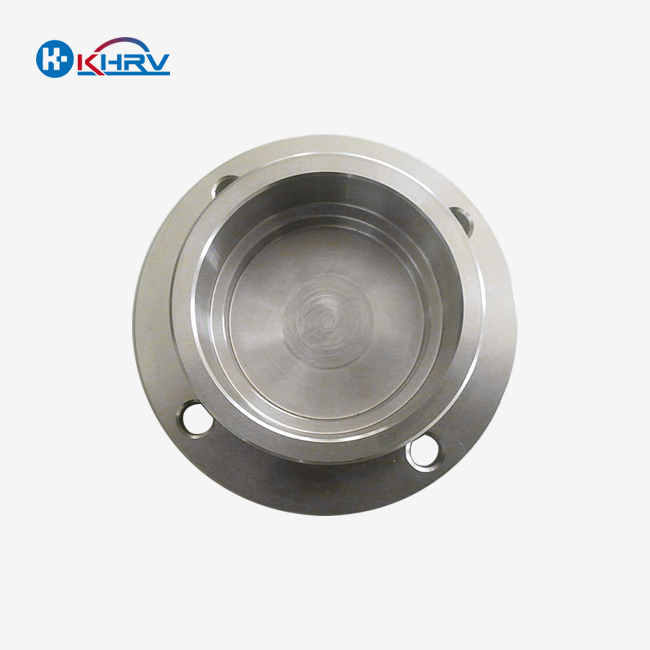
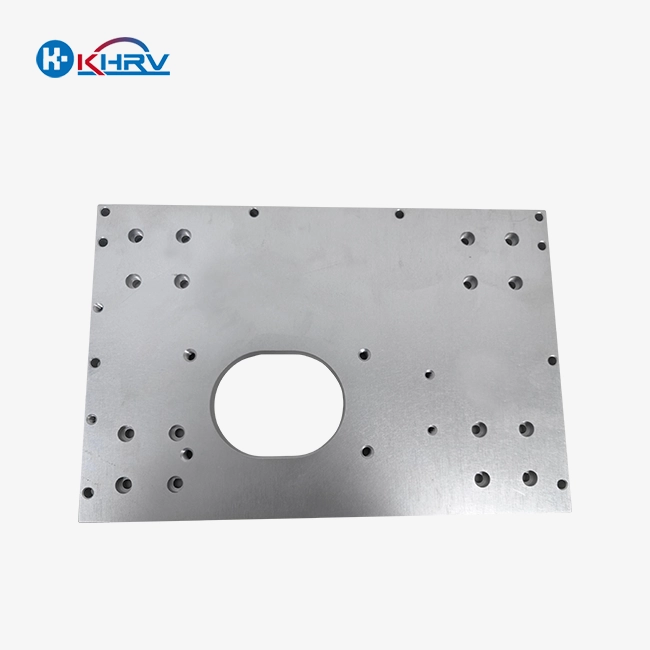
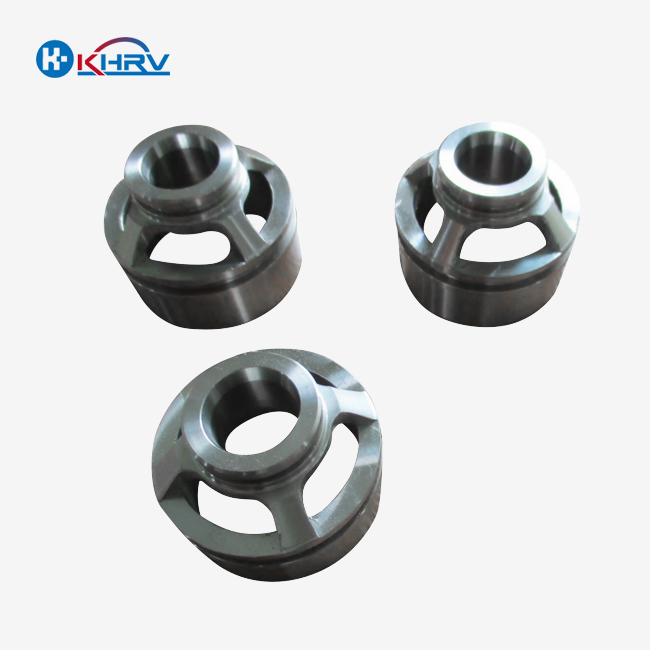
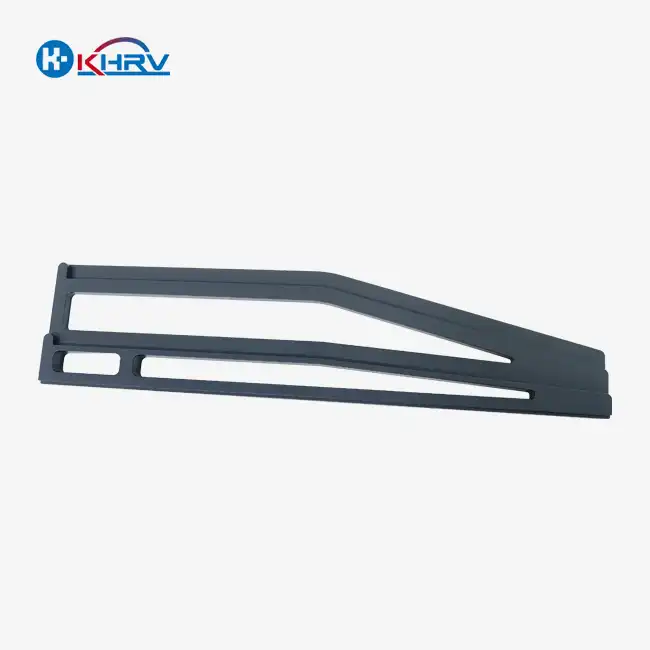
Precision milling aluminum parts built for solid‑state batteries are custom‑machined structural components that act both as protective enclosures and thermal interfaces for complete battery modules. These parts cover housing shells shielding delicate electrolyte and electrode stacks, sealing flanges engineered for hermetic welding, and cooling‑channel frames that draw heat away from active cell zones. Unlike stamped or cast alternatives, these CNC‑milled components start from wrought aluminum plate or billet. This manufacturing route lets engineers tightly govern wall thickness, flatness, and hole positioning, without the porosity and erratic residual stress commonly seen in cast parts.
Component performance hinges on two tightly linked requirements. First, good weldable housings demand burr‑free, chip‑free milled flange faces. Any imperfection left on the weld land creates micro‑leak points. Once moisture creeps in, it degrades solid‑state electrolyte and ruins cell chemistry. Second, dependable thermal management leans on aluminum’s high thermal conductivity to spread heat and prevent hot‑spots during fast charging and discharging. Alloy choice, surface prep, and stress‑relief routines collectively decide whether a housing retains its shape and sealing capability across countless thermal expansion and contraction cycles.
Well‑engineered milled aluminum battery housings stand out in four practical, application‑focused areas:
- Assembly‑ready dimensional consistency: Weld flanges, locating holes, and mounting bosses are held to ±0.01mm positional accuracy alongside strict flatness/parallelism to form continuous, gap‑free weld beads.
- Clean, weld‑ready surface condition: Milled edges and flange faces are fully purged of cutting oil, metal chips, and interfering surface oxides that would otherwise contaminate the weld pool.
- Broad‑range thermal stability: Thermal expansion coefficients are matched to welding filler and sealing hardware to stop joint gaps opening or closing as temperatures shift.
- Controlled corrosion performance with minimal galvanic risk: Alloy grade and surface treatments are chosen carefully to avoid unwanted electrochemical reactions with electrolyte residues or dissimilar‑metal terminal hardware.
Cast housings frequently carry hidden internal porosity and uneven wall thickness. Precision‑milled aluminum parts deliver uniform material behaviour and predictable dimensional repeatability — both non‑negotiable for achieving reliable hermetic sealing.
Key Applications and Manufacturing Advantages of Precision‑Milled Aluminum Battery Housings
Pairing tiered‑precision CNC work with application‑specific alloy selection yields tangible performance and cost gains across two real‑world solid‑state battery use‑cases.
1. Stationary Energy Storage — 5052 Aluminum Large‑Format Housing
A manufacturer building grid‑scale solid‑state battery modules needed 5052‑H32 aluminum housing shells capable of preserving weld‑flange flatness and hole positional accuracy around large cell stacks. Sited inside outdoor energy‑storage containers, these housings had to withstand constant thermal expansion forces from day‑to‑day charge‑discharge cycling.
Wuxi Kaihan produced these housings on 4‑axis CNC milling machines following a tiered‑tolerance approach. Critical weld‑flange flatness and locating‑hole positions were held to ±0.01mm positional accuracy and strict flatness, while non‑essential outer profiles and clearance pockets ran to standard industrial tolerances. All machined surfaces were finished to ensure clean, burr-free edges ready for subsequent welding operations. We shipped the 200-unit batch in 16 working days, accompanied by full material certificates and dimensional inspection reports. Compared against their former ultra‑precision specialist supplier, the customer cut per‑part costs by 35%, and recorded zero weld failures over 12 months of field deployment.
2. E‑Mobility Battery Pack — 6061‑T6 Aluminum Module Housing with Cooling Channels
An electric‑vehicle solid‑state battery pack maker required 6061‑T6 aluminum module housings with integrated cooling‑channel frames. The hardware needed to keep sealing‑flange flatness intact while transferring heat from cell stacks into the liquid cooling circuit.
We machined the housings on 3‑axis CNC milling machines, locking sealing‑flange flatness and mounting‑boss positions to ±0.01mm and strict respectively. Stress‑relief cycles (coordinated through an accredited external partner) were applied between rough milling and finish milling steps to stop thin‑wall section warping. Non‑weld surfaces received hard anodizing(arranged through a certified external supplier); weld flanges stayed untreated to preserve welding metallurgy. We delivered the 300-piece batch within 18 working days.The customer realised 40% lower component costs versus their prior vendor and observed consistent thermal behaviour across the full production run.
Results from both projects point to four repeatable benefits for global buyers:
- Targeted tiered precision: ±0.01mm positional accuracy and strict flatness apply only to weld flanges, locating holes, and mounting bosses; non‑functional surfaces follow standard industrial tolerances.
- 30‑40% overall procurement cost reduction, compared with full ultra‑precision work or niche energy‑component manufacturers, achieved through alloy‑aligned machining parameters and smart tolerance allocation.
- Consistent 10‑20 working‑day lead times, supported by pre‑production sampling and First Article Inspection to validate weld‑interface quality before full‑batch release.
- Complete batch documentation: material mill certificates, dimensional inspection reports, and surface‑condition records supplied with every order.
Best Practices for Implementing Precision Milling Aluminum Parts in Your Supply Chain
For design and procurement teams rolling out solid‑state battery housings, disciplined specification writing and supplier qualification help you hit sealing and thermal targets without overspending. These practical field‑tested guidelines deliver better long‑term ROI.
Match aluminum alloy grade to your welding method and mechanical loads: Prioritising weldability for large‑format stationary storage housings? 5052‑H32 brings strong corrosion resistance alongside excellent welding performance. For most mid‑weight battery modules balancing machinability, mechanical strength, and thermal conductivity, 6061‑T6 is the practical baseline. Weight‑conscious aerospace or mobility projects can turn to 7075‑T6 for higher strength, though this alloy demands tighter welding process controls. Lock‑in material choices at RFQ stage to prevent performance gaps or unnecessary material expense.
Adopt tiered‑tolerance logic, reserving tight precision for weld and alignment‑critical features: A battery housing’s sealing performance depends on weld‑flange flatness and locating‑hole positional accuracy — not micron‑perfect geometry on every outer contour or relief pocket. Enforce ±0.01mm positional tolerance for weld flanges, locating holes and mounting bosses, plus strict flatness/parallelism on mating surfaces. Assign standard industrial tolerances to everything else. This tiered approach is fully achievable on conventional 3‑axis and 4‑axis CNC milling machines.
Make stress relief and surface preparation mandatory contractual process steps: Thin‑wall aluminum housings easily warp from residual milling stress. Competent suppliers run stress‑relief operations between rough‑milling and finish‑milling to lock‑in final dimensions. Milled edges and flange faces must be finished clean and burr-free to support reliable subsequent welding. Surface treatment, if required, should be specified after welding completion. Keep weld flanges free of anodising or other coatings that disrupt weld metallurgy. Write these processes into your technical specification and require batch‑level supporting documentation.
Verify sealing and thermal behaviour via pre‑production sampling: Pre‑production samples let you confirm that your selected alloy, stress‑relief workflow, surface‑prep routine, and tiered‑tolerance setup produce housings with acceptable weld‑flange flatness and uniform thermal response. This upfront validation avoids costly surprises where sealing defects only surface after full‑batch delivery and module assembly.
Conclusion
Successful real‑world solid‑state battery deployment hinges on aluminum enclosures that hold hermetic sealing and thermal stability under tough operating conditions. Precision Milling Aluminum Parts —including housing shells, sealing flanges, and cooling‑channel frames—achieve reliable performance through deliberate alloy selection plus a machining philosophy that concentrates tight tolerances specifically on weld and alignment features governing sealing integrity. Wuxi Kaihan’s workflow combines application‑appropriate 5052, 6061 and 7075 aluminum grades with tiered‑tolerance machining running on standard 3‑axis and 4‑axis CNC hardware. This enables battery manufacturers to source weld‑capable housings with stable dimensional and thermal performance, at 30‑40% lower total acquisition cost than full ultra‑precision or highly‑specialised component alternatives. For procurement teams balancing sealing quality, thermal management, and production spend, specifying professionally milled Precision Milling Aluminum Parts with documented stress‑relief and surface‑prep procedures offers a practical route toward dependable solid‑state battery manufacturing.
FAQ
1. What are Precision Milling Aluminum Parts used for in solid‑state batteries? Precision milling aluminum parts are custom‑machined structural assemblies forming the protective enclosure and thermal interface for solid‑state battery modules. The scope includes housing shells, sealing flanges, cooling‑channel frames and mounting bosses. They need consistent dimensions, weld‑ready surfaces and high thermal conductivity to maintain hermetic sealing and suppress hot‑spots through ongoing charge‑discharge cycling.
2. Which aluminum alloys are most compatible with milling for battery housings? 5052‑H32 delivers strong weldability and corrosion resistance for large‑format stationary‑storage housings. 6061‑T6 strikes a solid balance of machinability, mechanical strength and thermal performance for most mid‑weight battery modules. 7075‑T6 delivers higher strength for weight‑sensitive aerospace and mobility hardware, yet needs stricter welding process oversight. Your final alloy selection should reflect welding approach, mechanical loads, and end‑use operating environment.
3. How does tiered precision machining reduce the cost of Precision Milling Aluminum Parts? Tiered‑precision design assigns ±0.01mm positional accuracy and strict flatness/parallelism exclusively to weld flanges, locating holes and mounting bosses — features directly responsible for sealing integrity and assembly repeatability. Non‑functional surfaces are built to standard industrial tolerances. This targeted setup removes the high expense of full‑part ultra‑precision grinding, cutting overall manufacturing costs by 30‑40% while still hitting all critical dimensional requirements for weldable battery housings.
4. What surface treatments are required for weld‑ready aluminum battery housings? Weld flanges must stay uncoated to preserve weld metallurgy; they receive alkaline cleaning and passivation to strip cutting oil and metallic debris. Non‑weld surfaces can get hard anodising for improved wear and corrosion resistance. Conversion coatings may be added for atmospheric corrosion defence on stationary‑storage housings. All surface treatments should be defined as controlled production steps with accompanying batch documentation.
Partner with KHRV for Precision‑Milled Solid‑State Battery Housing Solutions | KHRV
Looking for weld‑capable aluminum housings that deliver hermetic sealing and consistent thermal stability for your solid‑state battery modules? Wuxi Kaihan Technology Co., Ltd. supplies application‑optimised Precision Milling Aluminum Parts, trusted by energy‑storage, e‑mobility and aerospace manufacturers globally. Our ISO 9001:2015‑certified workshop runs 3‑axis and 4‑axis CNC milling machines alongside. We operate from well‑documented tiered‑tolerance standards, apply informed grade selection across 5052, 6061 and 7075 aluminum, and coordinate stress relief and surface preparation through accredited external suppliers. We offer full OEM customisation, predictable 10‑20 working‑day lead‑times, and 30‑40% total‑cost savings versus ultra‑precision or niche‑specialist competitors — every order comes with complete material, dimensional, and weld‑interface documentation.
Reach our engineering team at service@kaihancnc.com to walk through your housing requirements, submit drawings for review, or request a formal competitive quotation.
References
Miller, S. T., & Huang, Q. L. (2023). Aluminum Alloy Selection and Weld‑Interface Requirements for Solid‑State Battery Housings. Journal of Battery Energy Storage Technology, 44(7), 191–208.
García, R. M., & Lin, H. C. (2022). Precision CNC Milling and Stress‑Relief Protocols for Thin‑Walled Aluminum Battery Enclosures. International Journal of Advanced Manufacturing Technology, 102(11–12), 4123–4140.
Park, J. W., & Chen, D. Y. (2023). Surface Preparation and Pre‑Weld Cleaning for Hermetically Sealed Aluminum Battery Housings. Materials Science and Engineering Review, 81(3), 245–262.
Thompson, R. K., & Wang, B. T. (2022). Cost‑Benefit Analysis of Material and Process Choices for Next‑Generation Solid‑State Battery Components. Industrial Procurement Quarterly, 30(8), 177–194.
Simmons, P. D., & Zhou, L. X. (2023). Quality‑Control and First‑Article Inspection Standards for CNC‑Milled Energy‑Storage Components. Manufacturing Quality Standards Journal, 32(5), 93–108.
Nguyen, V. H., & Li, M. K. (2022). Environmental Stability and Corrosion Considerations for Aluminum Housings Deployed in Solid‑State Battery Systems. Sustainable Manufacturing Practices, 19(10), 311–328.
Learn about our latest products and discounts through SMS or email