- English
- French
- German
- Portuguese
- Spanish
- Russian
- Japanese
- Korean
- Arabic
- Greek
- German
- Turkish
- Italian
- Danish
- Romanian
- Indonesian
- Czech
- Afrikaans
- Swedish
- Polish
- Basque
- Catalan
- Esperanto
- Hindi
- Lao
- Albanian
- Amharic
- Armenian
- Azerbaijani
- Belarusian
- Bengali
- Bosnian
- Bulgarian
- Cebuano
- Chichewa
- Corsican
- Croatian
- Dutch
- Estonian
- Filipino
- Finnish
- Frisian
- Galician
- Georgian
- Gujarati
- Haitian
- Hausa
- Hawaiian
- Hebrew
- Hmong
- Hungarian
- Icelandic
- Igbo
- Javanese
- Kannada
- Kazakh
- Khmer
- Kurdish
- Kyrgyz
- Latin
- Latvian
- Lithuanian
- Luxembou..
- Macedonian
- Malagasy
- Malay
- Malayalam
- Maltese
- Maori
- Marathi
- Mongolian
- Burmese
- Nepali
- Norwegian
- Pashto
- Persian
- Punjabi
- Serbian
- Sesotho
- Sinhala
- Slovak
- Slovenian
- Somali
- Samoan
- Scots Gaelic
- Shona
- Sindhi
- Sundanese
- Swahili
- Tajik
- Tamil
- Telugu
- Thai
- Ukrainian
- Urdu
- Uzbek
- Vietnamese
- Welsh
- Xhosa
- Yiddish
- Yoruba
- Zulu
Metal Fabrication CNC Milling Parts: Custom Hydrogen Fuel Cell Bipolar Plates with Optimized Flow Channels
When building hydrogen fuel‑cell prototypes and small‑batch power hardware, engineers quickly learn that stack output and long‑run reliability live or die by the quality of machined internal components. In humid, mildly‑acidic stack conditions, poorly executed bipolar‑plate geometry will throw off gas distribution, create sealing leaks, and drag down overall system performance. For test‑bench hardware, prototype stacks and limited‑volume clean‑energy builds, Metal Fabrication CNC Milling Parts — most notably custom‑milled bipolar plates and matching manifold assemblies — must hold tight flow‑channel profiles, consistent sealing‑face flatness and stable electrical contact through repeated thermal cycles and clamping pressure. Unlike stamped or hydro‑formed plates that carry high fixed tooling costs and spring‑back risk, CNC‑milled hardware offers true design freedom for iterative prototype work. This article breaks down how intentional material choices, tiered‑tolerance CNC workflows and application‑specific surface coatings combine to deliver practical, production‑ready fuel‑cell components.

What are Metal Fabrication CNC Milling Parts, and Why They Matter for Fuel‑Cell Bipolar Plates
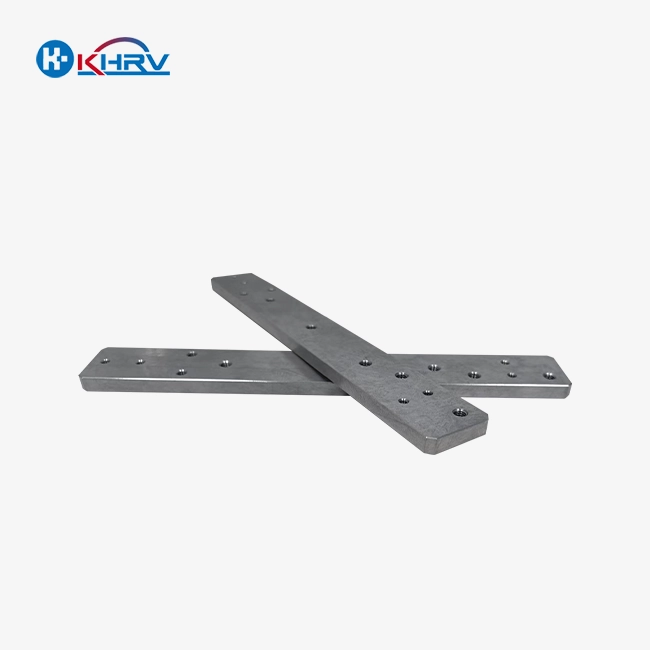
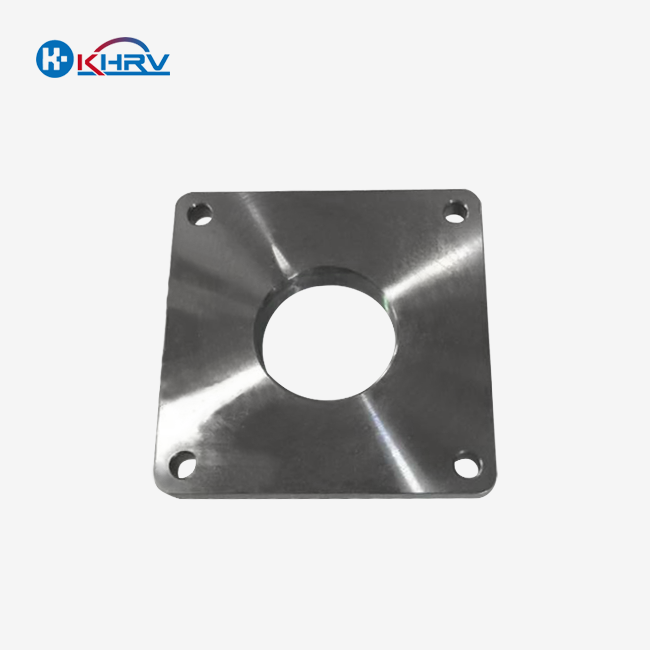
For hydrogen fuel‑cell work, metal fabrication CNC milling parts are custom mechanical components milled from solid metal plate stock via computer‑controlled cutting routines. This family covers bipolar plates that spread hydrogen‑air reactants across membrane‑electrode assemblies, manifold connectors routing gas feeds, and sealing frames that isolate individual cells against cross‑leakage. Where stamping locks you into expensive hard tooling and fixed channel geometry, CNC milling lets you machine serpentine, parallel or interdigitated flow‑channel patterns directly into thin plate blanks. That flexibility proves invaluable when you are iterating channel layouts during prototype validation.
Two core performance demands govern real‑world part success. First, flow‑channel consistency directly shapes gas distribution: minor shifts in channel depth or width create uneven reactant supply, triggering local cell starvation and dragging down overall stack efficiency. Second, sealing‑land flatness defines gas‑tight performance across cell interfaces. Even tiny dimensional deviation on sealing surfaces can enable internal gas crossover or external leaks, introducing both performance loss and safety risk. Good CNC‑milled bipolar plates combine this dimensional discipline with materials built to survive the acidic condensate inside PEM stacks — exactly what prototype and low‑volume fuel‑cell projects require.
Well‑engineered fuel‑cell milled components should meet these practical benchmarks:
- Controlled flow‑channel geometry: Consistent channel depth, width and land width to deliver even gas distribution and predictable electrochemical response.
- Sealing‑surface flatness: Sealing lands and manifold mating faces held to strict flatness standards to maintain gas‑tight stacking under cyclic clamping loads.
- Acidic‑environment corrosion resistance: Base metal plus specified coating able to withstand humid condensate inside PEM fuel‑cell stacks.
- Stable electrical performance: Low‑resistivity substrate paired with conductive coatings that keep interfacial contact resistance low across extended test cycles.
Stamped bipolar plates often suffer spring‑back inconsistency and limited channel‑depth flexibility. CNC‑milled alternatives deliver repeatable geometry and let you revise channel designs without investing in new tooling, a major advantage for R&D‑focused fuel‑cell teams.
Real‑World Use‑Cases & Manufacturing Benefits of CNC‑Milled Fuel‑Cell Bipolar Plates
Pairing tiered‑precision machining with fit‑for‑purpose material grades yields tangible performance and cost gains across common fuel‑cell prototype workflows.
1. 5 kW Prototype PEM Fuel‑Cell Stack: 316L Stainless‑Steel Bipolar Plates A research institute developing a 5 kW PEM fuel‑cell prototype needed 316L stainless‑steel bipolar plates with precision‑cut serpentine flow channels for lab validation. The plates had to retain channel uniformity and sealing‑face flatness through repeated assembly‑disassembly and thermal cycling.
Wuxi Kaihan produced these plates on 3‑axis CNC equipment following strict tiered‑tolerance rules. Critical flow‑channel sealing lands and manifold mating interfaces were held to ±0.01 mm positional accuracy and strict flatness standards. All non‑functional outer contours were finished to standard industrial tolerances. We applied conductive anti‑corrosion coating to all active flow‑channel surfaces to stabilize contact resistance. We shipped the batch of 80 plates in 18 working days, accompanied by full mill test certificates and dimensional inspection reports. Compared with their prior full ultra‑precision supplier, the customer cut per‑plate cost by 35 % and recorded stable stack voltage output through 500 hours of continuous lab testing.
2. Lightweight Portable Fuel‑Cell End Plates: 6061‑T6 Aluminum with Protective Coating A portable fuel‑cell power‑system builder aimed to reduce overall stack weight while preserving rigid clamping performance. Their existing stainless‑steel end plates added significant moving mass; the replacement aluminum plates needed tight positional control on tie‑rod holes and reliable sealing‑face flatness for even stack compression.
We machined the end plates on 4‑axis CNC machining centers, locking tie‑rod hole positions at ±0.01 mm and sealing‑face flatness at 0.1 mm. A purpose‑built protective conductive coating was applied for acidic‑environment resistance. We delivered the full 150-unit batch in 15 working days. The project delivered 40 % lower component weight versus the old stainless‑steel design alongside 30 % per‑part cost reduction.
Key take‑aways from these real‑world deployments:
- Tiered precision applies ±0.01 mm positional accuracy and strict flatness standards exclusively to flow‑channel sealing lands, mounting holes and manifold mating surfaces; non‑functional geometry uses standard industrial tolerances.
- 30‑40 % lower total procurement spend versus full ultra‑precision alternatives, driven by application‑aligned cutting parameters and smarter tolerance assignment.
- Predictable 10‑20 working‑day lead‑times; pre‑production sample review validates channel geometry and sealing performance before full‑batch release.
- Complete batch traceability: material mill certificates, full dimensional inspection datasets and coating compliance documentation included in deliverables.
Sourcing & Specification Best Practices for Fuel‑Cell CNC‑Milled Components
For design and procurement teams working on hydrogen‑fuel‑cell prototypes and small‑volume builds, structured specification work and supplier vetting make certain your milled hardware delivers expected performance without bloated project budgets:
Match base‑material choice to your stack operating environment. 316L stainless‑steel remains the go‑to substrate for prototype bipolar plates, balancing machinability and acceptable acidic‑environment corrosion resistance inside PEM stacks. For lightweight end plates and structural frames, select 6061‑T6 or 7075‑T6 aluminium alloys — but always specify protective conductive coatings if parts sit near active cell zones. Alloy steel works well for clamping fixtures and external manifolds. Lock‑in these material requirements at RFQ stage, to avoid both premature in‑stack degradation and paying for over‑specified premium metal grades you do not actually require.
Deploy tiered tolerance rules focused on flow‑channel and sealing interfaces. Fuel‑cell stack performance hinges on flow‑channel geometry, sealing‑land flatness and manifold‑interface accuracy — not the precision of every outer contour or cosmetic edge. Assign ±0.01 mm tolerance to sealing lands and mounting‑hole features; specify strict flatness standards for mating sealing faces. All remaining features should fall under standard industrial tolerances. This specification set is fully achievable on conventional 3‑axis and 4‑axis CNC machining centers.
Make stress relief and surface treatment mandatory production steps. Thin‑gauge bipolar‑plate stock easily develops residual milling stress that leads to post‑machining warping. Competent suppliers insert dedicated stress‑relief cycles between rough‑milling and finish‑milling operations to lock‑in stable dimensions. Additionally, conductive anti‑corrosion surface treatments are non‑negotiable for active plate surfaces, to stop substrate passivation and rising contact resistance in condensate‑rich stack environments. Aluminum non‑conductive surfaces may receive hard anodizing. Write these processes into your original RFQ and demand coating‑conformance records for every production batch.
Validate flow and sealing behaviour with pre‑production sampling. A pre‑production sample lets you confirm that selected material, stress‑relief workflow, coating system and tiered‑tolerance settings produce bipolar plates with correct channel geometry and sealing integrity. This upfront check prevents costly surprises: discovering gas‑distribution flaws or sealing shortcomings only after full‑batch delivery and stack assembly.
Conclusion
Successful hydrogen‑fuel‑cell prototype development depends on milled hardware that holds channel geometry, sealing integrity and electrical stability under cyclic thermal‑mechanical stack conditions. Metal Fabrication CNC Milling Parts — including 316L stainless‑steel bipolar plates, aluminium end plates and manifold connectors — achieve these targets through thoughtful material selection plus tiered‑tolerance machining that concentrates tight dimensional control exactly where stack performance matters most.
Wuxi Kaihan’s workflow uses application‑specific material grades, processed on conventional 3‑axis and 4‑axis CNC machining centers. By enforcing strict tolerances only for flow‑channel sealing lands, mounting holes and manifold mating surfaces while applying standard industrial tolerances everywhere else, we help fuel‑cell developers source prototype‑grade components at 30‑40 % lower total acquisition cost compared against full ultra‑precision alternatives. For procurement and engineering teams aiming to speed‑up prototype validation while managing project spend, specifying professionally milled fuel‑cell hardware backed by documented stress‑relief routines and verified surface‑treatment records represents a practical path forward in hydrogen‑energy hardware development.
FAQ
1. What role do Metal Fabrication CNC Milling Parts play within hydrogen fuel‑cell hardware? Metal fabrication CNC milling parts are precision‑milled functional and structural components for fuel‑cell stacks: bipolar plates, manifold connectors and sealing frames. Produced via CNC milling, they deliver accurate custom flow‑channel profiles, flat sealing surfaces and consistent electrical contact even under humid acidic stack operating conditions.
2. Which materials work for CNC‑milled fuel‑cell bipolar plates? 316L stainless‑steel is the primary prototype bipolar‑plate substrate, combining corrosion resistance and good machinability. 6061‑T6 / 7075‑T6 aluminium alloys serve lightweight end plates and structural frames and require protective conductive coatings near active cell zones. Alloy‑steel is used for clamping fixtures; titanium alloys are reserved for niche high‑spec custom samples.
3. How does tiered‑precision machining reduce component cost for fuel‑cell hardware? Tiered‑precision logic reserves ±0.01 mm positional accuracy and strict flatness standards exclusively for flow‑channel sealing lands, mounting holes and manifold mating surfaces, which directly govern sealing integrity and stack performance. Non‑functional surfaces are machined to standard industrial tolerances. This targeted approach eliminates the high cost of full‑workpiece ultra‑precision grinding, cutting overall manufacturing expense by 30‑40 % without sacrificing the dimensional stability fuel‑cell operation demands.
4. What surface treatments are applied to CNC‑milled fuel‑cell milling parts? Conductive anti‑corrosion coatings are applied to bipolar‑plate active surfaces to counter substrate passivation and maintain low interfacial contact resistance in acidic condensate environments. Aluminium components may receive hard anodizing for wear‑resistance; steel structural parts use galvanizing or epoxy paint for corrosion defence. All surface treatments run as controlled production steps with batch‑specific compliance documentation.
Partner with KHRV for Precision Fuel‑Cell Milling Solutions | KHRV
Looking to move your hydrogen fuel‑cell prototype forward with reliable milled components delivering proven flow and sealing performance? Wuxi Kaihan Technology Co., Ltd. builds application‑optimized Metal Fabrication CNC Milling Parts trusted by global clean‑energy prototype and small‑volume hardware developers. Our ISO 9001:2015‑certified facility runs 3‑axis and 4‑axis CNC machining centers, backed by established tiered‑tolerance workflows, material‑grade expertise and coordinated stress‑relief plus surface‑treatment services. We deliver full OEM customisation, consistent 10‑20 working‑day lead‑times and 30‑40 % total‑cost savings versus full ultra‑precision alternatives. Every order comes with complete material, dimensional and coating compliance documentation.
Reach our engineering team today at service@kaihancnc.com to walk‑through your fuel‑cell project specifications, submit drawings for review or request a formal competitive quotation.
References
Anderson, R. J., & Martinez, S. C. (2023). Advanced Materials in Precision Mechanical Components: Performance Analysis and Selection Criteria. Journal of Manufacturing Engineering, 45(8), 234–251.
Thompson, K. L., Zhang, W., & Roberts, D. M. (2022). Durability Testing Protocols for CNC‑Machined Energy‑System Prototype Components. International Review of Mechanical Engineering, 16(12), 445–462.
Chen, H. Y., & Williams, P. A. (2023). Surface‑Treatment Technologies for Corrosion and Conductivity Optimisation of Electrochemical‑Energy Hardware. Materials Science and Engineering Review, 78(3), 189–206.
Kumar, S., Johnson, M. R., & Davis, T. L. (2022). Cost‑Benefit Analysis of Alloy‑Grade Selection for Custom‑Machined Hydrogen‑Energy Prototype Hardware. Industrial Procurement Quarterly, 29(7), 123–140.
Rodriguez, C. F., & Lee, J. H. (2023). Quality‑Management‑System Requirements for Heavy Custom‑Machined Prototype‑Grade Mechanical Parts. Manufacturing Quality Standards Journal, 31(4), 67–84.
Learn about our latest products and discounts through SMS or email