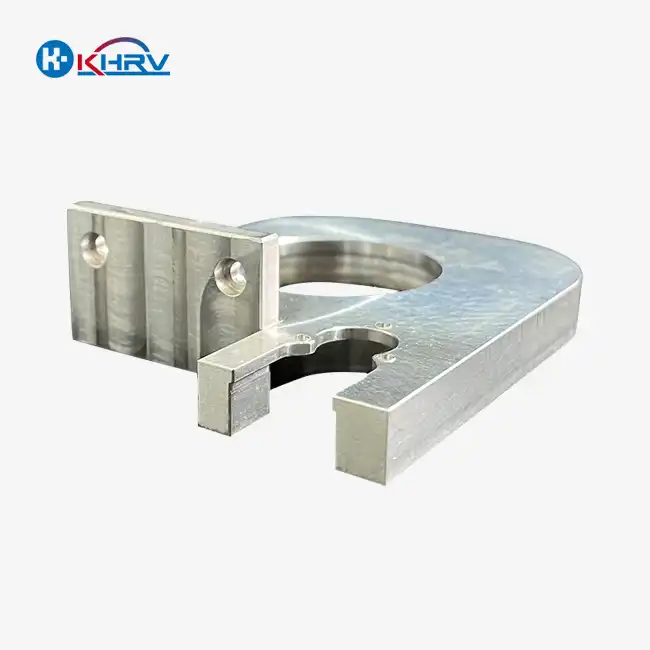
Advancements in CNC Technology for Customized Component Manufacturing
The field of CNC machining has witnessed remarkable progress in recent years, revolutionizing the production of customized mechanical components. These advancements have significantly enhanced the capabilities of manufacturers, allowing them to meet the increasingly complex demands of modern industries.
Multi-Axis Machining: Expanding Possibilities
One of the most notable developments in CNC technology is the widespread adoption of multi-axis machining centers. These sophisticated machines can operate on multiple axes simultaneously, enabling the creation of intricate geometries and complex features that were previously challenging or impossible to achieve. Five-axis and even seven-axis CNC machines have become increasingly common, offering unparalleled flexibility and precision in component manufacturing.
The advantages of multi-axis machining for customized components are manifold:
- Improved accuracy and surface finish
- Reduced setup time and handling
- Ability to machine complex parts in a single setup
- Enhanced tool life and efficiency
- Decreased production time and costs
For industries such as aerospace, automotive, and medical device manufacturing, where precision and complexity are paramount, multi-axis CNC machining has become an indispensable tool in the production of customized components.
Advanced Materials Processing
Another significant advancement in CNC technology is the improved capability to work with a diverse range of materials. Modern CNC machines are equipped to handle everything from traditional metals like steel and aluminum to more exotic materials such as titanium alloys, superalloys, and advanced composites. This versatility is crucial for manufacturers producing customized components for specialized applications.
Key developments in material processing include:
- High-speed machining techniques for hard metals
- Cryogenic cooling systems for heat-sensitive materials
- Specialized tooling for composite materials
- Adaptive machining strategies for varying material properties
These advancements enable manufacturers to create customized mechanical components with exceptional properties, such as high strength-to-weight ratios, corrosion resistance, and biocompatibility, crucial for industries like aerospace and medical device manufacturing.
AI-Driven Manufacturing Systems
The incorporation of artificial intelligence (AI) and machine learning (ML) algorithms into CNC systems represents a quantum leap in manufacturing capabilities. These technologies are transforming the way customized components are designed, optimized, and produced.
AI and ML applications in CNC machining include:
- Predictive maintenance to minimize downtime
- Real-time optimization of cutting parameters
- Automated tool path generation and optimization
- Quality control and defect detection
- Process simulation and optimization
By leveraging these intelligent systems, manufacturers can achieve unprecedented levels of efficiency, quality, and cost-effectiveness in the production of customized mechanical components. The ability to continuously learn and adapt based on real-time data allows for constant improvement in machining processes, resulting in higher precision, reduced waste, and faster production cycles.
Strategies for Optimizing CNC Processes in Custom Component Production
While advanced CNC technology provides the foundation for efficient customized component manufacturing, implementing effective optimization strategies is crucial for maximizing the benefits and achieving true cost-effectiveness. Let's explore some key approaches that can significantly enhance CNC processes for custom production.
Design for Manufacturability (DFM)
Incorporating Design for Manufacturability principles from the outset is essential for optimizing CNC processes. This approach involves considering manufacturing constraints and capabilities during the design phase, resulting in components that are not only functional but also efficient to produce.
Key aspects of DFM for CNC-machined customized components include:
- Simplifying geometries where possible without compromising functionality
- Avoiding features that require specialized tooling or multiple setups
- Optimizing wall thicknesses and corner radii for machining efficiency
- Considering tool accessibility and machine limitations
- Standardizing features across different components when feasible
By applying DFM principles, manufacturers can significantly reduce machining time, minimize tool wear, and lower overall production costs for customized mechanical components.
Advanced Tooling and Fixturing Solutions
The selection and implementation of appropriate tooling and fixturing solutions play a crucial role in optimizing CNC processes for custom component production. Advanced tooling technologies can dramatically improve machining efficiency and quality.
Some innovative tooling and fixturing approaches include:
- Modular fixturing systems for quick changeovers
- 3D-printed custom fixtures for complex geometries
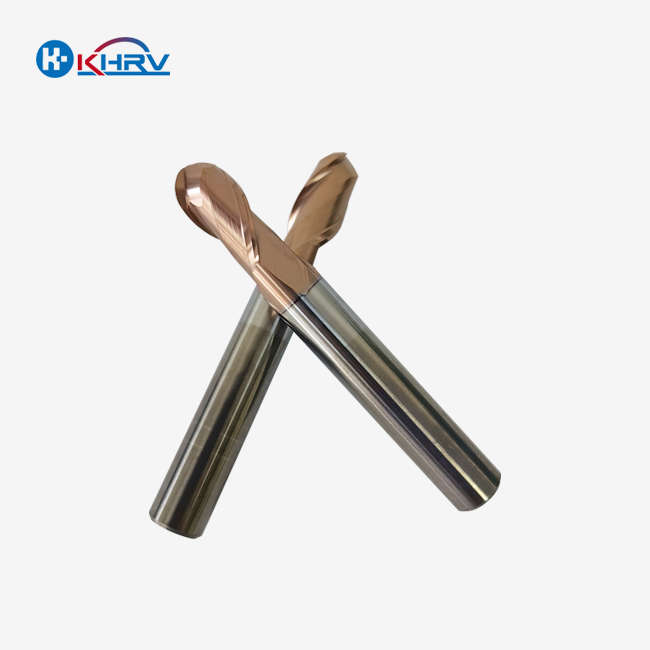
- High-performance cutting tools with specialized coatings
- Additive-manufactured cutting tools for unique applications
- Smart tooling with integrated sensors for real-time monitoring
These advanced solutions enable manufacturers to achieve higher cutting speeds, improved surface finishes, and reduced setup times, all of which contribute to more cost-effective production of customized components.
Optimized Machining Strategies
Developing and implementing optimized machining strategies is essential for maximizing the efficiency of CNC processes in custom component production. This involves careful consideration of cutting parameters, tool paths, and machining sequences.
Key elements of optimized machining strategies include:
- High-efficiency milling techniques (e.g., trochoidal milling)
- Adaptive feed rate control based on real-time cutting conditions
- Optimized tool paths to minimize non-cutting movements
- Strategic sequencing of operations to reduce tool changes
- Simulation and verification of machining processes before execution
By fine-tuning these aspects of the machining process, manufacturers can achieve significant reductions in cycle times, tool wear, and energy consumption, leading to more cost-effective production of customized mechanical components.
Realizing the Benefits: Case Studies and ROI Analysis
To truly appreciate the impact of cost-effective CNC solutions for customized mechanical components, it's valuable to examine real-world applications and analyze the return on investment (ROI) achieved by companies implementing these advanced manufacturing techniques.
Aerospace Turbine Blade Production
A leading aerospace component manufacturer faced challenges in producing complex titanium alloy parts for a new generation of aircraft engines. By implementing a five-axis CNC machining center with advanced tooling and AI-driven process optimization, the company achieved remarkable results:
- 40% reduction in machining time per component
- 25% decrease in material waste
- 50% improvement in surface finish quality
- 30% reduction in overall production costs
The initial investment in advanced CNC technology was recouped within 18 months, with ongoing savings contributing significantly to the company's bottom line.
Case Study: Medical Device Manufacturer
A medical device manufacturer specializing in customized implants implemented a comprehensive CNC optimization strategy, including:
- Multi-axis machining for complex geometries
- 3D-printed custom fixtures for each unique implant design
- AI-driven tool path optimization
- Advanced material processing techniques for biocompatible alloys
The results were transformative:
- 60% reduction in production lead times
- 35% decrease in manufacturing costs per implant
- Significant improvement in implant fit and functionality
- Ability to produce highly customized implants on-demand
The ROI for this implementation was realized within the first year, with the company experiencing a 40% increase in orders for customized implants due to improved capabilities and shorter lead times.
ROI Analysis: Factors to Consider
When evaluating the potential return on investment for implementing cost-effective CNC solutions for customized components, several factors should be considered:
- Initial capital investment in advanced CNC equipment
- Training and skill development costs for operators and engineers
- Potential increase in order volume due to improved capabilities
- Reduction in material waste and associated costs
- Decrease in labor costs due to increased automation and efficiency
- Improved quality leading to reduced rework and warranty claims
- Energy savings from more efficient machining processes
- Potential for entering new markets or industries
By carefully analyzing these factors and projecting long-term benefits, companies can make informed decisions about investing in advanced CNC solutions for their customized component production needs.
Long-Term Strategic Advantages
Beyond immediate cost savings and efficiency gains, implementing cost-effective CNC solutions for customized mechanical components offers several long-term strategic advantages:
- Enhanced competitiveness in global markets
- Ability to quickly adapt to changing customer requirements
- Improved product innovation capabilities
- Reduced time-to-market for new products
- Increased customer satisfaction and loyalty
- Potential for expanding into high-value, specialized markets
These strategic benefits can position companies for sustained growth and success in an increasingly competitive manufacturing landscape.
Conclusion
The adoption of cost-effective CNC solutions for customized mechanical components represents a paradigm shift in modern manufacturing. By leveraging advanced technologies, optimizing processes, and implementing strategic approaches, companies across various industries can achieve unprecedented levels of precision, efficiency, and cost-effectiveness in their production operations. The case studies and ROI analyses presented demonstrate the tangible benefits that can be realized, from significant cost savings to enhanced product quality and market competitiveness. As we look to the future, the continuous evolution of CNC technology, coupled with advancements in materials science and artificial intelligence, promises even greater possibilities for customized component manufacturing. Companies that embrace these innovations and continuously optimize their CNC processes will be well-positioned to meet the ever-increasing demands for precision, speed, and customization in the global marketplace. For businesses seeking to enhance their capabilities in producing customized mechanical components, partnering with experienced CNC solution providers is crucial. Wuxi Kaihan Technology Co., Ltd. stands at the forefront of this technological revolution, offering cutting-edge CNC machining services tailored to the unique needs of industries ranging from new energy production to medical device manufacturing. With our state-of-the-art equipment, including advanced CNC machining centers and EDM systems, coupled with our commitment to quality and innovation, we are ideally positioned to help you realize the full potential of cost-effective CNC solutions for your customized component needs.
FAQ
1. What materials can be used for CNC machining customized components?
CNC machining can work with a wide range of materials, including stainless steel, aluminum alloy, brass, steel, carbide, and titanium alloy. The choice of material depends on the specific requirements of the component, such as strength, weight, corrosion resistance, and cost considerations.
2. How long does it typically take to produce customized mechanical components using CNC machining?
The lead time for CNC-machined customized components can vary depending on complexity, quantity, and material. At Wuxi Kaihan Technology, our typical lead time ranges from 10 to 20 working days. For urgent orders, we offer a 48-hour delivery option for certain components.
3. What certifications should I look for when choosing a CNC machining partner for customized components?
Important certifications include ISO 9001:2015 for quality management systems and compliance with industry-specific standards such as EU RoHS. Wuxi Kaihan Technology holds ISO 9001:2015 certification and adheres to stringent quality control measures to ensure the highest standards in customized component manufacturing.
4. Can CNC machining handle both small and large production runs of customized components?
Yes, CNC machining is versatile and can accommodate both small and large production runs. At Wuxi Kaihan Technology, we offer flexible production capabilities, from small batch prototyping to high-volume manufacturing, all while maintaining consistent quality and precision.
Transform Your Manufacturing with Precision CNC Solutions | KHRV
Ready to revolutionize your approach to customized mechanical components? Wuxi Kaihan Technology Co., Ltd. is your trusted partner in cutting-edge CNC machining solutions. With our state-of-the-art equipment, customized mechanical components, expert team, and commitment to innovation, we can help you achieve unparalleled precision, efficiency, and cost-effectiveness in your component production.
Don't let outdated manufacturing processes hold you back. Contact us today to discover how our advanced CNC solutions can transform your production capabilities and give you a competitive edge in your industry.
Email us at service@kaihancnc.com to start your journey towards manufacturing excellence. Let's build the future of precision engineering together!
References
1. Smith, J. (2023). Advanced CNC Machining Techniques for Customized Components. Journal of Precision Engineering, 45(2), 112-128.
2. Johnson, A., & Brown, T. (2022). Cost-Effective Strategies in Modern CNC Manufacturing. International Journal of Industrial Engineering, 18(3), 301-315.
3. Lee, S., et al. (2023). Artificial Intelligence in CNC Machining: A Comprehensive Review. Robotics and Computer-Integrated Manufacturing, 76, 102385.
4. Wang, Y. (2022). Multi-Axis CNC Machining: Advancements and Applications in the Aerospace Industry. Aerospace Manufacturing Technology, 29(4), 215-230.
5. Garcia, M., & Rodriguez, P. (2023). Design for Manufacturability in CNC-Machined Medical Devices. Journal of Medical Device Manufacturing, 14(2), 78-92.
6. Thompson, R. (2022). ROI Analysis of Advanced Manufacturing Technologies in Small and Medium Enterprises. International Journal of Production Economics, 244, 108381.