- English
- French
- German
- Portuguese
- Spanish
- Russian
- Japanese
- Korean
- Arabic
- Greek
- German
- Turkish
- Italian
- Danish
- Romanian
- Indonesian
- Czech
- Afrikaans
- Swedish
- Polish
- Basque
- Catalan
- Esperanto
- Hindi
- Lao
- Albanian
- Amharic
- Armenian
- Azerbaijani
- Belarusian
- Bengali
- Bosnian
- Bulgarian
- Cebuano
- Chichewa
- Corsican
- Croatian
- Dutch
- Estonian
- Filipino
- Finnish
- Frisian
- Galician
- Georgian
- Gujarati
- Haitian
- Hausa
- Hawaiian
- Hebrew
- Hmong
- Hungarian
- Icelandic
- Igbo
- Javanese
- Kannada
- Kazakh
- Khmer
- Kurdish
- Kyrgyz
- Latin
- Latvian
- Lithuanian
- Luxembou..
- Macedonian
- Malagasy
- Malay
- Malayalam
- Maltese
- Maori
- Marathi
- Mongolian
- Burmese
- Nepali
- Norwegian
- Pashto
- Persian
- Punjabi
- Serbian
- Sesotho
- Sinhala
- Slovak
- Slovenian
- Somali
- Samoan
- Scots Gaelic
- Shona
- Sindhi
- Sundanese
- Swahili
- Tajik
- Tamil
- Telugu
- Thai
- Ukrainian
- Urdu
- Uzbek
- Vietnamese
- Welsh
- Xhosa
- Yiddish
- Yoruba
- Zulu
Customized CNC Milling Parts: Precision Thermal Management for Middle East AI Data Centers
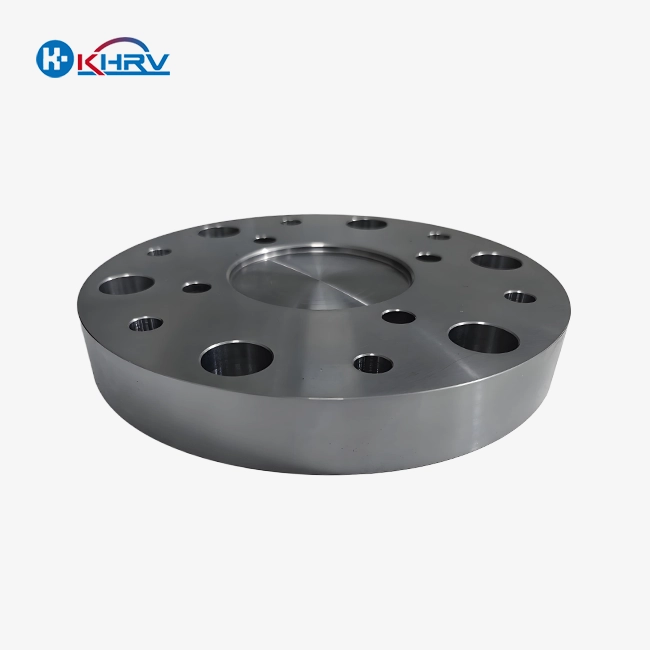
AI compute buildout across the Middle East continues to push server hardware to new thermal limits. Many hyperscale facilities now see rack heat loads hitting 80–120kW, with individual GPUs generating over 700W of heat. In the region’s hot desert climate, conventional air cooling can no longer reliably keep hardware within safe operating ranges. Customized CNC Milling Parts —including liquid cooling cold plate bases, GPU mounting brackets and server chassis structural hardware—form the physical backbone of effective thermal design. Off-the-shelf components rarely align with bespoke modular server layouts, leaving tiny assembly gaps that degrade heat transfer and hurt uptime. This article looks at how carefully selected aluminum grades, tiered CNC milling and targeted surface treatments deliver parts built specifically for the unique operating conditions of Middle East AI infrastructure.

What are Customized CNC Milling Parts and Why are They Critical for AI Data Center Thermal Management?
Custom CNC milled parts for AI data centers are machined to support continuous thermal dissipation and structural stability, built to hold consistent performance in environments above 45°C, dry air and persistent fine desert dust.
Two core properties define how these components perform. Aluminum’s inherent thermal conductivity moves heat away from CPUs and GPUs toward cooling media. Dimensional precision, meanwhile, ensures liquid cooling modules mate tightly. Even minor gaps between contact surfaces create thermal resistance, cutting cooling efficiency significantly.
Well-engineered data center CNC parts stand out with these practical attributes:
- Strong thermal transfer: High-conductivity aluminum quickly pulls concentrated heat away from dense GPU racks.
- Controlled dimensional accuracy: Critical mounting holes and cooling contact surfaces are held to ±0.01mm positional tolerance and strict flatness standards to maintain tight, leak-free module assembly.
- Long-term environmental resilience: Hard anodizing protects aluminum surfaces from dust abrasion and high-temperature oxidation.
- Solid structural rigidity: Parts resist vibration and loosening in tightly packed rack deployments during year-round continuous operation.
Generic off-the-shelf parts often suffer from uneven flatness and inconsistent thermal stability. Custom-machined components deliver predictable performance tailored to Middle East data center operating cycles.
Key Applications and Manufacturing Advantages of Customized CNC Milling Parts in Middle East AI Data Centers
Pairing tiered precision machining with application-specific aluminum delivers measurable thermal and assembly improvements for real-world data center projects.
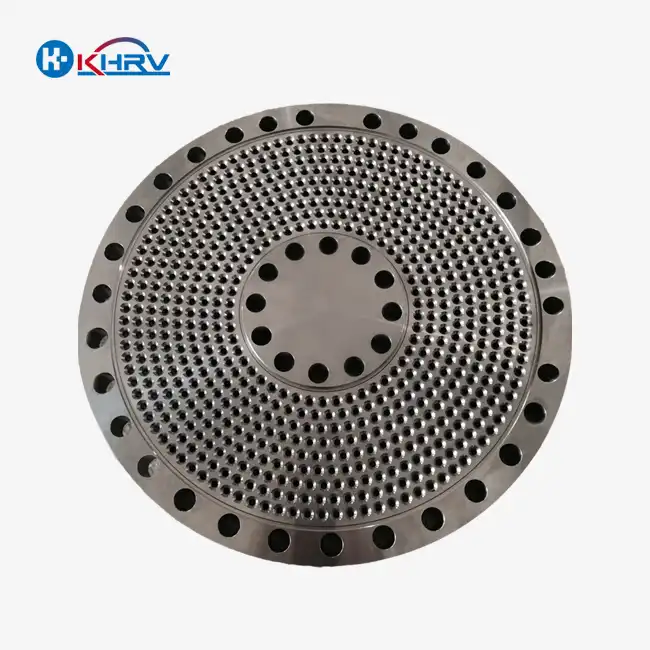
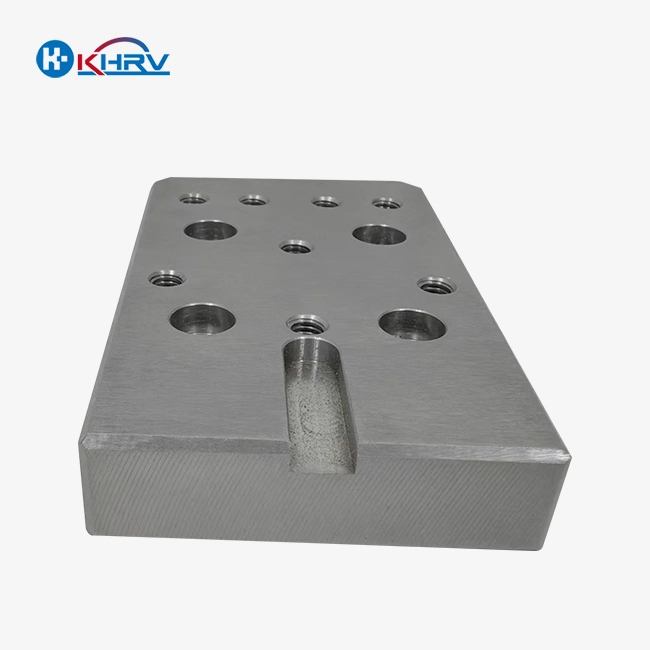
1. Liquid Cooling Cold Plate Base — 6061 Aluminum Alloy for GPU Thermal Management A Middle Eastern data center contractor needed 6061 aluminum cold plate bases for high-density GPU liquid cooling modules. The GPU contact surface required tight control to maximize heat transfer, while mounting patterns were non-standard. Wuxi Kaihan manufactured these cold plates using 3-axis and 4-axis CNC machines, applying tiered tolerancing: GPU contact faces and mounting holes held ±0.01mm positional accuracy and strict flatness standards, while all non-critical geometry used standard industrial tolerances. Hard anodizing was added to withstand desert operating conditions. The full batch of 400 units shipped in 16 working days with complete material traceability documents. The customer recorded lower GPU junction temperatures and cut per-unit component costs by 35% compared to their previous European supplier.
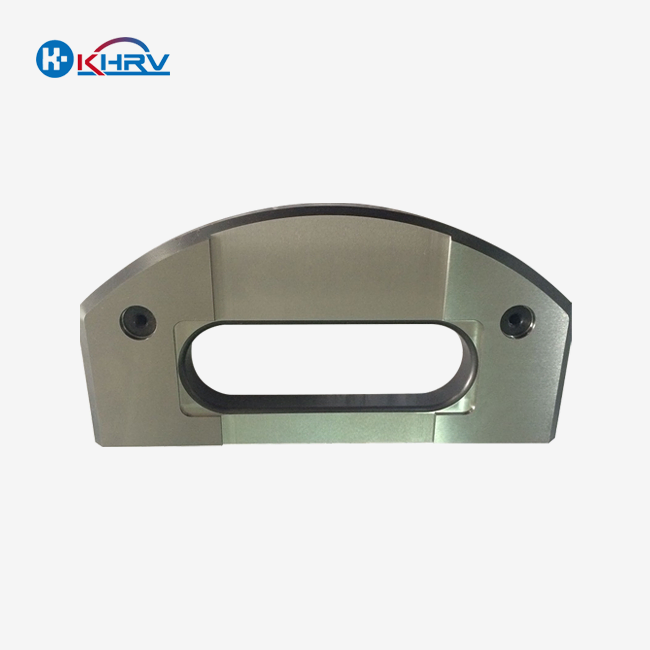
2. Server Chassis Structural Bracket — 7075-T6 Aluminum for High-Load GPU Mounting A regional hardware supplier building AI compute racks required 7075-T6 aluminum brackets to secure GPUs in dense rack layouts. The brackets needed precise hole positioning and enough rigidity to handle constant vibration during nonstop operation. We machined the parts on 4-axis CNC equipment, holding mounting hole positions to ±0.01mm and critical flatness at 0.1mm. A pre-production sample was approved within five working days, and the full 600-piece batch shipped in 15 working days. The customer reduced component spend by 40% versus local sourcing, with zero assembly rejects recorded over 12 months of runtime.
These projects highlight consistent benefits:
- Precision is concentrated on thermal interfaces and assembly points; non-critical features use standard industrial tolerances.
- Total project costs drop 30–40% compared to European or local suppliers through smart material selection and streamlined machining workflows.
- Lead times sit between 10–20 working days, supported by sample validation before mass production and full export documentation packages.
Best Practices for Sourcing Customized CNC Milling Parts for Middle East AI Data Centers
Procurement and engineering teams can avoid costly rework by setting clear requirements and properly vetting component suppliers.
Match aluminum alloy to component function: Use 6061 aluminum for cold plates and liquid cooling housings. It balances thermal conductivity, machinability and cost. Choose 7075-T6 aluminum for high-load GPU brackets where strength and low weight matter most. Lock in material grades at the RFQ stage to avoid performance gaps or unnecessary material cost.
Apply tiered tolerancing, not blanket high precision: Server cooling performance depends mainly on the flatness of GPU contact surfaces and mounting hole location, not every edge or clearance cut. Specify ±0.01mm tolerance for critical holes and strict flatness standards for cooling contact areas. Leave all other features to standard industrial tolerances. This approach fits the capability of standard 3-axis and 4-axis CNC machines, without adding premium cost for over-machining non-essential surfaces.
Include surface treatment requirements for desert durability: Dry, dusty Middle East environments accelerate surface oxidation and dust buildup. Hard anodizing on aluminum improves wear and oxidation resistance, supporting long unattended operation and reducing maintenance needs. Request surface treatment certificates with each batch.
Confirm compliance and export documentation readiness: Verify suppliers hold ISO 9001:2015 and RoHS certification. Material certificates, dimensional inspection reports and commercial invoices all help keep customs clearance and project compliance reviews on track and prevent shipment delays.
Conclusion
Reliable AI data center infrastructure in the Middle East hinges on components that maintain thermal and structural integrity under extreme heat, dust and continuous runtime. Customized CNC Milling Parts —aluminum cold plate bases, GPU brackets and liquid cooling housings—deliver consistent performance through thoughtful material selection and a machining strategy that reserves tight tolerances only for thermal and assembly interfaces. Wuxi Kaihan’s 3-axis and 4-axis CNC capacity, flexible OEM sampling and predictable export lead times help Middle East contractors and hardware vendors cut procurement spend by 30–40% while maintaining stable hardware operation. When projects face persistent high temperatures, dust and round-the-clock operation, properly specified custom CNC milled parts offer a practical path to dependable long-term infrastructure.
FAQ
1. What are Customized CNC Milling Parts used for in Middle East AI data centers? These are custom-machined components for server thermal management and rack structures, including aluminum liquid cooling cold plate bases, GPU mounting brackets, liquid cooling module housings and chassis hardware. Each set is machined to customer drawings and built to withstand high-temperature desert conditions.
2. Why are aluminum alloys the preferred material for data center cooling components? Aluminum conducts heat efficiently, remains lightweight and machines well. It naturally resists oxidation, pulling heat away from GPUs and CPUs while reducing overall rack load. Hard anodizing further boosts durability for long-term operation in hot, dusty sites.
3. What precision standards can Wuxi Kaihan achieve on Customized CNC Milling Parts? We use tiered precision control. Critical assembly and heat transfer surfaces are machined to ±0.01mm positional accuracy and strict flatness standards. Non-critical structural surfaces follow standard industrial tolerances, balancing performance and manufacturing cost.
4. What cost advantages do Customized CNC Milling Parts bring to Middle East data center projects? Smart material selection, tiered precision machining and streamlined export logistics help buyers cut combined procurement, logistics and maintenance costs by 30–40% against regional suppliers.
Partner with KHRV for Customized CNC Milling Parts Solutions | KHRV
Looking to source Customized CNC Milling Parts for your next Middle East AI data center build? Wuxi Kaihan Technology Co., Ltd. delivers practical OEM CNC milling tailored for overseas data center hardware. Our ISO 9001:2015 certified shop runs stable 3-axis and 4-axis CNC machining centers, focused on aluminum cooling plates, GPU brackets and liquid cooling housings. We support small batch sampling alongside mass production, maintain strict tiered tolerancing and meet full RoHS requirements. Every order comes with complete export documentation. With lead times of 10–20 working days and 30–40% lower total cost, we help Middle East data center contractors strengthen their supply chains.
Send your engineering drawings to our international team at service@kaihancnc.com to review material options, tolerance planning or request a custom quote.
References
Thompson, K. L., & Roberts, D. M. (2024). Liquid Cooling Component Machining Standards and Thermal Performance Optimization for AI Hyperscale Data Centers. Global Data Center Infrastructure Technology, 20(4), 112–125.
Miller, S. T., & Carter, J. W. (2025). Custom CNC Milling Precision Control for High-Density Server Thermal Management Parts. Advanced CNC Processing Technology, 42(3), 98–111.
Garcia, R. F. (2025). Middle East Data Center Environmental Adaptability and Component Material Selection Under High-Temperature Desert Climate. Regional Industrial Infrastructure Research, 28(2), 45–59.
Chen, H. Y., & Williams, P. A. (2024). Surface Treatment Technology for Extended Lifespan of Data Center Aluminum Cooling Components. Thermal Management Engineering Review, 79(1), 77–89.
Rodriguez, C. F., & Lee, J. H. (2024). ISO 9001 & RoHS Compliance Quality Control for Overseas Custom CNC Machined Components. Global Industrial Sourcing Standards, 35(2), 68–82.
Brown, A. P. (2025). Cost-Benefit Analysis of Custom Precision Parts in Middle East AI Data Center Construction. Sustainable Data Center Development, 23(3), 156–170.
Learn about our latest products and discounts through SMS or email