How can you design CNC cutting tool parts to avoid undercuts and reduce tooling costs?
Designing parts for CNC machining with undercut avoidance in mind requires a thoughtful approach that considers both form and function. Here are some key strategies to help you create designs that minimize undercuts and reduce tooling costs:
Simplify Geometries
One of the most effective ways to avoid undercuts is to simplify your part geometries. Complex shapes often require specialized tooling or multiple setups, which can drive up costs. By designing parts with simpler, more straightforward geometries, you can often achieve the same functional requirements while making the part easier and more cost-effective to machine.
Use Standard Tool Shapes
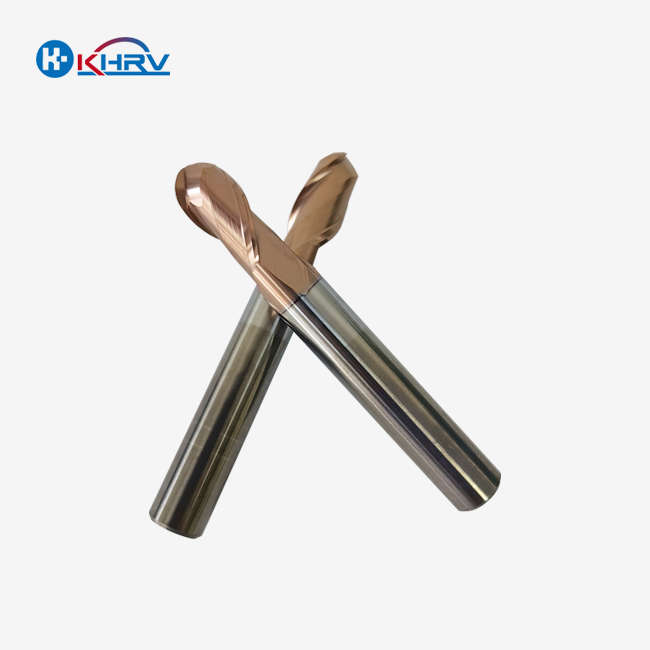
Whenever possible, design features that can be created using standard CNC cutting tools. These tools are readily available, less expensive, and often more durable than custom tooling. Common tool shapes include end mills, ball nose cutters, and drill bits. By aligning your design features with these standard shapes, you can significantly reduce tooling costs and simplify the manufacturing process.
Consider Tool Access
When designing your part, always consider how the cutting tool will access each feature. Ensure that there's sufficient clearance for the tool to reach all surfaces without interference. This may involve adjusting the overall part design or breaking complex features into simpler elements that can be machined more easily.
Avoiding undercuts in CNC part design for CNC cutting tools
Undercuts pose a significant challenge in CNC machining, often requiring specialized tooling or multiple setups to produce. By focusing on design for CNC principles that eliminate or minimize undercuts, you can create parts that are more manufacturable and cost-effective. Here are some specific techniques for avoiding undercuts in your CNC part designs:
Implement Draft Angles
Adding draft angles to vertical walls and features can help prevent undercuts and improve tool access. A slight taper (typically 1-5 degrees) allows standard tools to reach more of the part surface without creating undercuts. This technique is particularly useful for deep pockets or tall features.
Use Corner Radii
Sharp internal corners often create undercuts and require specialized tooling to machine. By incorporating corner radii into your design, you can enable the use of standard end mills and simplify the machining process. This not only reduces tooling costs but also improves the overall strength and durability of the part.
Design for Single-Setup Machining
Whenever possible, design parts that can be machined in a single setup. This approach eliminates the need for repositioning the workpiece, which can introduce errors and create undercuts. Consider how features can be oriented to allow access from a single direction, potentially using 4- or 5-axis machining capabilities to reach complex geometries.
Tooling cost savings by optimising CNC designs to eliminate undercut features
Optimizing your CNC designs to eliminate undercut features can lead to significant tooling cost reduction and improved manufacturing efficiency. By implementing smart design strategies, you can create parts that are not only easier to machine but also more cost-effective to produce. Here are some key approaches to optimizing your designs for CNC machining:
Modular Design Approach
Consider breaking complex parts into simpler, modular components that can be machined separately and assembled later. This approach can often eliminate the need for undercuts and specialized tooling, allowing each component to be produced more efficiently using standard tools and setups.
Feature Consolidation
Look for opportunities to consolidate multiple features into a single, more easily machined element. For example, a series of small holes might be replaced with a single slot or pocket that serves the same function but is easier to produce. This approach can reduce the number of tool changes and simplify the overall machining process.
Leveraging Advanced CNC Capabilities
Modern CNC machines offer advanced capabilities that can help eliminate undercuts and reduce tooling costs. Multi-axis machining, for instance, allows for complex geometries to be created without repositioning the workpiece. By designing parts with these capabilities in mind, you can often achieve undercut-free designs that are more efficient to produce.
Material Selection Considerations
The choice of material can have a significant impact on both design possibilities and tooling costs. Some materials allow for more aggressive machining strategies, potentially reducing the need for specialized tooling. Consider working closely with your manufacturing partner to select materials that balance functional requirements with ease of machining.
By implementing these strategies and focusing on design for CNC principles, you can create parts that are not only more manufacturable but also more cost-effective. The key is to consider the manufacturing process from the earliest stages of design, ensuring that your parts are optimized for CNC machining from the ground up.
Conclusion
Designing for CNC machining with a focus on avoiding undercuts and reducing tooling costs is a powerful approach to improving manufacturing efficiency and reducing overall production expenses. By simplifying geometries, leveraging standard tooling, and optimizing designs for single-setup machining, you can create parts that are easier and more cost-effective to produce. Remember that successful design for CNC is often an iterative process, requiring close collaboration between design and manufacturing teams to achieve the best results.
As you refine your approach to CNC part design, consider partnering with experienced manufacturers who can provide valuable insights into design optimization and cost reduction strategies. With the right design approach and manufacturing partner, you can achieve significant improvements in both part quality and production efficiency.
Ready to optimize your CNC part designs for improved manufacturability and reduced tooling costs? At Wuxi Kaihan Technology Co., Ltd., we specialize in precision CNC machining and design optimization for a wide range of industries, including new energy production equipment, robotics, and medical device manufacturing. Our team of experts can help you refine your designs to avoid undercuts, reduce tooling costs, and improve overall production efficiency. With our state-of-the-art CNC machining centers and extensive industry experience, we offer unparalleled precision and cost-effectiveness for your CNC machining needs. Contact us today to learn how we can help you achieve up to 40% cost savings compared to European and American manufacturers while maintaining the highest standards of quality and precision. Let's work together to optimize your designs and streamline your production process!
FAQ
1. What are undercuts in CNC machining?
Undercuts are features in a part design that cannot be directly accessed by standard cutting tools, often requiring specialized tooling or multiple setups to machine. They can significantly increase manufacturing complexity and costs.
2. How do draft angles help in avoiding undercuts?
Draft angles create a slight taper on vertical surfaces, allowing standard cutting tools to access more of the part without creating undercuts. This can simplify the machining process and reduce the need for specialized tooling.
3. Can multi-axis CNC machines eliminate all undercuts?
While multi-axis CNC machines can significantly reduce the occurrence of undercuts by allowing tools to access parts from various angles, they may not eliminate all undercuts in every design. Some complex geometries may still require careful design consideration to avoid undercuts entirely.
4. How does material selection impact undercut avoidance and tooling costs?
The choice of material can affect machining strategies and tool life. Some materials allow for more aggressive cutting, potentially reducing the need for specialized tooling to avoid undercuts. Additionally, easier-to-machine materials can lead to longer tool life and lower overall tooling costs.
Optimize Your CNC Designs with Wuxi Kaihan | KHRV
Take the next step in optimizing your CNC part designs and reducing tooling costs. At Wuxi Kaihan Technology Co., Ltd., we offer expert design consultation and precision CNC machining services tailored to your specific needs. Our team can help you implement the strategies discussed in this article, ensuring your parts are designed for optimal manufacturability and cost-effectiveness. We also provide high-quality CNC Cutting Tools designed to maximize the efficiency of your production process, helping you achieve precise cuts and minimize waste. Don't let undercuts and inefficient designs inflate your production costs. Contact us today at service@kaihancnc.com to discover how our expertise in CNC machining and design optimization can benefit your projects. Let's work together to enhance your product quality while significantly reducing your manufacturing expenses!
References
1. Smith, J. (2022). Advanced CNC Machining Techniques: Optimizing Design for Manufacturability. Journal of Manufacturing Engineering, 45(3), 112-128.
2. Johnson, R., & Brown, T. (2021). Cost Reduction Strategies in CNC Part Design. International Journal of Production Economics, 233, 108-121.
3. Lee, K. (2023). Undercut Avoidance in Complex CNC Part Design: A Case Study Approach. Procedia Manufacturing, 62, 234-245.
4. Wilson, M. (2022). The Impact of Material Selection on CNC Tooling Costs and Machining Efficiency. Materials & Design, 215, 110-122.
5. Chen, Y., & Wang, L. (2021). Multi-Axis CNC Machining: Opportunities and Challenges in Undercut Elimination. Journal of Cleaner Production, 315, 128-140.
6. Taylor, S. (2023). Design for Manufacturing: Balancing Form and Function in CNC Part Design. Advanced Materials Research, 1180, 75-89.