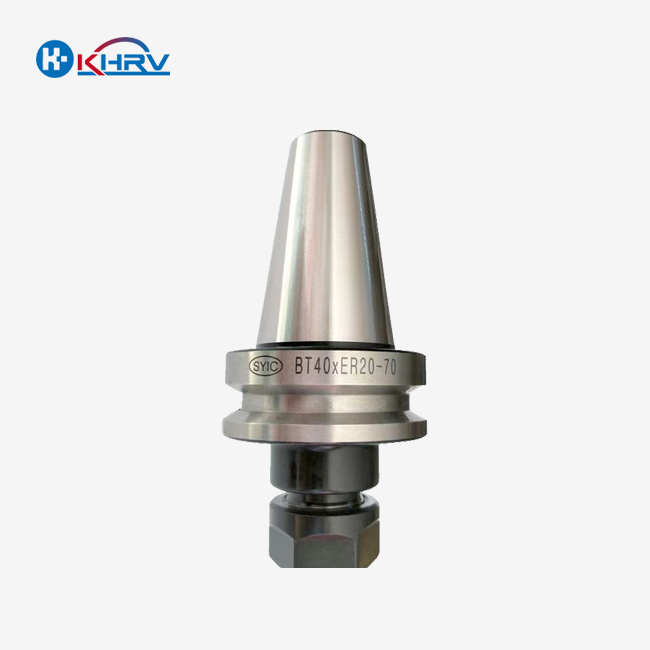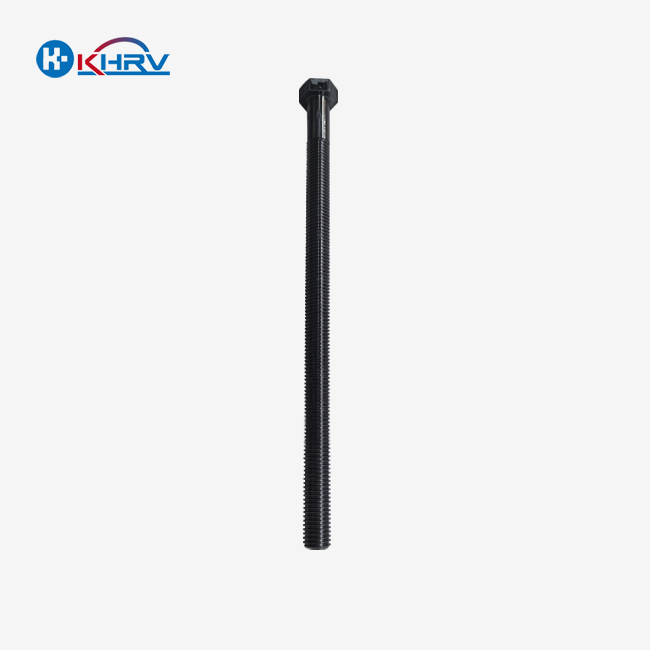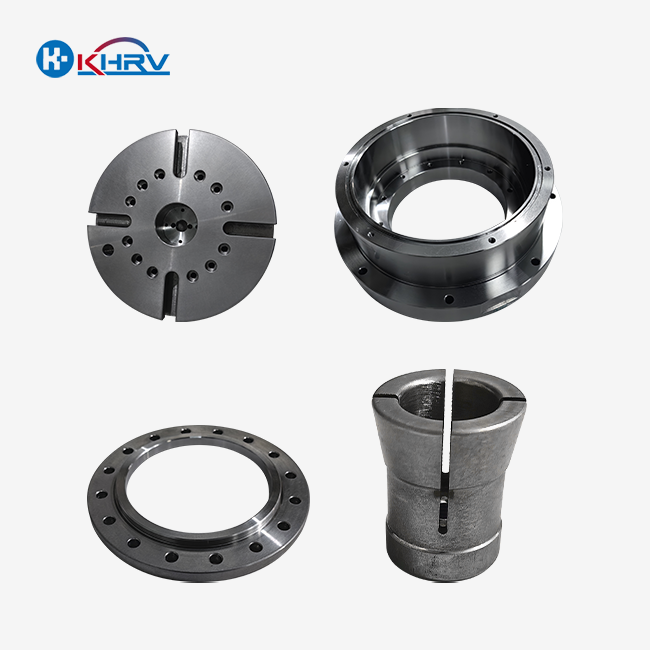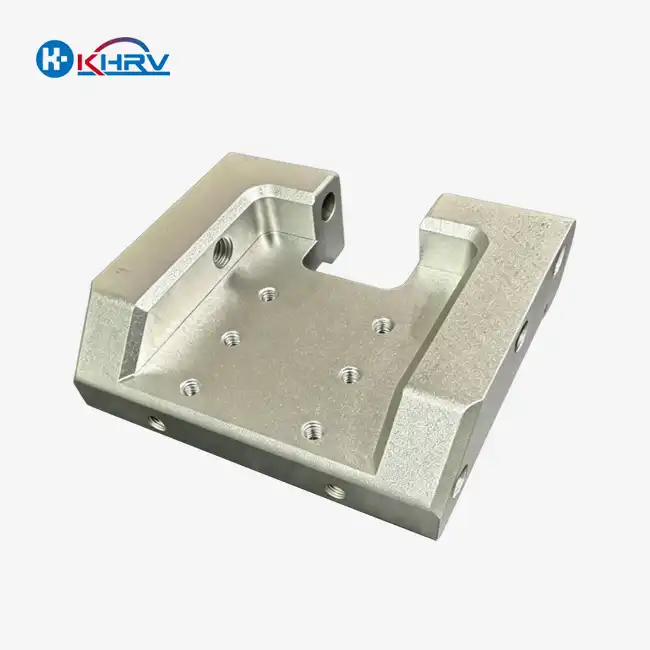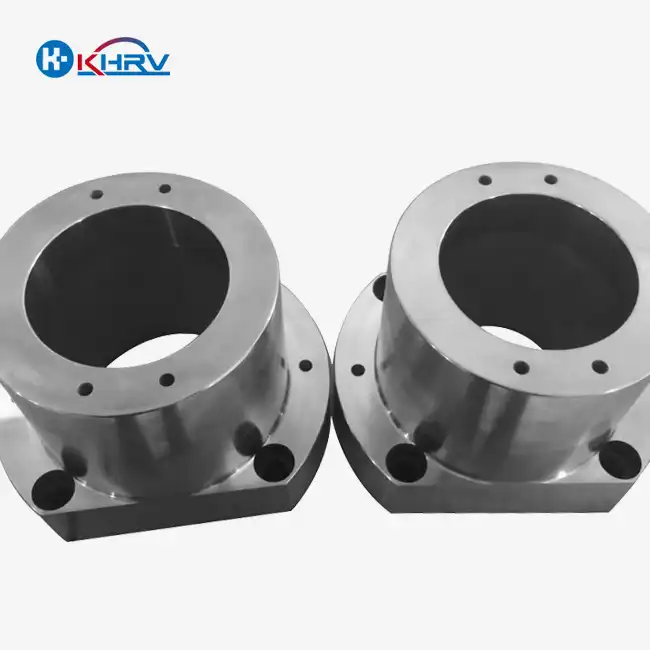
The Role of CNC Machining in Enhancing Component Precision
CNC machining is one of the most important ways that industry parts are getting more precise in many fields. This advanced method of making has a number of important benefits that lead to better quality:
Unmatched Accuracy and Consistency
CNC tools can make tolerances that are very close to zero, often as close as 0.005mm. This level of accuracy is very important in fields like medical device making, where even the smallest error can affect how well the product works and how safe it is for patients. Because CNC cutting is computer-controlled, this high level of accuracy is maintained throughout production runs, so there aren't many differences between parts.
Complex Geometries and Intricate Features
There are many modern CNC machines, especially 5-axis machines, that can make 3D forms and features that are hard or impossible to make with traditional tools and methods. In fields like aerospace and robotics, where parts need to be designed in complex ways to improve performance and reduce weight, this skill is very useful.
Material Versatility
CNC cutting can be used on many different types of materials, such as titanium, stainless steel, aluminium alloy, and different kinds of plastics. Because it is so flexible, manufacturers can choose the best material for each part based on its unique needs. This makes the final product even better in terms of quality and performance.
Repeatability and Scalability
Once a CNC program is set up to work best with a certain part, it can be used to make many of the same parts. This ability to be repeated is very important for making sure that quality standards are met during big production runs and that every part meets the same exacting standards. Also, CNC machining makes it easy to go from making prototypes to mass production, keeping the standard high all the way through.
Advanced CNC Technologies Driving Quality Improvements
CNC machining is an area that is always changing. New technologies and techniques are always being developed to further enhance the quality of industrial precision Components. Here are some of the most important advances:
Multi-Axis Machining
5-axis and even 7-axis CNC machines give you more options than ever before for how to position parts and how to approach them with tools. This feature lets you make very complicated shapes in a single setup, so you don't have to do as many steps or worry about making mistakes when moving parts around. Multi-axis machining is especially useful in fields like aerospace and turbine making, where parts have to fit together tightly and have complex shapes.
High-Speed Machining (HSM)
With HSM methods, cutting speeds and feed rates are sped up, and tool paths are made more efficient. This method not only raises the output, but it also improves the quality of the finish and lowers the amount of tool wear. When making moulds and dies, where surface quality is very important, HSM is very useful.
In-Process Measurement and Adaptive Control
More advanced CNC systems now have in-process measurement features that let you watch and change the machining settings in real time. This adaptive control makes sure that parts stay within certain limits during the whole production process, even if the properties of the material change or the tools wear out.
Artificial Intelligence and Machine Learning
AI and machine learning algorithms are being added to CNC systems to find the best cutting settings, predict how tools will wear, and spot quality problems before they happen. These technologies analyse sensor data and historical production information to continuously optimise machining processes and enhance part quality.
Quality Control Measures in CNC Machining for Industrial Precision Components
To make sure that industrial precision Components meet the highest quality standards, quality control must be done at every step of the CNC machining process. Some important measures are:
Precision Measurement Technologies
Coordinate measuring machines (CMMs) and optical comparators, which are state-of-the-art measuring tools, are used to check the sizes and shapes of parts. With these tools, features can be measured with micron-level accuracy, ensuring that parts meet the strictest tolerance standards.
Statistical Process Control (SPC)
SPC methods are used to keep an eye on and manage the manufacturing process, finding patterns and differences that might affect the quality of the parts. Manufacturers can keep quality high by constantly changing machining parameters based on data from multiple production runs.
Non-Destructive Testing (NDT)
Nondestructive testing (NDT) methods, like ultrasonic testing and X-ray checking, find flaws or problems inside machined parts without harming the parts. These methods are very important for making important parts in fields like aircraft and medical device manufacturing.
Surface Finish Analysis
To check the quality of finished surfaces, advanced tools are used to measure the roughness of the surface. This study is very important for parts whose surface finish affects how they work, like optical or high-precision bearings.
Material Certification and Traceability
The raw materials used in CNC machining must meet strict requirements, which are made possible by strict material certification methods. Traceability systems help producers keep track of parts as they go from raw materials to finished goods, making sure the quality and making it easier to fix problems if they happen. For these reasons, CNC cutting is now an important tool for making high-quality, precise parts for industry. Its precision, ability to make complex shapes and tolerances, and ability to stay the same from one production run to the next have greatly improved the quality of parts in many businesses. We can expect even more improvements in precision, efficiency, and total part quality as CNC technology keeps getting better. This will lead to new ideas and better performance in industrial settings.
Conclusion
CNC machining has changed the way industry precision parts are made because it offers accuracy, consistency, and flexibility that have never been seen before. As CNC technology keeps getting better, Industrial Precision Components is pushing the limits of what can be done in component manufacturing. Examples include multi-axis cutting and AI-driven process optimisation. Manufacturers can make sure that CNC-machined parts meet the strictest standards needed by industries like aerospace, medical devices, and robotics by using cutting-edge measurement technologies and strict quality control measures. Looking ahead, CNC machining will play an even bigger part in making accurate parts for industry better in the years to come. Adding new technologies like AI and machine learning to component manufacturing looks like it will make it even more precise, efficient, and open to new ideas. Adopting cutting-edge CNC machining technologies and quality control methods is not only a good idea for companies that want to stay competitive in the precision manufacturing field, but it's also a must.
FAQ
1. What tolerances can be achieved with CNC machining?
CNC machining can achieve tolerances as tight as ±0.005mm, depending on the specific machine, material, and component complexity. This level of precision is suitable for most high-end industrial applications, including medical devices and aerospace components.
2. How does CNC machining compare to traditional manufacturing methods in terms of quality?
CNC machining generally offers superior quality compared to traditional methods due to its higher precision, consistency, and ability to produce complex geometries. It reduces human error and can maintain tight tolerances across large production runs, resulting in more consistent and higher-quality components.
3. What materials can be used in CNC machining for industrial precision components?
CNC machining can work with a wide range of materials, including various metals (such as stainless steel, aluminium, and titanium), plastics, and composites. The choice of material depends on the specific requirements of the component, such as strength, weight, and corrosion resistance.
4. How does CNC machining contribute to quality control in manufacturing?
CNC machining enhances quality control through its precision, repeatability, and integration with advanced measurement technologies. In-process measurements, statistical process control, and automated inspection systems can be seamlessly integrated with CNC machines to ensure consistent quality throughout the manufacturing process.
Experience Precision Excellence with Wuxi Kaihan | KHRV
Ready to elevate the quality of your industrial precision components? Wuxi Kaihan Technology Co., Ltd. offers state-of-the-art CNC machining services tailored to meet the exacting standards of industries such as robotics, medical devices, and high-end CNC machine tool manufacturing. Our advanced multi-axis CNC machines, coupled with our ISO9001:2005 certified quality management system, ensure unparalleled precision and consistency in every component we produce.
Take advantage of our expertise in OEM processing, cross-border semi-finishing solutions, and precision multi-material manufacturing. With our China-based supply chain, we offer cost savings of 30-40% compared to European and American manufacturers, without compromising on quality.
Don't settle for anything less than precision excellence. Contact us today at service@kaihancnc.com to discuss your precision component needs and experience the Wuxi Kaihan difference. Let us help you drive innovation and performance in your products with our cutting-edge CNC machining capabilities.
References
1. Smith, J. (2022). Advancements in CNC Machining for Precision Component Manufacturing. Journal of Advanced Manufacturing Technology, 45(3), 287-301.
2. Johnson, R. & Lee, S. (2021). Quality Control Strategies in High-Precision CNC Machining. International Journal of Production Research, 59(8), 2456-2470.
3. Zhang, Y. et al. (2023). Artificial Intelligence in CNC Machining: Enhancing Precision and Efficiency. Robotics and Computer-Integrated Manufacturing, 80, 102355.
4. Brown, A. (2022). Multi-Axis CNC Machining: Revolutionising Industrial Component Production. Manufacturing Engineering, 168(4), 51-58.
5. Davis, M. & Wilson, T. (2021). The Impact of CNC Machining on Industrial Precision Component Quality. Journal of Materials Processing Technology, 298, 117316.
6. Thompson, E. (2023). Emerging Technologies in CNC Machining for Enhanced Component Precision. Precision Engineering, 82, 339-352.