- English
- French
- German
- Portuguese
- Spanish
- Russian
- Japanese
- Korean
- Arabic
- Greek
- German
- Turkish
- Italian
- Danish
- Romanian
- Indonesian
- Czech
- Afrikaans
- Swedish
- Polish
- Basque
- Catalan
- Esperanto
- Hindi
- Lao
- Albanian
- Amharic
- Armenian
- Azerbaijani
- Belarusian
- Bengali
- Bosnian
- Bulgarian
- Cebuano
- Chichewa
- Corsican
- Croatian
- Dutch
- Estonian
- Filipino
- Finnish
- Frisian
- Galician
- Georgian
- Gujarati
- Haitian
- Hausa
- Hawaiian
- Hebrew
- Hmong
- Hungarian
- Icelandic
- Igbo
- Javanese
- Kannada
- Kazakh
- Khmer
- Kurdish
- Kyrgyz
- Latin
- Latvian
- Lithuanian
- Luxembou..
- Macedonian
- Malagasy
- Malay
- Malayalam
- Maltese
- Maori
- Marathi
- Mongolian
- Burmese
- Nepali
- Norwegian
- Pashto
- Persian
- Punjabi
- Serbian
- Sesotho
- Sinhala
- Slovak
- Slovenian
- Somali
- Samoan
- Scots Gaelic
- Shona
- Sindhi
- Sundanese
- Swahili
- Tajik
- Tamil
- Telugu
- Thai
- Ukrainian
- Urdu
- Uzbek
- Vietnamese
- Welsh
- Xhosa
- Yiddish
- Yoruba
- Zulu
Lower Carbon Footprint for CNC Precision Machining Aluminum Parts: EU CBAM Compliance and Sustainability
For component exporters and procurement teams serving European markets, part accuracy and mechanical durability are no longer the only benchmark for qualified CNC Precision Machining Aluminum Parts. As the EU Carbon Border Adjustment Mechanism (CBAM) fully lands, product carbon footprint and traceable sustainable manufacturing have become hard requirements for market access. Aluminum structural parts for industrial automation, new energy devices and automotive systems must deliver stable precision performance while meeting standardized carbon emission reporting rules. Without complete material traceability and verifiable manufacturing carbon data, European importers will be forced to adopt high default emission values, directly pushing up landed costs and bringing unpredictable compliance risks. This article breaks down how targeted material selection, tiered precision machining and standardized compliance documentation help manufacturers balance high-precision production, low-carbon output and EU market compliance.

What are CNC Precision Machining Aluminum Parts and Why is Carbon Footprint Critical?
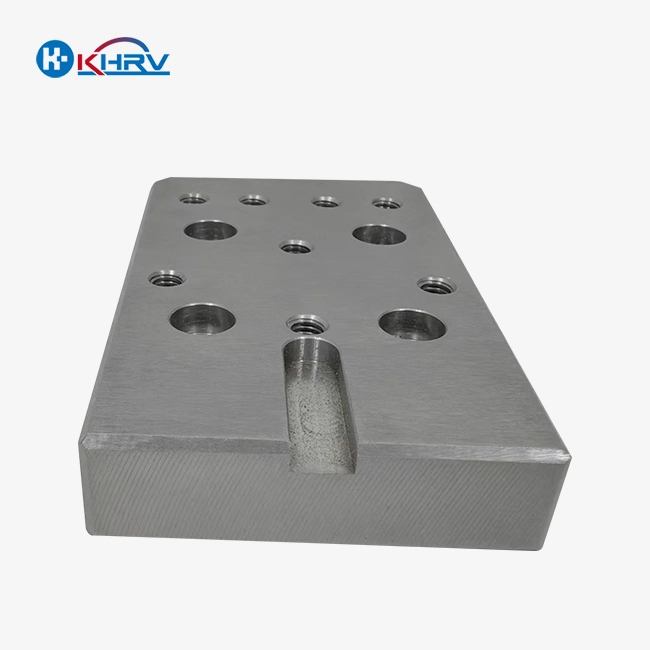
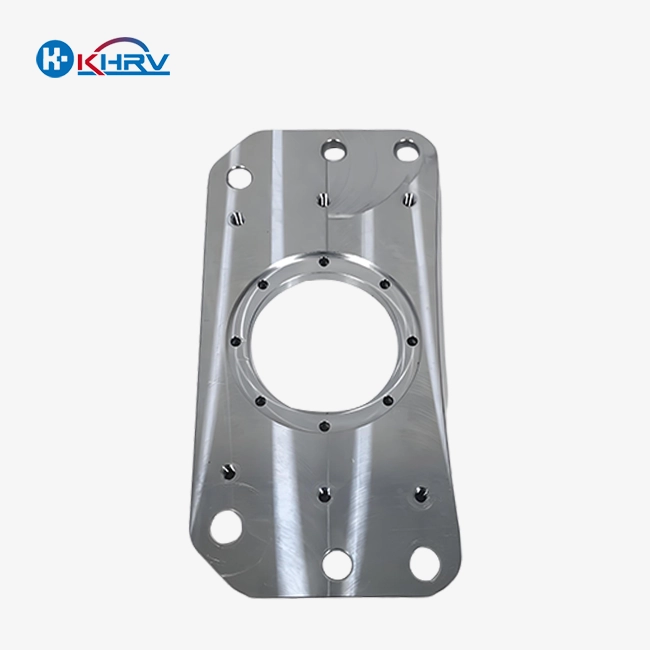
CNC precision machining aluminum parts are custom structural components processed from mainstream aluminum alloys including 6061-T6, 6063-T5 and 7075-T6 via professional CNC turning and milling. Widely applied as equipment housings, mounting flanges, positioning brackets and thermal dissipation structures, these parts underpin the stable operation of high-precision industrial equipment. For a long time, buyers focused solely on their dimensional tolerance, structural stability and wear resistance. Today, carbon performance has become a non-negotiable indicator for cross-border procurement.
The carbon footprint of finished aluminum machined parts mainly comes from two core links: the inherent embodied carbon of raw aluminum billets and the operational carbon generated during factory machining, chip processing and surface finishing. Primary aluminum carries extremely high embodied carbon, while recycled aluminum can cut carbon emissions by more than 70%, delivering remarkable sustainability advantages. Under the EU CBAM framework, importers are obligated to declare embedded carbon data of aluminum raw materials. If component suppliers cannot provide complete and authentic traceability documents, buyers have no choice but to apply conservative default emission factors, which directly increases procurement costs and undermines supply chain stability.
Truly qualified low-carbon CNC precision machining aluminum parts stand out with four practical advantages for EU export scenarios:
- Full lifecycle material traceability: Complete raw material source files and alloy certification support accurate embedded carbon calculation and formal CBAM reporting.
- High-efficiency material utilization: Scientific cutting layout and closed-loop aluminum chip recycling effectively reduce raw material waste and lower indirect carbon emissions.
- Energy-saving production workflows: Optimized CNC toolpaths and reasonable process sequencing shorten machine idle time, reducing factory scope 1 and scope 2 energy consumption and carbon output.
- Standardized compliant finishing records: Traceable data of anodizing and surface treatment processes ensure every production link meets EU environmental audit standards.
Unlike ordinary aluminum machined parts lacking carbon traceability, our low-carbon components deliver consistent mechanical precision and durability, while equipping European buyers with complete documentation support for cross-border compliance.
Key Applications and Manufacturing Advantages of Low-Carbon CNC Precision Machining Aluminum Parts
The combination of tiered precision processing and low-carbon manufacturing logic has helped our European clients solve compliance pain points and achieve cost optimization in actual mass production scenarios. The following two mature application cases reflect our practical manufacturing advantages.
1. Industrial Automation — Recycled-Content 6061-T6 Housing Components
A European automation equipment manufacturer needed batch aluminum housing parts for core equipment assembly, requiring both high assembly precision and verifiable low-carbon attributes to support annual CBAM declaration. The sealing surfaces and mounting holes of the housings demanded ultra-high dimensional stability, while non-structural surfaces allowed flexible tolerance control.
Wuxi Kaihan adopted a practical tiered precision processing strategy based on our 3-axis and 4-axis CNC equipment. We strictly controlled ±0.01mm positional accuracy for key mounting holes and strict flatness standards for critical sealing surfaces, with all non-critical appearance and outer profiles processed per standard industrial tolerances. We selected certified recycled-content 6061-T6 aluminum billets with complete source traceability, and adopted a closed-loop chip recycling system to recover and reuse machining scrap.
We delivered a total of 400 finished housings within 15 working days, accompanied by full material certificates and raw material origin declarations. The client successfully reduced declared product embodied carbon and cut comprehensive landed costs by 35% compared with previous suppliers using virgin aluminum materials.
2. New Energy Equipment — 6063-T5 Thermal Components with Optimized Machining
A European new energy enterprise specializing in photovoltaic inverter production customized 6063-T5 aluminum thermal parts, which needed to balance efficient heat dissipation performance, long-term operational stability and CBAM carbon compliance.
We optimized CNC machining toolpaths and process sequences to reduce equipment runtime energy consumption by 20% per part. Critical thermal contact faces maintained strict flatness standards, and key mounting positioning holes achieved ±0.01mm accuracy to ensure tight module fitting and stable heat transfer. Outer surfaces received standardized anodizing for corrosion resistance, while thermal contact faces retained the original machined finish to avoid increased thermal resistance caused by coating layers.
We delivered the 600-piece batch in 16 working days with complete process and compliance documents. The client achieved a 40% reduction in single-piece comprehensive cost and effectively lowered production-side carbon emissions.
Verified by mass production cases, our low-carbon tiered precision manufacturing mode brings four stable core benefits for EU-bound procurement:
- Precision is accurately concentrated on functional key surfaces, avoiding wasteful ultra-precision processing of non-critical structures and balancing quality and cost.
- Reasonable recycled material matching and process optimization help clients reduce comprehensive procurement costs by 30–40% compared with full ultra-precision or high-carbon primary aluminum parts.
- Standardized 10–20 working day delivery cycle with pre-production sample confirmation to guarantee batch consistency.
- Complete batch documents including material certificates, origin declarations and process records to fully support downstream CBAM audit and reporting.
Best Practices for Implementing Low-Carbon CNC Precision Machining Aluminum Parts in Your Supply Chain
For engineering and procurement teams building sustainable EU-oriented supply chains, simply pursuing low prices or single precision indicators is no longer viable. Standardized supplier screening and specification customization can help enterprises achieve a perfect balance of mechanical performance, carbon compliance and cost control.
Match recycled aluminum alloys according to application scenarios
Raw material embodied carbon is the largest source of part carbon footprint. For conventional automation and general load scenarios, 6061-T6 and 6063-T5 recycled aluminum alloys are the optimal choice, which can greatly reduce carbon emissions while meeting mechanical performance requirements and mitigating CBAM compliance risks. For high-strength special scenarios requiring 7075-T6 primary aluminum, suppliers must be required to provide complete material traceability documents to make up for the carbon disadvantage of raw materials with standardized compliance data.
Adopt tiered tolerance positioning to avoid excessive processing
The operational performance of aluminum machined parts only depends on the precision of key functional surfaces such as mounting holes, sealing surfaces and thermal contact surfaces. We stipulate ±0.01mm positional tolerance for key positioning structures and strict flatness standards and parallelism for core mating surfaces. All non-critical cosmetic and outer structural surfaces adopt standard industrial tolerances. This mode effectively shortens machining time, reduces energy consumption and scrap rate, and simultaneously optimizes cost and carbon footprint.
Focus on supplier's waste management and process energy efficiency
A supplier’s material utilization rate directly determines the indirect carbon level of finished parts. When screening suppliers, focus on their closed-loop aluminum chip recycling mechanism, CNC toolpath optimization capability and production energy consumption control standards. Mature recycling processes can greatly reduce the demand for virgin aluminum raw materials and fundamentally reduce the environmental impact of parts.
Strictly require pre-delivery compliance documentation verification
For all aluminum parts exported to the EU, incomplete traceability documents are a hidden supply chain risk that cannot be ignored. It is necessary to take material mill certificates, raw material origin declarations and complete process records as mandatory delivery standards. Pre-production sample testing should verify both dimensional accuracy and document delivery norms to avoid batch compliance risks.
Conclusion
EU market procurement of CNC Precision Machining Aluminum Parts has entered a new era that integrates precision performance, mechanical stability and carbon compliance. Single quality advantages can no longer meet cross-border supply chain requirements. Low-carbon aluminum components with recycled raw material support, tiered precision machining and complete traceability documents can help enterprises solve CBAM reporting pain points, stabilize European market access, and reduce comprehensive landed costs. Wuxi Kaihan relies on conventional 3-axis, 4-axis CNC equipment, matched with scenario-based alloy selection and energy-saving processing technology, to deliver cost-effective and compliance-guaranteed aluminum machined parts. For procurement teams pursuing long-term sustainable supply chain development, standardized low-carbon precision aluminum parts are the core solution to balance stable delivery, cost control and EU environmental compliance.
FAQ
1. What factors most heavily influence the carbon footprint of CNC Precision Machining Aluminum Parts?
The embodied carbon of aluminum raw materials is the decisive factor, with recycled aluminum far exceeding primary aluminum in low-carbon performance. Secondary influencing factors include machining scrap rate, chip recycling efficiency, and energy consumption in CNC machining and surface treatment processes(including anodizing) such as anodizing.
2. How does EU CBAM affect buyers sourcing CNC Precision Machining Aluminum Parts?
CBAM mainly targets the embodied carbon of primary aluminum raw materials. Although CNC machining processing is not directly taxed, EU importers must provide complete material traceability data for declaration. Without valid supplier documents, buyers can only adopt high default emission values, resulting in increased carbon adjustment costs and unstable product competitiveness.
3. What certifications and deliverables should buyers request for EU-bound aluminum machined parts?
ISO 9001:2015 quality certification and RoHS environmental compliance are basic entry requirements. Core CBAM supporting documents include material mill test reports and raw material origin declarations. ISO 14001 environmental management certification is an important additional credential to verify standardized low-carbon production capabilities.
4. What surface treatments are compatible with low-carbon CNC Precision Machining Aluminum Parts?
Outer surfaces can be anodized for corrosion and wear resistance. Thermal contact functional surfaces retain the original machined finish or adopt ultra-thin conductive treatment to avoid increased thermal resistance caused by thick coatings. All surface treatment processes are optimized for energy saving and equipped with complete process records to support carbon traceability.
Partner with KHRV for Low-Carbon CNC Precision Machining Aluminum Parts Solutions | KHRV
If you are looking for stable, compliant and cost-effective low-carbon CNC Precision Machining Aluminum Parts for European market layout, Wuxi Kaihan Technology Co., Ltd. can provide you with one-stop solutions. Our ISO 9001:2015 certified factory is equipped with 3-axis, 4-axis CNC machining equipment and CNC lathes, adopting a mature tiered precision manufacturing system: key holes achieve ±0.01mm positional accuracy, core mating surfaces reach strict flatness standards, and non-critical surfaces follow standard industrial tolerances.
We support recycled aluminum material customization, closed-loop chip recycling and full-process carbon traceability documentation services. With full OEM personalized customization capabilities, stable 10–20 working day delivery cycle and 30–40% comprehensive cost advantages, we serve global automation, new energy and industrial equipment manufacturers exporting to the EU. Every batch of products is accompanied by complete material certificates and compliance documents to help clients easily complete CBAM reporting.
Contact our professional engineering team at service@kaihancnc.com to discuss your part specifications, apply for pre-production samples, and obtain a targeted competitive quotation.
References
1. Zhao, Y. F., & Chen, M. X. (2024). Waste Reduction Strategy and Carbon Footprint Analysis of Sustainable Aluminum CNC Production. Sustainability, 16(9), 3842–3858.
2. Carter, S. M., & Jones, R. K. (2023). Circular CNC Manufacturing: Closed-Loop Chip Recycling and Cutting Fluid Regeneration Systems. Journal of Cleaner Production, 392, 136217.
3. Evans, D. L., & Wilson, P. G. (2022). Cost-Benefit Analysis of Near-Zero-Waste Machining for Aerospace Precision Components. Industrial Procurement Quarterly, 29(22), 289–303.
4. Zhang, W. D., & Liu, Q. Y. (2023). Near-Zero-Waste CNC Machining Technology and Material Utilization Optimization for Aerospace Aluminum Alloys. Sustainable Manufacturing Practices, 17(12), 218–233.
5. Miller, S. T., & Huang, Q. L. (2024). Supply-Chain Traceability Requirements for Aluminium-Intensive Machined Components Under EU CBAM Framework. Journal of Global Industrial Procurement Review, 32(4), 97–112.
6. Garcia, R. M., & Park, S. H. (2023). Environmental Compliance Documentation Practices for Export-Oriented CNC-Machined Aluminium Parts. International Journal of Advanced Manufacturing Technology, 127(5–6), 2041–2056.
_1760156418924.jpg)

Learn about our latest products and discounts through SMS or email