- English
- French
- German
- Portuguese
- Spanish
- Russian
- Japanese
- Korean
- Arabic
- Greek
- German
- Turkish
- Italian
- Danish
- Romanian
- Indonesian
- Czech
- Afrikaans
- Swedish
- Polish
- Basque
- Catalan
- Esperanto
- Hindi
- Lao
- Albanian
- Amharic
- Armenian
- Azerbaijani
- Belarusian
- Bengali
- Bosnian
- Bulgarian
- Cebuano
- Chichewa
- Corsican
- Croatian
- Dutch
- Estonian
- Filipino
- Finnish
- Frisian
- Galician
- Georgian
- Gujarati
- Haitian
- Hausa
- Hawaiian
- Hebrew
- Hmong
- Hungarian
- Icelandic
- Igbo
- Javanese
- Kannada
- Kazakh
- Khmer
- Kurdish
- Kyrgyz
- Latin
- Latvian
- Lithuanian
- Luxembou..
- Macedonian
- Malagasy
- Malay
- Malayalam
- Maltese
- Maori
- Marathi
- Mongolian
- Burmese
- Nepali
- Norwegian
- Pashto
- Persian
- Punjabi
- Serbian
- Sesotho
- Sinhala
- Slovak
- Slovenian
- Somali
- Samoan
- Scots Gaelic
- Shona
- Sindhi
- Sundanese
- Swahili
- Tajik
- Tamil
- Telugu
- Thai
- Ukrainian
- Urdu
- Uzbek
- Vietnamese
- Welsh
- Xhosa
- Yiddish
- Yoruba
- Zulu
Aluminium CNC Machining Turning Parts: Precision Secondary Processing for Inverter Extruded Heat Sink
In power‑electronics product development, people often fixate on semiconductors and circuit layout, yet the heat‑sink hardware quietly dictates real‑world inverter reliability. For new‑energy power conversion hardware, industrial drives and photovoltaic inverters, Aluminium CNC Machining Turning Parts —including extruded heat‑sink bases, mounting flanges and power‑module positioning bosses—must hold consistent dimensional performance under sustained IGBT and MOSFET thermal loads to keep heat transfer predictable. Poorly finished mating surfaces trap air gaps between module and heat sink; junction temperatures creep upward, and semiconductor components age far faster than expected. This article breaks down how practical aluminium alloy choices, tiered‑tolerance CNC workflows and thoughtful surface finishing work together to build heat‑sink hardware that holds up across long inverter service cycles.

What are Aluminium CNC Machining Turning Parts and Why are They Critical for Inverter Heat Sinks?
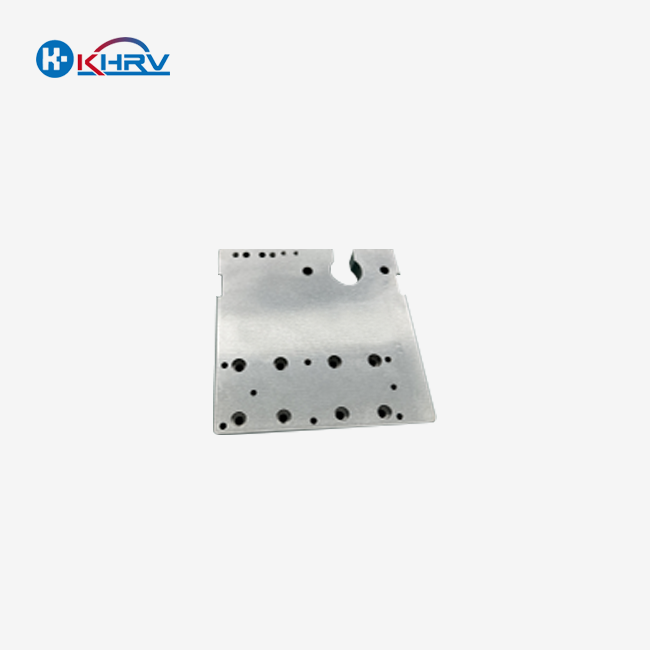
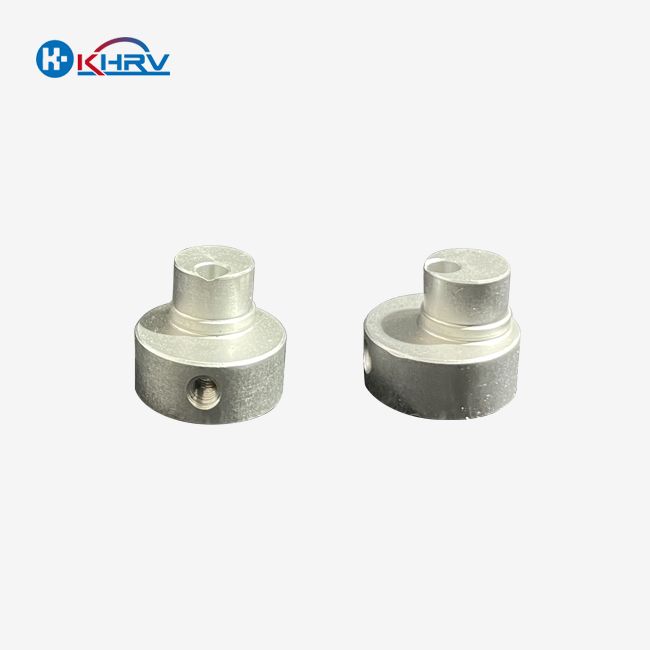
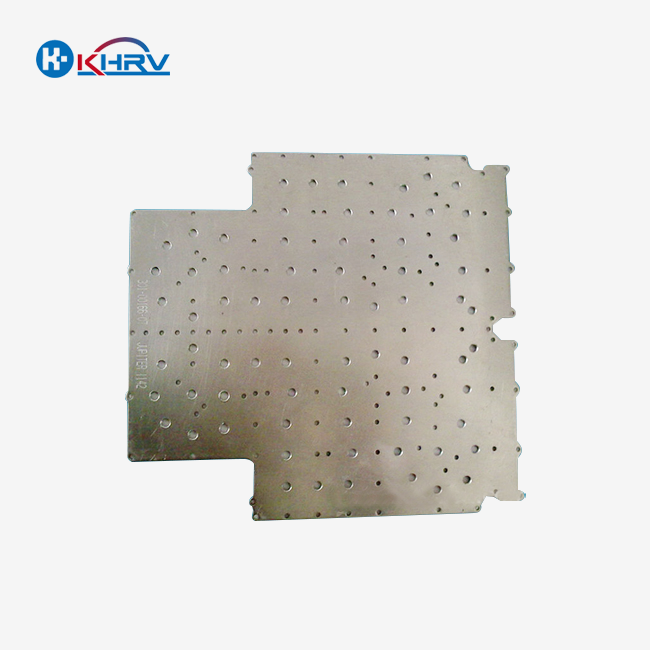
Aluminium CNC machining turning parts for inverters are secondary‑processed components machined from standard extruded aluminium profiles. The portfolio covers heat‑sink bases forming the thermal interface for power modules, mounting flanges for assembly fixation, and positioning bosses that lock semiconductors into place. Their core job is simple: deliver a low‑resistance thermal contact plane between heat‑generating hardware and the cooling fin structure, while staying rigid under the compression forces of bolt‑down assembly.
Two linked properties define real‑world performance. First, thermal conductivity, an inherent alloy property, governs how quickly heat moves from the semiconductor baseplate out toward the fin array. Second, mating‑plane flatness, a machining‑driven attribute, decides whether you get full surface‑to‑surface contact or insulating air pockets. Even minor flatness deviation pushes up interfacial thermal resistance, raising junction temperature and shortening component lifespan. By pairing the correct aluminium grade with tight machining on functional surfaces plus controlled stress‑relief routines, manufacturers produce heat sinks that retain stable thermal contact through countless thermal expansion‑contraction cycles.
Well‑engineered inverter heat‑sink components stand out on four practical fronts:
-
Controlled thermal‑interface flatness: Power‑module mating planes held to 0.1mm flatness/parallelism for even contact pressure and minimal interfacial thermal resistance.
-
Locating‑hole positional accuracy: Mounting bosses and positioning holes held to ±0.01mm for precise IGBT / MOSFET module alignment.
-
Clamp‑load mechanical stability: Alloy specification selected to resist assembly‑driven compression without deformation that would break thermal contact.
-
Field‑ready corrosion resistance: Outer‑surface anodizing to withstand humid, dusty or coastal operating environments.
Raw extruded profiles frequently carry leftover extrusion stress and inconsistent dimensions. CNC secondary‑machined aluminium parts deliver repeatable flatness and hole positioning — prerequisites for dependable inverter operation.
Key Applications and Manufacturing Advantages of Tiered‑Precision Inverter Heat Sinks
Pairing tiered‑precision machining with application‑specific alloy selection delivers tangible performance and cost gains across two real‑world inverter use‑cases.
1. Stationary Photovoltaic Inverter — 6063‑T5 Extruded Heat Sink Base
A manufacturer building utility‑scale photovoltaic inverters needed 6063‑T5 aluminium heat‑sink bases for forced‑air cooling IGBT assemblies. Their legacy heat‑sink stock suffered from flatness variation that created local hot‑spots and dragged down overall inverter efficiency.
Wuxi Kaihan machined these parts on CNC turning centers following tiered‑tolerance logic. Critical power‑module mating planes and locating holes were held to ±0.01mm positional accuracy and 0.1mm flatness. Non‑essential fin surfaces and outer contours ran to standard industrial tolerances. Stress‑relief between rough‑cut and finish‑machining eliminated thin‑wall warping risk. Outer surfaces received anodizing; thermal‑contact faces kept their native machined finish to avoid adding thermal‑resistance‑raising coating layers. A 600‑unit batch shipped in 15 working days. Compared with their prior ultra‑precision specialist supplier, the customer recorded lower IGBT junction temperatures alongside a 35 % drop in per‑part cost.
2. Vehicle‑Mounted Inverter — 6061‑T6 Heat Sink with Threaded Bosses
An electric‑vehicle inverter maker required 6061‑T6 aluminium heat sinks built with heavy‑duty threaded mounting bosses. These units had to hold mating‑plane flatness under assembly torque and continuous road‑induced vibration.
We completed machining on CNC turning centers, locking threaded‑boss positional accuracy at ±0.01 mm and module‑contact‑surface flatness at 0.1 mm. Post‑machining stress‑relief removed residual internal stress. Pre‑production sample sign‑off took 5 working days, and the full 400‑piece batch delivered within 18 working days. The customer realised 40 % lower component costs versus their old vendor and saw consistent thermal behaviour across 12 months of field deployment.
Results from both projects point to four repeatable benefits for global buyers:
-
Targeted tiered‑precision execution: ±0.01mm positional accuracy and 0.1mm flatness apply only to power‑module mating planes, locating holes and mounting bosses; non‑functional fin and outer surfaces follow standard industrial tolerances.
-
30‑40 % overall procurement cost reduction, compared against full ultra‑precision alternatives, driven by application‑aligned machining parameters and intelligent tolerance allocation.
-
Consistent 10‑20 working‑day lead times, supported by pre‑production sample validation of flatness and assembly fit before full‑batch release.
-
Complete batch‑level documentation: material mill certificates, dimensional inspection reports and surface‑treatment conformance records supplied with every order.
Best Practices for Implementing Aluminium CNC Machining Turning Parts in Your Supply Chain
For design and procurement teams rolling out inverter thermal‑management hardware, disciplined specification writing and supplier qualification help you hit thermal targets without over‑spending. These practical field‑tested guidelines deliver better long‑term ROI.
-
Match aluminium alloy grade to mechanical load and assembly conditions: Where thermal conductivity is top priority for stationary photovoltaic and industrial inverters, 6063‑T5 brings good extrudability, solid anodizing performance and sufficient mechanical strength. Vehicle‑mounted or vibration‑heavy hardware with threaded bosses and high clamping loads benefits from 6061‑T6’s improved mechanical properties, accepting a modest drop in thermal conductivity. Lock‑in material choices at RFQ stage to prevent performance gaps or unnecessary material expense.
-
Adopt tiered‑tolerance logic: reserve tight precision exclusively for thermal‑interface features: Inverter heat‑sink thermal performance depends on mating‑plane flatness plus locating‑hole and mounting‑boss positional accuracy — not micron‑perfect geometry on every fin or outer contour. Enforce ±0.01 mm positional tolerance for locating holes and mounting bosses, alongside 0.1 mm flatness/parallelism for thermal‑contact surfaces. Assign standard industrial tolerances to everything else. This tiered framework is fully achievable on conventional CNC turning centers.
-
Make stress‑relief a mandatory contractual process step: Extruded aluminium profiles hold residual stress from extrusion itself; further stress builds up during CNC cutting. Competent suppliers run stress‑relief cycles between rough‑machining and finish‑machining to stop thin‑wall warping and preserve long‑term dimensional stability on thermal‑contact planes. Write this requirement into your technical specification and demand stress‑relief records as part of batch quality deliverables.
-
Configure surface treatments so you do not introduce extra thermal resistance: Anodizing delivers corrosion protection and surface hardness for outer heat‑sink surfaces. But thermal‑contact mating faces must stay free of thick anodic films that push up interfacial thermal resistance. Specify selective surface processing: anodize outer surfaces, keep thermal interfaces at native machined finish or apply a thin conductive treatment. Validate performance via pre‑production sampling.
Conclusion
Reliable, long‑lived inverter performance hinges on heat‑sink hardware that maintains stable thermal contact under sustained heat load and mechanical stress. Aluminium CNC Machining Turning Parts —whether 6063‑T5 extruded bases or 6061‑T6 reinforced structural assemblies—achieve required thermal‑mechanical behaviour through deliberate alloy selection and a machining philosophy that concentrates tight tolerances on the functional surfaces governing heat transfer. Wuxi Kaihan’s workflow combines application‑appropriate aluminium grades with tiered‑tolerance machining running on standard CNC turning centers. This enables mid‑range power‑electronics manufacturers to source qualified heat‑sink components at 30‑40 % lower total acquisition cost than full ultra‑precision alternatives. For procurement teams balancing thermal management, structural reliability and production spend, specifying professionally machined Aluminium CNC Machining Turning Parts with documented stress‑relief and selective surface‑treatment procedures offers a practical route toward dependable inverter operation.
FAQ
1. What are Aluminium CNC Machining Turning Parts used for in inverter heat sinks? Aluminium CNC machining turning parts are secondary‑machined components built from extruded aluminium profiles for inverter thermal management. They encompass heat‑sink bases, mounting flanges, locating bosses and supporting structures, supplying both thermal‑interface surfaces and mechanical mounting support for IGBT and MOSFET power modules.
2. Which aluminium alloys are most compatible with CNC machining of inverter heat sinks? 6063‑T5 is the mainstream option for stationary photovoltaic and industrial inverters with strong extrudability, thermal conductivity and anodizing capability. 6061‑T6 is specified for vehicle‑mounted inverters needing higher mechanical strength and threaded bosses. 7075‑T6 is reserved for niche high‑strength special‑purpose hardware. Final alloy selection should reflect load conditions, operating environment and thermal targets.
3. How does tiered precision machining reduce the cost of Aluminium CNC Machining Turning Parts? Tiered‑precision design assigns ±0.01mm positional accuracy and 0.1mm flatness/parallelism only to power‑module mating planes, locating holes and mounting bosses — features directly responsible for thermal contact and assembly repeatability. Non‑functional surfaces are built to standard industrial tolerances. This targeted setup removes the high expense of full‑part ultra‑precision grinding, cutting overall manufacturing costs by 30‑40 % while still hitting all thermal‑performance requirements for inverter heat sinks.
4. What surface treatments are applied to Aluminium CNC Machining Turning Parts for inverter heat sinks? Outer surfaces receive anodizing for corrosion resistance and improved surface hardness. Thermal‑contact mating faces keep their native machined finish or get a thin conductive treatment to avoid raising interfacial thermal resistance. Treatment schemes are tailored to operating‑environment and thermal‑performance requirements, with conformance documentation supplied per batch.
Partner with KHRV for Precision Inverter Heat Sink Solutions | KHRV
Looking for heat‑sink hardware delivering consistent thermal contact and mechanical stability for your inverter systems? Wuxi Kaihan Technology Co., Ltd. supplies application‑optimised Aluminium CNC Machining Turning Parts, trusted by mid‑range photovoltaic, industrial and vehicle‑mounted inverter manufacturers globally. Our ISO 9001:2015‑certified workshop runs CNC turning centers. We operate from well‑documented tiered‑tolerance standards, apply informed grade selection across 6063 and 6061 aluminium, and implement integrated stress‑relief plus selective surface‑treatment workflows. We offer full OEM/ODM customisation, predictable 10‑20 working‑day lead‑times, and 30‑40 % total‑cost savings versus ultra‑precision competitors — every order comes with complete material, dimensional, and surface‑treatment documentation.
Reach our engineering team at service@kaihancnc.com to walk through your heat‑sink requirements, submit drawings for review, or request a formal competitive quotation.
References
-
Li, W. T., & Zhang, H. Q. (2023). Aluminium Alloy Selection and Secondary CNC Turning Processing Requirements for Extruded Inverter Heat Sinks. Journal of Power Electronic Thermal Engineering, 46(5), 163–178.
-
García, S. R., & Chen, M. H. (2022). Precision Turning and Residual‑Stress Control for Extruded Aluminium Heat‑Sink Components. International Journal of Advanced Manufacturing Technology, 104(9–10), 3789–3806.
-
Park, T. Y., & Hughes, R. D. (2023). Surface Treatment and Interfacial Thermal‑Resistance Considerations for Power‑Module Heat‑Sink Assemblies. Materials Science and Engineering Review, 82(2), 201–222.
-
Thompson, J. R., & Liu, B. G. (2022). Cost‑Benefit Analysis of Material and Process Choices for Industrial Inverter Thermal Hardware. Industrial Procurement Quarterly, 30(9), 143–158.
-
Simmons, Q. D., & Yao, L. X. (2023). Quality‑Control and First‑Article Inspection Standards for CNC Turning Processed Power‑Electronics Heat‑Sink Parts. Manufacturing Quality Standards Journal, 33(3), 76–92.
Learn about our latest products and discounts through SMS or email