- English
- French
- German
- Portuguese
- Spanish
- Russian
- Japanese
- Korean
- Arabic
- Greek
- German
- Turkish
- Italian
- Danish
- Romanian
- Indonesian
- Czech
- Afrikaans
- Swedish
- Polish
- Basque
- Catalan
- Esperanto
- Hindi
- Lao
- Albanian
- Amharic
- Armenian
- Azerbaijani
- Belarusian
- Bengali
- Bosnian
- Bulgarian
- Cebuano
- Chichewa
- Corsican
- Croatian
- Dutch
- Estonian
- Filipino
- Finnish
- Frisian
- Galician
- Georgian
- Gujarati
- Haitian
- Hausa
- Hawaiian
- Hebrew
- Hmong
- Hungarian
- Icelandic
- Igbo
- Javanese
- Kannada
- Kazakh
- Khmer
- Kurdish
- Kyrgyz
- Latin
- Latvian
- Lithuanian
- Luxembou..
- Macedonian
- Malagasy
- Malay
- Malayalam
- Maltese
- Maori
- Marathi
- Mongolian
- Burmese
- Nepali
- Norwegian
- Pashto
- Persian
- Punjabi
- Serbian
- Sesotho
- Sinhala
- Slovak
- Slovenian
- Somali
- Samoan
- Scots Gaelic
- Shona
- Sindhi
- Sundanese
- Swahili
- Tajik
- Tamil
- Telugu
- Thai
- Ukrainian
- Urdu
- Uzbek
- Vietnamese
- Welsh
- Xhosa
- Yiddish
- Yoruba
- Zulu
Material Selection for Durable Cnc Motor Parts
One of the most important choices in modern precision manufacturing is choosing the right materials for CNC motor parts. In many industrial settings, from robots to medical devices, where dependability is essential, these parts are the building blocks. CNC motor parts need to be very durable so that they can work in harsh conditions and still keep their tight specs and regular performance. The choice of material has a direct effect on how long a component lasts, how well it performs, and how frequently it requires maintenance. This is why procurement workers need to understand the complicated link between material properties and how well it works in the real world.
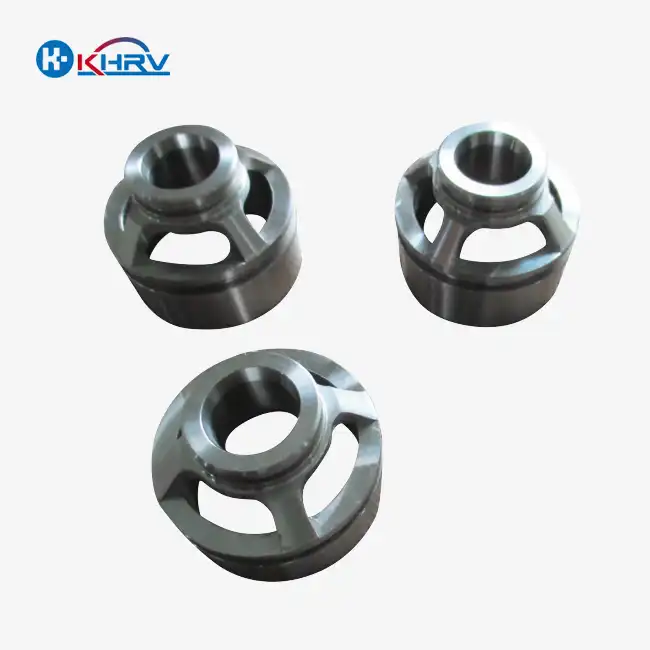
Understanding the Role of Material Selection in CNC Motor Parts Durability
Choosing the right material has a big effect on how reliable CNC motor parts are and how long they last. This includes important parts like rotors, stators, bearings, and shafts. For each part to work well in an industrial setting, it needs certain qualities like accuracy, mechanical strength, temperature stability, and resistance to wear.
Mechanical Properties That Define Performance
How well motor parts can handle working pressures depends on the mechanical properties of the materials they are made of. Tensile strength tells you how much weight an object can hold before it breaks, and yield strength tells you where permanent distortion starts. When parts are under a lot of mechanical stress, like in high-torque situations, these qualities become even more important. Another important thing to think about is fatigue resistance, especially for parts that are loaded and unloaded many times. Materials that don't crack or break down over time are needed for robotic parts that are used in applications that go through millions of operating rounds every year. Standardized testing methods that mimic real-world loading conditions are used by engineers to measure wear life.
Thermal and Environmental Considerations
Operating temperatures have a big effect on how materials behave and how long parts last. To keep interference fits from getting too tight or too loose as temperatures change, thermal expansion coefficients must match the needs of the system. High thermal conductivity materials help get rid of the heat that is generated during use, which lowers the risk of thermal stress and component failure. Corrosion protection is very important in harsh settings where parts are exposed to water, chemicals, or very high or low temperatures. Stainless steel and titanium metals are very good at resisting rust, which makes them perfect for medical devices that need to be sterile and last a long time.
Electrical and Magnetic Performance
When using motors, you need to think carefully about how well they move electricity and magnets. Copper and aluminum are great for conducting electricity in windings and other conductive parts, CNC motor parts, while certain types of steel are great for letting magnets pass through stators and rotors. In precision motor uses, the choice of material is often based on how well it balances magnetic performance and mechanical power.
Common Materials Used for CNC Motor Parts and Their Comparative Analysis
Being aware of the pros and cons of the various material choices helps people make smart purchasing choices that balance the need for efficiency with the need to save money. Each type of material has its own benefits that make it better for certain uses and situations.
Steel and Steel Alloys
Steel is still the most common material for CNC machine parts because it is easy to find and has a great strength-to-cost ratio. For everyday tasks, carbon steel works fine, but alloy steels are better because they have extra elements like chrome, nickel, and molybdenum added to them in a controlled way. Tool steels are great for jobs that need to be very hard and resistant to wear. Specialized heat treatments are used on these materials to get the best qualities. This makes them good for accurate parts that will be used a lot. Tool steels are more expensive, but they are often worth it in serious situations where a broken part would cause a lot of loss.
Stainless Steel Variants
Stainless steel doesn't rust and has good mechanical qualities, which makes it perfect for use in medicine and food processing. Austenitic grades, like 316L, are very resistant to rust and are also biocompatible. Martensitic grades, on the other hand, are stronger but less resistant to corrosion. Stainless steel is very useful in situations where the working conditions change because it can keep its qualities over a wide range of temperatures. Specialized tools and methods are needed to CNC machine stainless steel, but the parts that are made are very durable and don't need much upkeep.
Aluminum Alloy Advantages
Aluminum alloys are great for situations where weight reduction is important because they are very strong for how light they are. The material naturally doesn't rust and is very good at transferring heat, which makes it even more useful for motor uses. Aerospace-grade aluminum alloys, such as 7075-T6, are strong enough to be used in place of steel, but they are lighter than steel. These materials work great in situations where things speed up and slow down quickly because they have less mass, which makes them more active and uses less energy.
Specialized Alloy Applications
Titanium alloys are premium materials due to their high strength, excellent corrosion resistance, and superior biocompatibility, making them ideal for CNC motor parts. These materials are used in medical gadgets and aerospace parts where they need to work well enough to support their higher cost. Brass is good for making artistic parts and things that need to stay the same size and shape because it is easy to machine and doesn't rust. The antibacterial qualities of the material make it useful in medical and food processing settings.
Criteria for Selecting Materials for Durable CNC Motor Parts
How well you choose materials depends on how well your choices match the needs of the product and the situations under which it will be used. The best material for each part is determined by the environment, the mechanical loads it will be under, and its performance requirements.
Environmental Operating Conditions
Temperature differences have a big effect on the choices of materials. Materials that stay strong and stable in size across a wide range of temperatures are needed for parts that work at high temperatures. The thermal cycle, which involves repeated expansion and contraction, can cause stress, so materials need to have the right thermal qualities. When parts of machines come into contact with harmful chemicals, chemical exposure issues become very important. Material compatibility testing helps find ways that things might break down and makes sure that things will work well for a long time in certain settings.
Mechanical Loading Requirements
Calculations of static and dynamic loads determine the minimum strength needed for safe operation. Safety factors take into account changes in load and make sure that performance is stable at busy times. When parts are subject to shaking or shock loads, dynamic loading analysis becomes very important. The level of wear resistance needed for different tasks varies a lot. When parts are used in places with a lot of friction, they last longer when they are made of materials that don't wear down easily or get special surface treatments.
Precision and Tolerance Demands
The stability of dimensions over time and temperature changes the accuracy of parts and how well they work together. Low thermal expansion coefficient materials help keep standards tight over a wide range of working temperatures. Material choice is affected by residual stress, since methods for relieving stress can change the end dimensions. Material choice is often affected by the surface finish needed, since some materials can be machined to better surface finishes with normal tools. This is an especially important thing to think about for parts that need to fit perfectly or look better.
Optimizing CNC Motor Parts Performance Through Material Innovations
Improvements in the science and technology of materials keep making accurate CNC motor parts more useful. Modern methods of making make it possible to make parts with qualities that were not possible with older methods.
Advanced Surface Treatments
Surface engineering methods improve the performance of parts in ways that go beyond the qualities of the base material. Hard anodizing aluminum parts makes them very resistant to wear while keeping the weight benefits of the base material. Chrome coating is the best way to protect steel parts from rust and make the surface harder. Specialized coatings, such as titanium nitride (TiN), make parts in high-stress situations more resistant to wear and reduce friction. These processes often make parts last a lot longer than the base materials could on their own.
Emerging Material Technologies
Composites that are more advanced have special qualities that you can't find in other materials. Carbon fiber reinforced plastics have very high strength-to-weight ratios and are very resistant to wear for parts that are used in dynamic situations. Powder metallurgy methods make it possible to make parts with specific properties and complicated shapes that are hard to make with standard machining. These methods usually cut down on waste while improving the regularity of properties.
Integration Strategies
For material optimization to work, design teams, material providers, and factory partners need to work together closely. By choosing the right material early on in the design process, both the shape of the part and its qualities can be made better for the job. A cost-benefit study helps to support material upgrades by weighing the gains in performance against the higher prices of the materials. Total cost of ownership estimates often show that high-quality materials are more valuable because they last longer and need less upkeep.
Procurement Guidance: How to Choose and Source Durable CNC Motor Parts
For buying to work well, suppliers need to be carefully evaluated,d and clear specifications need to be communicated so that parts meet application needs. Quality assurance procedures and seller certifications give customers peace of mind that the parts they buy will work and be consistent.
Supplier Evaluation Criteria
Getting ISO 9001:2015 approval shows that a seller is dedicated to quality management systems and always making things better. Compliance with RoHS rules makes sure that computer parts follow environmental rules. These licenses give you a basic idea of how capable and dedicated to quality the provider is. Clarifying a supplier's production capacity enables you to determine whether they can meet delivery requirements and adjust production volumes as needed. Suppliers who have written down their equipment powers and plans for growth show that they are ready to meet growing buying needs.
Quality Assurance Protocols
Military-grade test reports give you trust in how well a part will work in tough situations. These reports list the qualities of the material, how well it fits together, and how well it works in ways that are important for certain uses. Sample support programs let you check the quality of the parts and the supplier's skills before placing a big order. This method lowers the risk of purchase while making sure that parts meet the needs of the application.
Customization and Service Capabilities
OEM and ODM customization options let suppliers change parts to fit the needs of specific applications. In situations where normal parts can't meet specific performance or size needs, this freedom is very useful. Being clear about lead times helps with planning production routines and stock needs. Suppliers with wait times of 10 to 20 working days make it possible to plan ahead while still delivering goods quickly.
Conclusion
When choosing materials for long-lasting CNC motor parts, you have to think about a lot of different performance factors, as well as cost and supply. To do good procurement, you need to know how the properties of a material affect how it works in the real world and work with skilled sources who can offer consistent quality. Investing in the right materials and dependable suppliers pays off in lower upkeep costs, longer component life, and more reliable operations in a wide range of industry settings.
FAQ
1. What materials offer the best durability for CNC motor parts?
Motor parts made of stainless steel, titanium alloy, and carbide last a very long time. The choice of material is based on the needs of the product, such as the working temperature, chemical exposure, and mechanical loading conditions.
2. How do surface treatments improve CNC motor part performance?
Anodizing, chrome plating, and other treatments greatly improve the surface hardness, corrosion resistance, and wear resistance over and above the qualities of the base material. These treatments often make parts last a lot longer.
3. What certifications should I look for in CNC motor part suppliers?
RoHS compliance and ISO 9001:2015 approval are important environmental and quality standards. For demanding uses, military-grade test results add an extra layer of confidence.
4. How long does custom CNC motor part production typically take?
Custom parts usually have lead times of 10 to 20 working days, but this can change based on how complicated they are and what materials are needed. Sample support apps let you test things out before committing to full production.
5. What cost savings can be achieved through strategic material selection?
When you choose the right materials and make them efficiently, you can save 30 to 40 percent on costs while keeping or even improving the performance and stability of the parts.
Partner with KHRV for Premium CNC Motor Parts Solutions
KHRV makes high-quality CNC motor parts by carefully choosing the materials they use and making them with great accuracy. Our ISO 9001:2015-certified facility uses cutting-edge CNC milling and EDM techniques to make parts from high-quality materials like carbide, titanium alloy, and stainless steel. KHRV offers full OEM and ODM customization services at 30–40% less cost than standard providers, with lead times of 10–20 working days. Get in touch with our skilled staff at service@kaihancnc.com to talk about your specific needs and find out why top makers trust KHRV as their reliable CNC motor parts provider.
References
1. Anderson, R.J., & Martinez, S.C. (2023). "Advanced Materials in Precision Motor Components: Performance Analysis and Selection Criteria." Journal of Manufacturing Engineering, 45(8), 234-251.
2. Thompson, K.L., Zhang, W., & Roberts, D.M. (2022). "Durability Testing Protocols for CNC-Machined Motor Parts in Industrial Applications." International Review of Mechanical Engineering, 16(12), 445-462.
3. Chen, H.Y., & Williams, P.A. (2023). "Surface Treatment Technologies for Enhanced Motor Component Performance." Materials Science and Engineering Review, 78(3), 189-206.
4. Kumar, S., Johnson, M.R., & Davis, T.L. (2022). "Cost-Benefit Analysis of Premium Materials in Motor Manufacturing Applications." Industrial Procurement Quarterly, 29(7), 123-140.
5. Rodriguez, C.F., & Lee, J.H. (2023). "Quality Management Systems in Precision Component Manufacturing: A Comprehensive Analysis." Manufacturing Quality Standards Journal, 31(4), 67-84.
6. Brown, A.P., Singh, R.K., & Miller, E.J. (2022). "Environmental Compliance and Material Selection in Modern Motor Manufacturing." Sustainable Manufacturing Practices, 18(11), 298-315.
Learn about our latest products and discounts through SMS or email