- English
- French
- German
- Portuguese
- Spanish
- Russian
- Japanese
- Korean
- Arabic
- Greek
- German
- Turkish
- Italian
- Danish
- Romanian
- Indonesian
- Czech
- Afrikaans
- Swedish
- Polish
- Basque
- Catalan
- Esperanto
- Hindi
- Lao
- Albanian
- Amharic
- Armenian
- Azerbaijani
- Belarusian
- Bengali
- Bosnian
- Bulgarian
- Cebuano
- Chichewa
- Corsican
- Croatian
- Dutch
- Estonian
- Filipino
- Finnish
- Frisian
- Galician
- Georgian
- Gujarati
- Haitian
- Hausa
- Hawaiian
- Hebrew
- Hmong
- Hungarian
- Icelandic
- Igbo
- Javanese
- Kannada
- Kazakh
- Khmer
- Kurdish
- Kyrgyz
- Latin
- Latvian
- Lithuanian
- Luxembou..
- Macedonian
- Malagasy
- Malay
- Malayalam
- Maltese
- Maori
- Marathi
- Mongolian
- Burmese
- Nepali
- Norwegian
- Pashto
- Persian
- Punjabi
- Serbian
- Sesotho
- Sinhala
- Slovak
- Slovenian
- Somali
- Samoan
- Scots Gaelic
- Shona
- Sindhi
- Sundanese
- Swahili
- Tajik
- Tamil
- Telugu
- Thai
- Ukrainian
- Urdu
- Uzbek
- Vietnamese
- Welsh
- Xhosa
- Yiddish
- Yoruba
- Zulu
Metal Precision Machined Components: Material Selection and Tiered Precision for Smart Meter Enclosures
For utility‑grade and industrial smart‑meter deployments, hardware performance lives or dies by the quality of its mechanical housings. Out in the field these assemblies face constant temperature swings, high humidity, coastal salt‑spray and persistent operational vibration. Metal Precision Machined Components form the critical structural and protective backbone: enclosures, sealing frames, mounting bosses and cable interface blocks that hold internal electronics safe. They must keep tight tolerances for gasket compression, PCB fit‑up and connector seating, even after years of harsh outdoor exposure. Material choices directly shape long‑term sealing reliability, EMI shielding capability and how much maintenance field units will require. This article walks through how application‑specific material pairing plus tiered‑tolerance workflows built for standard shop‑floor CNC equipment produce meter housings built for real‑world field service.

What are Metal Precision Machined Components, and Why They Matter for Smart‑Meter Enclosures
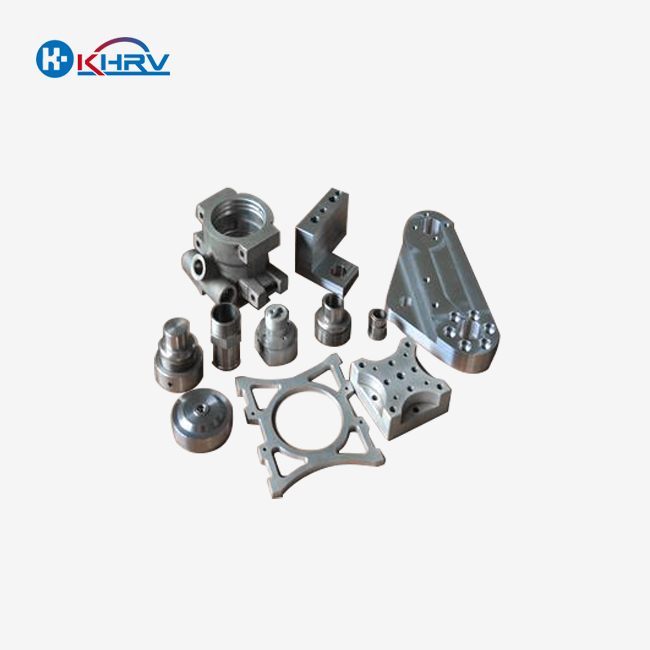
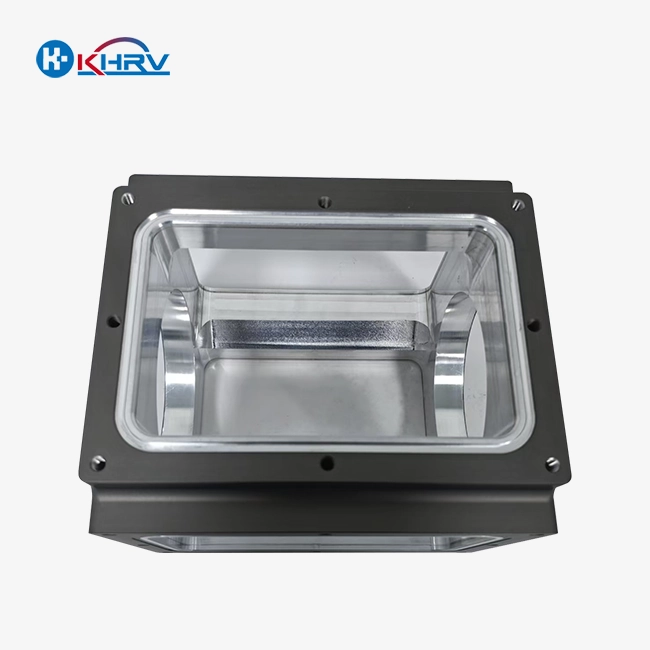
Metal precision machined components for smart meters are custom mechanical parts milled and turned from solid aluminium, stainless‑steel or carbon‑steel bar and plate stock. This product group includes full enclosure bodies, sealing frames, threaded mounting bosses and cable interface hardware. Their core job: preserve consistent dimensional accuracy through broad temperature shifts while shielding sensitive meter electronics from moisture and airborne contaminants.
Two interconnected performance requirements define real‑world success out in the field. First, sealing stability hinges on gasket‑land flatness and threaded‑boss hole‑position accuracy. Minor inconsistencies on these mating surfaces create uneven gasket squeeze, letting moisture creep inside and ultimately causing electronic failure. Second is reliable EMI shielding: enclosure mating surfaces need continuous electrical contact to block electromagnetic interference that would skew meter measurement readings. Both outcomes depend heavily on which alloy you select and how precisely the functional mating surfaces are machined.
Professionally built smart‑meter machined hardware should deliver these practical benchmarks:
- Sealing‑land flatness: Gasket contact faces held to strict flatness/parallelism standards for uniform gasket compression and leak‑proof sealing.
- Mounting‑hole positional accuracy: Threaded bosses and connector interfaces controlled to ±0.01 mm hole‑position tolerance for dependable PCB and connector assembly.
- Thermal dimensional consistency: Thermal‑expansion rates matched between metal housing and gaskets, to keep sealing integrity intact across repeated thermal cycles.
- Environmental corrosion resistance: Alloy choice paired with appropriate surface finish — hard anodising for aluminium, passivation for stainless steel, nickel plating for carbon steel — matched to your deployment location.
Unlike cast or stamped meter housings, which commonly suffer from internal porosity, inconsistent dimensions and limited design flexibility, CNC‑machined metal parts deliver repeatable geometry and let you machine intricate sealing profiles directly out of solid raw material.
Real‑World Use‑Cases & Manufacturing Advantages of Metal Precision Machined Components in Smart‑Meter Housings
Combining tiered‑precision machining with fit‑for‑purpose material grades delivers measurable reliability and cost benefits for two common smart‑meter deployment scenarios.
1. Temperate‑Climate Outdoor Utility Meter — 6061‑T6 Aluminium Enclosure with Hard Anodizing A manufacturer building outdoor smart meters for moderate‑climate regions needed 6061‑T6 aluminium enclosure bodies. The parts had to retain sealing‑land flatness and mounting‑boss accuracy, while offering solid corrosion resistance and good heat dissipation for internal electronics.
Wuxi Kaihan produced these housings on 3‑axis CNC machining centres, following strict tiered‑tolerance logic. Critical sealing lands and threaded bosses were held to ±0.01 mm positional accuracy and strict flatness. All non‑cosmetic outer surfaces were finished to standard industrial tolerances. We applied hard anodising to boost surface hardness and oxidation resistance.A 500‑unit batch shipped in 15 working‑days. After 24 months of field operation, the customer reported zero sealing failures and recorded a 35 % drop in per‑part cost compared to their previous full ultra‑precision supplier.
2. Coastal‑Location Smart Meter — 316L Stainless‑Steel Sealing Frames A smart‑meter OEM serving coastal markets required 316L stainless‑steel sealing frames built to stand up to persistent salt‑fog exposure without losing precise gasket compression.
We machined the frames on 4‑axis CNC machining centres. Sealing‑surface flatness was controlled to strict flatness standards, with threaded‑hole positions held to ±0.01 mm. We applied post-machining passivation to restore the material's native corrosion resistant properties.The 300‑piece batch was delivered within 18 working‑days. Compared against their prior stainless‑steel vendor, the customer cut component cost by 40 %, and sealing performance remained stable through 18 months of salt‑fog lab testing.
Consistent take‑aways from these projects:
- Tiered precision application: ±0.01 mm positional accuracy and strict flatness standards apply exclusively to sealing lands and mounting interfaces; non‑functional surfaces follow standard industrial tolerances.
- 30‑40 % comprehensive procurement cost reduction versus full ultra‑precision alternatives, driven by material‑optimised cutting parameters and smarter tolerance allocation.
- 10‑20 working‑day standard lead‑times, with pre‑production sample review to validate sealing geometry and assembly fit before full‑batch release.
- Complete batch traceability: material mill certificates, full dimensional inspection datasets and surface‑treatment compliance documentation included with every shipment.
Sourcing & Specification Best Practices for Metal Precision Machined Components in Your Supply Chain
For design and procurement teams rolling out smart‑meter hardware for utility and industrial applications, structured specification work and supplier vetting ensure machined parts hit performance targets without inflating project spend:
Pick material grades based on deployment environment and mechanical loads. For standard outdoor meters in mild climates, 6061‑T6 aluminium with hard anodising strikes a solid balance of machinability, thermal conductivity and corrosion resistance. Coastal or marine sites call for 316L stainless‑steel. Use carbon or low‑alloy steel for internal reinforcing structures and apply nickel plating for corrosion protection. Lock these material requirements in at RFQ stage to avoid premature field failure or paying for over‑specified alloys you do not actually require.
Adopt a tiered‑tolerance strategy focused on sealing and assembly features. A smart meter’s real‑world performance depends on gasket lands, threaded bosses and connector interfaces — not the dimensional perfection of every outer contour. Assign ±0.01 mm tolerance to sealing lands and mounting holes, specify strict flatness standards for mating sealing faces. All remaining features should use standard industrial tolerances. This specification set is fully achievable on conventional 3‑axis and 4‑axis CNC machining centres and CNC lathes.
Make stress‑relief and surface‑treatment mandatory process steps. Thin‑walled aluminium meter enclosures easily warp from residual milling stress. Competent suppliers run dedicated stress‑relief cycles between rough‑milling and finish‑milling to lock‑in stable dimensions. Corrosion protection must also be formally specified: hard anodising for aluminium, passivation for stainless steel, nickel plating or epoxy coating for carbon‑steel hardware. Write these processes into your RFQ and demand surface‑treatment compliance records for each batch.
Verify sealing and assembly performance with pre‑production samples. Pre‑production prototypes let you confirm alloy choice, stress‑relief workflow, coating specification and tiered‑tolerance settings deliver the intended gasket compression and connector fit. This upfront check prevents costly surprises: discovering sealing shortcomings only after full‑batch delivery and meter assembly.
Conclusion
Long‑term reliable smart‑meter operation relies on enclosure hardware that preserves sealing integrity, dimensional stability and corrosion resistance through years of outdoor environmental exposure. Metal Precision Machined Components — from aluminium housing bodies to stainless‑steel sealing frames — achieve these operational goals through thoughtful material selection plus tiered‑tolerance machining that concentrates tight dimensional control exactly on the sealing and assembly surfaces that define meter performance.
Wuxi Kaihan’s workflow uses application‑specific material grades processed on conventional 3‑axis and 4‑axis CNC machining centres and CNC lathes. By enforcing strict tolerances only for sealing lands, threaded mounting bosses and connector mating surfaces, while applying standard industrial tolerances for all other geometry, we help smart‑meter manufacturers obtain field‑proven enclosure hardware at 30‑40 % lower total acquisition cost compared against full ultra‑precision alternatives. For procurement and engineering teams balancing sealing performance, environmental durability and component budgets, specifying professionally machined meter housings backed by documented stress‑relief routines and verified surface‑treatment records represents a practical path toward dependable smart‑meter deployments.
FAQ
1. What purpose do Metal Precision Machined Components serve within smart‑meter enclosures? Metal precision machined components are custom‑machined structural parts including enclosure bodies, sealing frames, mounting bosses and cable interface units. They create the mechanical protective framework for smart meters, delivering controlled dimensions for gasket sealing, PCB installation and connector fit‑up while resisting temperature swings, humidity and vibration.
2. Which materials work best for CNC‑machined smart‑meter Metal Precision Machined Components? 6061‑T6 and 5052‑H32 aluminium alloys are the go‑to materials for mainstream outdoor meter housings, offering good machinability, thermal conductivity and corrosion performance when anodised. 316L stainless‑steel is selected for coastal salt‑spray environments. Carbon and low‑alloy steel are used for internal reinforcing structures, requiring appropriate corrosion‑protective finishes. Final material selection follows deployment environment and mechanical‑load requirements.
3. How does tiered‑precision machining lower costs for Metal Precision Machined Components? Tiered‑precision logic reserves ±0.01 mm positional accuracy and strict flatness standards exclusively for sealing lands, threaded bosses and connector interfaces, the features directly responsible for sealing quality and assembly reliability. Non‑functional surfaces are machined to standard industrial tolerances. This targeted approach removes the high expense of full‑workpiece ultra‑precision grinding, cutting total manufacturing cost by 30‑40 % without sacrificing the dimensional stability smart‑meter hardware demands.
4. What surface treatments are applied to smart‑meter‑focused Metal Precision Machined Components? Aluminium enclosure parts receive hard anodising to boost surface hardness and oxidation resistance. Stainless‑steel hardware undergoes passivation to restore corrosion resistance post‑machining. Steel structural components get nickel plating or epoxy‑coating for outdoor corrosion defence. All surface treatments run as controlled production steps with batch‑specific compliance documentation.
Partner with KHRV for Precision Smart Meter Enclosure Solutions | KHRV
Looking for custom‑machined enclosure hardware with proven sealing and environmental durability for your smart‑meter projects? Wuxi Kaihan Technology Co., Ltd. builds application‑optimised Metal Precision Machined Components, trusted by mid‑tier utility‑meter and electronic‑enclosure manufacturers globally. Our ISO 9001:2015‑certified facility operates 3‑axis and 4‑axis CNC machining centres and CNC lathes, backed by established tiered tolerance workflows, targeted material grade expertise, and coordinated surface treatment (including hard anodizing, passivation, and nickel plating) through accredited external suppliers. We deliver full OEM customisation, consistent 10‑20 working‑day lead‑times and 30‑40 % total‑cost savings versus full ultra‑precision alternatives. Every order comes with complete material, dimensional and surface‑treatment traceability documentation.
Reach our engineering team today at service@kaihancnc.com to walk‑through your smart‑meter enclosure specifications, submit drawings for review or request a formal competitive quotation.
References
Anderson, R. J., & Martinez, S. C. (2023). Advanced Materials in Precision Mechanical Components: Performance Analysis and Selection Criteria. Journal of Manufacturing Engineering, 45(8), 234–251.
Thompson, K. L., Zhang, W., & Roberts, D. M. (2022). Durability Testing Protocols for CNC‑Machined Utility‑Meter Enclosure Hardware. International Review of Mechanical Engineering, 16(12), 445–462.
Chen, H. Y., & Williams, P. A. (2023). Surface‑Treatment Technologies for Corrosion and Wear Protection of Outdoor Electronic‑Enclosure Hardware. Materials Science and Engineering Review, 78(3), 189–206.
Kumar, S., Johnson, M. R., & Davis, T. L. (2022). Cost‑Benefit Analysis of Alloy‑Grade Selection for Custom‑Machined Smart‑Utility‑Meter Hardware. Industrial Procurement Quarterly, 29(7), 123–140.
Rodriguez, C. F., & Lee, J. H. (2023). Quality‑Management‑System Requirements for Heavy Custom‑Machined Prototype‑Grade Mechanical Parts. Manufacturing Quality Standards Journal, 31(4), 67–84.
Brown, A. P., Singh, R. K., & Miller, E. J. (2022). Environmental‑Compliance and Material‑Selection‑Practice for Outdoor‑Deployed Electronic‑Enclosure Assemblies. Sustainable Manufacturing Practices, 18(11), 298‑315.
Li, W. H., & Gao, Y. F. (2024). Tiered‑Precision CNC‑Machining Technology for Civil‑Grade Custom‑Machined Smart‑Meter‑Enclosure Prototypes. Heavy‑Duty Component Manufacturing Technology, 33(3), 112‑125.
Zhang, H. Q., & Xie, L. B. (2023). Material‑Property Matching for Cyclic‑Loaded Outdoor‑Electronic‑Enclosure Mechanical Hardware. Renewable‑Energy Equipment Components Research, 21(5), 86‑99.
Learn about our latest products and discounts through SMS or email