- English
- French
- German
- Portuguese
- Spanish
- Russian
- Japanese
- Korean
- Arabic
- Greek
- German
- Turkish
- Italian
- Danish
- Romanian
- Indonesian
- Czech
- Afrikaans
- Swedish
- Polish
- Basque
- Catalan
- Esperanto
- Hindi
- Lao
- Albanian
- Amharic
- Armenian
- Azerbaijani
- Belarusian
- Bengali
- Bosnian
- Bulgarian
- Cebuano
- Chichewa
- Corsican
- Croatian
- Dutch
- Estonian
- Filipino
- Finnish
- Frisian
- Galician
- Georgian
- Gujarati
- Haitian
- Hausa
- Hawaiian
- Hebrew
- Hmong
- Hungarian
- Icelandic
- Igbo
- Javanese
- Kannada
- Kazakh
- Khmer
- Kurdish
- Kyrgyz
- Latin
- Latvian
- Lithuanian
- Luxembou..
- Macedonian
- Malagasy
- Malay
- Malayalam
- Maltese
- Maori
- Marathi
- Mongolian
- Burmese
- Nepali
- Norwegian
- Pashto
- Persian
- Punjabi
- Serbian
- Sesotho
- Sinhala
- Slovak
- Slovenian
- Somali
- Samoan
- Scots Gaelic
- Shona
- Sindhi
- Sundanese
- Swahili
- Tajik
- Tamil
- Telugu
- Thai
- Ukrainian
- Urdu
- Uzbek
- Vietnamese
- Welsh
- Xhosa
- Yiddish
- Yoruba
- Zulu
7075 Aircraft Aluminum Base: Sustainable CNC Machining with Compliant Coolant Disposal and Scrap Recycling
When building equipment for aerospace auxiliary systems, automated machinery and precision test rigs, designers often turn to the 7075 Aircraft Aluminum Base as their high-strength, lightweight structural backbone. But 7075-T6 aluminum is unforgiving during machining. Its dense grain structure demands steady cutting conditions, and older, fragmented shop-floor workflows frequently create inconsistent coolant performance, excessive material loss, and headaches when customers require environmental compliance. For industrial buyers sourcing for mid-tier global markets, consistent batch quality and verifiable sustainable production are no longer nice-to-haves; they shape final sourcing decisions. This piece walks through Wuxi Kaihan’s shop-floor green manufacturing framework, built around compliant waste coolant disposal and proper aluminum scrap collection, to produce dimensionally stable 7075 aircraft aluminum bases that strike a practical balance between precision, total cost, and environmental requirements.

What is a 7075 Aircraft Aluminum Base and Why Does It Require Standardized Green Machining?
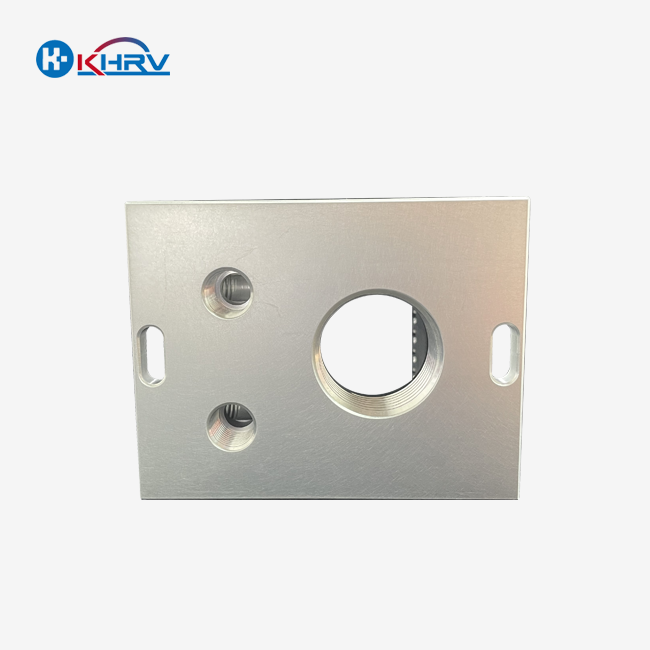
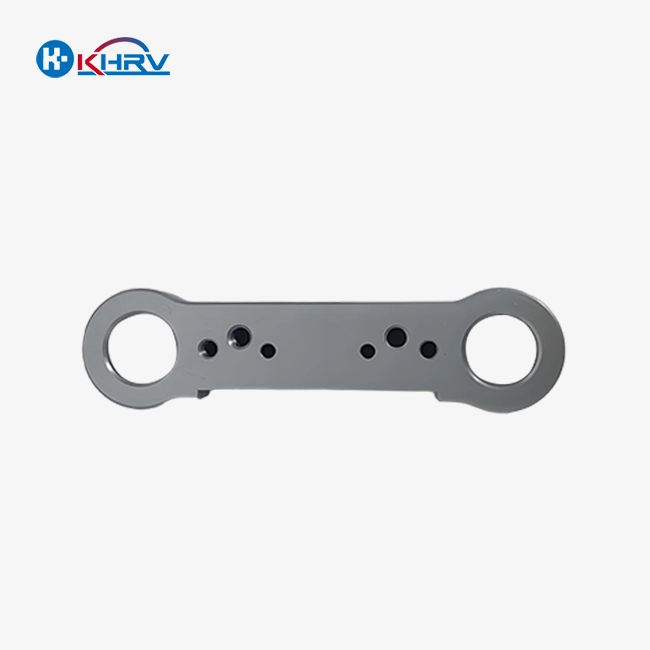
A 7075 aircraft aluminum base is a custom CNC-machined structural part from 7075-T6 aluminum alloy, commonly used as mounting and load-bearing foundations on aerospace auxiliary hardware, automation frames and precision testing devices. The alloy’s high tensile strength, low density and solid fatigue resistance make it ideal for high-load base structures. Those same material traits, however, raise the bar for every CNC operation. Traditional production setups tend to swap coolant frequently, dispose of wastewater without treatment, and leave scrap handling unregulated. The result: uneven surface finishes, drifting dimensions, and avoidable material waste.
Our standardized green machining solves these real-world pain points with two process-focused solutions:
- Compliant waste coolant disposal: We partner with a licensed waste management company to collect and properly treat spent cutting fluid on a scheduled basis. This ensures full regulatory compliance and eliminates improper discharge risks, keeping our machining operations environmentally responsible.
- Proper aluminum scrap collection: Chips and profiling remnants from 7075 machining are sorted at source, stored in a dedicated containment area for drainage, and collected by licensed metal recyclers. This keeps high-value alloy material out of landfill and supports responsible material recovery.
- This approach upgrades production workflows rather than redesigning the part itself. It delivers reliable flatness and hole positioning, lowers overall production expense, and satisfies the environmental documentation exporters need.
Key Applications and Manufacturing Advantages of 7075 Aircraft Aluminum Base
Closed-loop coolant and scrap recycling deliver tangible quality and cost gains across real customer projects.
1. Aerospace Auxiliary Equipment — Precision Mounting Base for Actuator Systems One aerospace test rig manufacturer needed 7075-T6 aluminum bases to mount actuators, with tight tolerances on hole placement and flatness. The components had to hold their shape through repeated thermal cycling. Wuxi Kaihan machined these bases on 3-axis and 4-axis CNC machining centers using tiered tolerancing. Key positioning holes held ±0.01mm positional accuracy, critical functional surfaces maintained strict flatness standards, and all non-critical features followed standard industrial tolerances.Scheduled coolant maintenance minimized thermal deformation, while scrap recovery cut material waste. We shipped the batch of 200 units in 15 working days with complete material certifications. The customer calculated a 35% per-unit cost reduction versus their prior supplier and passed their sustainability audit with zero non-conformances.
2. Automated Machinery — High-Load Base Plate for Precision Testing Equipment A maker of automated inspection systems required 7075 aluminum base plates with reliable flatness and parallelism. The plates needed to resist vibration and retain alignment during continuous operation. We ran these plates on 4-axis CNC equipment, holding key hole positions to ±0.01mm and critical mating surfaces to strict flatness standards. Regular coolant replacement prevented bacterial buildup and fluid breakdown, keeping surface finish consistent across the whole order. Pre-production sample approval wrapped in 4 working days, we shipped the full 300-piece batch within 16 working days. The customer cut component costs by 30% and recorded zero batch rejections.
The consistent results speak for themselves:
- Tiered precision targets ±0.01mm positional accuracy and strict flatness standards only where functionally required, applying standard industrial tolerances elsewhere.
- Total costs run 30–40% lower than conventional machine shops, thanks to efficient coolant management, scrap recovery and optimized cutting paths.
- Lead times sit between 10 and 20 working days, supported by pre-production sampling and full batch documentation.
Best Practices for Implementing Sustainable 7075 Aircraft Aluminum Base in Your Supply Chain
For procurement and engineering teams balancing precision, budget and environmental audit requirements, these checks help de-risk supplier selection:
Audit compliant coolant disposal procedures: Confirm your supplier operates a site-wide centralized coolant circulation system with fine filtration and no bulk wastewater release. Ask for operational logs if you need records for EU sustainability audits.
Confirm proper scrap collection and handling: Look for controlled collection and professional reprocessing of aerospace-grade aluminum chips. Traceability from machining scrap back to recycled ingots supports sustainability reporting and proves material is not simply discarded.
Validate tiered precision logic: Require ±0.01mm positional accuracy for key holes and strict flatness standards on critical surfaces, with non-critical areas built to standard industrial tolerances. This practical tolerance scheme aligns with 3-axis/4-axis CNC , avoiding unnecessary ultra-precision cost premiums for mid-range industrial applications.
Review ISO 9001:2015 and RoHS documentation, plus green process records: Prioritize suppliers with active ISO 9001:2015 and RoHS compliance, alongside batch inspection reports and records of sustainable shop-floor practices.
Conclusion
Well-made 7075 Aircraft Aluminum Base parts come from two things: proven CNC machining skill and disciplined, process-focused green manufacturing. Wuxi Kaihan’s dual sustainability setup — compliant waste coolant disposal plus proper aluminum scrap collection — stabilizes machining accuracy, removes environmental compliance risks, and pulls down total production cost. Our tiered tolerance strategy and dependable 3-axis and 4-axis CNC equipment produce audit-ready, cost-effective components built for mid-tier industrial markets worldwide. When both material performance and environmental accountability factor into your component specs, sourcing sustainably machined 7075 Aircraft Aluminum Base creates a practical path toward more stable long-term supply chains.
FAQ
1. What is a 7075 Aircraft Aluminum Base and what are its main applications? A 7075 aircraft aluminum base is a custom CNC-machined structural part manufactured from 7075-T6 alloy. It acts as mounting and load-bearing hardware for aerospace auxiliary systems, automated machinery and precision testing equipment, leveraging high strength, low weight and good fatigue resistance.
2. How does proper coolant management improve the quality of a 7075 Aircraft Aluminum Base?We follow a scheduled coolant maintenance and replacement program, with spent fluid collected by a licensed waste management partner. This keeps machining temperatures consistent and surface quality predictable across production batches while meeting environmental regulations.
3. What cost advantages do sustainable processes bring to 7075 Aircraft Aluminum Base procurement?Proper waste management and scrap handling reduce spending on fresh coolant, wastewater treatment and raw material losses. Overall procurement costs typically land 30–40% below traditional machine shops, without sacrificing required precision or environmental compliance.
4. What precision standards can Wuxi Kaihan achieve on a 7075 Aircraft Aluminum Base? We use tiered tolerancing suited to mid-range industrial work. Key positioning holes hit ±0.01mm accuracy, critical functional flat surfaces reach strict flatness standards, and non-critical surfaces follow standard industrial tolerances. This balances machining difficulty, part quality and total cost.
Partner with KHRV for Sustainable 7075 Aircraft Aluminum Base Solutions | KHRV
If you’re sourcing cost-effective, audit-ready 7075 Aircraft Aluminum Base components for aerospace auxiliary hardware, automation machinery or precision test equipment, Wuxi Kaihan Technology Co., Ltd. delivers practical sustainable CNC machining backed by ompliant waste coolant disposal and proper aluminum scrap collection. Our ISO 9001:2015 certified workshop runs 3-axis and 4-axis CNC machining centers, enforces tiered precision controls and maintains complete quality and environmental documentation, with surface treatment (including anodizing) coordinated through accredited external suppliers. We hold steady lead times of 10–20 working days and offer total costs 30–40% lower than high-end ultra-precision suppliers.
Reach our engineering team at service@kaihancnc.com to discuss custom designs, review green manufacturing workflows or request a targeted quotation.
References
Jeske, D. (2025). Intelligent Coolant Management and Closed-Loop Recycling Technology for Precision CNC Machining. Industrial Fluid Management Journal, 52(3), 98–112.
Zhang, W., & Roberts, D. M. (2024). Sustainable Manufacturing Optimization for Aerospace Grade Aluminum Alloy Machining. Advanced Manufacturing Processes, 38(6), 201–215.
Liu, L., & Xie, D. J. (2026). Zero-Discharge Waste Fluid Treatment and Material Recycling System for CNC Workshop. Manufacturing Technology & Machine Tool, 11(2), 45–53.
Prab, M. (2025). Cost-Benefit Analysis of Closed-Loop Coolant Circulation in High-Precision Aluminum Machining. Sustainable Industrial Production Review, 21(4), 132–146.
Rodriguez, C. F., & Lee, J. H. (2024). ISO 9001 Standardized Green Process Control for Custom Precision Alloy Components. Global Manufacturing Compliance Journal, 32(5), 78–92.
Brown, A. P. (2025). Material Waste Reduction Strategies for Aerospace Aluminum CNC Mass Production. Green Manufacturing Practices, 19(3), 189–202.
Learn about our latest products and discounts through SMS or email