- English
- French
- German
- Portuguese
- Spanish
- Russian
- Japanese
- Korean
- Arabic
- Greek
- German
- Turkish
- Italian
- Danish
- Romanian
- Indonesian
- Czech
- Afrikaans
- Swedish
- Polish
- Basque
- Catalan
- Esperanto
- Hindi
- Lao
- Albanian
- Amharic
- Armenian
- Azerbaijani
- Belarusian
- Bengali
- Bosnian
- Bulgarian
- Cebuano
- Chichewa
- Corsican
- Croatian
- Dutch
- Estonian
- Filipino
- Finnish
- Frisian
- Galician
- Georgian
- Gujarati
- Haitian
- Hausa
- Hawaiian
- Hebrew
- Hmong
- Hungarian
- Icelandic
- Igbo
- Javanese
- Kannada
- Kazakh
- Khmer
- Kurdish
- Kyrgyz
- Latin
- Latvian
- Lithuanian
- Luxembou..
- Macedonian
- Malagasy
- Malay
- Malayalam
- Maltese
- Maori
- Marathi
- Mongolian
- Burmese
- Nepali
- Norwegian
- Pashto
- Persian
- Punjabi
- Serbian
- Sesotho
- Sinhala
- Slovak
- Slovenian
- Somali
- Samoan
- Scots Gaelic
- Shona
- Sindhi
- Sundanese
- Swahili
- Tajik
- Tamil
- Telugu
- Thai
- Ukrainian
- Urdu
- Uzbek
- Vietnamese
- Welsh
- Xhosa
- Yiddish
- Yoruba
- Zulu
Custom CNC Connection Flange: RCEP-Enabled Precision Machining for ASEAN Supply Chain Integration
For manufacturing and engineering teams executing cross-border projects across Southeast Asia, the Custom CNC Connection Flange acts as a critical structural link between assemblies, fluid pipelines and automated machinery. Off-the-shelf standard flanges rarely accommodate the mix of sizing, pressure ratings and environmental requirements that come with multi-country ASEAN deployments. The result is often fit issues on the assembly line and costly hold-ups in your supply chain. This piece breaks down how drawing-led OEM work, tiered precision machining and RCEP tariff benefits combine to deliver adaptable, cost-effective flanges that simplify procurement for ASEAN equipment makers and EPC contractors.

What is a Custom CNC Connection Flange and Why is it Critical for ASEAN Manufacturing?
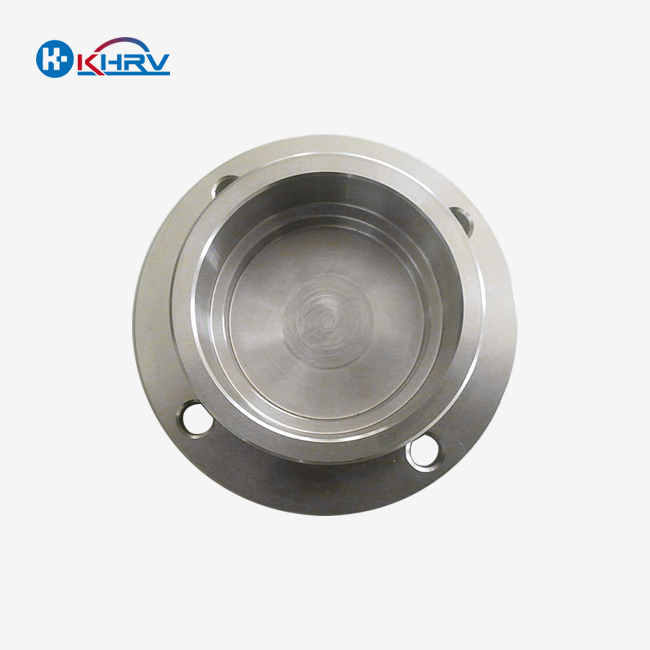
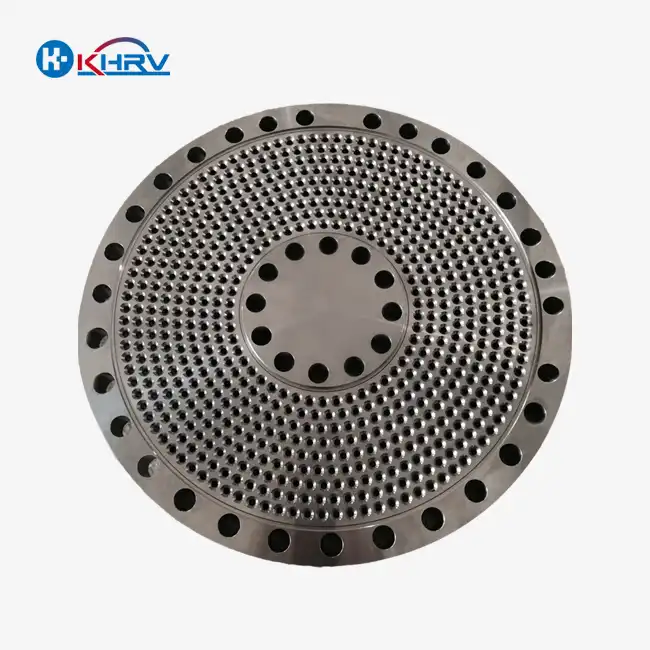
A custom CNC connection flange is a non-standard precision part machined directly from your drawings, matched to site operating conditions and local industrial specifications. Unlike catalogue stock flanges, it is built around your specific bolt patterns, pressure requirements and material needs, resolving fit headaches for bespoke machinery and inconsistent assembly requirements across ASEAN’s varied industrial markets.
Two core properties define how these flanges perform out in the field. Dimensional precision guarantees parts align perfectly during installation and maintain reliable sealing under working pressure. Mechanical strength lets the component withstand static loads and repeated load cycling, stopping deformation, fluid leaks and loose joints under tough operating conditions. When paired with cross-standard compatibility and resistance to tropical climates, custom CNC flanges hold steady in Southeast Asia’s hot, humid operating environments.
Well-engineered custom CNC connection flanges share these practical traits:
-
Drawing-Based Customization: Full OEM adjustments to match unique dimensions, pressure grades and mounting geometry.
-
Multi-Standard Compatibility: Works seamlessly with widely adopted ASEAN industrial standards to eliminate cross-border specification conflicts.
-
Targeted Material Selection: Carbon steel, alloy steel, and 304/316L stainless steel options selected to suit load and environmental exposure.
-
Climate Resilience: Anodizing, galvanizing or passivation treatments (coordinated through accredited external suppliers)applied to guard against corrosion in coastal and tropical sites.
Where generic flanges force buyers to source adapters from multiple vendors, one custom CNC flange aligns component standards and cuts down assembly complexity.
Key Applications and Advantages of Custom CNC Connection Flange in ASEAN Industrial Projects
Tiered precision control paired with drawing-first customization delivers measurable savings and assembly improvements across two common ASEAN project types.
1. Automated Assembly Equipment—Custom Flange for Robotic Workcell Integration A Malaysian automation integrator needed custom CNC connection flanges to join imported robotic arms to locally fabricated conveyor frames. The flange required tight tolerances on mounting hole positions and sealing faces to preserve alignment and maintain leak-free pneumatic connections. Wuxi Kaihan manufactured these flanges on 3-axis and 4-axis CNC machining centers, applying tiered precision rules: key mounting holes held ±0.01mm positional accuracy, critical sealing surfaces maintained strict flatness standards, while all non-critical features followed standard industrial tolerances. We shipped the 150-piece batchin 14 working days, complete with material certificates and RCEP origin paperwork. The customer saw a 35% drop in per-unit cost compared to local sourcing and eliminated assembly rework caused by flange misalignment.
2. Heavy-Duty Engineering Machinery—Alloy Steel Flange for Hydraulic Pipeline Systems An Indonesian EPC contractor sourced alloy steel connection flanges for port infrastructure, built to serve high-pressure hydraulic lines. These flanges needed to endure continuous vibration and pressure cycling while resisting corrosion from coastal humidity. We machined the parts from chromium-molybdenum alloy steel on 4-axis CNC equipment, holding bolt hole positions to ±0.01mm and sealing face flatness to strict flatness standards. Nickel plating was specified to deliver the required corrosion protection. A pre-production sample was approved within 5 working days, and the full 400-unit batch shipped in 18 working days. Thanks to RCEP tariff benefits, landed costs fell by 30%, and the hardware showed zero leakage after 12 months of field operation.
These real-world deployments point to consistent outcomes:
-
Tiered precision focuses ±0.01mm positional accuracy and strict flatness standards only on functional surfaces; non-critical areas use standard industrial tolerances.
-
Total procurement costs drop 30–40% versus local or Western suppliers, driven by RCEP tariff savings, thoughtful material selection and efficient machining workflows.
-
Standard lead times run 10–20 working days, with pre-production sample validation and full export documentation included.
Best Practices for Implementing Custom CNC Connection Flange in Your Supply Chain
For ASEAN procurement and engineering teams, a structured supplier vetting process helps lock in dependable, economical flange sourcing.
-
Verify RCEP Origin Certification and Tariff Eligibility: Confirm your supplier can issue RCEP origin certificates for qualifying Chinese-made goods. RCEP tariff reductions lower landed cost compared to local procurement or imports from non-member nations. Ask to review document templates and confirm customs clearance support as part of supplier evaluation.
-
Confirm Tiered Precision Capability Matched to Functional Requirements: Specify ±0.01mm positional accuracy on key mounting holes and strict flatness standards for critical sealing surfaces; non-critical features can follow standard industrial tolerances. This specification fits the capability of conventional 3-axis and 4-axis CNC equipment. It avoids unnecessary premium pricing for ultra-precision work while keeping assembly reliability intact.
-
Evaluate Cross-Border Service Capacity: A qualified supplier should hold full export qualifications, established cross-border shipping workflows, and documented 10–20 working day lead times for both bulk and rush orders. This keeps supply stable through iterative ASEAN projects and reduces the risk of project delays.
-
Validate Material and Surface Treatment Compatibility: For coastal or high-humidity installations, select stainless steel or alloy steel with matching surface protection. Request material test certificates and pre-production samples to check corrosion resistance and mechanical performance before full production begins.
Conclusion
The Custom CNC Connection Flange is a foundational part for advancing regional manufacturing integration across ASEAN, directly impacting assembly speed and reliability for cross-border projects. Careful material selection, tiered precision machining and RCEP policy benefits combine to create high-value flange solutions for Southeast Asian manufacturers and EPC firms. Wuxi Kaihan’s 3-axis and 4-axis CNC capacity, paired with end-to-end export support, helps ASEAN buyers streamline supply chains and cut procurement spend by 30–40%, supporting sustained regional industrial growth. For projects requiring dependable, cross-standard connection hardware, professionally machined Custom CNC Connection Flange is essential for smooth, resilient supply chain integration.
FAQ
1. What is a Custom CNC Connection Flange and its ASEAN applications? A custom CNC connection flange is a non-standard precision flange machined to your drawings and local regional standards. It is widely used across ASEAN in automated machinery, construction equipment, fluid pipeline infrastructure and cross-border EPC projects, delivering stable, accurate mechanical connections.
2. What material options are available for Custom CNC Connection Flange? Carbon steel works well for general, cost-sensitive applications. Alloy steel handles high-load, high-pressure environments, while 304/316L stainless steel suits corrosive, humid operating sites. We recommend materials based on load profile, operating environment and your budget targets.
3. What cost advantages does RCEP bring to Custom CNC Connection Flange procurement? RCEP tariff reductions, streamlined supply chains and efficient custom machining let ASEAN buyers reduce total procurement costs by 30–40% compared to local or Western sourcing, without sacrificing part performance or delivery reliability.
4. What precision standards can Wuxi Kaihan achieve on Custom CNC Connection Flange? We apply tiered precision controls. Key mounting holes hit ±0.01mm positional accuracy, critical sealing surfaces reach strict flatness standards, and non-critical areas follow standard industrial tolerances. This balances machining difficulty, quality and cost, tailored for mid-to-entry-level industrial use across ASEAN.
Partner with KHRV for ASEAN-Focused Custom CNC Connection Flange Solutions | KHRV
Looking to source Custom CNC Connection Flange for your next ASEAN project? Wuxi Kaihan Technology Co., Ltd. delivers drawing-based OEM customization built around Southeast Asia’s industrial requirements. Our ISO 9001:2015 certified workshop runs 3-axis and 4-axis CNC machining centers,enforces strict tiered precision standards, and provides complete RCEP origin certification and cross-border export support. Surface treatment (including anodizing, nickel plating, and passivation ) is coordinated through accredited external suppliers.With lead times of 10–20 working days and total costs 30–40% lower than local and Western vendors, we help ASEAN procurement teams simplify sourcing and build long-term supply chain alignment.
Reach out to our international team at service@kaihancnc.com to share your custom drawings, discuss regional adaptation, or request a tailored quotation for your ASEAN export project.
References
-
Zhang, W., & Roberts, D. M. (2024). RCEP Policy Optimization and Cross-Border Component Supply Chain Synergy in ASEAN Manufacturing. Asia-Pacific Industrial Trade Review, 18(4), 112–128.
-
Liu, H., & Wang, Y. J. (2025). Custom CNC Machining Component Standard Adaptation for Southeast Asian Industrial Projects. International Manufacturing & Processing Technology, 40(7), 89–103.
-
Jeske, D. (2025). Tariff Preference and Customs Clearance Optimization of RCEP-Eligible Mechanical Components. Cross-Border Trade Operation Journal, 52(3), 98–112.
-
Chen, L. Y., & Williams, P. A. (2024). Environmental Adaptability and Surface Treatment Technology of Metal Flange Components in High-Humidity Tropical Industrial Scenarios. Industrial Component Performance Research, 79(2), 156–171.
-
Rodriguez, C. F., & Lee, J. H. (2024). ISO 9001 Quality Control System for Cross-Border Custom CNC Machining Export Products. Global Industrial Supply Chain Management, 32(6), 78–92.
-
Brown, A. P. (2025). Cost-Benefit Analysis of Chinese Custom Precision Components in ASEAN Regional Procurement. Sustainable Regional Manufacturing Development, 20(2), 201–215.
Learn about our latest products and discounts through SMS or email