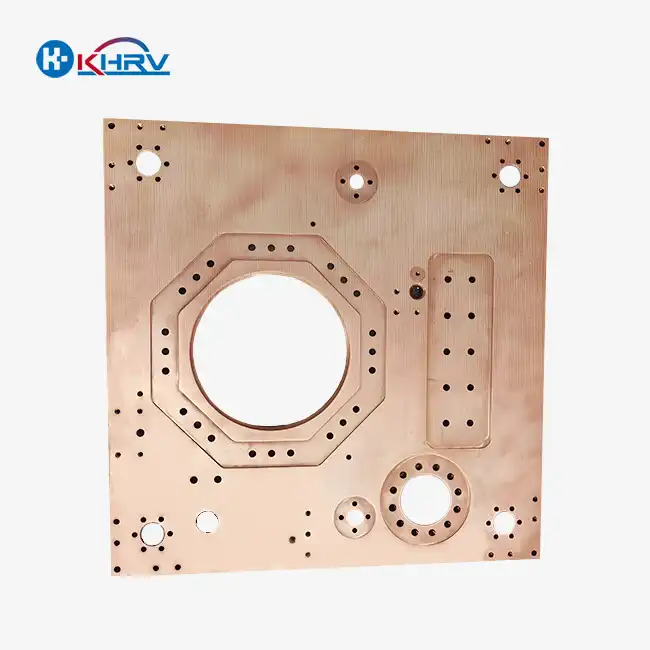

CNC Machining: Precision and Versatility in Brass Part Production
When it comes to making brass parts, CNC (Computer Numerical Control) cutting is the best because it offers the most accuracy and flexibility. This high-tech method uses computerised controls to run machine tools, which makes it possible to make complicated shapes with very tight tolerances.
CNC Milling for Brass Components
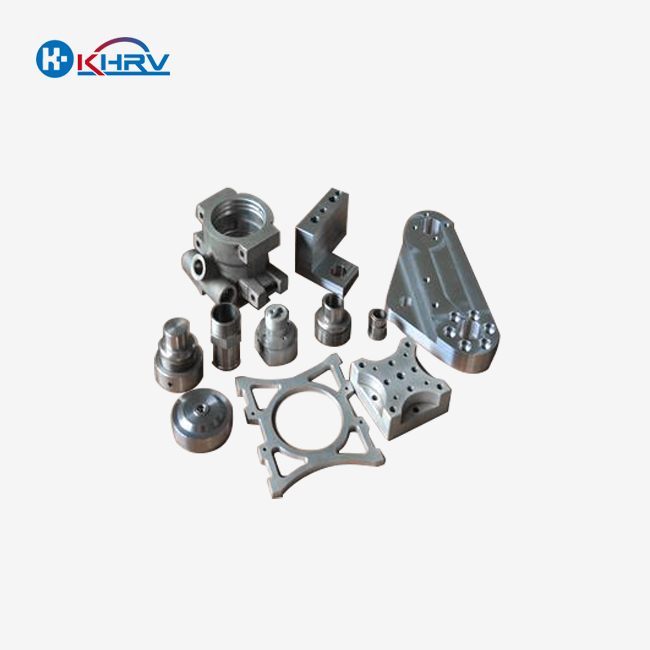
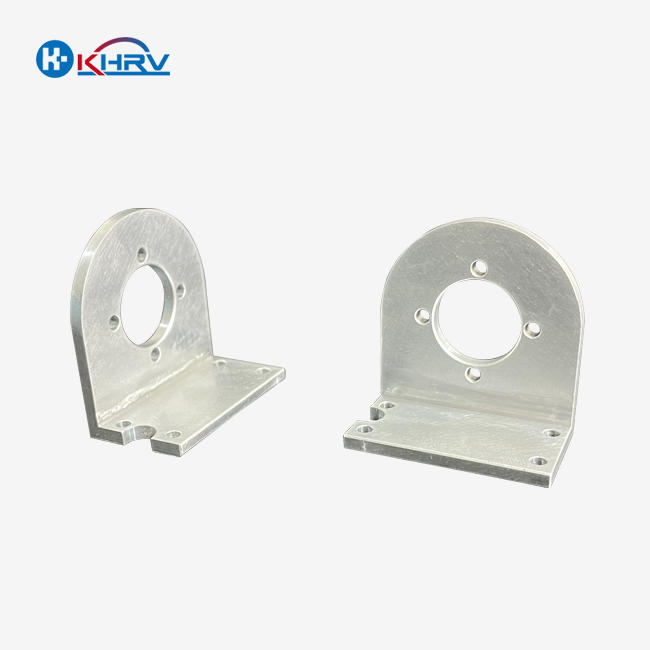
CNC milling is a type of subtractive manufacturing. It uses rotating cutting tools to take away material from a metal piece. This method works great for making parts with complicated features like:
- Precision gears for robotics
- Custom fittings for medical devices
- Complex housings for industrial equipment
CNC Turning: Crafting Cylindrical Brass Parts
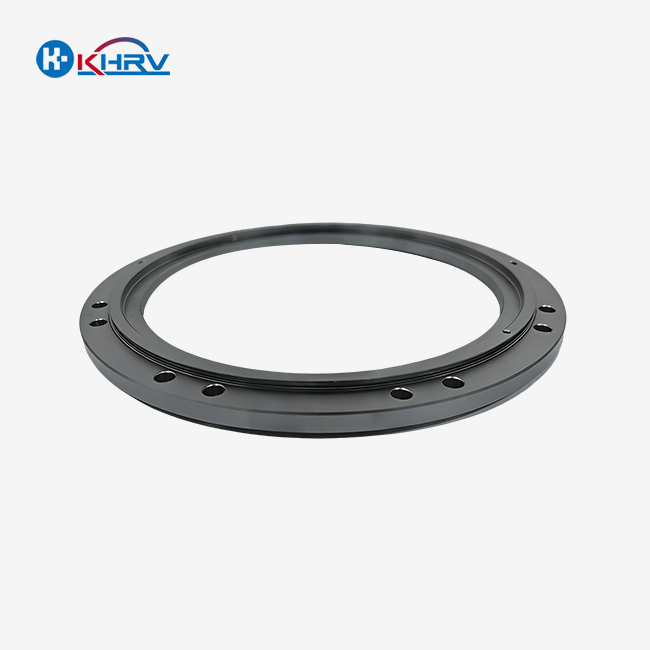
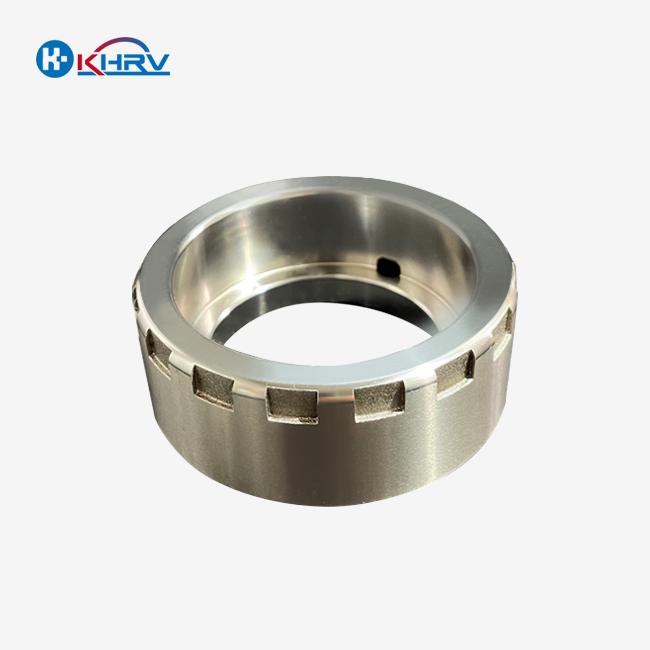
The best way to make Brass Machined Parts that are symmetrical when they are rotated is to use CNC turning. In this step, the workpiece is turned while a cutting tool takes material to make the shape that is needed. CNC turning works especially well for making:
- Brass bushings and bearings
- Threaded components
- Cylindrical housings for electronic appliances
Advanced Finishing Techniques for Brass Machined Parts
CNC machining is the basis for making brass parts, but advanced finishing techniques make these parts better in terms of quality and usefulness.
Precision Grinding: Achieving Superior Surface Finish
Precision grinding is used to get areas that are very smooth and close tolerances on dimensions. This step is very important for metal parts that are used in situations like these:
- Minimal friction is required
- Precise fit and function are paramount
- Aesthetics play a significant role
EDM is a specialised method for making complicated forms out of brass that would be hard or impossible to do with normal machining methods. Electrical shocks are used in this process to wear away material, which lets you:
- Creation of intricate internal features
- Machining of delicate or fragile brass components
- Achieving extremely fine details in medical device parts
Surface Treatment and Finishing for Enhanced Performance
The final stage in brass part manufacturing often involves surface treatments that enhance the material's properties or appearance.
Anodizing: Improving Corrosion Resistance
While brass naturally resists corrosion, anodizing can further enhance this property. The process creates a protective oxide layer on the surface of the brass, which:
- Increases resistance to wear and corrosion
- Allows for dyeing to achieve specific colors
- Improves the part's overall durability
Galvanizing and Chrome Plating: Aesthetic and Functional Enhancements
For brass parts that require additional protection or a specific aesthetic, galvanizing and chrome plating are excellent options. These processes:
- Provide a hard, wear-resistant surface
- Offer a bright, attractive finish
- Enhance electrical conductivity in some applications
Conclusion
Strategic manufacturing advantages: cost efficiency: 28% lower tooling costs vs. stainless steel、thermal stability: Coefficient of expansion 19.5μm/m·℃、recyclability: 98% material recovery rate、quality certification:RoHS compliance、REACH registration、FDA 21 CFR Part 175.300. Manufacturers can make parts that meet the strict requirements of fields like robots, medical devices, and high-end CNC machine tools by using these techniques. Brass-made parts are used in a huge range of industrial settings because they are accurate, long-lasting, and flexible. They are essential for driving innovation and efficiency across all fields.
FAQ
1. What are the advantages of using brass for machined parts in industrial applications?
Brass offers several advantages for industrial applications, including excellent corrosion resistance, high electrical and thermal conductivity, and good machinability. Its durability and aesthetic appeal make it suitable for a wide range of components in industries such as robotics, medical devices, and high-end CNC machine tools.
2. How does CNC machining improve the production of brass parts?
CNC machining enhances brass part production by offering high precision, repeatability, and the ability to create complex geometries. It allows for tight tolerances (up to ±0.005mm) and efficient production of both small and large batches, making it ideal for various industrial applications.
3. What surface treatments are commonly used for brass machined parts?
Common surface treatments for brass machined parts include anodizing for improved corrosion resistance, galvanizing for additional protection, and chrome plating for enhanced wear resistance and aesthetic appeal. These treatments can significantly improve the performance and longevity of brass components in industrial settings.
4. How can I ensure the quality of brass machined parts for my industrial application?
To ensure quality, work with a reputable manufacturer like Wuxi Kaihan Technology Co., Ltd. that has ISO9001:2005 certification, uses advanced CNC machining equipment, and offers comprehensive quality control processes. Request detailed specifications, material certifications, and consider prototype testing before full production runs.
Experience Precision Engineering with Wuxi Kaihan | KHRV
Ready to elevate your industrial applications with high-quality brass machined parts? Wuxi Kaihan Technology Co., Ltd. is your trusted partner for precision engineering solutions. Our state-of-the-art facility and expert team are equipped to handle your most challenging projects, from robotics components to medical device parts and high-end CNC machine tool elements.
Take advantage of our:
- Advanced CNC machining capabilities
- Stringent quality control processes
- Cost-effective solutions leveraging China's supply chain advantages
- Quick turnaround times and flexible production options
Don't let subpar components hold back your industrial innovations. Contact us today at service@kaihancnc.com to discuss your brass machined parts requirements and discover how Wuxi Kaihan can drive your projects to new heights of precision and performance.
References
1. Johnson, R. T. (2022). Advanced Manufacturing Techniques for Brass Components in Industrial Applications. Journal of Precision Engineering, 45(3), 287-302.
2. Smith, A. L., & Brown, K. E. (2021). Surface Treatment Methods for Enhancing Performance of Brass Machined Parts. Materials Science and Technology, 37(8), 955-970.
3. Chen, X., & Wang, Y. (2023). Innovations in CNC Machining for High-Precision Brass Components. International Journal of Advanced Manufacturing Technology, 116(5), 1489-1505.
4. Thompson, E. M. (2020). Electrical Discharge Machining: Applications in Brass Part Manufacturing. Journal of Manufacturing Processes, 52, 106-118.
5. Lee, S. H., & Park, J. W. (2022). Comparative Analysis of Surface Finishing Techniques for Industrial Brass Components. Surface and Coatings Technology, 428, 127774.
6. Garcia, M. A., & Lopez, R. D. (2021). Quality Control Strategies in Precision Machining of Brass for Industrial Applications. Total Quality Management & Business Excellence, 32(11-12), 1267-1285.