How Does Titanium 6Al-4V Compare to Inconel 718 in CNC Machining?
When it comes to CNC machining, the differences between Titanium 6Al-4V and Inconel 718 are substantial. These disparities significantly influence machining strategies, tool selection, and overall production efficiency.
Machinability and Cutting Forces
Titanium 6Al-4V, whereas still considered a difficult-to-machine fabric, is, for the most part, more forgiving than Inconel 718. Its lower quality and way better thermal conductivity result in decreased cutting powers and a warm area amid machining. This permits higher cutting speeds and nourish rates compared to Inconel 718, possibly leading to expanded productivity.
Conversely, Inconel 718 is infamous for its destitute machinability. Its tall quality, work-hardening characteristics, and moo warm conductivity pose critical challenges. The material's propensity to work harden during machining can lead to fast device wear and disintegration of surface coating. Also, the tall cutting strengths produced when machining Inconel 718 require vigorous machine devices and fixturing to keep up steadiness and precision.
Tool Wear and Tool Life
Tool wear is a basic thought when machining both combinations, but the instruments and rates contrast. Titanium 6Al-4V is known for its chemical reactivity at lifted temperatures, which can lead to fast device wear if not appropriately overseen. In any case, with suitable cooling techniques and instrument coatings, sensible apparatus life can be achieved.
Inconel 718 presents a more serious challenge in terms of apparatus wear. The combination of tall quality, work solidifying, and destitute warm conductivity leads to extraordinary temperatures at the cutting edge. This comes about in quickened apparatus wear, especially indent wear and cavity wear. Subsequently, instrument life when machining Inconel 718 is frequently altogether shorter than when machining Titanium 6Al-4V, requiring more visit instrument changes and possibly increasing production costs.
Surface Integrity and Finish
Achieving and keeping up great surface astuteness is vital in aviation applications. Titanium 6Al-4V, when machined with legitimate parameters, can abdicate great surface wraps up with relative ease. Its lower quality and way better warm properties contribute to decreased remaining stresses and surface defects.
Inconel 718 poses more prominent challenges in accomplishing ideal surface keenness when compared with aerospace superalloys. The material's work-hardening inclination can lead to a solidified layer on the machined surface, possibly influencing fatigue life and other basic properties. Besides, the tall cutting temperatures can initiate warm harm to the workpiece surface. Accomplishing the required surface wrap-up regularly requires numerous passes or ensuing wrapping-up operations, affecting in overall generation efficiency.
Cutting Speeds, Tooling, and Heat Management for Titanium 6Al-4V
Successful machining of Titanium 6Al-4V requires a delicate balance of cutting parameters, appropriate tooling selection, and effective heat management strategies. Understanding and optimizing these factors is key to achieving high-quality components while maintaining production efficiency.
Optimal Cutting Speeds and Feed Rates
When machining Titanium 6Al-4V, cutting speeds regularly extend from 30 to 60 meters per diminutive for carbide instruments, altogether lower than those utilized for more ordinary combinations. This decreased speed makes a difference in relieving intertemporal warm era and device wear. Bolster rates, be that as it may, can be generally tall, frequently in the extend of 0.15 to 0.25 mm per insurgency for roughing operations. These parameters permit effective fabric expulsion while overseeing the warm stack on the cutting tool.
It's vital to note that these parameters can change based on the particular machining operation, apparatus geometry, and cooling methodology utilized. Wrapping up operations, for instance, may utilize higher speeds and lower bolster rates to accomplish the required surface wrap-up and dimensional accuracy.
Tooling Selection and Geometry
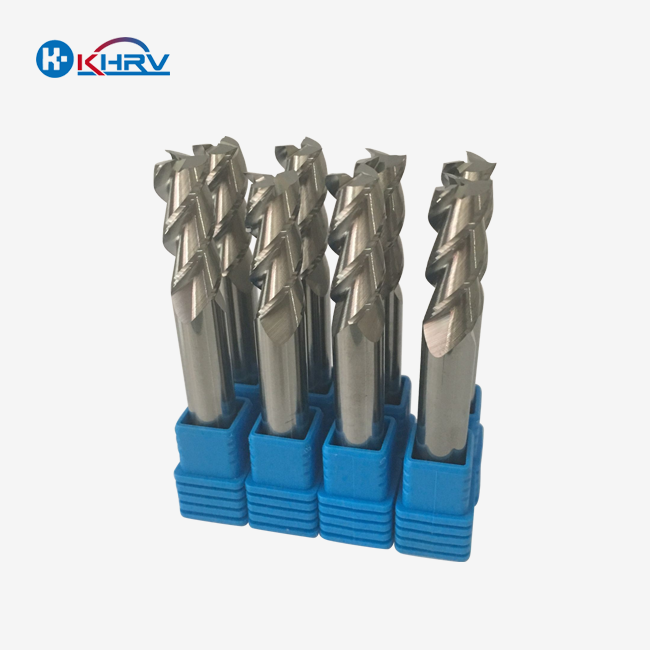
Selecting the right cutting apparatuses is foremost when machining Titanium 6Al-4V. Carbide devices are commonly utilized due to their hardness and wear resistance. Coated carbide apparatuses, especially those with TiAlN or AlTiN coatings, can give improved execution by decreasing contact and moving forward warm resistance.
Tool geometry plays a basic part in chip arrangement and warm dissemination. Sharp cutting edges are fundamental to minimize work hardening and decrease cutting strengths. Positive rake points offer assistance to diminish cutting powers and progress chip clearing. Moreover, apparatuses with bigger cross-sections can offer assistance in disseminating warm more effectively, prolonging device life.
Effective Heat Management Strategies
Managing the warm era is pivotal when machining Titanium 6Al-4V. The material's moo warm conductivity implies that a critical portion of the warm generated during cutting remains in the cutting zone, possibly leading to quick tool wear and workpiece warm damage.
High-pressure coolant conveyance is exceedingly compelling in overseeing warm and moving forward chip departure. Coolant weights of 1000 PSI or higher can enter the cutting zone more effectively, providing prevalent cooling and lubrication. A few progressed machining centers indeed utilize cryogenic cooling frameworks, utilizing fluid nitrogen to significantly diminish cutting temperatures.
Implementing suitable machining procedures can also help in warm administration. Methods such as trochoidal processing or energetic processing can offer assistance to keep up steady chip loads and avoid warm buildup. Furthermore, programming apparatus ways to dodge prolonged engagement with the workpiece can offer assistance in overseeing warm generation and prolong the instrument's life.
Titanium 6Al-4V Applications in Aerospace Lightweighting
Titanium 6Al-4V has become an indispensable material in the aerospace industry, particularly in the pursuit of lightweight yet robust structures. Its unique combination of high strength-to-weight ratio, excellent corrosion resistance, and biocompatibility has led to its widespread adoption in various critical aerospace components.
Structural Components and Airframes
One of the essential applications of Titanium 6Al-4V in aviation is in auxiliary components and airframes. Its tall strength-to-weight proportion permits for critical weight lessening compared to conventional materials like steel or aluminum combinations. This weight-saving translates specifically into improved fuel efficiency and expanded payload capacity for aircraft.
Specific applications include:
- Wing structures and wing boxes
- Fuselage frames and longerons
- Bulkheads and pressure vessels
- Fasteners and bolts for critical joint assemblies
The material's great weariness resistance and break-engendering properties make it especially appropriate for these high-stress, consistently stacked components. Besides, its compatibility with composite materials has led to expanded utilization in half breed metal-composite structures, encouraging progressing aviation lightweighting efforts.
Landing Gear Components
Landing equipment frameworks are another range where Titanium 6Al-4V exceeds expectations. The material's tall quality, amazing weakness resistance, and erosion resistance make it perfect for these basic components that must withstand extraordinary loads and unforgiving natural conditions.
Titanium 6Al-4V is commonly used in:
- Main landing gear beams and struts
- Drag braces and side braces
- Axles and torque links
- Hydraulic actuator components
The use of Titanium 6Al-4V in these components not only reduces overall aircraft weight but also enhances reliability and longevity, crucial factors in aerospace applications.
Engine Components
While Inconel 718 dominates in high-temperature engine applications, Titanium 6Al-4V finds significant use in the cooler sections of jet engines. Its strength-to-weight ratio and thermal properties make it an excellent choice for components that don't experience extreme temperatures but require high strength and low weight.
Common engine applications include:
- Fan blades and fan cases
- Compressor blades and discs (in the cooler stages)
- Hydraulic and fuel system components
- Various brackets and support structures
The use of Titanium 6Al-4V in these components contributes to overall engine efficiency by reducing rotating and non-rotating mass, thereby improving thrust-to-weight ratios and fuel efficiency.
Emerging Applications in Additive Manufacturing
The advent of additive manufacturing technologies, including Machining Challenges Inconel 718, has opened new avenues for Titanium 6Al-4V in aerospace applications. 3D printing allows for the creation of complex geometries that were previously impossible or impractical to manufacture using traditional methods. This capability enables further weight reduction and performance optimization.
Emerging applications in additive manufacturing include:
- Topology-optimized structural components
- Integrated cooling channels in engine components
- Custom, lightweight brackets and fittings
- Prototyping and rapid manufacturing of complex parts
As additive manufacturing technologies continue to mature, the use of Titanium 6Al-4V in these applications is expected to grow, further advancing aerospace lightweighting efforts.
Conclusion
The comparison between Titanium 6Al-4V and Inconel 718 uncovers the complex adjustment of fabric properties and machining challenges in aviation fabricating. Whereas Inconel 718 exceeds expectations in high-temperature applications, Titanium 6Al-4V's prevalent strength-to-weight ratio makes it irreplaceable for lightweight auxiliary components. Acing the machining methods for these aerospace superalloys is pivotal for accomplishing ideal execution and productivity in component production.
For producers and engineers in the aviation industry, joining forces with experienced accuracy machining suppliers is key to exploring the complexities of working with these materials. Wuxi Kaihan Technology Co., Ltd. offers skills in machining both Titanium 6Al-4V and Inconel 718, giving high-precision components for aviation applications. With our progressed CNC apparatus, thorough quality control, and cost-effective arrangements, we can offer assistance you optimize your aviation manufacturing processes.
FAQ
1. What are the key differences between Titanium 6Al-4V and Inconel 718?
Titanium 6Al-4V offers a superior strength-to-weight ratio and is easier to machine, making it ideal for lightweight structural components. Inconel 718 excels in high-temperature applications due to its superior strength and creep resistance at elevated temperatures, but it's more challenging to machine.
2. How do cutting speeds differ when machining Titanium 6Al-4V compared to Inconel 718?
Titanium 6Al-4V can generally be machined at higher cutting speeds compared to Inconel 718. Typical cutting speeds for Titanium 6Al-4V range from 30 to 60 meters per minute, while Inconel 718 often requires slower speeds, typically below 30 meters per minute, due to its work hardening tendency and poor thermal conductivity.
3. What are the primary applications of Titanium 6Al-4V in aerospace?
Titanium 6Al-4V is widely used in aerospace for structural components, airframes, landing gear components, and certain engine parts. It's particularly valuable in applications where weight reduction is critical, such as wing structures, fuselage frames, and fan blades in jet engines.
4. How does heat management differ when machining Titanium 6Al-4V versus Inconel 718?
Heat management is crucial for both materials but presents different challenges. Titanium 6Al-4V's low thermal conductivity requires effective cooling strategies to prevent excessive heat buildup at the cutting edge. Inconel 718's work hardening tendency and even lower thermal conductivity make heat management more critical, often necessitating specialized cooling techniques and tooling.
Experience Precision Machining Excellence with Wuxi Kaihan | KHRV
Ready to elevate your aerospace manufacturing capabilities? Wuxi Kaihan Technology Co., Ltd. offers unparalleled expertise in machining Titanium 6Al-4V and other aerospace superalloys. Our state-of-the-art CNC machining centers, coupled with our experienced team, ensure the highest quality components for your most demanding applications. Take advantage of our cost-effective solutions and rapid turnaround times to streamline your production process.
Contact us today at service@kaihancnc.com to discuss your specific needs and discover how we can enhance your aerospace manufacturing operations. Let's work together to push the boundaries of precision and performance in aerospace engineering.
References
1. Smith, J.R. (2021). "Aerospace Superalloys: Properties and Applications." Journal of Materials Engineering and Performance, 30(8), 5672-5689.
2. Johnson, A.K., & Brown, L.M. (2020). "Machining Strategies for Titanium 6Al-4V in Aerospace Applications." International Journal of Advanced Manufacturing Technology, 106(5), 2245-2260.
3. Thompson, R.C. (2019). "Comparative Analysis of Inconel 718 and Titanium 6Al-4V in High-Temperature Aerospace Components." Aerospace Science and Technology, 89, 284-298.
4. Liu, Y.C., & Zhang, W.H. (2022). "Advances in CNC Machining of Aerospace Superalloys." Journal of Manufacturing Processes, 76, 312-327.
5. Anderson, M.E., & Davis, K.L. (2020). "Lightweighting Strategies in Modern Aircraft Design: The Role of Titanium Alloys." Progress in Aerospace Sciences, 115, 100617.
6. Chen, X.Q., & Wang, H.T. (2021). "Tool Wear Mechanisms in Machining of Aerospace Superalloys: A Comprehensive Review." Wear, 476-477, 203645.