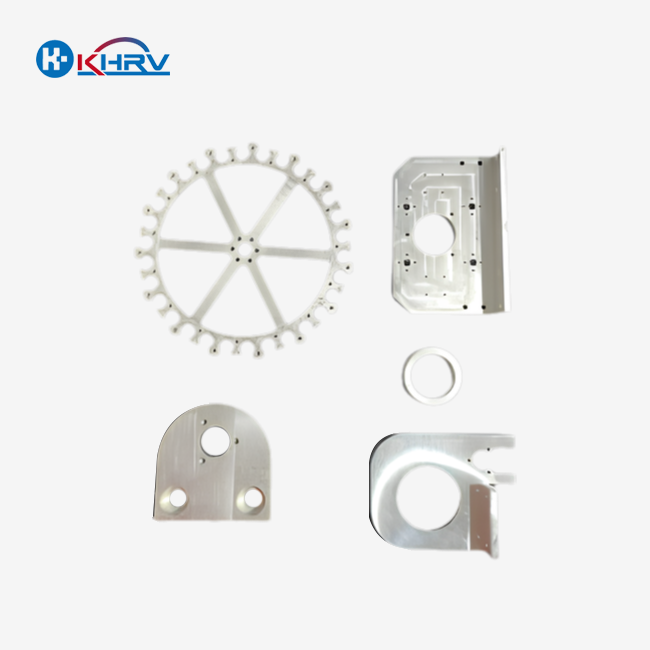
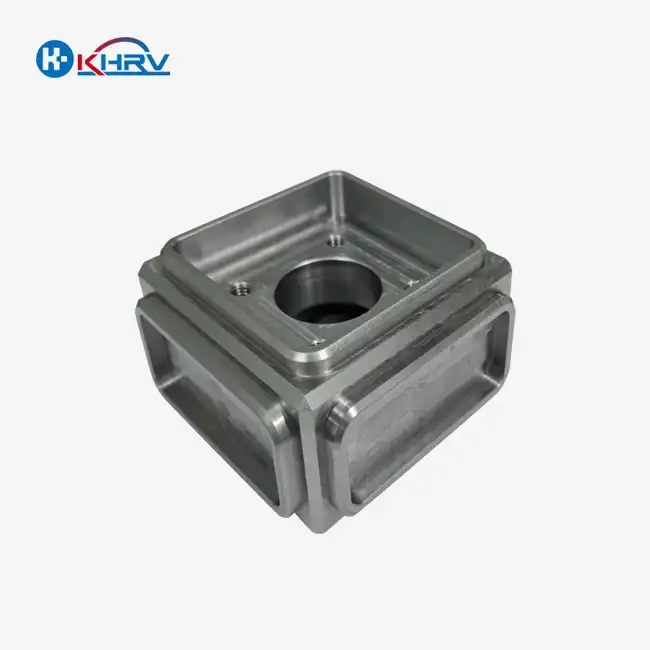
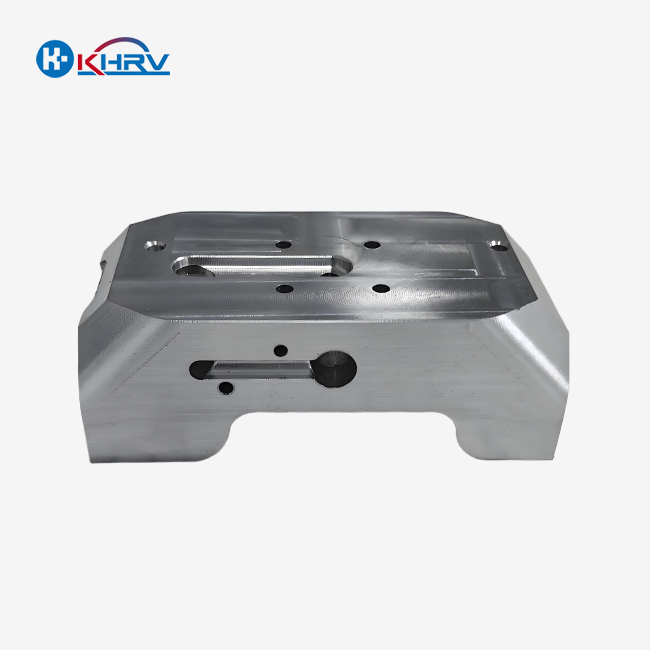
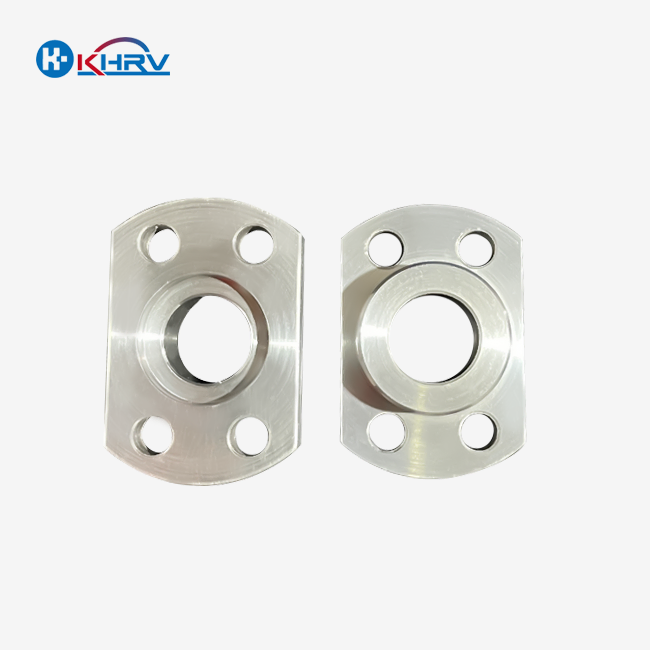
The Role of Precision Components in Wind Energy Systems
The quality of the parts that make up wind energy is very important to its success as a green energy source. It has become a star in the renewable energy business. The parts of windmills have to deal with rough conditions like strong winds, changing temperatures, and constant motion. Because of this, accuracy and longevity are the most important things when these goods are designed and made.
Critical Wind Turbine Components
A lot of the important parts in wind turbines need to be made using modern machining techniques.
- The rotor blades, which are this big structure, need to be both light and strong in order to work right. Precision machining makes sure that the balance and airflow are at their best.
- The gearbox: At the heart of the rotor are the gearboxes. They have complex gear systems that need to be made to exacting standards to make sure that energy is moved effectively and that the parts don't wear out.
- This part needs to be perfectly balanced and have its surface cleaned in order for it to work right. A lot of weight is supported by the main shaft.
- Yaw and Pitch Systems: These systems need very accurate bearings and gears so that the turbine can change its speed and direction based on the wind. A yaw motor is another name for a yaw and pitch device.
Machining Challenges in Wind Energy
Problems Associated with Machining in Wind Energy: Wind turbine parts come with their own set of problems, such as
- How big and small: Many of the parts that go into wind turbines are pretty big, so they need to be handled with special tools and technology.
- Complexity of the Material: Components are often made of complicated materials like high-strength steels or alloys, which need to be put together in very complicated ways.
- What is needed for precision? So that the best performance and lives are guaranteed, tolerances are very small, sometimes down to the micron level.
- Finish on the Surface It is important for many parts to have smooth surfaces so that there is less friction and better performance.
To solve these issues, you will need more than just advanced CNC technology. You will also need to know a lot about how to machine things and how materials work. The ability to make these parts consistently and accurately is one of the most important factors in figuring out how reliable and useful wind energy systems are.
Solar Energy: Precision Machining for Maximum Efficiency
People often think of photovoltaic cells when they think of the solar energy industry, but the industry relies heavily on precision-machined parts to make energy storage and transfer more efficient. Photovoltaic system components must endure:Sandstorm erosion resistance meeting IEC 60068-2-68、Ammonia corrosion resistance per IEC 62788-2、 Thermal cycling stability from -40℃ to 85℃ and PID (Potential Induced Degradation) mitigation strategies.
Key Machined Components in Solar Systems
Certain important parts of solar energy systems can benefit from precision drilling, such as the ones below:
- There must be tracking tools for solar cells so that they can move with the sun. Gears and bearings in these systems need to be precisely made to make sure they move smoothly and accurately.
- To make sure the panels are lined up properly and the structure is strong, the fixing clamps and frames must be made to the exact specs that have been given.
- Heat sinks, which are used in transformers and other electrical parts, need to be made very precisely so that they can get rid of heat as efficiently as possible.
- Reflectors and Focusers: For these parts in concentrated solar power systems to work right, their sides need to be very smooth. This can be done by precision cutting.
Machining Challenges in Solar Energy
Creating parts for solar energy systems brings up a number of different problems, such as
- Choice of Material: Solar components often need to be both light and strong, which requires careful choice of material and cutting methods.
- Thermal Management: To control heat effectively, a lot of parts are needed. This means that cooling paths and areas that get rid of heat must be machined accurately.
- Resistance to rust: Parts must have very high rust resistance in order to be used in a lot of different weather situations. Often, certain ways of cutting and finishing are used to make this happen.
- Grid parity is a goal for the solar industry. To reach this goal, cost-effective machining methods must be further improved without lowering quality.
In order to solve these problems properly, you need to know a lot about both solar technology and current ways to machine things. To increase the use of solar energy and make it more efficient, it is important to be able to make high-precision parts at a price that people can afford.
Hydroelectric Power: Precision Components for Harnessing Water's Energy
Hydroelectric power is one of the oldest types of renewable energy, but it is still growing thanks to progress in machinery for making things very precisely. It is important for the parts used in hydropower systems to be able to handle high temperatures, acidic conditions, and a lot of wear and tear while still working very well.
Critical Components in Hydroelectric Systems
A lot of important parts in hydroelectric power plants need to be machined in a very precise way. These include
- Hydraulic turbine runners: These need to be shaped properly so that they can get the most energy from the water flow.
- Parts like shafts and bearings are put under a lot of stress and need to be perfectly balanced and polished on the outside.
- The Wicket Gates These movable vanes control the flow of water, and they need to be machined perfectly for them to work at their best.
- Rotor blades: Impellers in pumped storage systems need to be made with very tight specs so that they work as efficiently as possible in both pumping and creating modes.
Wind turbine parts also share many of the same manufacturing challenges, where precision and durability are equally critical to their performance in harsh environments.
Machining Challenges in Hydroelectric Power
There are some problems that come up when making parts for electrical devices that you don't see in other situations:
- To make sure that parts don't rust or bubble, they often need to be made with special metals and have special surface processes applied. A material choice has to be made.
- Because many electrical parts are so big and complicated, they need to be machined with special tools and methods. Both physically and mathematically, these parts are complicated.
- What is needed for precision? To be as efficient as possible, parts often need margins that are measured in microns over a number of large areas.
- Components must be able to keep their accuracy over decades of use, which means that both the way they are designed and the way they are made must be very durable.
The best machining technology, expert knowledge in material science, and a deep understanding of how electrical systems work are all needed to solve these issues. It is very important for electrical power systems to be able to make these precise, long-lasting parts so that they can keep working well and reliably over time.
Conclusion
One more thing that shows how important modern production is to our move to sustainable energy sources is that the green energy business depends on precision mechanical components that have been precisely made. It doesn't matter if it's the huge blades of wind turbines, the complicated tracking systems of solar panels, or the strong engines of hydropower plants; each part is necessary to make the system work better and last longer.
The ways that machines are used to support green energy technologies need to keep getting better along with the technologies. Questions about how to make precision mechanical components that can last for decades, stay within tight limits, and work well in tough settings are pushing progress in materials science, machining techniques, and quality control processes.
We can't stress enough how important it is for companies in the supply chain of green energy industries to work together with precision cutting experts. The creation of these relationships could lead to new ideas, better performance of individual parts, and ultimately help reach the main goal of making green energy systems that are more cost-effective and efficient.
FAQ
1. What are the most critical precision components in wind turbines?
The most critical precision components in wind turbines include rotor blades, gearboxes, main shafts, and yaw and pitch systems. These components require high-precision machining to ensure optimal performance, efficiency, and longevity in challenging environmental conditions.
2. How does precision machining contribute to solar energy efficiency?
Precision machining contributes to solar energy efficiency by producing high-quality components such as tracking systems, mounting brackets, heat sinks, and reflectors. These precisely machined parts ensure proper alignment, heat management, and overall system performance, maximizing energy capture and conversion.
3. What are the unique challenges in machining components for hydroelectric power systems?
Machining components for hydroelectric power systems presents challenges such as working with corrosion-resistant materials, handling large and complex geometries, meeting tight tolerances across expansive surfaces, and ensuring longevity under constant wear and high pressures.
4. Why is partnering with a precision machining expert important for renewable energy companies?
Partnering with a precision machining expert is crucial for renewable energy companies because it ensures access to high-quality, durable components that meet the sector's exacting standards. Expert machining partners can provide innovative solutions, cost-effective production, and consistent quality, all of which are essential for advancing renewable energy technologies.
Elevate Your Renewable Energy Projects with Precision Machining | KHRV
Are you ready for the next level with the parts of your green energy system? Precision mechanical component machining for wind, solar, and water power is something that Wuxi Kaihan Technology Co., Ltd. does better than anyone else. Thanks to our highly advanced CNC machining centers and our very skilled employees, we can make sure that every single part meets the strictest quality and accuracy standards. We are committed to creating solutions that make things work better, last longer, and cost less. We also know the specific issues the green energy business is having. Make sure that your efforts to use green energy aren't slowed down by low-quality parts. Get in touch with us right away at service@kaihancnc.com to talk about how our precision cutting services could help your green energy ideas move forward. We can make the future better for the earth if we all work together and change one small thing at a time.
References
1. Johnson, A. R. (2022). Advanced Machining Techniques for Renewable Energy Components. Journal of Sustainable Manufacturing, 15(3), 245-260.
2. Smith, B. L., & Brown, C. D. (2021). Precision Engineering in Wind Turbine Design: A Comprehensive Review. Renewable Energy Systems, 8(2), 112-128.
3. Chen, X., & Wang, Y. (2023). Innovations in Solar Energy Component Manufacturing. International Journal of Renewable Energy Technology, 12(4), 567-582.
4. Thompson, E. M., et al. (2022). Hydroelectric Power Components: Challenges and Advancements in Precision Machining. Journal of Hydropower Engineering, 19(1), 78-93.
5. Garcia, R. P., & Lee, S. H. (2021). Material Science Advancements for Renewable Energy Components. Advanced Materials for Sustainable Energy, 7(3), 301-315.
6. Wilson, K. L. (2023). Cost-Effective Machining Strategies for the Renewable Energy Sector. Journal of Clean Energy Production, 14(2), 189-204.