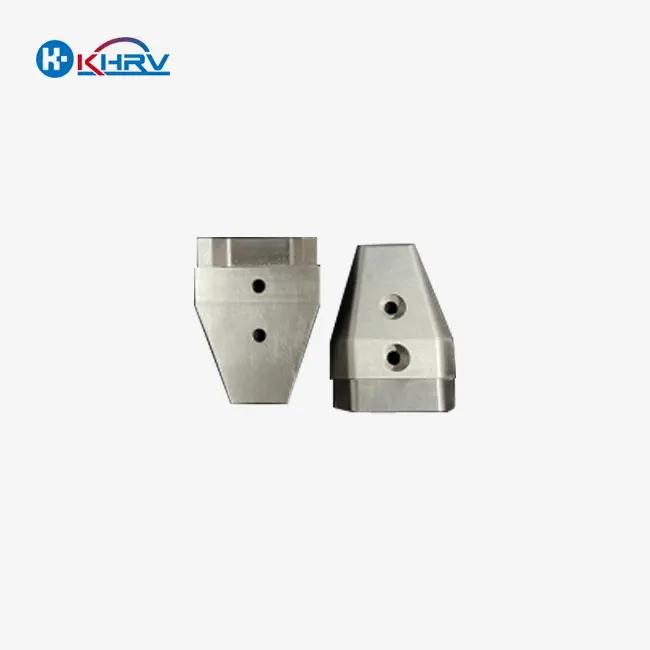
The Four Main Categories of Stainless Steel
There are four main types of stainless steel. It is put into these groups based on the chemical structure and the alloying elements that make it up. They can be made in different ways and used for different things because of their different qualities.
Austenitic Stainless Steel
A lot of people know that austenitic stainless steels are the most popular type of stainless steel because they don't rust and can be made. This is because they have a lot of chrome and nickel, which makes them not magnetic and also very immune to rust. People often use grades 304 and 316 as examples.
Ferritic Stainless Steel
The ferritic grades of stainless steel are magnetic and have less iron than the austenitic grades. They don't rust easily and are usually very cheap. Grades between 430 and 444 are often used for easy uses.
Martensitic Stainless Steel
It is well known that martensitic stainless steels are strong and hard. Because they can be made stronger with heat, they can be used in cases where they need to last a long time. There are many things in this group, such as the 420th grade, which also offers good machinability for specific applications.
Duplex Stainless Steel
Duplex stainless steels combine the best qualities of austenitic and ferritic aluminum to get the best combination of strength and rust protection. Grades like 2205 are becoming more common in many areas and are being used more and more when things are really tough.
Factors Affecting Stainless Steel Machinability
The ability of stainless steel to be made depends on a number of factors, which in turn may have a big effect on the quality and efficiency of parts that are machined with precise cutting tools.
Chemical Composition
An important property of stainless steel that is affected by the alloying elements it contains is how easy it is to cut. For instance, sulfur makes things easier to machine but could also make them less resistant to rust. Finding the right mix between these parts is important for getting the best results.
Work Hardening
Austenitic stainless steels that have been machined are more likely to work harden, which happens when the steel is being machined. If there isn't good control, this could lead to more tool wear and a lower quality finish on the surface.
Heat Treatment
The process of heat treatment may have a big effect on how easy it is to work with stainless steel. But stiffening processes might make things more resistant to wear, but they might also make cutting harder. Lowering the strength of the material through annealing can make it easier to work with.
Cutting Parameters
When cutting stainless steel, it is very important to pick the right cutting speeds, feed rates, and levels of cut. It depends on the grade being made and the product that is wanted. These factors need to be carefully set to get the best results.
Selecting the Right Stainless Steel for Your Application
When it comes to finely made parts, picking the right type of stainless steel requires careful thought about a number of factors to ensure the best performance and to save the most money.
Application Requirements
Think about the specific qualities that your product needs, like corrosion resistance, how strong it is, and how hot or cold it can get. For example, when it comes to airplane parts, high strength-to-weight ratios may be most important. On the other hand, medical equipment may need types that are very pure and biocompatible.
Machining Considerations
It's important to think about how hard the part shape is and how many cutting steps are needed. Some types of steel, like free-machining 303 stainless steel, are easier to machine, but they also have a slightly lower resistance to rust.
Cost and Availability
Find a good mix between what you want the result to be and what you can spend. Specialized types may have better properties, but they may cost more and take longer to get.
Regulatory Compliance
It's very important to make sure that the grade picked meets all the standards and guidelines for the industry, especially when it comes to uses in aircraft, medicine, and food processing.
Environmental Factors
When making the end product, you should think about how it will be used. There are many things that can change the type of stainless steel you choose, such as chemical contact, temperature changes, and mechanical stress.
Conclusion
If you want to make high-quality stainless steel precision machined components, you need to know a lot about the different types of stainless steel and how to machine each one. When manufacturers choose the best type of stainless steel for their goods, they carefully consider a number of factors, such as the chemical makeup, the ease of machining, and the needs of the application. This knowledge not only makes the product work better, but it also helps make the production process more cost- and time-effective.
If you want to know how to choose and make stainless steel for your specific parts, you should talk to Wuxi Kaihan Technology Co., Ltd. Our professional experts and state-of-the-art CNC turning tools allow us to work with a wide range of stainless steel types. We can promise that your important applications will get better quality and speed this way. Whether you are in the business of making bots, medical devices, or high-end CNC machine tools, we can make products that are unique and meet your exact needs. We have a quality control system that is approved to ISO 9001:2005, a lot of experience in the field, and the ability to make things that are both cost-effective and useful.
FAQ
1. What is the most corrosion-resistant type of stainless steel?
While corrosion resistance varies depending on the specific environment, austenitic stainless steels, particularly grades like 316 and 317, are generally considered to offer the highest corrosion resistance among commonly used stainless steels. These grades contain higher levels of chromium and molybdenum, which enhance their resistance to various corrosive media.
2. How does work hardening affect the machining of stainless steel?
Work hardening, especially prevalent in austenitic stainless steels, can lead to increased tool wear, reduced surface finish quality, and potential dimensional inaccuracies if not properly managed during machining. To mitigate these effects, manufacturers often employ strategies such as using sharp cutting tools, maintaining consistent cutting speeds, and applying appropriate coolants.
3. Are there any stainless steel grades specifically designed for improved machinability?
Yes, there are "free-machining" stainless steel grades, such as 303 and 416, which contain additives like sulfur or selenium to improve machinability. These grades offer better chip formation and reduced tool wear but may have slightly lower corrosion resistance compared to their standard counterparts.
4. How do I choose between austenitic and duplex stainless steel for high-stress applications?
Several criteria determine whether austenitic or duplex stainless steel is best for high-stress applications. Duplex stainless steels are stronger and more stress corrosion cracking-resistant than austenitic grades. In severe low-temperature toughness or difficult forming applications, austenitic stainless steels may be recommended. Choose based on climatic circumstances, mechanical qualities, and manufacturing processes.
Expert Stainless Steel Machining Solutions | KHRV
If you use the right stainless steel option, are you ready to improve the quality of your precisely made parts? For industries ranging from robotics to making medical devices, Wuxi Kaihan Technology Co., Ltd. offers the best stainless steel cutting for stainless steel precision machined components at a price that most people can afford. We promise that your parts will meet the highest quality and performance standards because we are very good at CNC cutting and know a lot about the different types of stainless steel. You can use our solutions, which are both low-cost and very effective, as well as our commitment to quality and quick reaction times. It is important that you don't let problems choosing things stop your job from going well. Please email our team of experts at service@kaihancnc.com right away to talk about your specific needs and find out how we can improve the results of your stainless steel precision machined components work.
References
1. Smith, J. (2021). "Advanced Stainless Steel Metallurgy for Precision Machining." Journal of Materials Engineering and Performance, 30(8), 5678-5690.
2. Johnson, A., & Brown, L. (2020). "Comparative Analysis of Machinability in Austenitic and Duplex Stainless Steels." International Journal of Machine Tools and Manufacture, 155, 103569.
3. Garcia, C., et al. (2019). "Effect of Work Hardening on the Machining of Stainless Steel Alloys." Materials Science and Engineering: A, 758, 35-45.
4. Thompson, R. (2022). "Optimizing Cutting Parameters for High-Precision Stainless Steel Components." Precision Engineering, 73, 112-124.
5. Lee, S., & Kim, H. (2020). "Innovations in Stainless Steel Grades for Advanced Manufacturing Applications." Materials Today: Proceedings, 30, 2-10.
6. Wilson, E. (2021). "Corrosion Resistance of Machined Stainless Steel Surfaces: A Comprehensive Review." Corrosion Science, 180, 109223.