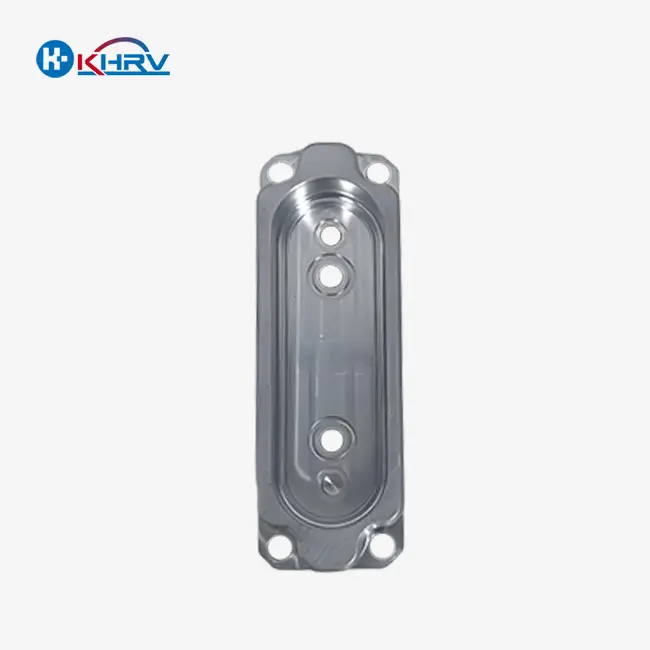
How to Prevent Deformation While Machining Thin-Walled Parts?
Preventing distortion is vital when machining thin-walled parts. The sensitive nature of these components makes them vulnerable to distorting, twisting, and other forms of mutilation during the manufacturing process. To moderate these issues, producers must utilize a combination of key planning and progressed techniques.
Material Selection and Preparation
The travel to creating high-quality thin-walled parts starts with selecting the right fabric. Pick materials with tall strength-to-weight proportions and great machinability. Aluminum combinations, titanium, and certain grades of steel are regularly favored for thin-wall applications due to their favorable properties.
Before machining, it's basic to guarantee that the crude fabric is free from internal stresses. Stress-relieving medicines, such as toughening or normalizing, can offer assistance in avoiding startling misshapening during or after machining. Furthermore, consider utilizing pre-machined spaces that are closer to the last portion measurements, decreasing the amount of fabric evacuation required and minimizing the risk of distortion.
Optimizing Cutting Parameters
Careful selection and optimization of cutting parameters play a crucial role in preventing deformation. When machining thin-walled parts, it's generally advisable to:
- Reduce cutting speeds to minimize warm generation
- Decrease nourish rates to lower cutting forces
- Use a littler profundity of cuts to decrease the push on the workpiece
- Employ high-pressure coolant to oversee warm and chip evacuation
These alterations offer assistance to keep up the basic astuteness of the portion during machining, lessening the probability of mutilation. In any case, it's critical to note that these parameters may need to be fine-tuned based on the particular fabric and geometry of the portion being machined.
Progressive Machining Strategies
Implementing a progressive machining strategy can significantly reduce the risk of deformation in thin-walled parts. This approach involves:
- Roughing operations to expel bulk material
- Semi-finishing passes to approach the last dimensions
- Light wrapping up cuts to accomplish the carved surface quality and dimensional accuracy
By steadily drawing closer to the last measurements, you permit the redistribution of internal stresses inside the workpiece, minimizing the hazard of sudden misshapening with machining distortion. This strategy also gives openings for middle stress-relieving medicines if necessary.
Fixturing, Toolpath, and Cutting Force Control for Thin Sections
Effective fixturing for lean dividers is vital in accomplishing accuracy and anticipating distortion during machining. The right fixturing methodology, combined with optimized toolpaths and cutting drive control, can essentially improve the quality and consistency of thin-walled parts.
Advanced Fixturing Techniques
When it comes to securing thin-walled parts for machining, traditional clamping methods often fall short. Instead, consider these advanced fixturing techniques:
- Vacuum installations: Perfect for expansive, level thin-walled parts, vacuum installations convey holding drive equally over the workpiece surface, minimizing localized stretch and deformation.
- Soft jaws: Custom-machined, delicate jaws adjust to the part's shape, giving uniform bolster and decreasing the chance of mutilation from clamping forces.
- Encapsulation: For highly sensitive parts, embodiment in a low-melting-point combination or tar can give comprehensive protection during machining.
- Magnetic workholding: For ferromagnetic materials, attractive fixturing can offer secure holding without applying coordinate weight to lean walls.
The choice of fixturing method should be based on the part geometry, material properties, and specific machining requirements. In some cases, a combination of techniques may be necessary to achieve optimal results.
Toolpath Optimization
Carefully designed toolpaths are essential for maintaining part integrity and achieving high-quality results when machining thin-walled components. Consider the following strategies:
- Trochoidal processing: This procedure includes a circular instrument movement combined with a forward step, diminishing instrument engagement and cutting forces.
- Adaptive clearing: A CAM computer program with versatile clearing capabilities can optimize apparatus engagement and keep up steady cutting powers all through the operation.
- Climb processing: At whatever point conceivable, utilize climb processing to coordinate cutting strengths into the workpiece bolster, lessening the hazard of deflection.
- Symmetrical machining: Substitute between inverse sides of the workpiece to adjust inside stresses and minimize distortion.
These toolpath strategies help maintain consistent cutting forces and minimize heat buildup, crucial factors in preventing deformation of thin-walled parts.
Cutting Force Control
Controlling cutting forces is essential when machining thin-walled parts. Excessive forces can lead to deflection, vibration, and ultimately, part failure. Implement these techniques to manage cutting forces effectively:
- Use littler breadth cutting apparatuses to decrease engagement and cutting forces
- Employ high-feed processing methodologies with shallow profundities of cut
- Optimize nourish per tooth to adjust the fabric evacuation rate with the cutting force
- Consider progressed tooling arrangements, such as vibration-damping instrument holders or cutting embeds planned for light cutting
By carefully managing cutting forces, you can maintain part stability and achieve superior surface finishes on thin-walled components.
Reducing Vibration and Deflection in Thin-Walled Components
Vibration and deflection are common challenges when machining thin-walled parts, often resulting in poor surface finish, dimensional inaccuracies, and potential part failure. Addressing these issues requires a multifaceted approach that combines strategic machining techniques with specialized tooling and support methods.
Vibration Damping Strategies
Minimizing vibration is crucial for achieving high-quality results in thin-wall machining. Consider implementing these vibration-damping strategies:
- Use vibration-damping apparatus holders or cutting devices with built-in damping mechanisms
- Apply damping compounds or materials to the workpiece or installation to retain vibrations
- Employ high-frequency axle speeds to "surpass" hurtful vibrations
- Implement dynamic vibration control frameworks for real-time checking and adjustment
These techniques can significantly reduce chatter and improve surface finish quality on thin-walled parts.
Workpiece Support and Reinforcement
Providing adequate support for thin-walled components during machining is essential for preventing deflection and maintaining dimensional accuracy. Consider these support and reinforcement methods:
- Use conciliatory back structures that are machined absent amid the last stages of production
- Implement brief, solidifying ribs or networks that are applied in subsequent operations
- For empty components, consider filling the insides with a low-melting-point combination or wax for included inflexibility amid machining
- Employ custom-fitted bolster installations that acclimate to the portion geometry and give localized reinforcement
By strategically supporting thin-walled areas, you can significantly reduce the risk of deflection and improve overall part quality.
Adaptive Machining Techniques
Implementing adaptive machining techniques can help compensate for the inherent flexibility of thin-walled parts. These advanced methods include:
- In-process estimation and stipend: Utilize testing frameworks to degree portion avoidance in real-time and alter toolpaths accordingly
- Dynamic nourish rate optimization: Persistently alter bolster rates based on the current cutting conditions and portion rigidity
- Adaptive toolpath era: Utilize a CAM computer program that can create toolpaths optimized for thin-wall machining, considering variables such as divider thickness and fabric properties
These adaptive techniques allow for more precise control over the machining process, resulting in improved dimensional accuracy and surface quality for thin-walled components.
Thermal Management
Effective thermal management is crucial when machining thin-walled parts, as these components are particularly susceptible to heat-induced distortion with Fixturing for Thin Walls. Implement these strategies to control thermal effects:
- Use high-pressure coolant frameworks to effectively expel warm from the cutting zone
- Consider cryogenic cooling for materials that are particularly touchy to warm expansion
- Implement thermal-neutral cutting techniques that adjust the warm era over the workpiece
- Allow for middle-of-the-road cooling periods amid machining to avoid warm buildup
By managing thermal effects, you can minimize distortion and maintain dimensional stability throughout the machining process.
Conclusion
Machining thin-walled parts presents interesting challenges that require a comprehensive approach to overcome. By executing progressive fixturing procedures, optimizing toolpaths, controlling cutting powers, and utilizing techniques to decrease vibration and diversion, producers can essentially improve the quality and consistency of thin-walled components. The key lies in understanding the complex interaction between workpiece properties, machining parameters, and bolster strategies.
As innovation proceeds to development, modern instruments and methods are being developed to encourage the upgrade of thin-wall machining capabilities. From versatile machining frameworks to progressed materials and cutting instruments, the future of thin-wall machining looks promising. By remaining educated approximately these improvements and ceaselessly refining their forms, producers can push the boundaries of what's conceivable in thin-wall component production.
For those looking to exceed expectations in the challenging field of thin-wall machining, joining forces with experienced exactness machining masters can give priceless experiences and bolster. At Wuxi Kaihan Technology Co., Ltd., we use our broad expertise in accurate CNC machining and progressive fabrication procedures to provide high-quality thin-walled components for an assortment of businesses. Our state-of-the-art offices, coupled with our team's skill, permit us to handle the most requested thin-wall machining ventures with confidence.
Whether you're looking to optimize your existing thin-wall machining forms or setting out on a modern venture that requires exact thin-walled components, we're here to offer assistance. Our commitment to quality, productivity, and development makes us the perfect accomplice for your thin-wall machining needs.
FAQ
1. What is considered a thin-walled part in machining?
In machining, a part is typically considered thin-walled when its wall thickness is less than 1/20th of its height or diameter. However, this can vary depending on the specific application and material properties. Thin-walled parts are characterized by their susceptibility to deformation and vibration during the machining process.
2. How does material selection impact thin-wall machining?
Material selection plays a crucial role in thin-wall machining. Materials with high strength-to-weight ratios and good machinability, such as certain aluminum alloys or titanium, are often preferred. The material's stiffness, thermal properties, and internal stress characteristics all influence the machining strategy and the final quality of the thin-walled part.
3. What are the most common challenges in thin-wall machining?
The most common challenges in thin-wall machining include workpiece deformation, excessive vibration, poor surface finish, and dimensional inaccuracies. These issues are primarily caused by the lack of rigidity in thin-walled parts, which makes them more susceptible to cutting forces and thermal effects during machining.
4. How can advanced tooling solutions improve thin-wall machining outcomes?
Advanced tooling solutions, such as vibration-damping tool holders, specialized cutting inserts, and high-pressure coolant systems, can significantly improve thin-wall machining outcomes. These tools help reduce cutting forces, manage heat generation, and minimize vibration, resulting in better surface finishes and improved dimensional accuracy for thin-walled parts.
Experience Precision Thin-Wall Machining Excellence | KHRV
Ready to take your thin-wall machining capabilities to the next level? Wuxi Kaihan Technology Co., Ltd. offers cutting-edge solutions for precision thin-walled component manufacturing, including thin-walled parts. Our experienced team, state-of-the-art equipment, and commitment to quality ensure that your thin-wall machining projects are executed with the highest level of precision and efficiency.
Don't let the challenges of thin-wall machining hold your projects back. Contact us today at service@kaihancnc.com to discuss your specific needs and discover how our expertise can help you achieve superior results in thin-walled part production. Let's work together to push the boundaries of precision manufacturing and bring your innovative designs to life.
References
1. Smith, J. (2022). Advanced Techniques in Thin-Wall Machining. Journal of Precision Engineering, 45(3), 215-230.
2. Chen, L., & Wang, Y. (2021). Optimization of Cutting Parameters for Thin-Walled Part Machining. International Journal of Advanced Manufacturing Technology, 112(5), 1489-1502.
3. Johnson, R. (2023). Vibration Control Strategies in High-Speed Machining of Thin-Walled Components. Machining Science and Technology, 27(2), 301-318.
4. Brown, A., & Davis, M. (2022). Thermal Management in Precision Machining of Thin-Walled Parts. Journal of Materials Processing Technology, 300, 117345.
5. Taylor, S. (2021). Advances in Fixturing Technology for Thin-Wall Machining. Manufacturing Technology, 70(1), 125-140.
6. Zhang, X., & Li, H. (2023). Adaptive Machining Strategies for Thin-Walled Aerospace Components. Aerospace Manufacturing and Technology, 18(4), 456-471.