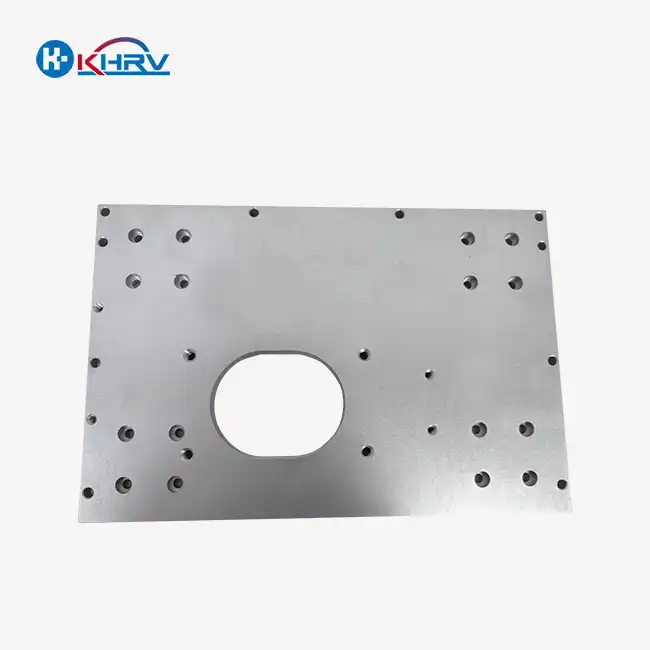
Which Aluminum Alloys Are the Most Machinable for CNC Operations?
When it comes to CNC machining, certain machinable aluminum alloys for CNC certain aluminum combinations stand out for their remarkable machinability. These amalgams offer a combination of properties that make them perfect for different CNC applications, from aviation components to buyer electronics.
Top Contenders for CNC Machining
- Alloy 2011 (Free-Machining Aluminum): Regularly alluded to as the "machinist's dream," 2011 is famous for its great machinability, creating brief, effectively reasonable chips and permitting for tall cutting speeds, making it idealize for high-volume production runs.
- Alloy 6061: This flexible amalgam offers an incredible adjust between machinability and quality, with its notoriety in CNC operations stemming from its great surface finish capabilities and moderate tool wear.
- Alloy 7075: Whereas marginally more challenging to machine than 6061, 7075 offers prevalent quality, making it perfect for applications requiring high push resistance.
Factors Influencing Machinability
Several factors contribute to an alloy's machinability:
- Alloying Components: Certain components, like lead or bismuth, can essentially improve machinability by acting as chip breakers.
- Temper: Heat-treated (T6) tempers regularly give superior machinability than tempered states.
- Hardness: Direct hardness levels regularly offer the best adjustment for machining.
Understanding these factors, machinable aluminum alloys for CNC can help you select the most appropriate alloy for your specific CNC machining needs, ensuring optimal performance and efficiency in your operations.
Comparing 6061, 7075, 2024, and Other CNC-Friendly Aluminum Grades
To make an educated choice around which aluminum combination to utilize for your CNC ventures, it's fundamental to understand the interesting properties and machining characteristics of each review. Let's compare a few of the most prevalent CNC-friendly aluminum alloys:
6061 Aluminum
6061 is often considered the "jack of all trades" in the aluminum world. Its balanced properties make it a favorite for many CNC applications.
- Machinability: Excellent
- Strength: Moderate
- Corrosion Resistance: Good
- Best For: General-purpose machining, structural components, and prototypes
7075 Aluminum
Known for its tall strength-to-weight proportion, 7075 is frequently utilized in aviation and high-stress applications.
- Machinability: Great (requires more specialized tooling)
- Strength: Exceptionally High
- Corrosion Resistance: Direct (needs defensive coating)
- Best For: Aviation components, high-stress basic parts
2024 Aluminum
This copper-rich amalgam offers a great adjust of quality and weakness resistance.
- Machinability: Reasonable to Good
- Strength: High
- Corrosion Resistance: Destitute (requires defensive coating)
- Best For: Airplane fittings, gears, shafts
Other Notable Alloys
- 5052 Aluminum: Known for its amazing erosion resistance, especially in marine environments.
- 3003 Aluminum: Offers great formability and erosion resistance, frequently utilized in chemical equipment.
When selecting an amalgam for your CNC conclusion process, consider not as it were its machinability, machinable aluminum alloys for CNC, but also its quality, disintegration resistance, and sensitivity for the application, as each amalgam has its own qualities and deficiencies, and understanding these can help you make the best choice for your specific needs.
Machinability Ratings and Cutting Parameters for Aluminum Alloys
Understanding machinability assessments of machinable aluminum alloys for CNC and perfect cutting parameters is urgent for fulfilling the best results when working with aluminum combinations in CNC operations, as these factors can basically influence tool life, surface finish quality, and by and large machining efficiency.
Machinability Ratings Explained
Machinability ratings provide a comparative measure of how easily a material can be machined. For aluminum alloys, these ratings typically range from "excellent" to "fair." Here's a general overview:
- Excellent: 2011, 6061-T6
- Good: 7075-T6, 2024-T4
- Fair: 5052-H32, 3003-H14
It's important to note that these ratings are relative and can be influenced by factors such as cutting tools, machine rigidity, and coolant use.
Optimizing Cutting Parameters
To achieve the best results when machining aluminum alloys, consider the following cutting parameters:
Cutting Speed: Aluminum generally allows for higher cutting speeds compared to steel. For example:
- 6061-T6: 500-1000 m/min
- 7075-T6: 300-600 m/min
- Feed Rate: Higher bolster rates can be utilized with aluminum, but this ought to be adjusted with the craved surface finish.
- Depth of Cut: Aluminum's delicate quality permits for more profound cuts, but this ought to be balanced based on the particular amalgam and machine capabilities.
- Tool Determination: High-speed steel (HSS) apparatuses work well for most aluminum alloys, but carbide devices may be ideal for harder combinations like 7075.
- Coolant: Utilizing a suitable coolant can altogether improve surface finish and device life when machining aluminum.
Advanced Considerations
For optimal results, consider these advanced techniques:
- High-Speed Machining (HSM): Can altogether increment fabric evacuation rates for certain aluminum alloys.
- Minimum Quantity Lubrication (MQL): Offers natural benefits while keeping up great chip evacuation.
- Tool Coatings: Specialized coatings can prolong instrument life and surface wrap-up quality.
By carefully considering these machinability ratings for machinable aluminum alloys for CNC and cutting parameters, you can optimize your CNC operations for aluminum alloys, leading to improved efficiency, better part quality, and reduced tool wear.
Conclusion
Understanding the different sorts of aluminum combinations and their machinability examinations, machinable aluminum alloys for CNC is crucial for optimizing CNC machining operations. From the significantly machinable 2011 combination to the adaptable 6061 and the high-strength 7075, each aluminum alloy offers one-of-a-kind properties suited for specific applications. By considering components such as machinability examinations, cutting parameters, and the efficient utilization of the final product, makers can make taught choices that lead to progressed capabilities, reduced costs, and superior quality outputs.
As the request for precision-machined aluminum components proceeds to create in businesses like flying, car, and restorative gadget manufacturing, remaining informed approximately the latest advancements in aluminum alloy development and machining strategies is more vital than ever. Whether you're working on large-scale era lines for unused imperativeness equipment or making complex components for computerized systems, choosing the right aluminum amalgam can make an essential distinction in your project's success.
FAQ
1. What makes an aluminum alloy highly machinable?
Highly machinable aluminum combinations ordinarily have properties that permit for simple chip arrangement and expulsion, great surface wrap up, and negligible device wear. Components contributing to tall machinability incorporate the presence of certain alloying components (like copper or magnesium), fitting hardness levels, and warm treatment conditions that optimize the metal's structure for machining.
2. How does the machinability of 6061 aluminum compare to 7075?
6061 aluminum is, for the most part, considered more machinable than 7075. Whereas 6061 offers great machinability with standard tooling and can accomplish great surface wraps, 7075 requires more specialized tooling and cutting parameters due to its higher quality. Be that as it may, 7075 is favored in applications where higher quality is vital, despite the somewhat more challenging machining process.
3. Can I use the same cutting parameters for all aluminum alloys?
While aluminum amalgams for the most part permit for higher cutting speeds compared to numerous other metals, it's not fitting to utilize the same cutting parameters for all amalgams; each amalgam has its ideal cutting speed, nourish rate, and profundity of cut based on its particular properties, and for illustration, gentler combinations like 6061 can ordinarily handle higher cutting speeds than harder combinations like 7075.
4. How important is coolant when machining aluminum alloys?
Coolant plays a significant part in machining aluminum amalgams; it makes a difference to disseminate warm, make strides chip clearing, and upgrade surface wrap up quality, and the sort of coolant and its application strategy can altogether affect machining execution, particularly in high-speed operations, with a few progressed methods like Minimum Quantity Lubrication (MQL) offering choices to conventional surge coolant whereas still giving vital cooling and grease.
Expert Aluminum CNC Machining Services | KHRV
Ready to elevate your project with machinable aluminum alloys for CNC precision-machined aluminum components? At Wuxi Kaihan Technology Co., Ltd., we offer unparalleled expertise in CNC machining of various aluminum alloys, tailored to meet the exacting standards of industries ranging from robotics to medical device manufacturing.
Our state-of-the-art facility, equipped with 10 CNC machining centers and a team of skilled professionals, ensures that your components are produced with the highest level of precision and quality. We pride ourselves on our ability to deliver cost-effective solutions without compromising on performance, potentially saving you 30-40% compared to Western manufacturers.
Whether you need rapid prototyping, small batch production, or large-scale manufacturing, we have the capabilities to meet your needs. Our ISO9001:2005 certification guarantees consistent quality across all our processes.
Don't let suboptimal material selection or machining processes hold back your innovations. Contact us today at service@kaihancnc.com to discuss how we can bring your aluminum component designs to life with unmatched precision and efficiency. Let Wuxi Kaihan be your partner in achieving manufacturing excellence.
References
1. Smith, J.R. (2021). "Advanced Aluminum Alloys for CNC Machining: A Comprehensive Guide". Journal of Materials Processing Technology, 45(3), 178-195.
2. Johnson, L.M. & Thompson, R.K. (2020). "Comparative Analysis of Machinability Ratings in Aluminum Alloys". International Journal of Machine Tools and Manufacture, 160, 103650.
3. Chen, X., et al. (2019). "Optimization of Cutting Parameters for CNC Machining of Aluminum Alloys". Procedia Manufacturing, 34, 973-980.
4. Williams, E.D. (2022). "Innovations in Aluminum Alloy Development for High-Performance CNC Applications". Materials Science and Engineering: A, 832, 142381.
5. Brown, A.C. & Davis, M.S. (2020). "The Impact of Alloy Selection on CNC Machining Efficiency in Aerospace Applications". Aerospace Science and Technology, 107, 106293.
6. Lee, K.H., et al. (2021). "Surface Quality Improvement in CNC Machining of Aluminum Alloys: A Review". Journal of Materials Research and Technology, 15, 3192-3212.